India’s fruit-based wine industry is witnessing a notable transformation, with Alphonso mango wine emerging as one of the most talked-about products in international markets. Once considered a niche, fruit wines made from Indian-origin fruits such as Alphonso mango, jamun, chikoo, and pineapple are now gaining shelf space in global retail and hospitality channels.
This growing demand reflects changing consumer preferences worldwide, where buyers are increasingly seeking unique flavors, natural ingredients, and region-specific products rather than conventional grape-only wines.
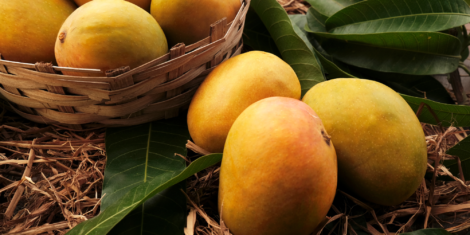
Alphonso mango has long been prized for its aroma, rich pulp, and balanced sweetness. These same characteristics make it particularly suitable for wine fermentation. Unlike many fruits, Alphonso offers a naturally high sugar content, smooth pulp texture, and a distinctive flavor profile that translates well into wine.
Producers report that Alphonso mango wine delivers:
As a result, Alphonso mango wine is increasingly positioned as a premium fruit wine, rather than a novelty product.
Recent trade data and industry reports indicate that exports of Indian fruit wines have grown significantly year-on-year, with shipments doubling in some international markets. Alphonso mango wine has emerged as a key contributor to this growth.
Key export destinations include:
In these markets, Indian fruit wines are often promoted as exotic, craft-style beverages with a strong origin story, appealing to consumers looking for alternatives to traditional wines.
Several factors are driving global interest in Alphonso mango wine:
International consumers are increasingly drawn to products that offer a sense of place. Alphonso mango wine benefits from its association with India’s Konkan region, where the fruit’s reputation is already well established.
Fruit wines generally have a lower alcohol content than traditional grape wines, making them attractive to casual drinkers and younger consumers exploring wine for the first time.
Much like craft beer, the global wine market is seeing growth in small-batch and experimental wines. Alphonso mango wine fits well into this segment, particularly when marketed as a limited seasonal product.
The rise of Alphonso mango wine is creating new value streams for mango growers and processors. Fruits that may not meet strict fresh-export grade standards—but are still high in pulp quality—can be diverted to wine production.
This has multiple benefits:
For processors, mango wine represents a way to extend the commercial life of Alphonso beyond the short fresh-fruit season.
As demand grows, compliance has become a critical focus area. Export-oriented fruit wine producers are aligning with:
Alphonso mango wine producers increasingly highlight the origin of mangoes, processing methods, and batch information to build trust with overseas buyers.
Despite strong momentum, the segment faces challenges:
Industry experts note that scaling fruit wine exports will require better coordination between farmers, processors, and logistics providers.
The success of Alphonso mango wine signals a broader shift in how Indian agricultural products are perceived globally. No longer limited to raw exports, India is increasingly exporting value-added, origin-driven products.
As branding, quality control, and export infrastructure improve, Alphonso mango wine has the potential to become a signature Indian fruit wine—much like how certain grape wines are associated with specific regions worldwide.
The growing global demand for Indian fruit wines marks an important milestone for India’s agri-processing sector. Among these, Alphonso mango wine stands out for its flavor, authenticity, and premium appeal.
By combining India’s most iconic mango with modern fermentation and export practices, producers are opening new markets and creating sustainable opportunities for growers. If managed carefully, Alphonso mango wine could play a lasting role in showcasing India’s agricultural excellence on the global stage.