India’s fruit markets are facing increased scrutiny in 2026 FSSAI Tightens Rules on Artificial Ripening & against illegal ripening practices. Mangoes, along with bananas and papayas, are now under closer monitoring as authorities introduce new testing measures to detect harmful chemicals used in artificial ripening.
This move comes at a crucial time, as mango season peaks and demand rises sharply across the country.
FSSAI has directed enforcement teams to use strip paper tests to identify the presence of banned substances like calcium carbide. These tests allow quick on-the-spot detection, making it easier for inspectors to monitor large volumes of fruit in wholesale markets.
The introduction of this method is expected to strengthen surveillance, especially during the peak mango season when supply chains become more active and complex.
Artificial ripening using calcium carbide is banned in India due to its harmful health effects. When used on fruits, it can release toxic compounds that pose risks to consumers.
Health concerns linked to such practices include:
Despite regulations, illegal usage continues in some parts of the supply chain, particularly during periods of high demand.
With stricter enforcement, traders and suppliers are likely to face increased inspections. This may lead to:
While these measures strengthen consumer safety, they may also impact how quickly fruits move through markets, especially in high-volume cities.
As awareness grows, consumers are increasingly choosing mangoes that are ripened naturally rather than chemically. Naturally ripened fruits develop their flavour gradually, resulting in better aroma, texture, and overall eating experience.
This shift is encouraging more sellers and brands to adopt transparent and traditional ripening methods.
At Ratnagiri Hapus Store, mangoes are not exposed to any artificial ripening agents. The focus remains on allowing Alphonso mangoes to ripen through natural processes, preserving their original taste and quality.
However, natural ripening requires more time and careful handling. It also comes with a 5–10% higher fruit wastage factor, as some mangoes may over-ripen or get damaged during the process. Despite this, the priority remains on maintaining authenticity rather than speeding up supply.
With increasing concern around chemical ripening, consumers can look for a few simple signs while buying mangoes:
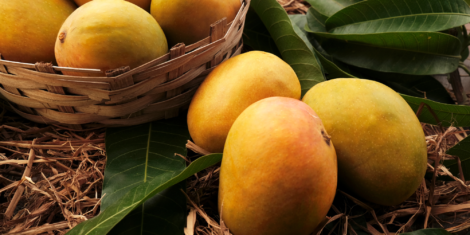
Naturally ripened Alphonso mangoes often look less uniform but offer better taste and quality.
FSSAI Tightens Rules on Artificial Ripening enforcement is expected to improve overall fruit quality in the market. As testing becomes more common, sellers may shift towards safer and more transparent ripening practices.
For consumers, this means better access to safe and authentic mangoes, although supply may become more controlled in certain cases.
For farmers and genuine sellers, this move supports fair practices and strengthens trust in naturally grown and ripened produce.
The introduction of strip paper testing and tighter monitoring marks an important step toward safer fruit consumption in India. As mango season progresses in 2026, the focus is shifting from speed to quality and authenticity.
With growing awareness, naturally ripened Alphonso mangoes are gaining preference among consumers who value taste, safety, and trust. The market is gradually moving toward cleaner practices, ensuring that the true essence of mango—its flavour, aroma, and seasonal joy—is preserved.