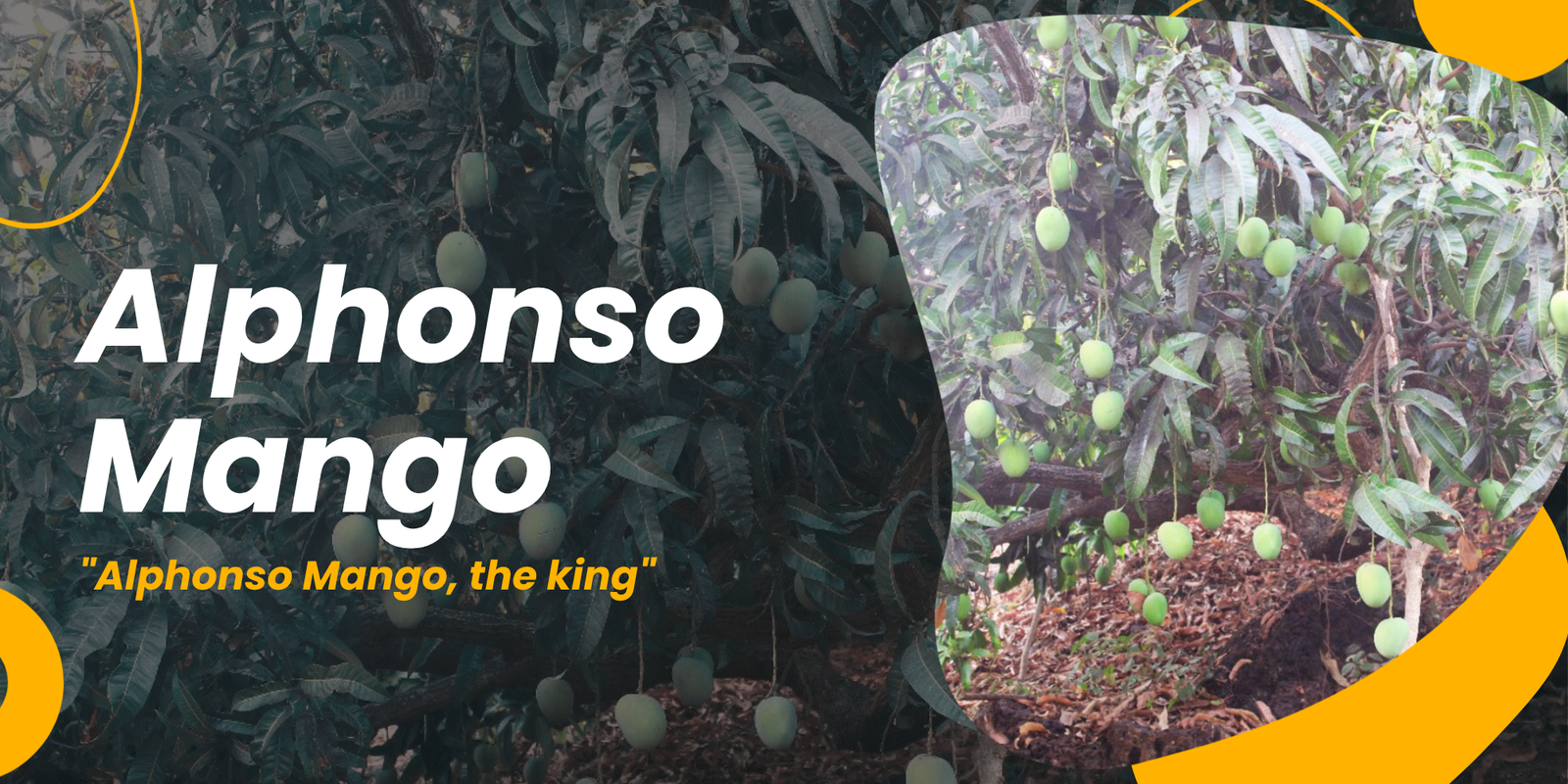
Alphonso Mango, also called Hapus in Maharashtra, is one of India’s most loved mango varieties. People know it for its rich sweetness, smooth pulp, bright colour, and strong natural aroma.
The fruit has a special connection with the Konkan region of Maharashtra, especially Ratnagiri and Sindhudurg. Every summer, mango lovers across India wait for the arrival of fresh Alphonso Mangoes.
But what makes this mango so special? Where does it grow? Why does it cost more than many other mangoes? How can you identify a genuine Alphonso?
This guide answers these questions and covers the history, growing regions, taste, season, GI tag, farming, natural ripening, nutrition, storage, uses, and buying tips.
Alphonso Mango is a variety of Mangifera indica. In Maharashtra, people commonly call it Hapus or Hapus Aam.
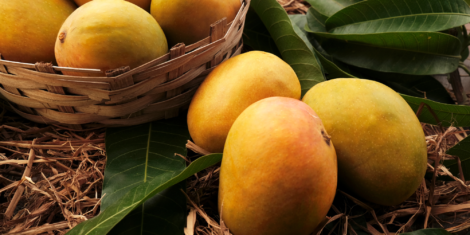
A ripe Alphonso usually has golden-yellow skin and yellow to saffron-coloured pulp. The fruit has a smooth texture and very little fibre. It also develops a sweet taste and a rich mango aroma as it ripens.
Because of these qualities, people enjoy Alphonso both as a fresh fruit and as an ingredient in many foods.
You can find Alphonso Mango in:
In short, Alphonso is much more than a summer fruit. It has become an important part of India’s food culture.
People often call Alphonso the King of Mangoes because of its unique mix of taste, texture, colour, and aroma.
A ripe Alphonso has a rich and pleasant sweetness. The flavour can also include light fruity and citrus notes.
The pulp feels creamy and smooth. It has very little fibre compared with many other mango varieties. As a result, it works well in both fresh eating and desserts of alphonso mango.
A ripe Alphonso produces a pleasant mango fragrance. The aroma becomes stronger as the fruit reaches its ideal ripeness.
The skin usually turns golden-yellow as the fruit ripens. Inside, the pulp can develop a deep yellow or saffron shade.
Fresh Alphonso has a short harvest season. Therefore, mango lovers often wait throughout the year for its arrival.
Alphonso mangoes enjoys strong demand in India and overseas markets. Its reputation also makes it a popular choice for premium food products.
These qualities explain why many mango lovers consider Alphonso Mango the King of Mangoes.
The history of Alphonso Mango goes back several centuries.
A popular historical account connects the name Alphonso with Afonso de Albuquerque, a Portuguese military leader and administrator. Portuguese influence also played a role in the development of mango grafting and plant selection in India.
However, historians still discuss the exact origin of the name and variety.
Over time, Indian farmers selected and grew superior mango trees. As a result, Alphonso became closely linked with the western coast of India, especially the Konkan region of Maharashtra.
Today, generations of farmers continue to grow Alphonso using local knowledge and traditional orchard practices.
Alphonso Mango grows in several parts of India. However, Maharashtra has a particularly strong reputation for premium Alphonso mango production.
Important growing areas include:
Among these places, Ratnagiri and Devgad have become especially well known for Hapus Mangoes.
The local climate, soil, rainfall, temperature, and orchard practices all affect the fruit.
For this reason, mangoes from different regions can show small differences in taste, aroma, colour, and texture.
Ratnagiri Alphonso Mango, widely known as Ratnagiri Hapus, comes from Ratnagiri district in Maharashtra.
Ratnagiri lies along the Konkan coast. The area has a warm coastal climate, heavy monsoon rainfall, laterite-rich soils, hills, and the influence of the Arabian Sea.
These natural conditions support mango farming and help create the qualities linked with Ratnagiri Hapus.
A good Ratnagiri Alphonso can offer:


Devgad Alphonso Mango, also called Devgad Hapus, comes from the Devgad region of Sindhudurg district in Maharashtra.
Devgad sits close to the Arabian Sea. Its coastal climate, soil, rainfall, and traditional mango orchards create a suitable environment for Alphonso cultivation.
Devgad Hapus is known for its:
Both Devgad and Ratnagiri produce Alphonso Mangoes. However, the exact taste can change from one orchard to another.
Ratnagiri Hapus and Devgad Hapus belong to the same Alphonso variety. The main difference is their geographical origin.
Many people ask which one tastes better. There is no single answer.
Taste can depend on:
Therefore, some people may prefer Ratnagiri Hapus, while others may prefer Devgad Hapus.
Both have a strong reputation among Alphonso lovers.
Ratnagiri offers a unique environment for mango farming.
The region receives heavy monsoon rain. After the monsoon, the weather becomes warmer and drier. The nearby Arabian Sea also influences the local climate.
The area’s laterite-rich soils and traditional farming practices add to the region’s identity.
In addition, farmers have grown Hapus in the Konkan region for generations. Their experience helps them manage the trees, flowering, fruit growth, harvesting, and ripening process.
This combination of place, climate, soil, and farming knowledge helps Ratnagiri Hapus maintain its premium reputation.
A Geographical Indication (GI) tag connects a product with a specific geographical area.
The GI system helps protect products that have qualities or a reputation linked to their place of origin.
Alphonso Mango from the recognized geographical region of Maharashtra has GI recognition. This recognition helps protect the regional identity of the fruit and supports awareness among buyers.
However, a GI tag does not mean every mango will have exactly the same size, colour, or taste. Mangoes are natural products, so some variation is normal.
For buyers, the GI tag is one useful part of checking the origin of premium Alphonso Mangoes.
A ripe Alphonso has a rich and distinctive flavour.
Most people notice:
The final taste depends on maturity and ripening.
A mango picked too early may not develop its full flavour. On the other hand, a fruit that becomes overripe can lose some of its freshness.
So, the right harvest stage and proper ripening both matter.
A ripe Alphonso Mango usually has:
Some mangoes may also show an orange or reddish colour near the top.
However, colour alone cannot prove that a mango is genuine or ripe.
Natural mangoes can have uneven colour. Buyers should also check the aroma, firmness, fruit condition, and source.
Fresh Alphonso Mango is available only for a short period each year.
In Maharashtra, the main season usually runs from March to June. However, weather can change the timing from one year to another.
The season generally follows three stages:
The first arrivals begin to reach markets.
Supply becomes stronger and more mangoes reach consumers.
Harvests start to reduce as the season comes to an end.
Because the season is short, fresh Alphonso Mango remains a highly anticipated summer fruit.
Growing Alphonso takes patience and year-round care.
The process starts with flowering. Farmers then wait for successful fruit setting and monitor the young mangoes as they grow.
Throughout the season, farmers pay attention to:
The farmer’s work does not stop after planting the tree. Mango orchards need care throughout the year.
Weather has a major impact on Alphonso production.
Sudden temperature changes can affect flowering. Heavy rain can disturb fruit development. Strong winds can cause fruit drop. Hailstorms can damage exposed mangoes.
Extreme heat can also create problems during fruit growth, harvesting, ripening, and transportation.
As a result, the Alphonso crop can change greatly from one season to another.
The 2026 season has shown this clearly. Farmers across parts of Konkan faced lower fruit production, unseasonal weather, storms, and intense heat.
Ripening plays an important role in the taste and aroma of Alphonso.
At Ratnagiri Hapus Store, we follow natural ripening practices and do not use chemical ripening agents to speed up the fruit.
Natural ripening takes more time. It also requires regular checking and careful handling.
Some mangoes may become too ripe or develop damage before delivery. Because of this, natural ripening can lead to about 5–10% more fruit wastage, depending on the season and weather.
We accept this extra wastage because our priority is to preserve the natural taste, aroma, and texture of Alphonso Mango.
Many buyers want to know how to identify genuine Alphonso Mangoes.
Here are some simple points to consider.
First, find out where the mangoes come from. A trusted seller should clearly mention the region of origin.
A ripe Alphonso usually has a strong and pleasant mango aroma.
A ripe mango should feel soft when you press it gently. Avoid fruit with deep soft spots or signs of damage.
Once ripe, Alphonso usually has yellow to saffron-coloured pulp with a smooth texture.
Natural mangoes do not always have perfectly even skin colour. Therefore, do not reject a mango simply because it has a few green or uneven patches.
A reliable seller should explain the source, ripening method, and handling process.
Alphonso Mango has a premium market position for several reasons.
Premium Alphonso production depends on specific growing regions.
Fresh fruit remains available for only a few months.
Farmers face risks from heat, rain, storms, pests, and changes in flowering conditions.
Farmers need workers for orchard care, harvesting, sorting, and packing.
Alphonso has delicate fruit skin. Poor handling can cause bruises and damage.
Long-distance delivery needs protective packaging to reduce damage.
Fresh mangoes must travel quickly because they continue to ripen after harvest.
Alphonso has a loyal customer base in India and overseas markets.
Together, these factors contribute to its premium value.
Alphonso Mango provides several useful nutrients.
It contains:
Mango also contains natural sugar. Therefore, people who need to manage their sugar intake should enjoy it in suitable portions.
A balanced diet remains important for overall health.
Mango can add useful nutrients to a balanced diet.
Its vitamin content supports normal body functions. Fibre can also support healthy digestion.
In addition, mango contains naturally occurring plant compounds with antioxidant properties.
However, Alphonso Mango should not be treated as a medicine. Instead, enjoy it as part of a varied and balanced diet.
There are many ways to enjoy this seasonal fruit.
The simplest way is to enjoy ripe Alphonso on its own.
Blend ripe mango pulp to prepare the popular Indian summer dish, aamras.
Alphonso pulp works well in Pune’s famous Mango Mastani.
Blend ripe mango pulp with chilled milk for a creamy drink.
You can use Alphonso in:
Alphonso pulp works well in both home recipes and commercial food products.
Alphonso Mango pulp offers a convenient way to enjoy mango flavour beyond the fresh season.
Food businesses use mango pulp in:
Because Alphonso has a rich flavour and smooth pulp, it remains a popular choice for premium mango products.
Both options have their own advantages.
Fresh Alphonso Mango gives you the complete experience of the fruit. You get the natural aroma, texture, flavour, and seasonal experience.
Alphonso Mango Pulp offers convenience. It works especially well when you want to make desserts, drinks, or other recipes outside the fresh mango season.
Therefore, the better choice depends on how you plan to use the mango.
Indian Alphonso Mangoes reach customers in several international markets.
Exporters must follow rules related to:
The Gulf region has strong demand for Indian mangoes. Alphonso also reaches markets in Europe, North America, and other parts of the world.
Processed products such as mango pulp also form an important part of India’s mango industry.
Online shopping has made it easier for people outside the Konkan region to buy fresh Alphonso Mangoes.
Major demand centres include:
Each city has its own buying patterns and delivery needs.
For example, customers in Bengaluru may depend heavily on online delivery, while Mumbai and Pune benefit from their closer connection to the Konkan supply chain.
At Ratnagiri Hapus Store, our business focuses on bringing authentic Ratnagiri and Devgad Hapus to customers across India.
We work with selected farmers and sourcing partners in the Konkan region. Our team focuses on careful selection, natural ripening, protective packaging, and timely dispatch.
The process includes:
Farmer → Harvest → Sorting → Natural Ripening → Quality Check → Packing → Dispatch → Customer
Every stage matters.
A mango can have excellent potential at harvest, but poor handling can still affect the final eating experience. Therefore, we pay attention to the fruit throughout its journey.
We believe mangoes should have enough time to develop their natural taste and aroma.
Our team does not use chemical ripening agents to speed up Alphonso Mango.
Natural ripening can take longer. It can also result in more wastage. Some fruit may over-ripen, develop bruises, or fail to meet our quality standards.
We accept this challenge because customer trust matters more than saving every single mango.
A mango may look simple when it reaches your table. However, its journey involves months of work.
Farmers deal with:
After harvesting, sellers also manage:
In other words, every Alphonso Mango represents months of work before you take the first bite.
If your mangoes arrive firm, keep them at room temperature and allow them to ripen naturally.
Once they become ripe, you can move them to the refrigerator if you want to slow further ripening.
For the best experience:
Avoid storing unripe mangoes in the refrigerator for long periods because cold temperatures can affect the normal ripening process.
Alphonso Mango is a popular variety of Mangifera indica. In Maharashtra, people commonly call it Hapus or Hapus Aam.
Hapus is the common Marathi name for Alphonso Mango in Maharashtra.
Its rich sweetness, smooth pulp, strong aroma, attractive colour, and premium reputation have earned it the popular title “King of Mangoes.”
Maharashtra is especially famous for Alphonso Mango, with Ratnagiri and Sindhudurg being important growing regions.
Ratnagiri Hapus is Alphonso Mango associated with the Ratnagiri region of Maharashtra.
Devgad Hapus refers to Alphonso Mango associated with the Devgad region of Sindhudurg district.
The main season in Maharashtra generally runs from March to June. Weather can change the exact timing each year.
Limited growing areas, a short season, weather risks, labour, careful handling, packaging, transport, and strong demand all contribute to its premium value.
Check the source, aroma, firmness, pulp, and overall fruit quality. Do not depend on skin colour alone.
Yes. Alphonso develops its characteristic sweetness as the fruit matures and ripens.
Alphonso generally has smooth, low-fibre pulp. This gives it a creamy texture.
Yes. Its rich flavour and smooth pulp make it suitable for mango pulp and many food products.
Yes. Many sellers offer Alphonso Mango online during the season. Always check the fruit’s origin and the seller’s sourcing and ripening practices.
Alphonso Mango is one of India’s most famous mango varieties. Its rich taste, creamy pulp, strong aroma, and short season have made it a favourite among mango lovers.
Ratnagiri and Devgad have a special place in the Alphonso story. The Konkan climate, local soils, traditional orchards, and generations of farming knowledge all play a role in the fruit’s identity.
At the same time, growing Alphonso is not easy. Farmers face changing weather, crop risks, rising costs, and a short harvest window. Sellers also need to manage careful ripening, packaging, transport, and delivery.
At Ratnagiri Hapus Store, we work to bring authentic Ratnagiri and Devgad Alphonso Mangoes to customers while keeping natural ripening and quality at the centre of our process.
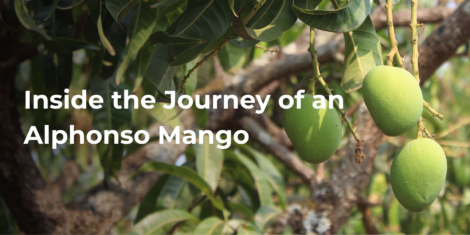
The next time you enjoy an Alphonso Mango, remember the journey behind it—from a flowering tree in the Konkan region to the fruit on your table.