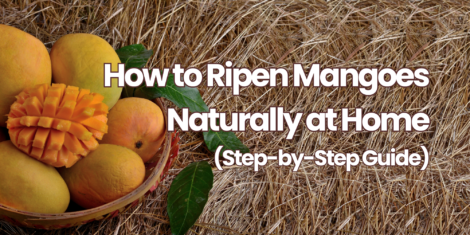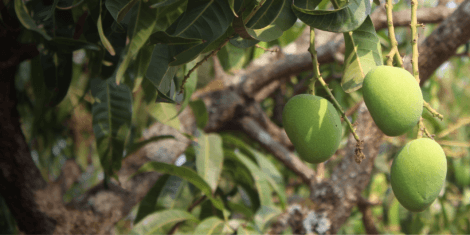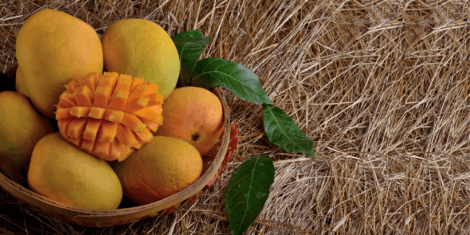
The Alphonso mango, locally called Hapus, holds a special place in India’s agricultural heritage. However, in recent seasons, a growing dispute over the Geographical Indication (GI) tag for “Hapus” has raised serious questions about origin, labeling, and authenticity.
This debate matters not only to farmers, but also to consumers and exporters who rely on trust and transparency when buying Alphonso mangoes.
A Geographical Indication (GI) tag protects products that come from a specific region and owe their quality to that location. In agriculture, GI tags help farmers protect their reputation and earn fair prices.
In 2018, India granted the GI tag for Alphonso mangoes to Ratnagiri and Devgad in Maharashtra through the Geographical Indications Registry of India.
As a result, only mangoes grown in these regions can legally be sold as Ratnagiri Alphonso or Devgad Alphonso.
This decision recognized that the true Alphonso mango gets its taste, aroma, and texture from:
Recently, growers from regions outside the Konkan belt have requested permission to use the name “Hapus” for their mangoes. They argue that similar Alphonso-type mangoes grow in their areas.
However, Konkan farmers strongly oppose this move. They clearly state that similar does not mean identical. According to them, mangoes grown outside Ratnagiri and Devgad lack the same flavor depth, aroma, and consistency.
Therefore, expanding the use of the “Hapus” name could weaken the meaning of the GI tag and confuse buyers.
For Ratnagiri and Devgad farmers, GI protection directly affects income and survival. Authentic Alphonso mangoes sell at a premium because buyers trust their origin.
If authorities allow wider use of the “Hapus” name, farmers fear:
As a result, many farmer groups have demanded stricter enforcement of GI rules.
For consumers, the dispute highlights a simple truth: not every mango sold as Alphonso is genuine.
Without clear origin labels, buyers may unknowingly purchase mangoes grown outside GI regions while paying premium prices. This problem affects:
Therefore, buyers should always check packaging details, origin mentions, and seller transparency before purchasing.
Although the GI tag exists, enforcement remains uneven. Many sellers still misuse the Alphonso name because penalties are weak and awareness is low.
To solve this, experts suggest:
Importantly, informed consumers play a key role in stopping misuse by choosing verified sellers.
The “Hapus” dispute reflects a larger issue in Indian agriculture. As Indian products gain global attention, origin-based branding becomes critical.
Strong GI protection:
On the other hand, weak protection turns premium products into ordinary commodities.
Until authorities clarify the dispute, buyers should:
By doing so, buyers help protect both quality and farmer livelihoods.
The GI tag dispute around the “Hapus” mango shows why origin matters more than ever. Ratnagiri and Devgad Alphonso mangoes earned their reputation through geography, climate, and generations of farming knowledge.
Protecting this identity ensures fairness for farmers and confidence for consumers. In a global market, authenticity is not optional—it is essential.