Mango Pulp vs Puree vs Concentrate
Shopping for mango ingredients can be confusing: labels often say pulp, puree, or concentrate. They all start with ripe mangoes, yet each behaves differently in your kitchen.

Shopping for mango ingredients can be confusing: labels often say pulp, puree, or concentrate. They all start with ripe mangoes, yet each behaves differently in your kitchen.

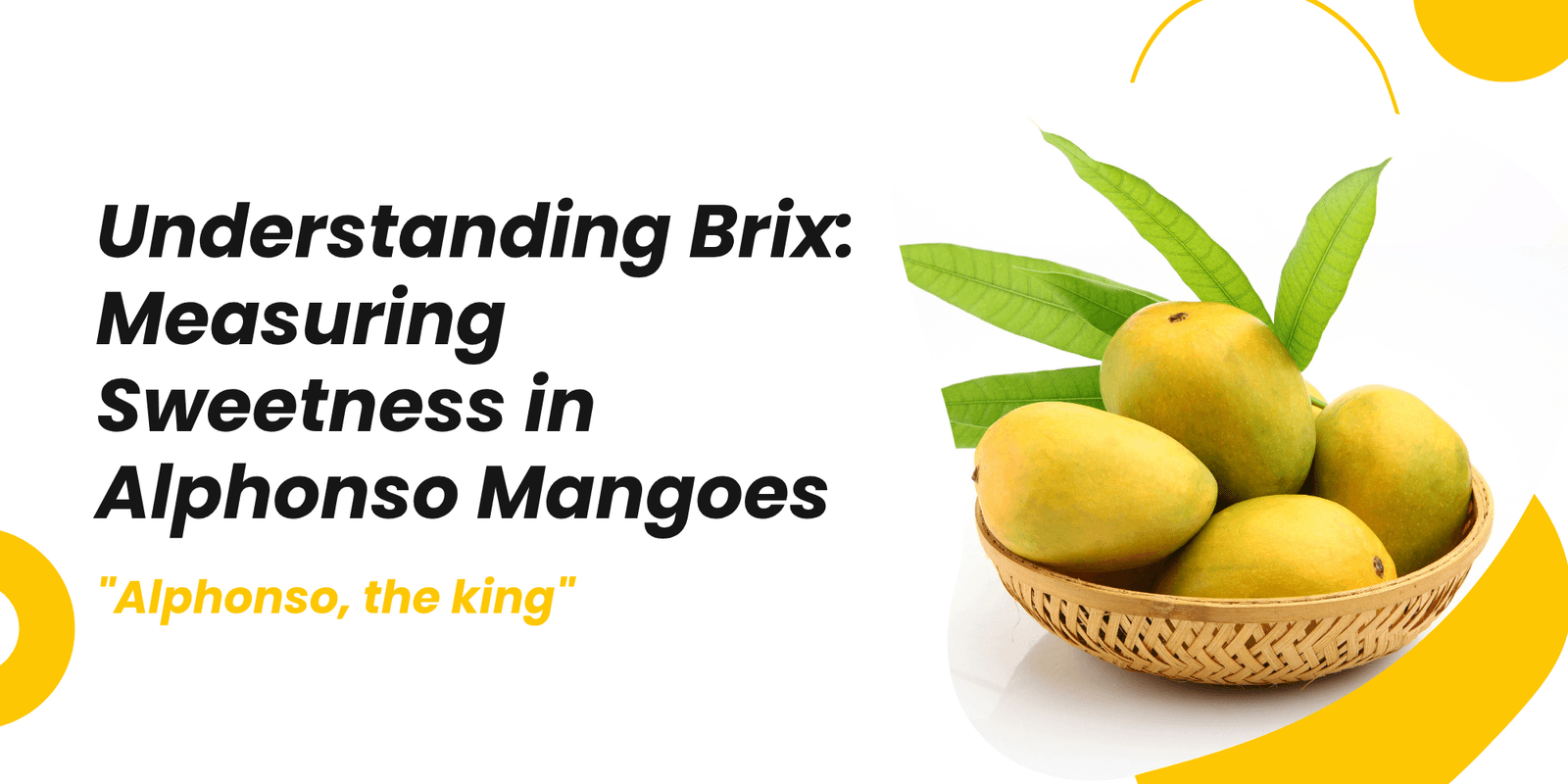
When you bite into a perfectly ripe Alphonso mango, one of the first sensations you notice is its sweetness. But have you ever wondered how farmers and quality experts actually

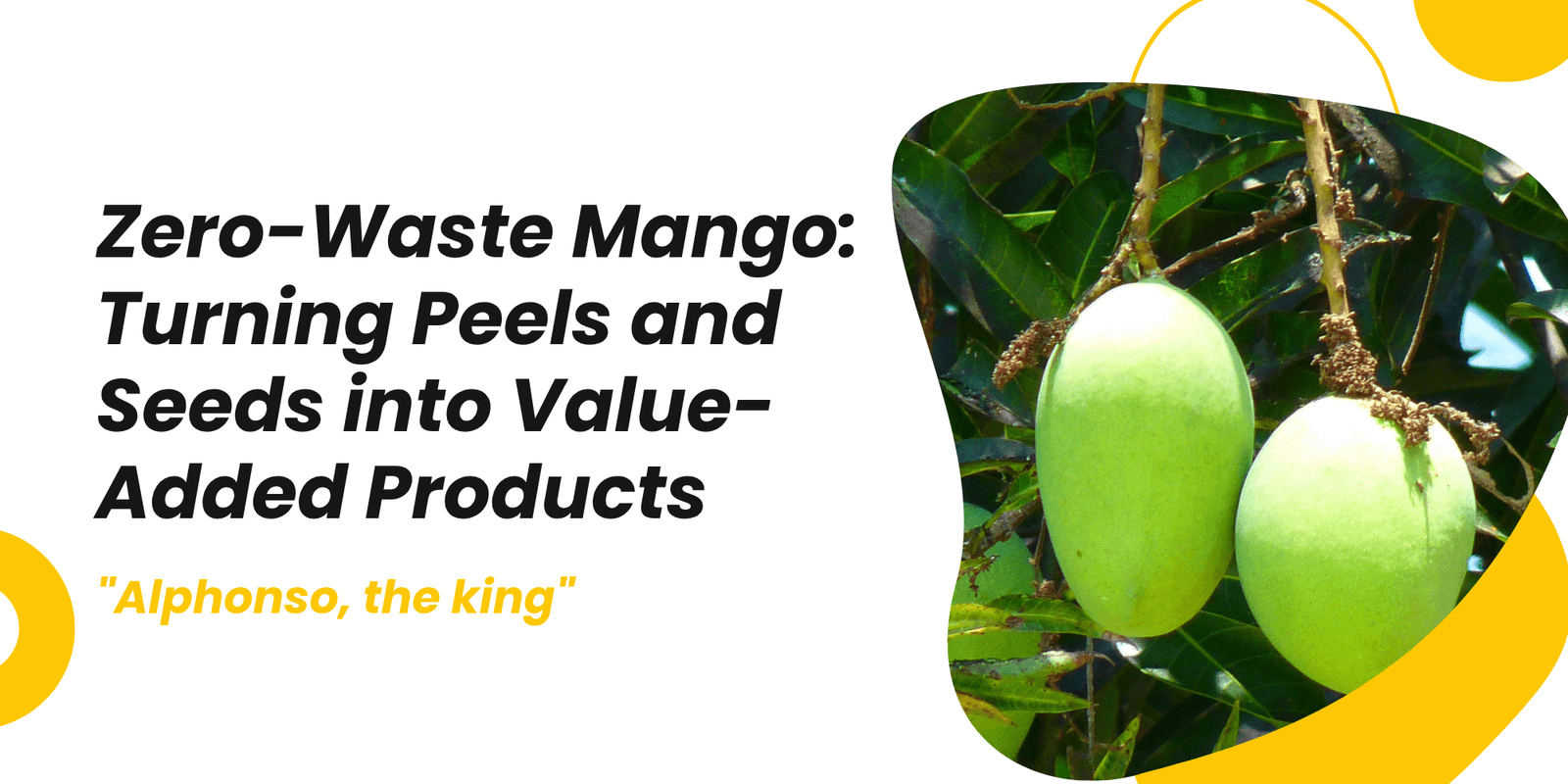
Every summer, millions of Alphonso mangoes reach households, restaurants, and processing factories. After the juicy pulp is enjoyed or canned, up to 40 percent of each fruit—mainly peel and seed—often

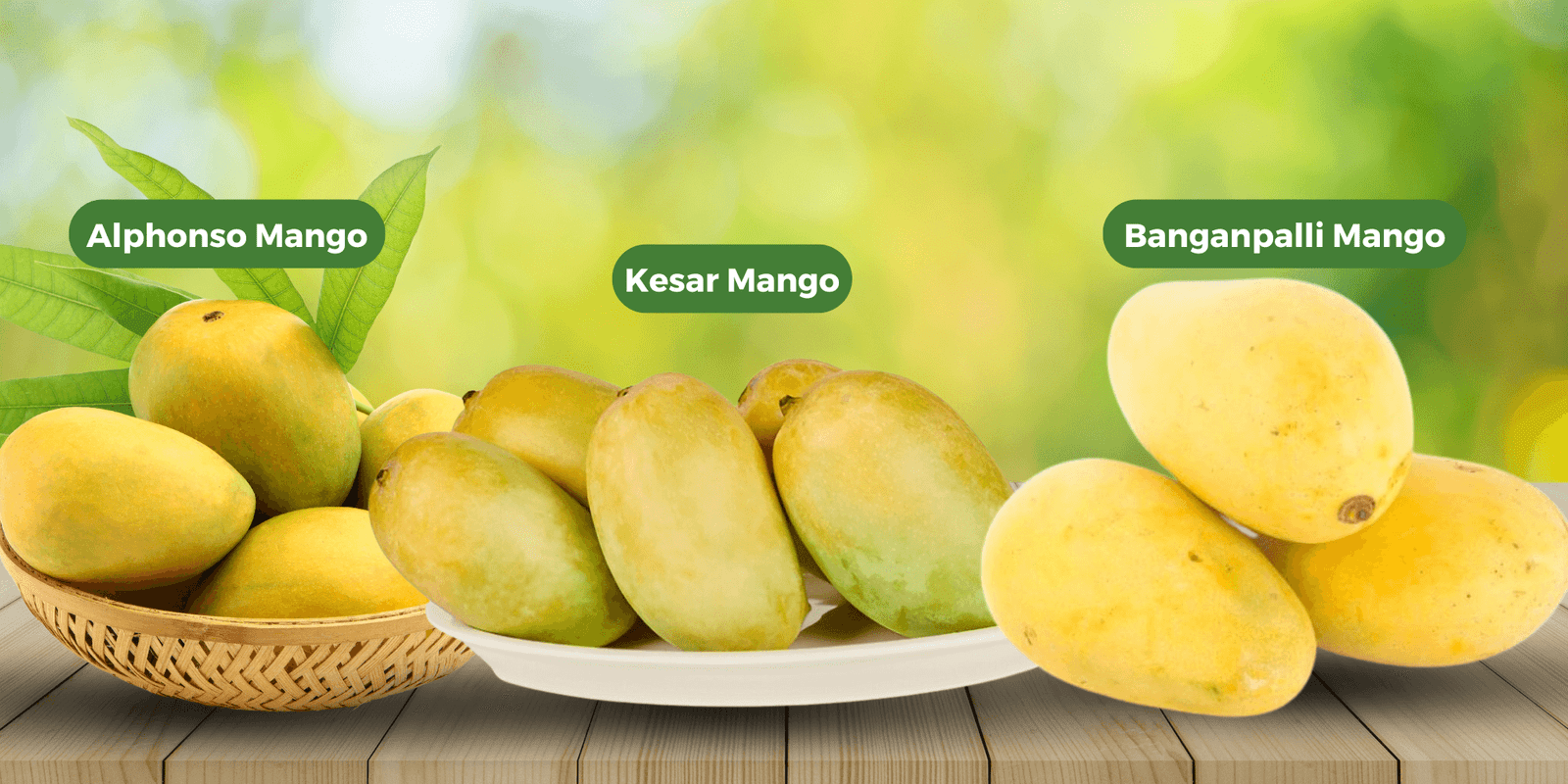
Mango lovers know that every variety brings something special to the table. Among India’s most popular types, Alphonso, Kesar, and Banganapalli stand out for their unique flavors, aromas, and textures.

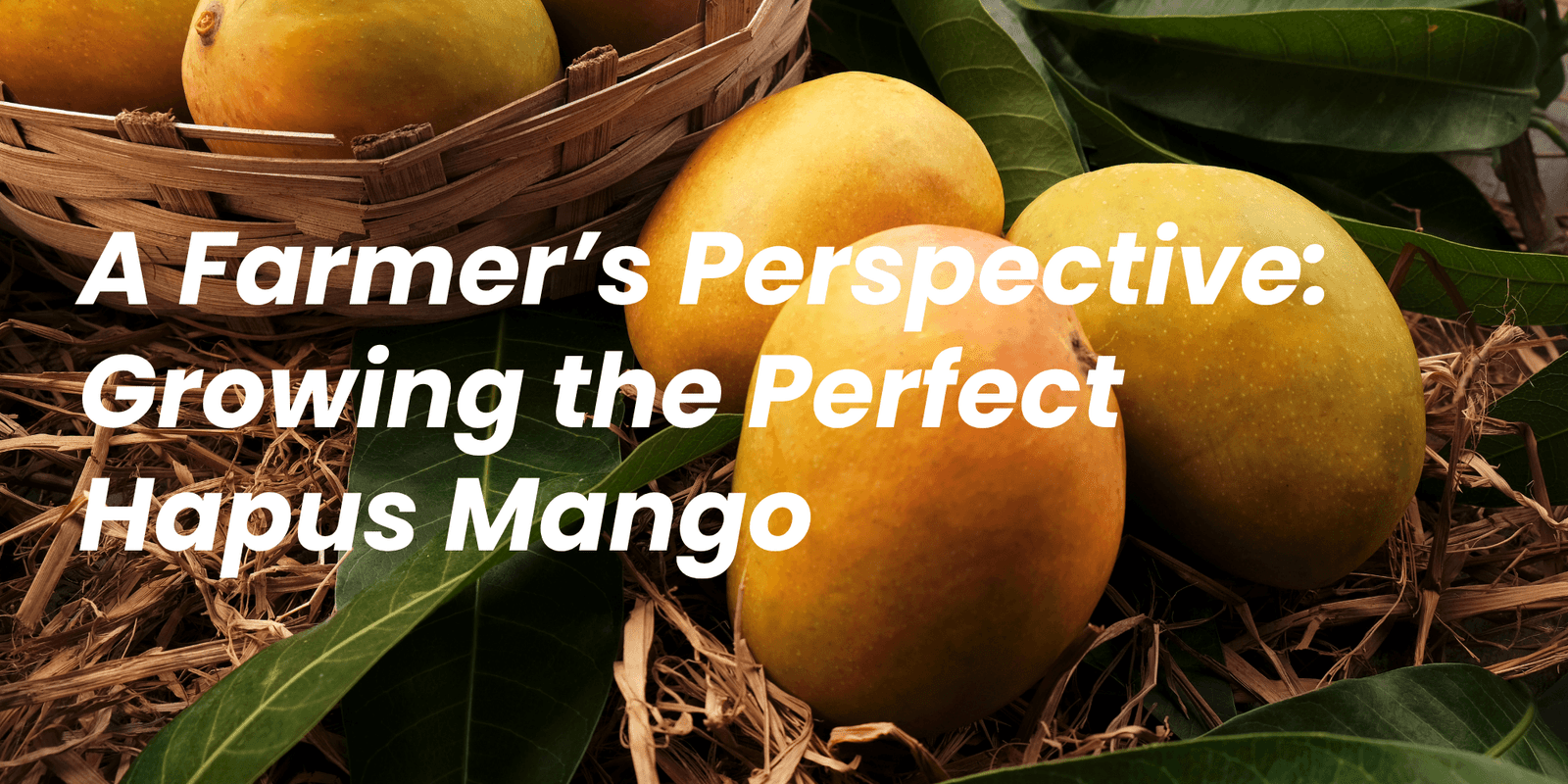
When you bite into a sweet, golden slice of Hapus mango, you taste not just fruit but the hard work of generations. For many farmers in the Konkan belt, especially

Alphonso mangoes—popularly known as Hapus—have long ruled the hearts (and taste buds) of fruit lovers in India and around the world. Their rich aroma, creamy texture, and unmatched sweetness have

The Alphonso mango—popularly known as Hapus—is considered the king of mangoes for good reason. Its sweet aroma, rich flavor, and buttery texture make it a summer favorite across India and

The Alphonso mango—fondly known as “Hapus”—is more than just a fruit. For the people of Ratnagiri and Devgad, it represents heritage, pride, and generations of hard work.

Mangoes are loved around the world for their sweet, juicy flavor. While many of us enjoy the more common varieties, there are a few rare and premium mangoes that come


Showing 16–20 of 22 results