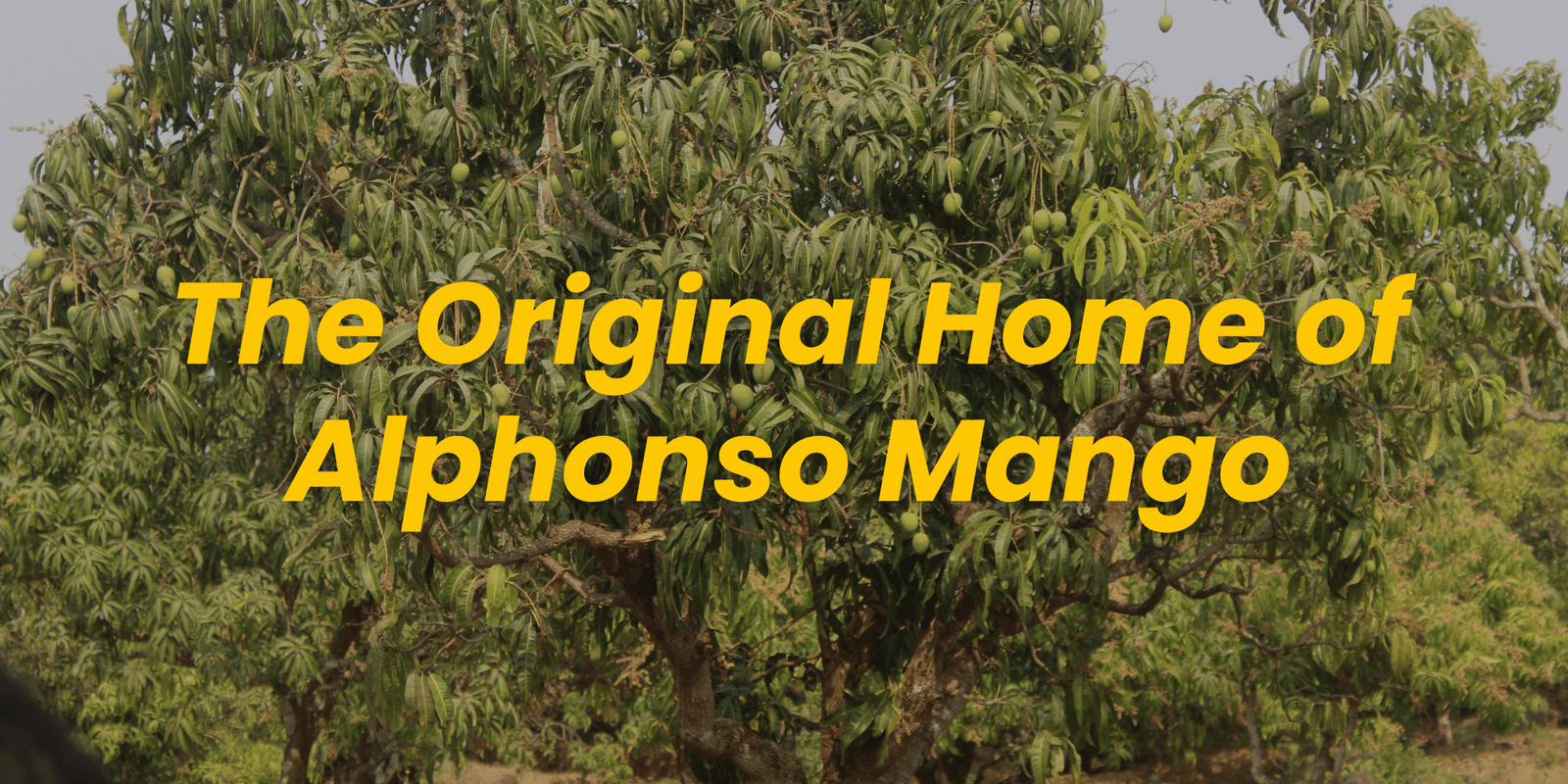
The Original Home of Alphonso Mango
Alphonso mangoes (locally called Hapus) are primarily grown in Ratnagiri, Devgad, Sindhudurg, and Raigad districts of Maharashtra’s Konkan region.

Alphonso mangoes (locally called Hapus) are primarily grown in Ratnagiri, Devgad, Sindhudurg, and Raigad districts of Maharashtra’s Konkan region.

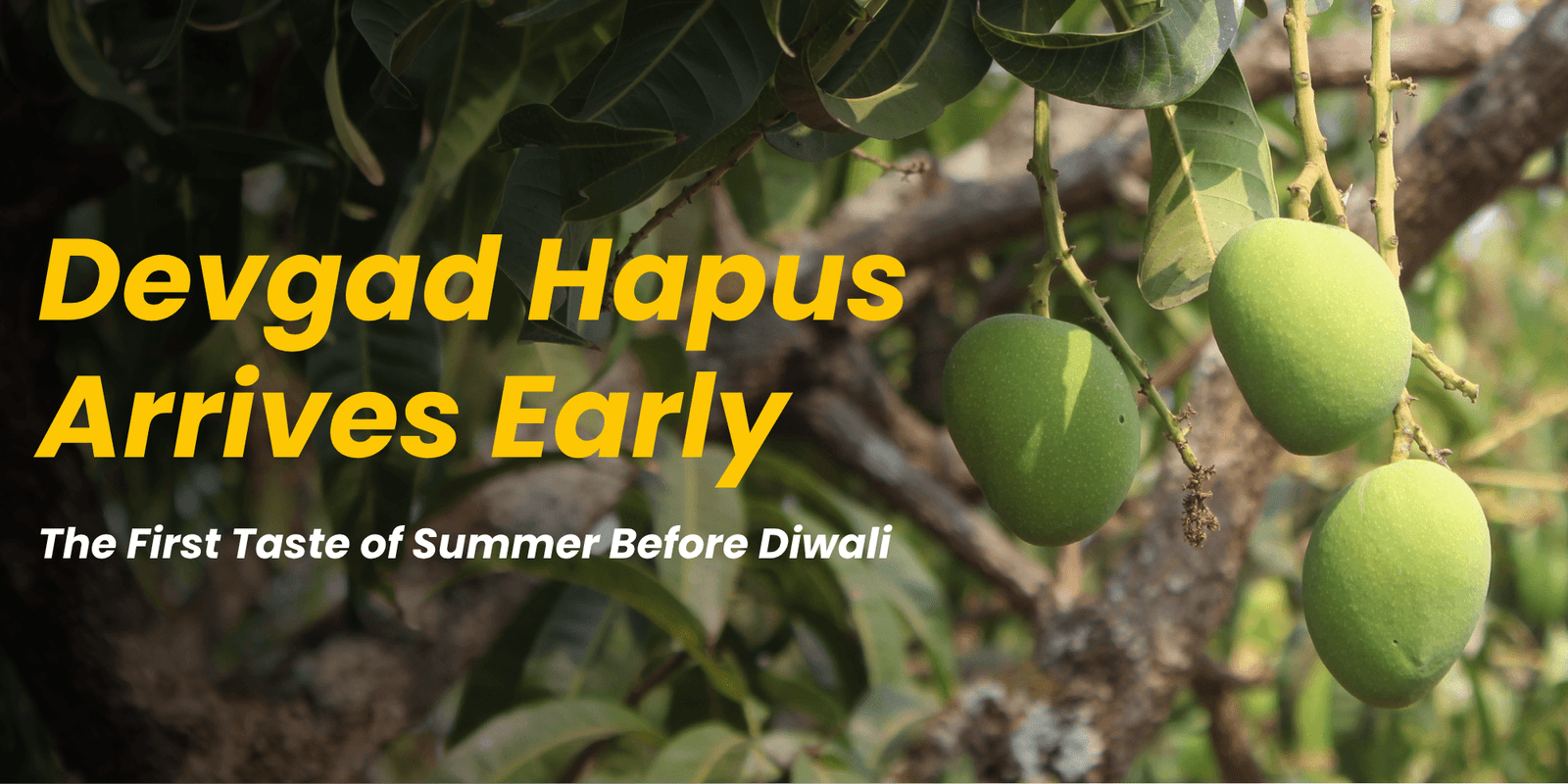
Every year, the golden glow of Devgad and Ratnagiri Hapus lights up the Indian summer. But this year, that sunshine arrived early — before Diwali.

When you think of Ratnagiri Hapus — the King of Mangoes — you probably imagine the golden fruits of April and May. But few people realize that the story of

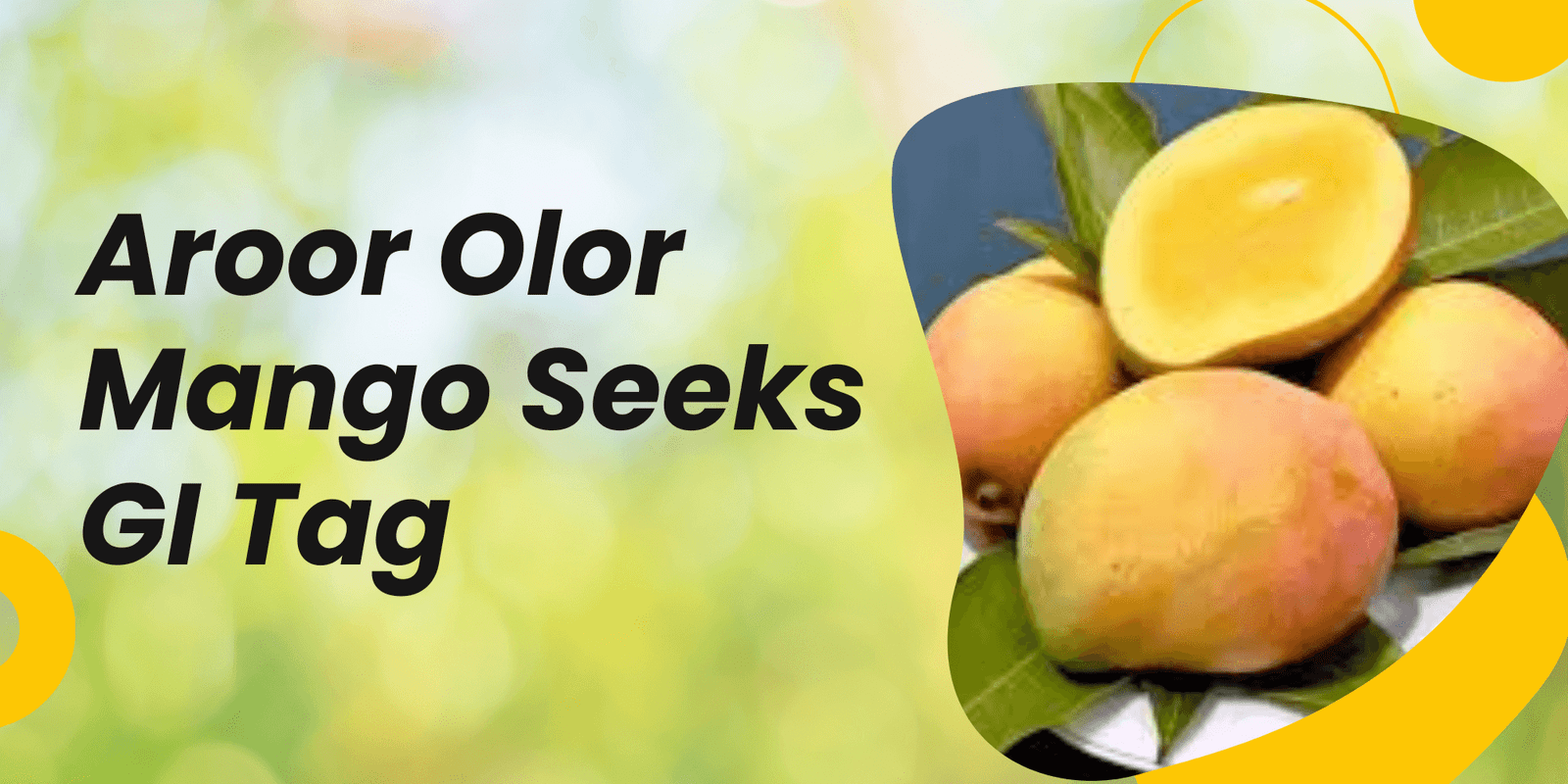
India’s love affair with mangoes has always been deep and poetic. But beyond taste and nostalgia lies something more official — the Geographical Indication (GI) tag, a legal recognition that

Every mango season, thousands of boxes of India’s beloved Alphonso mangoes leave ports like Mumbai and Nhava Sheva, destined for customers in the U.S., U.K., Europe, and the Middle East.

Quick takeaway Mango blossom honey comes from nectar collected mainly from mango flowers. It tastes tropical and floral with a gentle saffron-like note, pairs brilliantly with desserts, and often carries

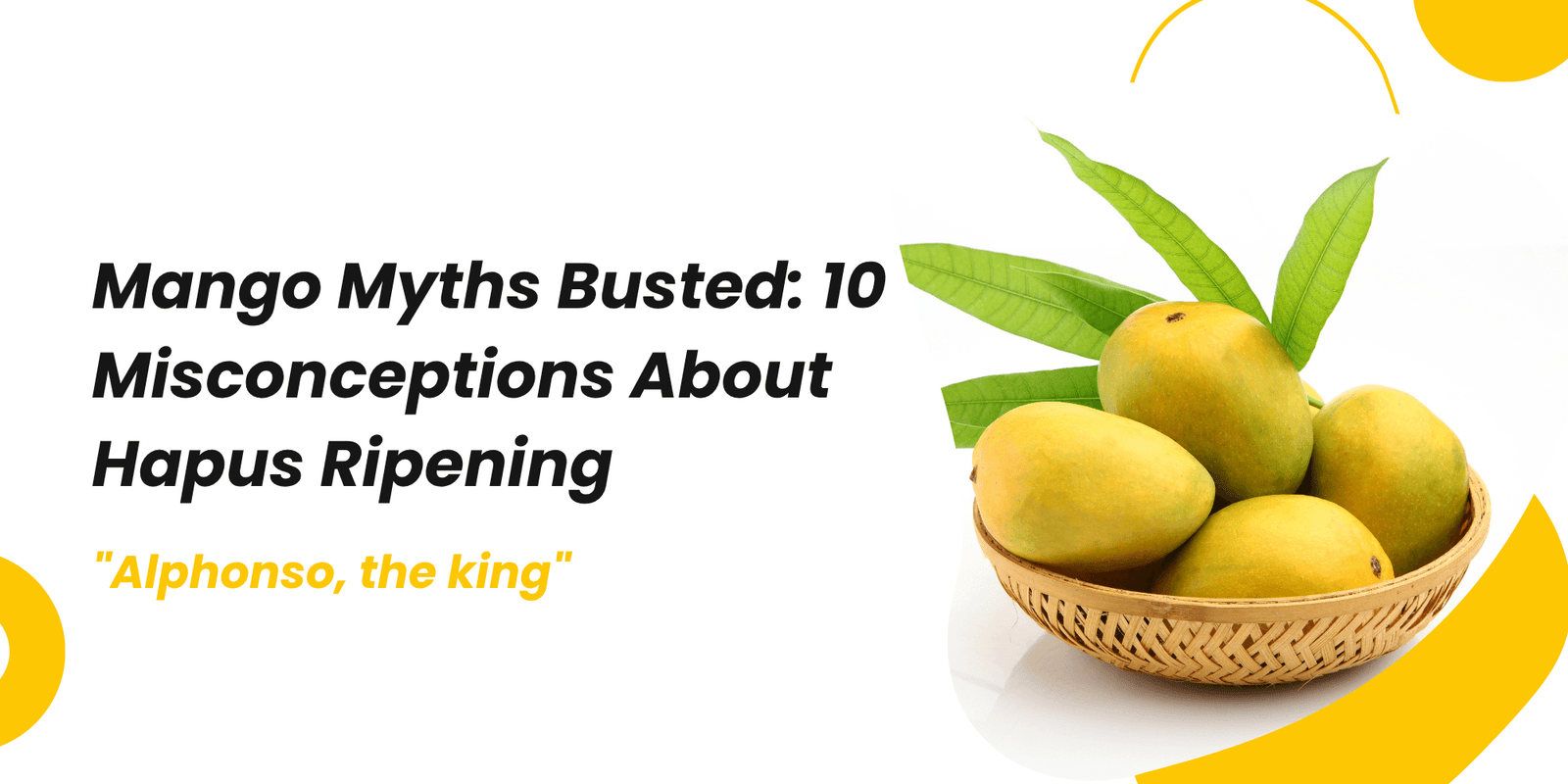
Stop ruining Alphonso mangoes with bad advice. Learn the right, safe way to ripen Hapus at home and enjoy peak flavour every time. Mango Myths Busted

Few fruits inspire as many legends as the Alphonso mango of Maharashtra’s Konkan coast. Long before modern grading stations and GI tags, stories about Hapus traveled by word of mouth

Alphonso mangoes are grown in various parts of India, but Ratnagiri and Sindhudurg districts in Maharashtra produce the finest quality and Ratnagiri and Sindhudurg Alphonso mangoes are GI-certified. The difference

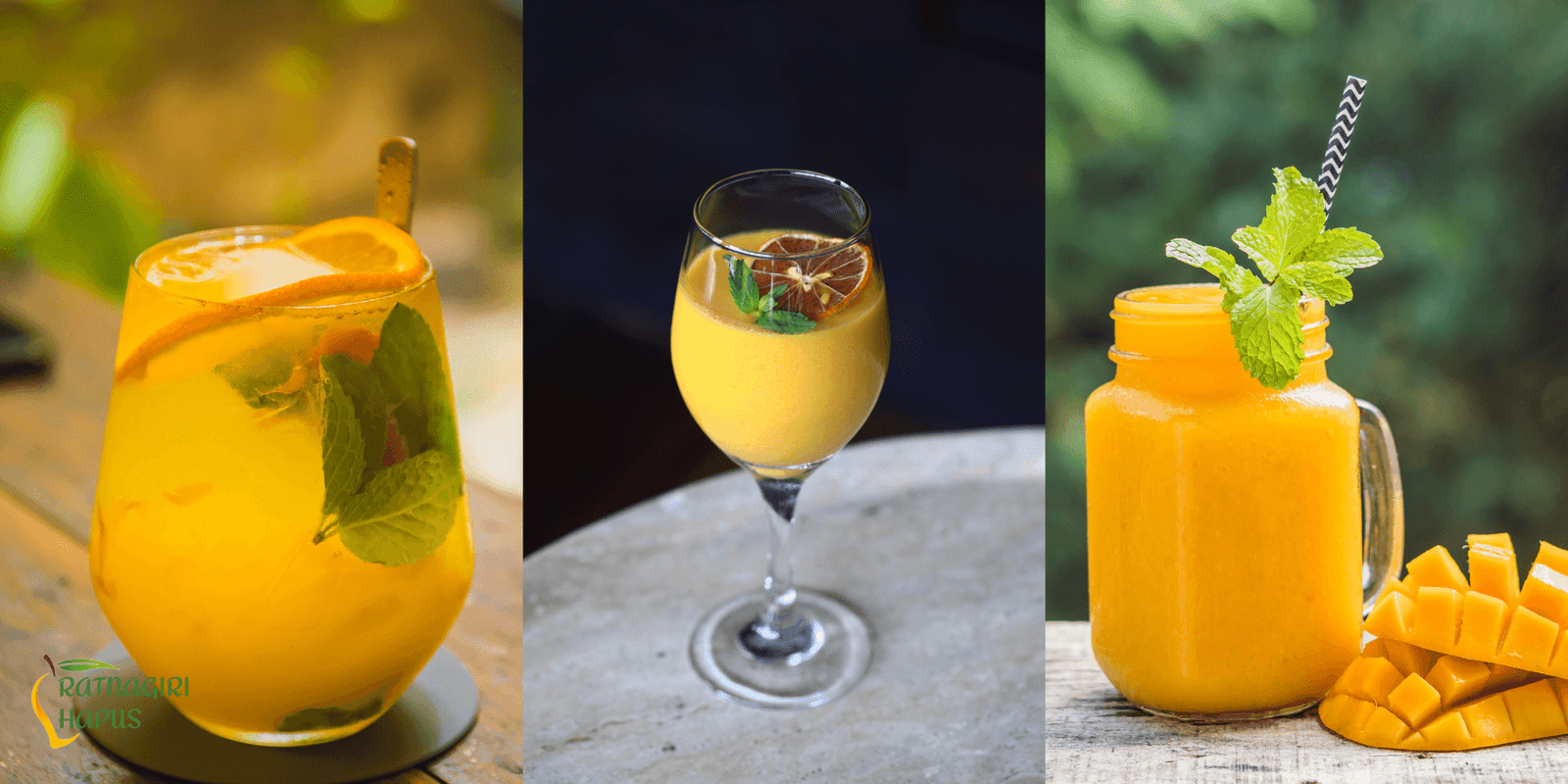
Alphonso mangoes already top every fruit lover’s list, but the new wave of health‑conscious millennials wants flavor without the sugar crash. Enter low‑sugar mango mocktails—fresh, bright, and packed with the

Alphonso mangoes already enjoy cult status as the king of fruit. Now a new twist—freeze‑dried Alphonso—promises to carry that royal flavor into lunch boxes, office desks, and gym bags all

Shopping for mango ingredients can be confusing: labels often say pulp, puree, or concentrate. They all start with ripe mangoes, yet each behaves differently in your kitchen.

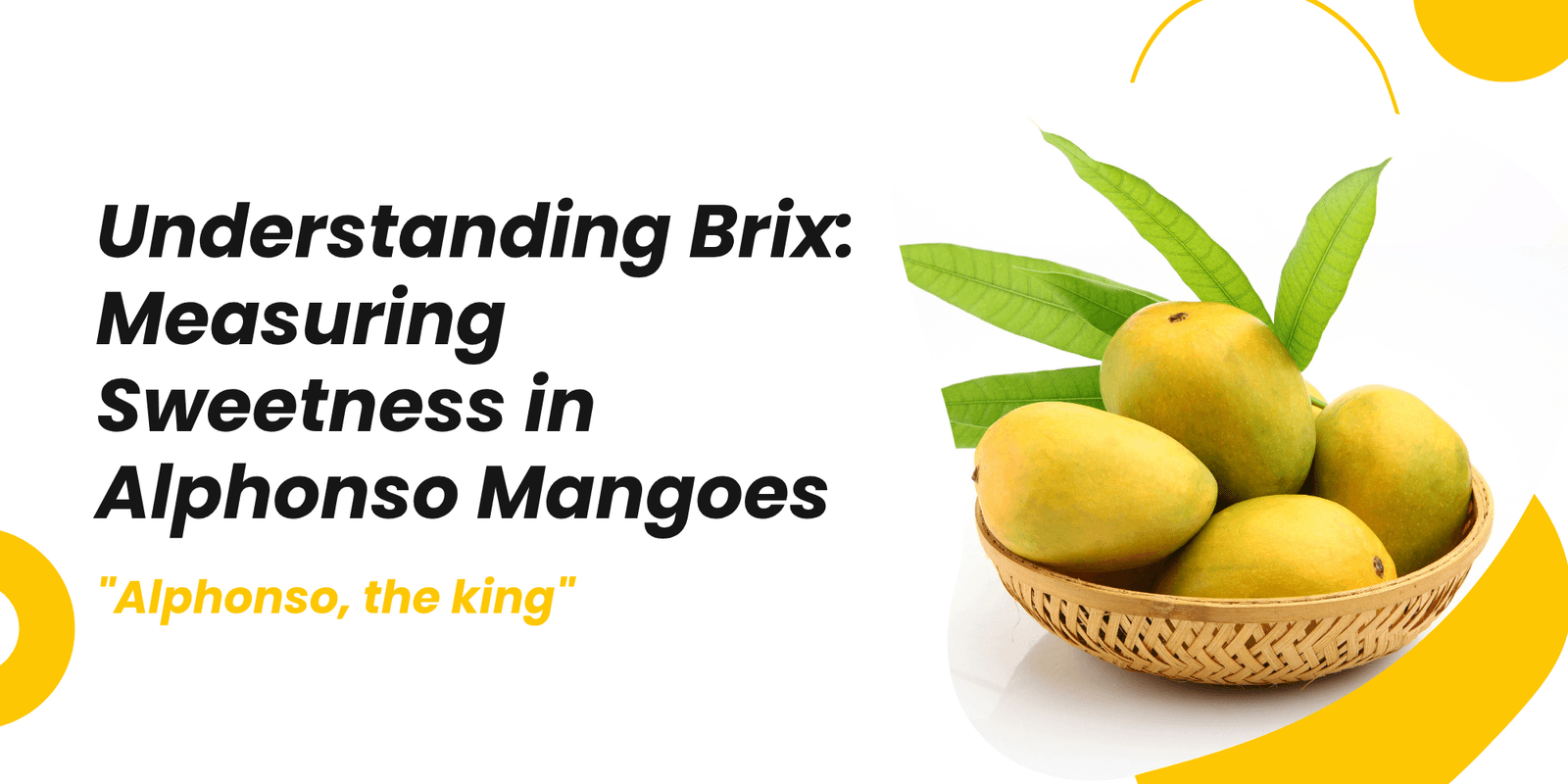
When you bite into a perfectly ripe Alphonso mango, one of the first sensations you notice is its sweetness. But have you ever wondered how farmers and quality experts actually

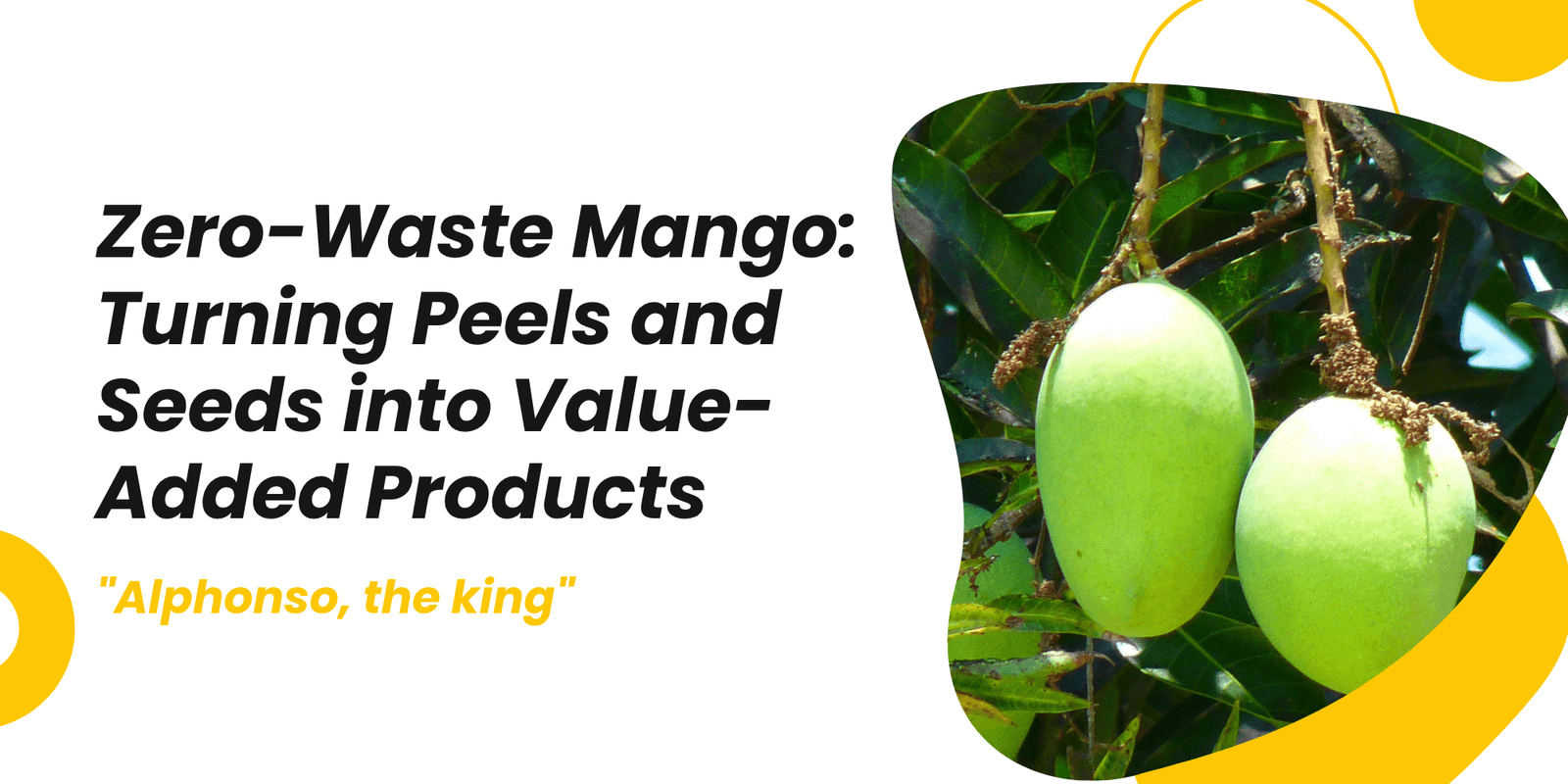
Every summer, millions of Alphonso mangoes reach households, restaurants, and processing factories. After the juicy pulp is enjoyed or canned, up to 40 percent of each fruit—mainly peel and seed—often

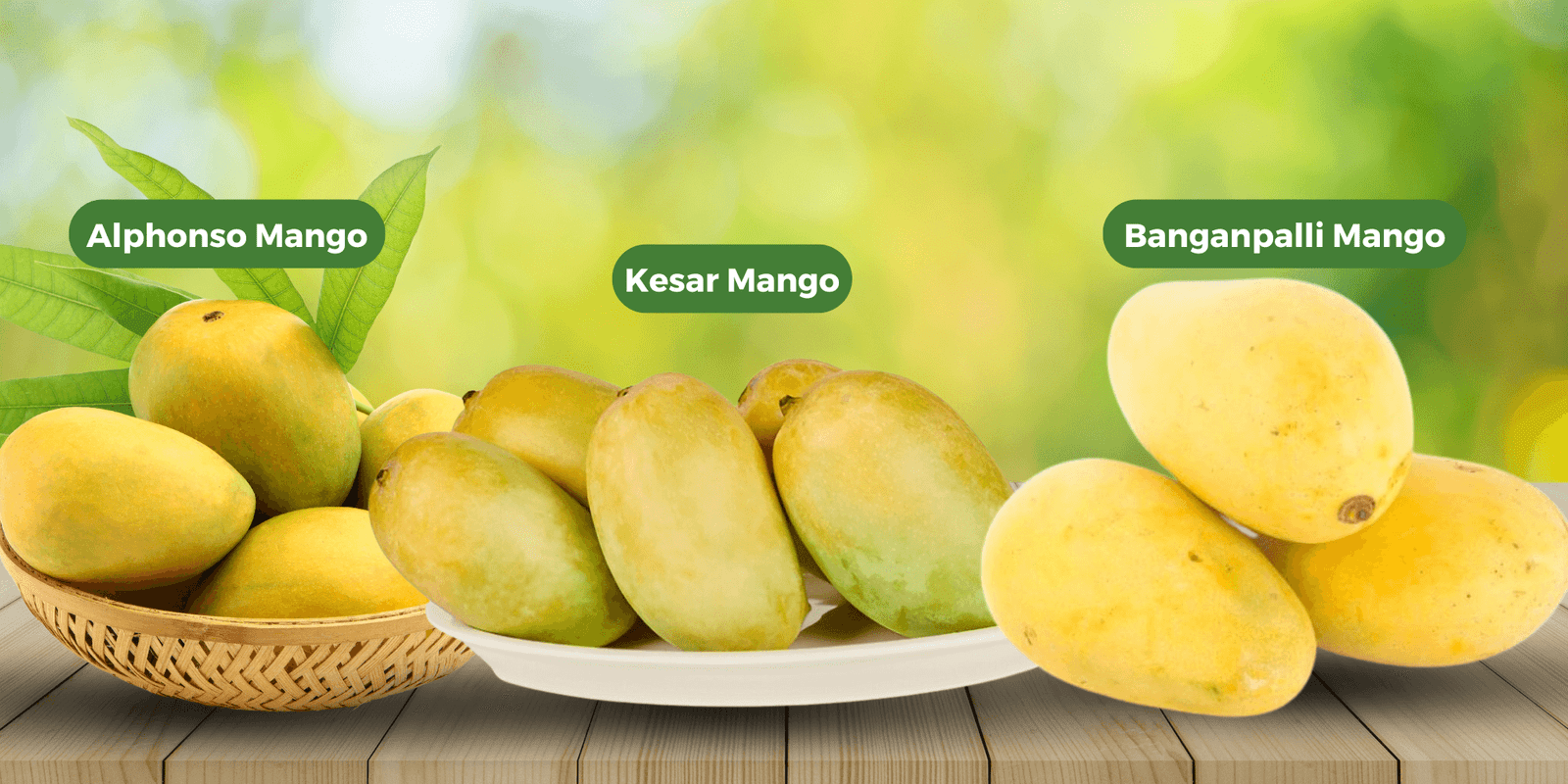
Mango lovers know that every variety brings something special to the table. Among India’s most popular types, Alphonso, Kesar, and Banganapalli stand out for their unique flavors, aromas, and textures.

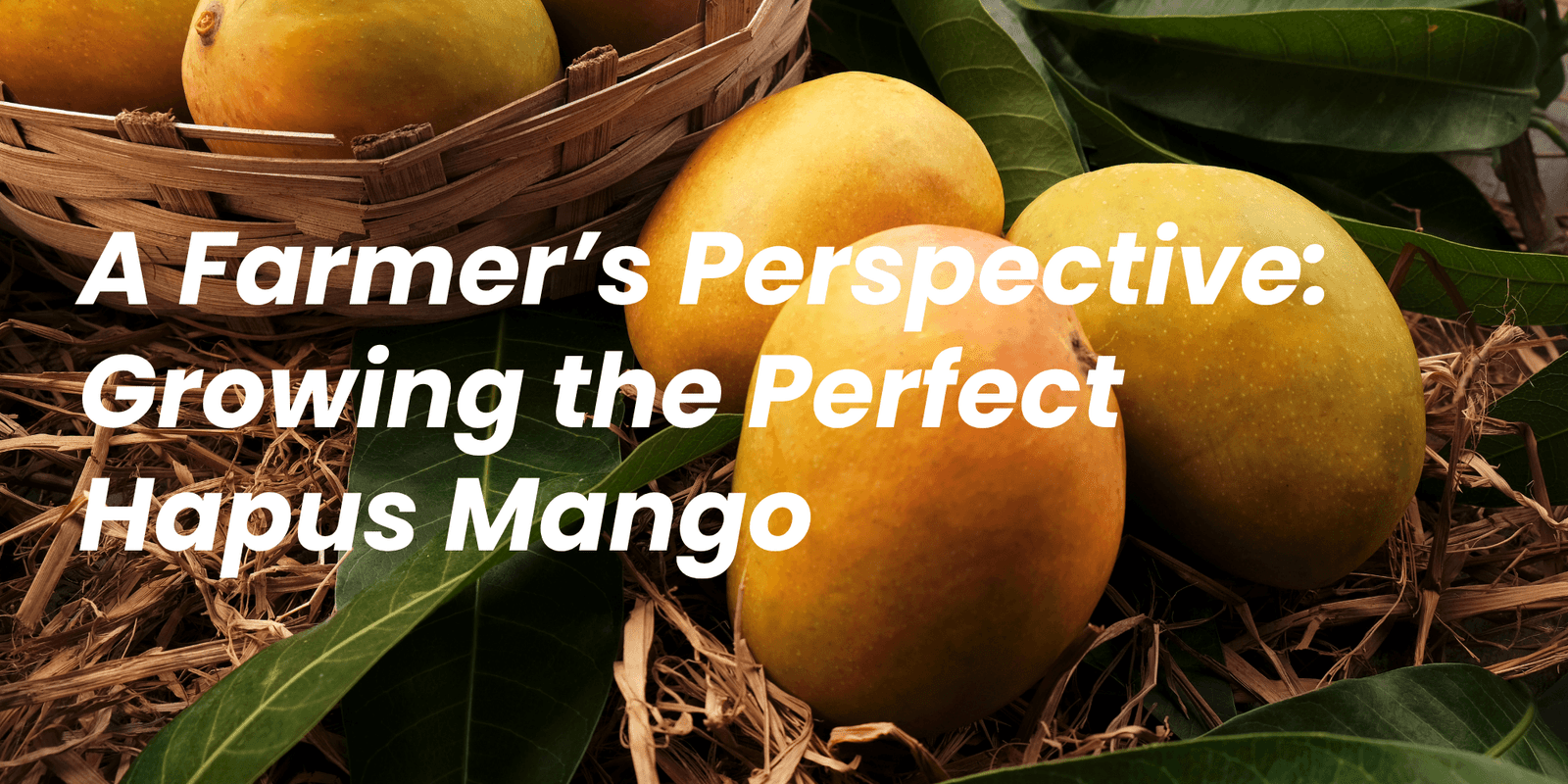
When you bite into a sweet, golden slice of Hapus mango, you taste not just fruit but the hard work of generations. For many farmers in the Konkan belt, especially

Alphonso mangoes—popularly known as Hapus—have long ruled the hearts (and taste buds) of fruit lovers in India and around the world. Their rich aroma, creamy texture, and unmatched sweetness have

The Alphonso mango—popularly known as Hapus—is considered the king of mangoes for good reason. Its sweet aroma, rich flavor, and buttery texture make it a summer favorite across India and

The Alphonso mango—fondly known as “Hapus”—is more than just a fruit. For the people of Ratnagiri and Devgad, it represents heritage, pride, and generations of hard work.

Mangoes are loved around the world for their sweet, juicy flavor. While many of us enjoy the more common varieties, there are a few rare and premium mangoes that come

As mango season picks up in India, many travelers want to carry the “King of Fruits” — especially the prized Alphonso mango — to their loved ones abroad. But a