Posted on Leave a comment

How to Choose the Best Alphonso Mango Pulp Manufacturer in India
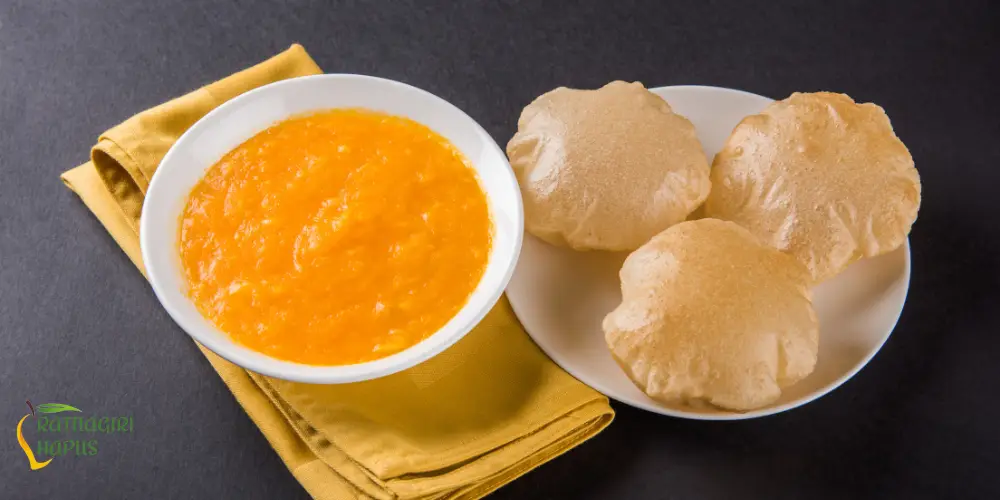
Alphonso Mango Aamras

India is the world’s largest producer of mangoes, and Alphonso mangoes are recognized globally for their rich aroma, vibrant golden color, smooth texture, and naturally sweet taste. These premium characteristics have made Alphonso Mango Pulp one of the most demanded ingredients in the food and beverage industry across the Middle East, Europe, North America, and Asia.

Whether you manufacture beverages, dairy products, desserts, ice cream, bakery items, baby food, or confectionery, selecting the right Alphonso Mango Pulp Manufacturer in India directly impacts product quality, consistency, and long-term business success.

This guide explains everything international buyers should evaluate before selecting a supplier.

Why Choosing the Right Manufacturer Matters

Many buyers compare suppliers only on price.

However, the lowest price often results in:

  • Inconsistent taste
  • Poor colour
  • High microbial count
  • Delayed shipments
  • Packaging failures
  • Export documentation issues

A professional manufacturer delivers consistent quality every season while complying with international food safety standards.

1. Source of Mangoes

The quality of mango pulp begins with the fruit.

Premium manufacturers source Alphonso mangoes directly from growing regions in Maharashtra.

Look for manufacturers sourcing from:

  • Ratnagiri
  • Devgad
  • Sindhudurg

These coastal regions produce mangoes with exceptional sweetness and aroma because of laterite soil and the Konkan climate.

2. Modern Processing Facility

A reliable manufacturer should operate a hygienic processing plant equipped with:

  • Automatic washing line
  • Sorting system
  • Destoning machine
  • Pulper
  • Pasteurization system
  • Sterile filling line
  • Quality laboratory
  • Cold storage

Modern processing preserves natural flavour and colour while extending shelf life.

3. Food Safety Certifications

International buyers should always verify certifications.

Look for:

  • FSSAI
  • HACCP
  • ISO 22000
  • GMP
  • BRC (if applicable)
  • Halal Certification
  • APEDA Registration

These certifications increase buyer confidence and simplify imports into GCC countries.

4. Export Experience

Exporting mango pulp requires much more than manufacturing.

Choose a supplier experienced in exporting to:

  • UAE
  • Saudi Arabia
  • Qatar
  • Oman
  • Kuwait
  • Bahrain
  • Europe
  • USA
  • Canada

Experienced exporters understand documentation requirements including:

  • Certificate of Origin
  • Phytosanitary Certificate (where applicable)
  • Health Certificate
  • Commercial Invoice
  • Packing List
  • Bill of Lading

5. Product Consistency

Food manufacturers require consistent pulp throughout the year.

Ask suppliers about:

  • Brix level
  • Acidity
  • Colour consistency
  • Aroma retention
  • Pulp texture
  • Batch testing

Consistency ensures uniform taste in finished products.

6. Packaging Options

A professional manufacturer offers multiple packaging options.

Common packaging includes:

  • 850 g Tin
  • 3.1 kg Tin
  • 5 kg Bag
  • Aseptic Bag
  • Aseptic Drum
  • Bulk Industrial Packaging

Choose packaging based on your production volume.

7. Private Label & OEM Services

Many importers prefer selling under their own brand.

Choose a manufacturer offering:

  • Private Label
  • OEM Manufacturing
  • Custom Labels
  • Export Packaging
  • Barcode Printing
  • Carton Customization

This allows you to build your own brand while sourcing premium Indian mango pulp.

8. Production Capacity

Large buyers should evaluate:

  • Daily production capacity
  • Seasonal processing capacity
  • Storage capacity
  • Inventory management
  • Lead time

Manufacturers with scalable production are better equipped to handle repeat export orders.

9. Quality Control

Every batch should undergo laboratory testing.

Quality checks typically include:

  • Brix
  • pH
  • Acidity
  • Microbiological Analysis
  • Heavy Metals
  • Pesticide Residues

Testing ensures compliance with importing country regulations.

10. Customer Support

The best manufacturers provide complete export support, including:

  • Technical specifications
  • Product samples
  • Documentation
  • Logistics coordination
  • Shipment tracking
  • After-sales support

Strong communication is essential for long-term business relationships.

Industries Using Alphonso Mango Pulp

Premium Alphonso pulp is widely used in:

  • Juice Manufacturing
  • Ice Cream
  • Yogurt
  • Bakery
  • Confectionery
  • Smoothies
  • Milkshakes
  • Baby Food
  • Sauces
  • Ready-to-Drink Beverages
  • Desserts

Why GCC Buyers Prefer Indian Alphonso Mango Pulp

Countries across the Gulf import large quantities of Indian Alphonso mango pulp because of its:

  • Rich aroma
  • Naturally sweet taste
  • Bright golden colour
  • Smooth texture
  • Reliable supply
  • Competitive pricing

It is widely used by food manufacturers, hotels, restaurants, cafés, juice companies, and dessert brands throughout the Middle East.

Questions to Ask Before Placing an Order

Before finalizing a supplier, ask:

  • Where are your mangoes sourced?
  • What certifications do you hold?
  • Can you export to my country?
  • What packaging options are available?
  • What is the minimum order quantity?
  • Can I receive samples?
  • What is the production lead time?
  • What quality tests do you perform?

Why Choose DWBL Consumer Products Private Limited?

DWBL Consumer Products Private Limited specializes in premium Alphonso mango products sourced from Maharashtra’s renowned mango-growing regions.

We offer:

  • Premium Alphonso Mango Pulp
  • Bulk Supply
  • Export Packaging
  • Private Label Manufacturing
  • OEM Services
  • Consistent Quality
  • Timely Global Shipments

Our goal is to provide food manufacturers, distributors, importers, and wholesalers with authentic Indian Alphonso mango pulp that meets international quality standards.

Frequently Asked Questions

Is Alphonso Mango Pulp available throughout the year?

Yes. Properly processed and packaged pulp is available year-round.

What is the shelf life?

Typically up to 24 months in unopened tins under recommended storage conditions.

Which countries import Alphonso Mango Pulp from India?

The UAE, Saudi Arabia, Qatar, Oman, Kuwait, Bahrain, the United States, Canada, the United Kingdom, Australia, and many European countries are among the regular import markets.

Can I order private-label Alphonso Mango Pulp?

Yes. Many manufacturers provide private-label and OEM solutions for bulk buyers.

What is the minimum order quantity?

The MOQ depends on the packaging format and export destination.

Conclusion

Choosing the right Alphonso Mango Pulp Manufacturer in India is about much more than finding the lowest price. A dependable manufacturing partner offers premium fruit sourcing, advanced processing, internationally recognized certifications, consistent quality, export expertise, and responsive customer support. By evaluating these factors carefully, importers and food manufacturers can secure a reliable supply of authentic Alphonso mango pulp that enhances their products and strengthens long-term business growth.

Posted on Leave a comment

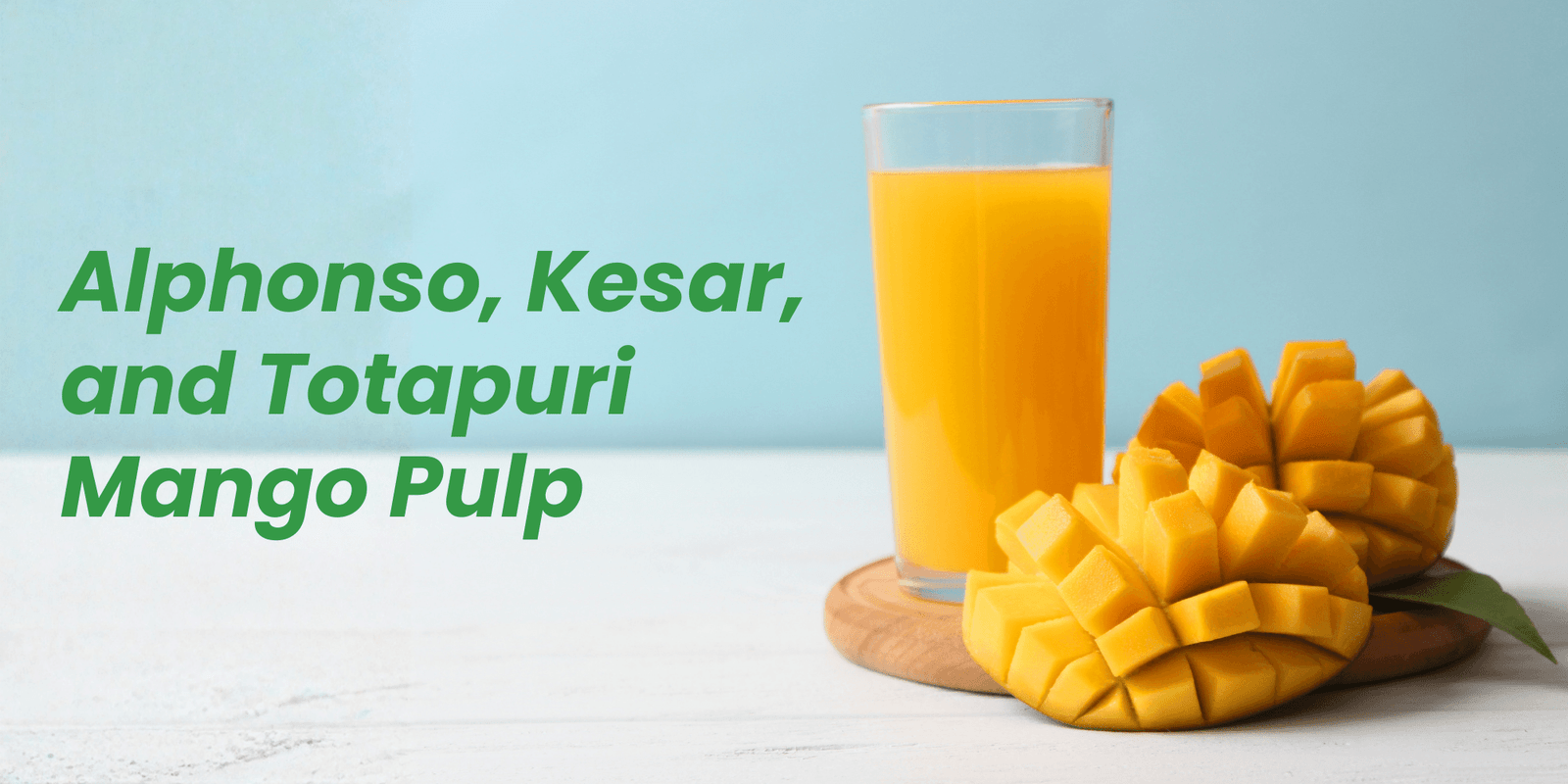
Ratnagiri Alphonso, Kesar, and Totapuri Mango Pulp

Alphonso, Kesar, and Totapuri Mango Pulp

Mango pulp is one of India’s most important fruit-based products, widely used in beverages, dairy products, desserts, bakery items, and export food processing. Among the many mango varieties grown in India, Alphonso, Kesar, and Totapuri dominate the mango pulp industry due to their distinct flavor profiles, processing suitability, and market demand.

This blog explains the key differences between Alphonso, Kesar, and Totapuri mango pulp, their ideal applications, and how to choose the right pulp based on quality, cost, and end use.

Alphonso Mango Pulp

Alphonso mango pulp represents the premium segment of mango processing. It is produced from Alphonso mangoes grown mainly in the Konkan region of Maharashtra, particularly Ratnagiri and Devgad. Known for its superior aroma and smooth texture, Alphonso pulp is preferred where product quality is a priority.

Characteristics of Alphonso Mango Pulp

  • Color: Natural golden yellow
  • Texture: Extremely smooth and non-fibrous
  • Taste: Rich, well-balanced sweetness with mild acidity
  • Aroma: Strong, natural, and distinctive

Best Uses of Alphonso Mango Pulp

  • Premium ice creams and gelato
  • High-end desserts and confectionery
  • Bakery fillings and toppings
  • Baby food and health-focused products
  • Export-grade beverages

Why Alphonso Pulp Is Premium

Alphonso mangoes have limited cultivation areas, lower yield per tree, and strong export demand. Combined with careful hand harvesting and natural ripening, this makes Alphonso pulp costlier but unmatched in flavor and aroma.

Kesar Mango Pulp

Kesar mango pulp is widely used in commercial food production because of its intense sweetness and attractive color. Kesar mangoes are mainly cultivated in Gujarat, particularly in the Junagadh and Talala regions.

Characteristics of Kesar Mango Pulp

  • Color: Bright orange
  • Texture: Smooth with very fine fiber
  • Taste: High natural sweetness
  • Aroma: Mild and pleasant

Best Uses of Kesar Mango Pulp

  • Mango beverages and milkshakes
  • Ice creams, kulfi, and frozen desserts
  • Yogurt and flavored dairy products
  • Bakery creams and fillings
  • Large-scale food processing

Why Kesar Pulp Is Popular

Kesar mango pulp offers higher sweetness and better pulp recovery than Alphonso, making it more cost-effective for bulk use while still delivering good taste and color consistency.

Totapuri Mango Pulp

Totapuri mango pulp is the most commonly used pulp in industrial and export processing. Totapuri mangoes are grown extensively in South India, including Karnataka, Andhra Pradesh, and Tamil Nadu.

Characteristics of Totapuri Mango Pulp

  • Color: Light yellow
  • Texture: Thick with slight fiber
  • Taste: Mild, tangy, low sweetness
  • Aroma: Neutral

Best Uses of Totapuri Mango Pulp

  • Mango nectar and juice blends
  • Sauces, ketchups, and chutneys
  • Dairy blends with added sugar
  • Bakery and confectionery bases
  • Export pulp for further processing

Why Totapuri Dominates Industrial Use

Totapuri mangoes offer high pulp yield, stable pricing, and consistent supply, making them ideal for large-volume production where sweetness and flavor are adjusted during formulation.

Alphonso vs Kesar vs Totapuri Mango Pulp

ParameterAlphonsoKesarTotapuri
SweetnessMedium to highHighLow
AromaVery strongModerateMild
TextureUltra smoothSmoothSlightly fibrous
ColorGolden yellowBright orangePale yellow
CostHighestMediumLowest
Best ForPremium productsCommercial sweetsIndustrial processing

How to Choose the Right Mango Pulp

Choose Alphonso mango pulp if:

  • Your product targets premium customers
  • Aroma and authentic mango flavor are critical
  • You need export-quality pulp

Choose Kesar mango pulp if:

  • High sweetness and bright color are required
  • You produce beverages or desserts at scale
  • Cost-to-quality balance is important

Choose Totapuri mango pulp if:

  • You need bulk quantities
  • Sugar or flavors are added during processing
  • Cost efficiency and consistency matter most

Quality Checks Before Buying Mango Pulp

Regardless of the mango variety, always check:

  • Brix value (sweetness level)
  • Natural color (no artificial coloring)
  • Absence of synthetic flavors
  • Aseptic or properly canned packaging
  • Batch traceability and food safety certifications

Conclusion

Alphonso, Kesar, and Totapuri mango pulps each serve a distinct role in the food processing industry. Alphonso pulp leads in aroma and premium appeal, Kesar pulp balances sweetness and commercial viability, and Totapuri pulp supports large-scale industrial applications.

Understanding these differences ensures the right choice for taste, cost efficiency, and product consistency.

At Ratnagiri Hapus Store, mango pulp is sourced responsibly and processed under strict quality standards to preserve natural flavor and freshness.

Posted on Leave a comment

The Sweet Delight of Aamras: A Mango Lover’s Paradise

Alphonso Mango Aamras

Mango-based desserts hold a special place in Indian cuisine, and Alphonso Mango Aamras ranks among the most cherished. This smooth, rich mango pulp dish embodies the essence of summer. Served alongside puris, Aamras creates a memorable culinary experience for anyone who loves mangoes.

What is Alphonso Mango Aamras?

Aamras, which means “mango juice” in Hindi, consists of ripe mango pulp blended into a creamy, luscious consistency. Often, cardamom, saffron, or ghee adds extra flavor. While many enjoy it on its own, variations with milk or cream offer a creamier texture. Alphonso mangoes, known for their intense sweetness and smooth texture, make the ideal choice for preparing this dish.

Alphonso Mango Aamras: The Ultimate Indulgence

The Alphonso mango, also called Hapus, is native to the Ratnagiri region in Maharashtra. Its vivid saffron color, velvety texture, and unmatched sweetness make it the perfect variety for Aamras.

Ingredients:

  • 2-3 Alphonso mangoes (ripe)
  • 1-2 tbsp sugar (optional, based on mango sweetness)
  • 1/4 tsp cardamom powder
  • Saffron strands (optional)
  • Milk or water (to adjust the consistency)

Method:

  1. Peel and slice the Alphonso mangoes, then extract their pulp.
  2. Blend the pulp until smooth. Add sugar if necessary.
  3. Mix in cardamom powder or saffron for additional flavor.
  4. Adjust the thickness by adding milk or water.
  5. Chill the mixture and serve it with puris for the best experience.

Aamras and Puri: A Match Made in Heaven

Western India, especially Maharashtra and Gujarat, pairs Aamras with warm puris. The balance between the sweet, chilled Aamras and the warm, crispy puris provides a delightful contrast, making this combination a favorite during summer festivals and family gatherings.

Health Benefits of Aamras

Beyond its delicious taste, Aamras offers several health benefits, thanks to the nutrient-rich mangoes used in its preparation:

  • Rich in vitamins: Mangoes provide a significant amount of Vitamin A and C, boosting immunity and promoting healthy vision.
  • Loaded with antioxidants: These antioxidants help combat oxidative stress, which may reduce the risk of chronic diseases.
  • Instant energy boost: The natural sugars present in mangoes make Aamras a refreshing and energizing treat, perfect for hot summer days.

Regional Variations of Aamras

While Alphonso mangoes are the top choice for Aamras, different regions use various mango varieties:

  • Kesar mangoes: In Gujarat, the Aamras made with Kesar mangoes has a slightly fibrous texture but offers a distinct sweetness.
  • Northern India: Some regions enhance the dish by adding ginger powder or black salt, which balances the sweetness with a touch of savory flavor.

Conclusion

Aamras is an iconic dish that showcases the incredible flavor of mangoes. Whether made with Alphonso or other varieties like Kesar, it offers a sweet, refreshing experience. Pairing Aamras with puris creates a traditional yet indulgent meal that mango lovers cannot miss.

If you haven’t tried Aamras yet, now is the perfect time to savor this classic dessert and enjoy the richness of Indian mangoes at their finest.