Posted on Leave a comment

How to Choose the Best Alphonso Mango Pulp Manufacturer in India

Alphonso Mango Aamras

India is the world’s largest producer of mangoes, and Alphonso mangoes are recognized globally for their rich aroma, vibrant golden color, smooth texture, and naturally sweet taste. These premium characteristics have made Alphonso Mango Pulp one of the most demanded ingredients in the food and beverage industry across the Middle East, Europe, North America, and Asia.

Whether you manufacture beverages, dairy products, desserts, ice cream, bakery items, baby food, or confectionery, selecting the right Alphonso Mango Pulp Manufacturer in India directly impacts product quality, consistency, and long-term business success.

This guide explains everything international buyers should evaluate before selecting a supplier.

Why Choosing the Right Manufacturer Matters

Many buyers compare suppliers only on price.

However, the lowest price often results in:

  • Inconsistent taste
  • Poor colour
  • High microbial count
  • Delayed shipments
  • Packaging failures
  • Export documentation issues

A professional manufacturer delivers consistent quality every season while complying with international food safety standards.

1. Source of Mangoes

The quality of mango pulp begins with the fruit.

Premium manufacturers source Alphonso mangoes directly from growing regions in Maharashtra.

Look for manufacturers sourcing from:

  • Ratnagiri
  • Devgad
  • Sindhudurg

These coastal regions produce mangoes with exceptional sweetness and aroma because of laterite soil and the Konkan climate.

2. Modern Processing Facility

A reliable manufacturer should operate a hygienic processing plant equipped with:

  • Automatic washing line
  • Sorting system
  • Destoning machine
  • Pulper
  • Pasteurization system
  • Sterile filling line
  • Quality laboratory
  • Cold storage

Modern processing preserves natural flavour and colour while extending shelf life.

3. Food Safety Certifications

International buyers should always verify certifications.

Look for:

  • FSSAI
  • HACCP
  • ISO 22000
  • GMP
  • BRC (if applicable)
  • Halal Certification
  • APEDA Registration

These certifications increase buyer confidence and simplify imports into GCC countries.

4. Export Experience

Exporting mango pulp requires much more than manufacturing.

Choose a supplier experienced in exporting to:

  • UAE
  • Saudi Arabia
  • Qatar
  • Oman
  • Kuwait
  • Bahrain
  • Europe
  • USA
  • Canada

Experienced exporters understand documentation requirements including:

  • Certificate of Origin
  • Phytosanitary Certificate (where applicable)
  • Health Certificate
  • Commercial Invoice
  • Packing List
  • Bill of Lading

5. Product Consistency

Food manufacturers require consistent pulp throughout the year.

Ask suppliers about:

  • Brix level
  • Acidity
  • Colour consistency
  • Aroma retention
  • Pulp texture
  • Batch testing

Consistency ensures uniform taste in finished products.

6. Packaging Options

A professional manufacturer offers multiple packaging options.

Common packaging includes:

  • 850 g Tin
  • 3.1 kg Tin
  • 5 kg Bag
  • Aseptic Bag
  • Aseptic Drum
  • Bulk Industrial Packaging

Choose packaging based on your production volume.

7. Private Label & OEM Services

Many importers prefer selling under their own brand.

Choose a manufacturer offering:

  • Private Label
  • OEM Manufacturing
  • Custom Labels
  • Export Packaging
  • Barcode Printing
  • Carton Customization

This allows you to build your own brand while sourcing premium Indian mango pulp.

8. Production Capacity

Large buyers should evaluate:

  • Daily production capacity
  • Seasonal processing capacity
  • Storage capacity
  • Inventory management
  • Lead time

Manufacturers with scalable production are better equipped to handle repeat export orders.

9. Quality Control

Every batch should undergo laboratory testing.

Quality checks typically include:

  • Brix
  • pH
  • Acidity
  • Microbiological Analysis
  • Heavy Metals
  • Pesticide Residues

Testing ensures compliance with importing country regulations.

10. Customer Support

The best manufacturers provide complete export support, including:

  • Technical specifications
  • Product samples
  • Documentation
  • Logistics coordination
  • Shipment tracking
  • After-sales support

Strong communication is essential for long-term business relationships.

Industries Using Alphonso Mango Pulp

Premium Alphonso pulp is widely used in:

  • Juice Manufacturing
  • Ice Cream
  • Yogurt
  • Bakery
  • Confectionery
  • Smoothies
  • Milkshakes
  • Baby Food
  • Sauces
  • Ready-to-Drink Beverages
  • Desserts

Why GCC Buyers Prefer Indian Alphonso Mango Pulp

Countries across the Gulf import large quantities of Indian Alphonso mango pulp because of its:

  • Rich aroma
  • Naturally sweet taste
  • Bright golden colour
  • Smooth texture
  • Reliable supply
  • Competitive pricing

It is widely used by food manufacturers, hotels, restaurants, cafés, juice companies, and dessert brands throughout the Middle East.

Questions to Ask Before Placing an Order

Before finalizing a supplier, ask:

  • Where are your mangoes sourced?
  • What certifications do you hold?
  • Can you export to my country?
  • What packaging options are available?
  • What is the minimum order quantity?
  • Can I receive samples?
  • What is the production lead time?
  • What quality tests do you perform?

Why Choose DWBL Consumer Products Private Limited?

DWBL Consumer Products Private Limited specializes in premium Alphonso mango products sourced from Maharashtra’s renowned mango-growing regions.

We offer:

  • Premium Alphonso Mango Pulp
  • Bulk Supply
  • Export Packaging
  • Private Label Manufacturing
  • OEM Services
  • Consistent Quality
  • Timely Global Shipments

Our goal is to provide food manufacturers, distributors, importers, and wholesalers with authentic Indian Alphonso mango pulp that meets international quality standards.

Frequently Asked Questions

Is Alphonso Mango Pulp available throughout the year?

Yes. Properly processed and packaged pulp is available year-round.

What is the shelf life?

Typically up to 24 months in unopened tins under recommended storage conditions.

Which countries import Alphonso Mango Pulp from India?

The UAE, Saudi Arabia, Qatar, Oman, Kuwait, Bahrain, the United States, Canada, the United Kingdom, Australia, and many European countries are among the regular import markets.

Can I order private-label Alphonso Mango Pulp?

Yes. Many manufacturers provide private-label and OEM solutions for bulk buyers.

What is the minimum order quantity?

The MOQ depends on the packaging format and export destination.

Conclusion

Choosing the right Alphonso Mango Pulp Manufacturer in India is about much more than finding the lowest price. A dependable manufacturing partner offers premium fruit sourcing, advanced processing, internationally recognized certifications, consistent quality, export expertise, and responsive customer support. By evaluating these factors carefully, importers and food manufacturers can secure a reliable supply of authentic Alphonso mango pulp that enhances their products and strengthens long-term business growth.

Posted on Leave a comment

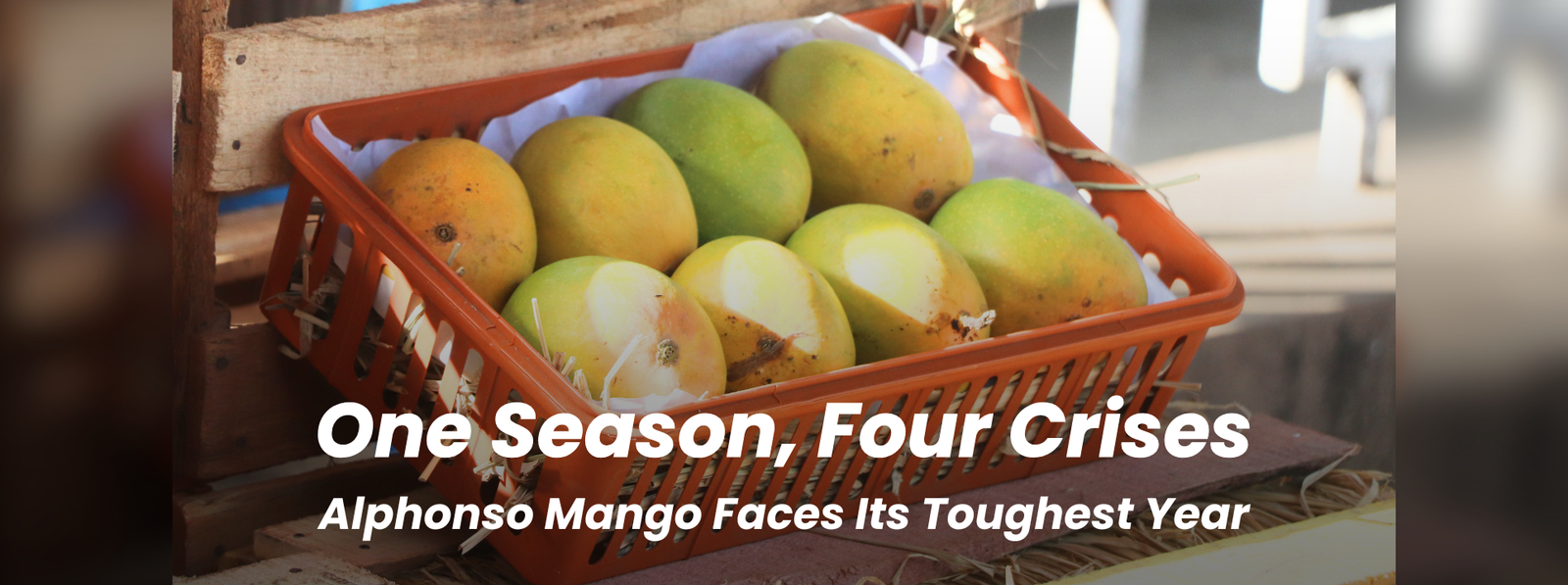
One Season, Four Crises: Alphonso Mango Faces Its Toughest Year

Alphonso Mango Faces Its Toughest Year

The 2026 Alphonso mango season is becoming one of the most difficult Alphonso mango seasons in recent memory. Across Ratnagiri, Devgad, and the Konkan belt, farmers are facing climate uncertainty, rising operational costs, and repeated weather shocks at almost every stage of cultivation and supply.

What usually begins as a season of excitement and strong harvests has instead turned into a year filled with pressure for farmers, traders, and mango businesses alike.

From flower damage and heat waves to geopolitical cost increases and unseasonal storms, the challenges of 2026 have affected the entire Alphonso ecosystem.

Crisis 1: Sudden Temperature Changes Reduced Fruit Production

The first major challenge began during the flowering stage. Alphonso mango trees are extremely sensitive to climate conditions, especially during blossom formation.

This year, sudden temperature fluctuations across Ratnagiri and Devgad caused large-scale drying and dropping of mango flowers before proper fruit setting could happen. Many orchards reported significantly weaker fruit formation compared to a normal season.

Farmers say some regions witnessed one of the lowest fruit-setting cycles in recent years. Since Alphonso mango production is already limited by geography and seasonality, reduced yield immediately impacted supply expectations.

Crisis 2: Iran–US–Israel Conflict Increased Costs Across the Supply Chain

The second challenge came from outside agriculture itself. The ongoing Iran–US–Israel conflict indirectly affected the mango business through rising fuel and material costs.

Packaging materials used in the Alphonso supply chain saw major cost increases, including:

  • Mango boxes
  • Printing materials
  • Strapping rolls
  • Cello tape
  • Foam protective sleeves

Transportation expenses also increased sharply because fuel prices remained unstable. Since Alphonso mangoes require careful and fast logistics, rising freight costs added pressure across the entire supply chain.

For mango businesses and farmers alike, maintaining quality while controlling operational expenses became increasingly difficult this season.

Crisis 3: Unseasonal Rain, Thunderstorms, and Hailstorms

As if lower production and rising costs were not enough, many orchards were later affected by unseasonal rain, thunderstorms, and hailstorms.

Strong winds damaged branches, while hailstorms bruised exposed fruit in some areas. Sudden weather events also increased fruit drop during critical stages of growth.

Farmers across the Konkan belt describe these storms as another major setback during an already difficult season. Repeated climate-related disruptions are making Alphonso farming more unpredictable year after year.

Crisis 4: Heat Waves Added More Pressure

Extreme heat waves created another serious challenge for the 2026 season. Alphonso mangoes are highly sensitive to excessive heat, especially during ripening, storage, and transportation.

Very high temperatures can:

  • Reduce fruit shelf life
  • Increase dehydration risk
  • Affect ripening consistency
  • Make transport handling more difficult

For naturally ripened Alphonso mangoes, heat waves become even more challenging because careful monitoring is required to maintain quality.

How Ratnagiri Hapus Store Is Managing These Challenges

Despite one of the toughest seasons in recent years, Ratnagiri Hapus Store continues working closely with farmers, orchard owners, logistics partners, and packaging suppliers to maintain supply and customer trust.

The 2026 season has created pressure at every stage. Lower production reduced availability, while rising operational costs and unstable weather made handling more difficult than usual. Even under these conditions, the focus remains on delivering authentic Ratnagiri Hapus while maintaining quality standards.

Commitment to Natural Ripening

At Ratnagiri Hapus Store, mangoes are not exposed to chemical ripening agents. The focus remains on traditional natural ripening methods that preserve the original aroma, sweetness, and texture of Alphonso mangoes.

However, natural ripening is slower and riskier during heat wave conditions. It also comes with a 5–10% higher fruit wastage factor, as some mangoes may over-ripen or get damaged naturally during the process.

Despite these challenges, the priority remains maintaining authenticity rather than using artificial shortcuts.

Supporting Farmers During a Difficult Season

The 2026 season has been emotionally and financially difficult for many Konkan farmers. Ratnagiri Hapus Store continues sourcing directly from orchard owners across Ratnagiri and Devgad to support local growers during this challenging period.

The team works continuously to:

  • Improve quality selection
  • Reduce handling damage
  • Coordinate faster dispatches
  • Maintain consistent communication with customers

Customer Satisfaction Remains the Priority

Balancing limited supply with growing demand is one of the biggest challenges this season. Even so, Ratnagiri Hapus Store continues making every effort to fulfil orders responsibly while maintaining transparency about seasonal conditions.

The focus remains on:

  • Authentic Ratnagiri Hapus
  • Naturally ripened mangoes
  • Safe packaging and delivery
  • Long-term customer trust

A Season That Reveals the Real Challenges Behind Alphonso Mangoes

The 2026 Ratnagiri Hapus season highlights how sensitive Alphonso farming has become to climate and global economic conditions. From blossom damage and heat waves to logistics pressure and storms, every stage of the mango journey has faced disruption.

Yet despite these difficulties, farmers and businesses across the Konkan region continue working to ensure that authentic Alphonso mangoes reach customers across India.

For many consumers, this season is also a reminder that behind every box of Ratnagiri Hapus lies months of uncertainty, effort, and careful handling.

Posted on Leave a comment

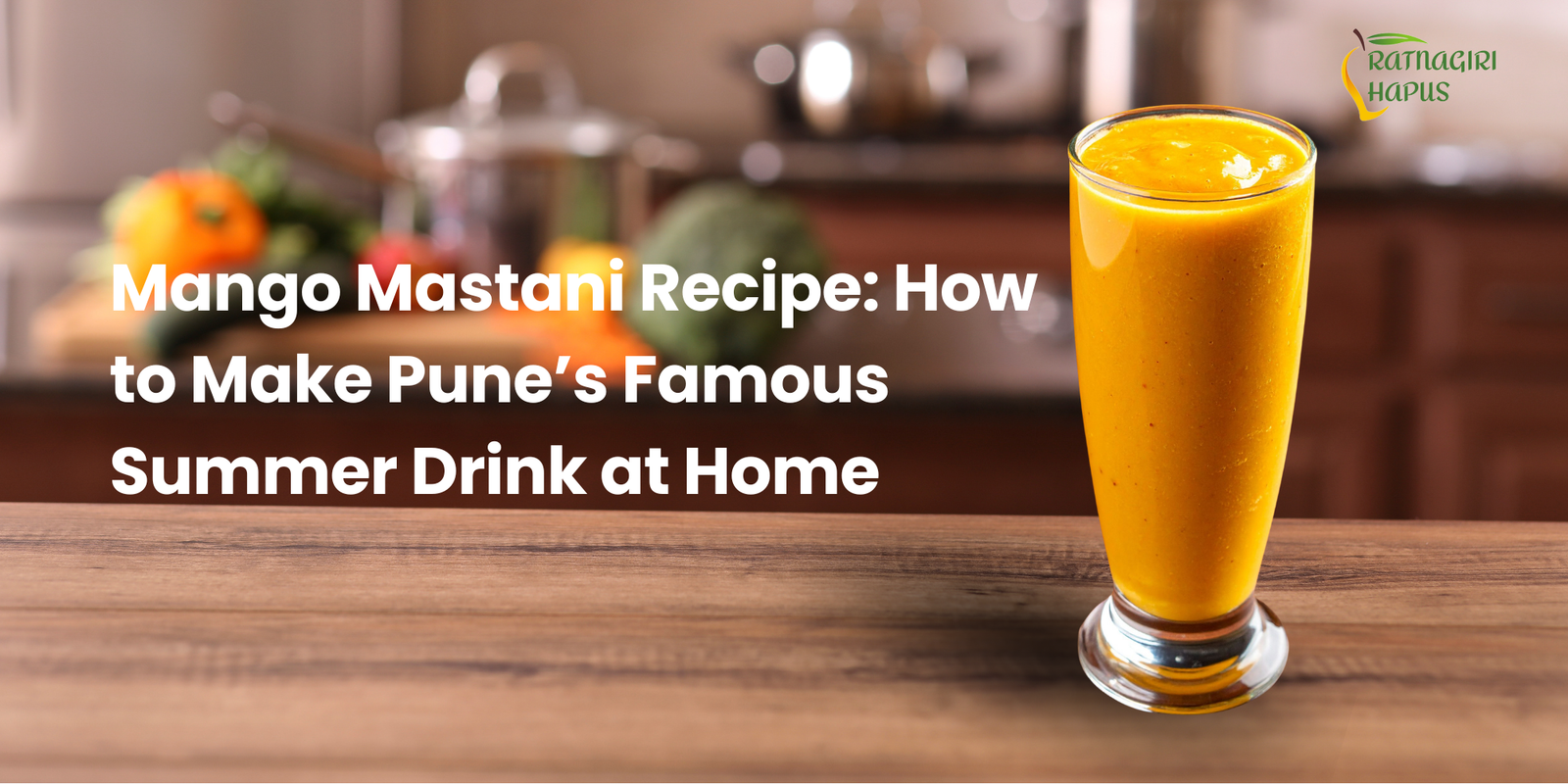
Hapus Mango Mastani Recipe: How to Make Pune’s Famous Summer Drink at Home

Hapus Mango Mastani Recipe

As summer sets in, Hapus mango-based desserts and drinks take center stage across India. One such iconic treat is Mango Mastani, a rich and indulgent drink that originated in Pune and has become a seasonal favourite for mango lovers.

Made using fresh mango pulp, milk, ice cream, and dry fruits, Mango Mastani is more than just a milkshake—it is a complete dessert in a glass.

What Is Hapus Mango Mastani?

Mango Mastani is a thick, creamy mango milkshake topped with a scoop of ice cream, nuts, and sometimes additional toppings like jelly or cherries. It is especially popular in Pune, where it is served in large glasses as a refreshing summer indulgence.

The drink combines the sweetness of ripe mangoes with the richness of dairy, making it both filling and satisfying.

Ingredients Required

To prepare Mango Mastani at home, you will need:

  • Ripe Alphonso mango pulp
  • Chilled milk
  • Sugar (optional, based on sweetness)
  • Vanilla or mango ice cream
  • Ice cubes
  • Chopped dry fruits (cashews, almonds, pistachios)
  • Cherry or mango cubes for garnish

Using naturally ripened Alphonso mangoes enhances both taste and aroma.

Step-by-Step Hapus Mango Mastani Recipe

  1. Add fresh mango pulp, chilled milk, and ice cubes into a blender.
  2. Blend until smooth and creamy.
  3. Taste and adjust sweetness if required.
  4. Pour the thick mango shake into a tall glass.
  5. Add a scoop of ice cream on top.
  6. Garnish with chopped dry fruits and mango pieces.
  7. Serve immediately while chilled.

The result is a rich, layered drink that combines freshness and indulgence.

Why Alphonso Mango Is Ideal for Mastani

Alphonso mango, especially from Ratnagiri, is known for its:

  • Natural sweetness
  • Smooth, fibreless pulp
  • Strong aroma

These qualities make it perfect for desserts like Mastani, where texture and flavour play a key role.

At Ratnagiri Hapus Store, mangoes are allowed to ripen naturally without chemical agents. This helps maintain the original taste and consistency needed for recipes like Mango Mastani. Natural ripening may lead to a 5–10% higher wastage factor, but it ensures better flavour and authenticity.

Tips for the Perfect Mango Mastani

  • Use chilled ingredients for better texture
  • Avoid adding excess sugar if mangoes are naturally sweet
  • Use thick mango pulp for a creamy consistency
  • Serve immediately to retain freshness

A Must-Try Summer Delight

Mango Mastani is not just a drink—it is a complete summer experience. Whether enjoyed at a famous Pune outlet or made at home, it remains one of the most loved mango desserts in India.

With the 2026 mango season in full swing, it is the perfect time to enjoy this classic recipe using fresh Alphonso mangoes.

Posted on Leave a comment

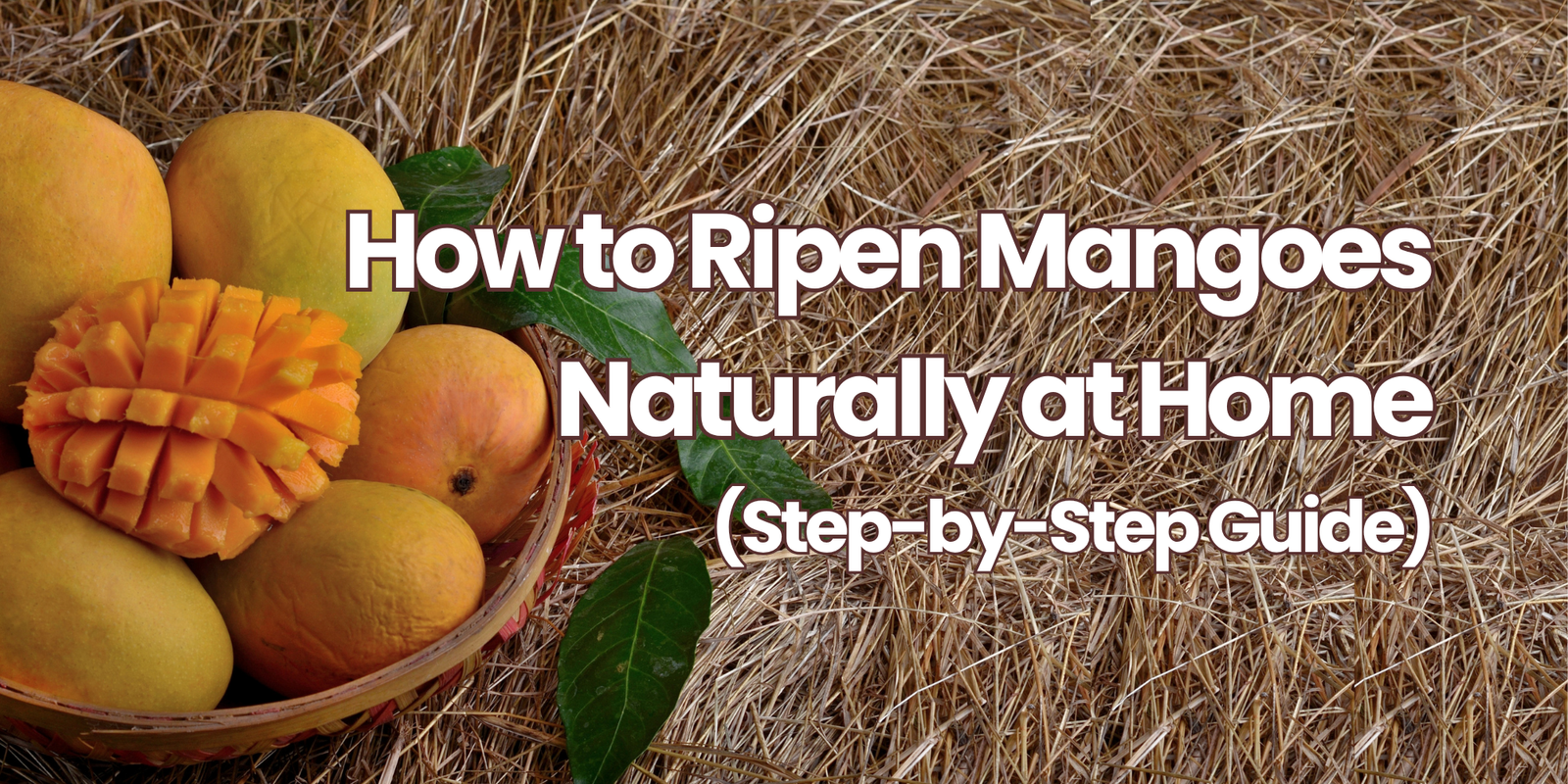
How to Ripen Mangoes Naturally at Home (Step-by-Step Guide)

How to Ripen Mangoes Naturally at Home

Alphonso Mangoes are delivered raw to protect them during transport. But with the right natural methods, you can ripen them at home to get perfect sweetness, aroma, and texture.

Before You Start

  • Do not wash mangoes before ripening
  • Place mangoes in a warm, dry area (not in sunlight)
  • Ideal temperature: 22–28°C
  • Avoid refrigerating raw mangoes — it stops the ripening process

📦 🍌🍎 Method 1: Banana + Apple in Box (Best Overall Method)

This is the most recommended method — gives fast + even + flavorful ripening.

Why It Works:

Bananas and apples release ethylene gas, which naturally speeds up ripening.

Steps:

  1. Keep mangoes in the original box or a paper box with rice straws provided.
  2. Add 1 or 2 ripe banana/apple (for faster ripening)
  3. Close the box loosely (don’t seal airtight)
  4. Store in a warm place

Time:

  • 4–5 days for ripening

👉 Banana speeds up the process
👉 Apple helps in uniform ripening
👉 Result = Perfect Alphonso taste

🌾 Method 2: Rice / Straw (Traditional Desi Method)

Steps:

  1. Fill a container with rice / wheat / dry straw (bhusa)
  2. Place mangoes inside
  3. Cover them completely

Time:

  • 3–5 days

👉 Best for natural farm-like ripening

📰 Method 3: Paper Wrap / Cover

Steps:

  1. Wrap each mango in paper/newspaper.
  2. Keep them in a box or basket
  3. Store in a warm place

Time:

  • 4–6 days

⚠️ Important Do’s & Don’ts

✔ Check mangoes daily after Day 2
✔ Always wait 1 extra day after softening

❌ Do not refrigerate raw mangoes
❌ Do not use plastic bags
❌ Avoid chemicals

✅ How to Know Mangoes Are Ready

  • Slightly soft when pressed
  • Sweet aroma near stem
  • Golden/yellow color

❄️ After Ripening

  • Store in refrigerator
  • Consume within 3–5 days

🥭 Final Tip

👉 Best method: Banana + Apple in the same box
👉 Secret: Wait 1 extra day after ripening for maximum sweetness

That’s when real Ratnagiri Alphonso magic happens ✨

Still unsure about ripening? Contact us anytime — we’re here to help you get the best out of your mangoes.
📞 9021345588
📧 support@ratnagirihapus.store

Posted on Leave a comment

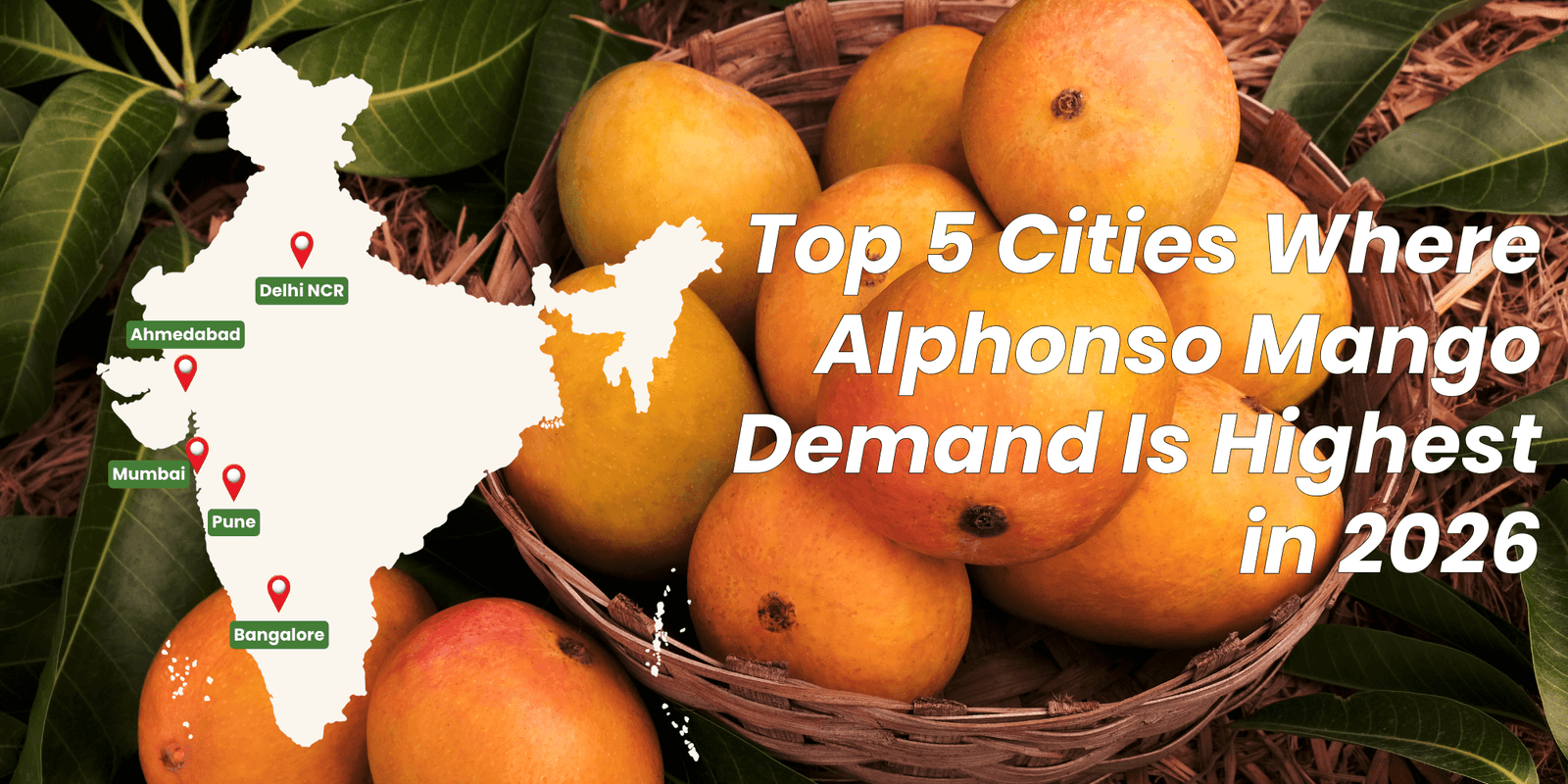
Top 5 Cities Where Alphonso Mango Demand Is Highest in 2026

Top 5 Cities Where Alphonso Mango Demand Is Highest in 2026

As the 2026 mango season unfolds, demand for authentic Ratnagiri Alphonso (Hapus) remains strong across India’s major urban markets. While Alphonso mangoes are grown mainly in the Konkan region of Maharashtra, their biggest consumption hubs lie in large metropolitan cities where awareness, purchasing power, and seasonal tradition drive steady Alphonso Mango Demand In Cities

Alphonso Mango Demand In Cities

Based on market trends, trader feedback, and seasonal buying patterns, here are the top five cities where Alphonso mango demand is highest in 2026.

1. Mumbai – The Largest Alphonso Market

Mumbai continues to lead as the strongest market for Alphonso mangoes. Due to its proximity to Ratnagiri and Devgad, the city receives early and regular arrivals throughout the season. Wholesale markets in Vashi and Crawford Market report consistent movement of premium-grade Hapus.

Corporate gifting, hospitality demand, and high consumer awareness make Mumbai the most stable and high-volume Alphonso market every year.

2. Pune – Quality-Conscious Buyers Drive Demand

Pune has emerged as one of the most quality-driven Alphonso markets in Maharashtra. Buyers here actively look for GI-certified Ratnagiri Hapus and naturally ripened fruit.

With a strong base of professionals, IT sector employees, and traditional households, Pune shows steady seasonal demand. Traders report that premium-grade Alphonso mangoes often sell quickly in this city during peak weeks.

3. Delhi NCR – Premium Fruit Consumption Hub

Delhi NCR remains one of the largest non-coastal markets for Alphonso mangoes. Despite the distance from Konkan, demand remains high due to affluent consumer segments and gifting culture.

Export-quality fruit often finds strong buyers in Delhi. Traders note that Delhi customers increasingly ask for authentic origin details, reflecting growing awareness.

4. Bengaluru – Rising Demand for GI-Certified Alphonso

Bengaluru continues to show strong seasonal demand for premium Alphonso mangoes. The city’s tech-driven population and high disposable income support steady consumption.

Consumers in Bengaluru prefer naturally ripened fruit and farm-direct sourcing. As a result, Ratnagiri Alphonso maintains premium positioning in the Karnataka market.

5. Ahmedabad – Expanding Premium Fruit Market

Ahmedabad has emerged as a fast-growing market for Alphonso mangoes. While Gujarat has its own mango varieties, demand for Ratnagiri Hapus has increased in recent years.

Urban consumers and business buyers in Ahmedabad show growing interest in GI-certified mangoes, making the city one of the key western Indian demand centres in 2026.

Why These Cities Lead Alphonso Demand

Several factors influence demand concentration in these cities:

  • High purchasing power
  • Strong gifting culture
  • Awareness of GI certification
  • Preference for premium seasonal fruit
  • Active wholesale and logistics networks

In 2026, these factors continue to support steady and high-volume Alphonso mango movement in these top markets.

Final Outlook for 2026

Alphonso mango demand in 2026 remains strongest in Mumbai, Pune, Delhi NCR, Bengaluru, and Ahmedabad. While supply may fluctuate due to climate and seasonal factors, urban appetite for authentic Ratnagiri Hapus remains resilient.

As long as brand trust, seasonal value, and premium positioning stay intact, these five cities will continue to dominate Alphonso mango consumption trends.

Alphonso Mango Demand In Cities

Posted on Leave a comment

Will Alphonso Mango Be Costlier in 2026? Climate Stress and Delayed Arrivals Raise Concerns

Will Alphonso Mango Be Costlier in 2026?

The 2026 Alphonso mango season has begun with uncertainty. Farmers in Ratnagiri and Devgad are closely monitoring orchards after irregular weather patterns affected flowering earlier this year. Traders in Mumbai and Pune say early market signals suggest that premium Ratnagiri Hapus could remain on the expensive side, at least during the beginning of the season.

Although full arrivals are yet to peak, discussions in wholesale markets indicate that supply conditions may not be as strong as a bumper year.

Blossom Damage in Konkan Sparks Worry

This season, parts of the Konkan belt witnessed temperature fluctuations and humidity shifts during the crucial flowering phase. Agricultural observers note that Alphonso mango is highly sensitive during blossom formation.

When blossoms fall early or fail to convert into fruit, overall yield drops. Even a small decline in fruit setting affects total output because Alphonso cultivation area remains limited.

Farmers describe the situation as “moderate stress, not disaster,” but enough to keep supply expectations cautious.

Main Ratnagiri Arrivals Still Building Up

Market yards are seeing gradual inflow rather than heavy early arrivals. Traders explain that when supply builds slowly and anticipation remains high, price sentiment stays firm.

Historically, early-season Alphonso always commands stronger demand. This year appears no different.

Alphonso Mango Be Costlier

Urban Demand Shows No Weakness

Despite seasonal uncertainty, demand in metro cities remains steady. Consumers continue to prioritise:

Alphonso mango is not just a fruit in cities like Mumbai, Pune, and Delhi. It is a seasonal tradition. That emotional connection often keeps demand stable even when supply tightens.

Export Activity Adds Pressure

Export demand for premium-grade Alphonso mango continues from Middle Eastern and international markets. Export-focused grading absorbs high-quality fruit first, which can tighten domestic premium supply.

When export channels remain active, local markets feel the impact.

Rising Farming Costs Add to the Equation

Farmers also report higher input costs this season. Labour, crop protection, orchard management, and transport expenses have increased compared to previous years.

When production becomes costlier, pricing adjusts across the supply chain.

Alphonso Mango Be Costlier

What This Means for 2026

If weather remains stable and arrivals improve, the market could see some mid-season balance. However, unless production significantly exceeds expectations, Alphonso mango in 2026 is likely to retain its premium positioning.

For buyers waiting for authentic Ratnagiri Hapus, this season may once again reflect the delicate balance between climate, cultivation, and demand.

Posted on Leave a comment

GI Tag Dispute Around the Hapus Variety: Why Origin and Authenticity Matter

GI Tag Dispute Around the “Hapus” Variety: Why Origin and Authenticity Matter

The Alphonso mango, locally called Hapus, holds a special place in India’s agricultural heritage. However, in recent seasons, a growing dispute over the Geographical Indication (GI) tag for “Hapus” has raised serious questions about origin, labeling, and authenticity.

This debate matters not only to farmers, but also to consumers and exporters who rely on trust and transparency when buying Alphonso mangoes.

What Is a GI Tag and Why Is It Important?

A Geographical Indication (GI) tag protects products that come from a specific region and owe their quality to that location. In agriculture, GI tags help farmers protect their reputation and earn fair prices.

In 2018, India granted the GI tag for Alphonso mangoes to Ratnagiri and Devgad in Maharashtra through the Geographical Indications Registry of India.
As a result, only mangoes grown in these regions can legally be sold as Ratnagiri Alphonso or Devgad Alphonso.

This decision recognized that the true Alphonso mango gets its taste, aroma, and texture from:

  • Konkan’s lateritic red soil
  • Coastal humidity and sea breeze
  • Traditional farming and natural ripening

What Is the Current “Hapus” GI Dispute?

Recently, growers from regions outside the Konkan belt have requested permission to use the name “Hapus” for their mangoes. They argue that similar Alphonso-type mangoes grow in their areas.

However, Konkan farmers strongly oppose this move. They clearly state that similar does not mean identical. According to them, mangoes grown outside Ratnagiri and Devgad lack the same flavor depth, aroma, and consistency.

Therefore, expanding the use of the “Hapus” name could weaken the meaning of the GI tag and confuse buyers.

Why Konkan Farmers Are Worried

For Ratnagiri and Devgad farmers, GI protection directly affects income and survival. Authentic Alphonso mangoes sell at a premium because buyers trust their origin.

If authorities allow wider use of the “Hapus” name, farmers fear:

  • Mislabeling in markets and online stores
  • Falling prices for genuine Alphonso mangoes
  • Loss of export credibility
  • Reduced motivation to follow traditional farming methods

As a result, many farmer groups have demanded stricter enforcement of GI rules.

How This Affects Consumers

For consumers, the dispute highlights a simple truth: not every mango sold as Alphonso is genuine.

Without clear origin labels, buyers may unknowingly purchase mangoes grown outside GI regions while paying premium prices. This problem affects:

  • Online shoppers
  • Export buyers
  • Corporate gifting orders

Therefore, buyers should always check packaging details, origin mentions, and seller transparency before purchasing.

The Need for Better Enforcement and Awareness

Although the GI tag exists, enforcement remains uneven. Many sellers still misuse the Alphonso name because penalties are weak and awareness is low.

To solve this, experts suggest:

  • Clear labeling of Ratnagiri or Devgad origin
  • Mandatory GI references on packaging
  • Digital traceability using QR codes
  • Stronger checks in wholesale and export markets

Importantly, informed consumers play a key role in stopping misuse by choosing verified sellers.

Why This Issue Matters Beyond Alphonso Mangoes

The “Hapus” dispute reflects a larger issue in Indian agriculture. As Indian products gain global attention, origin-based branding becomes critical.

Strong GI protection:

  • Rewards honest farmers
  • Builds long-term buyer trust
  • Supports sustainable agriculture

On the other hand, weak protection turns premium products into ordinary commodities.

What Buyers Should Do Now

Until authorities clarify the dispute, buyers should:

  • Prefer sellers who clearly mention Ratnagiri or Devgad
  • Look for GI references or traceability details
  • Avoid vague terms like “Alphonso type” or “Hapus variety”

By doing so, buyers help protect both quality and farmer livelihoods.

Conclusion

The GI tag dispute around the “Hapus” mango shows why origin matters more than ever. Ratnagiri and Devgad Alphonso mangoes earned their reputation through geography, climate, and generations of farming knowledge.

Protecting this identity ensures fairness for farmers and confidence for consumers. In a global market, authenticity is not optional—it is essential.

Posted on Leave a comment

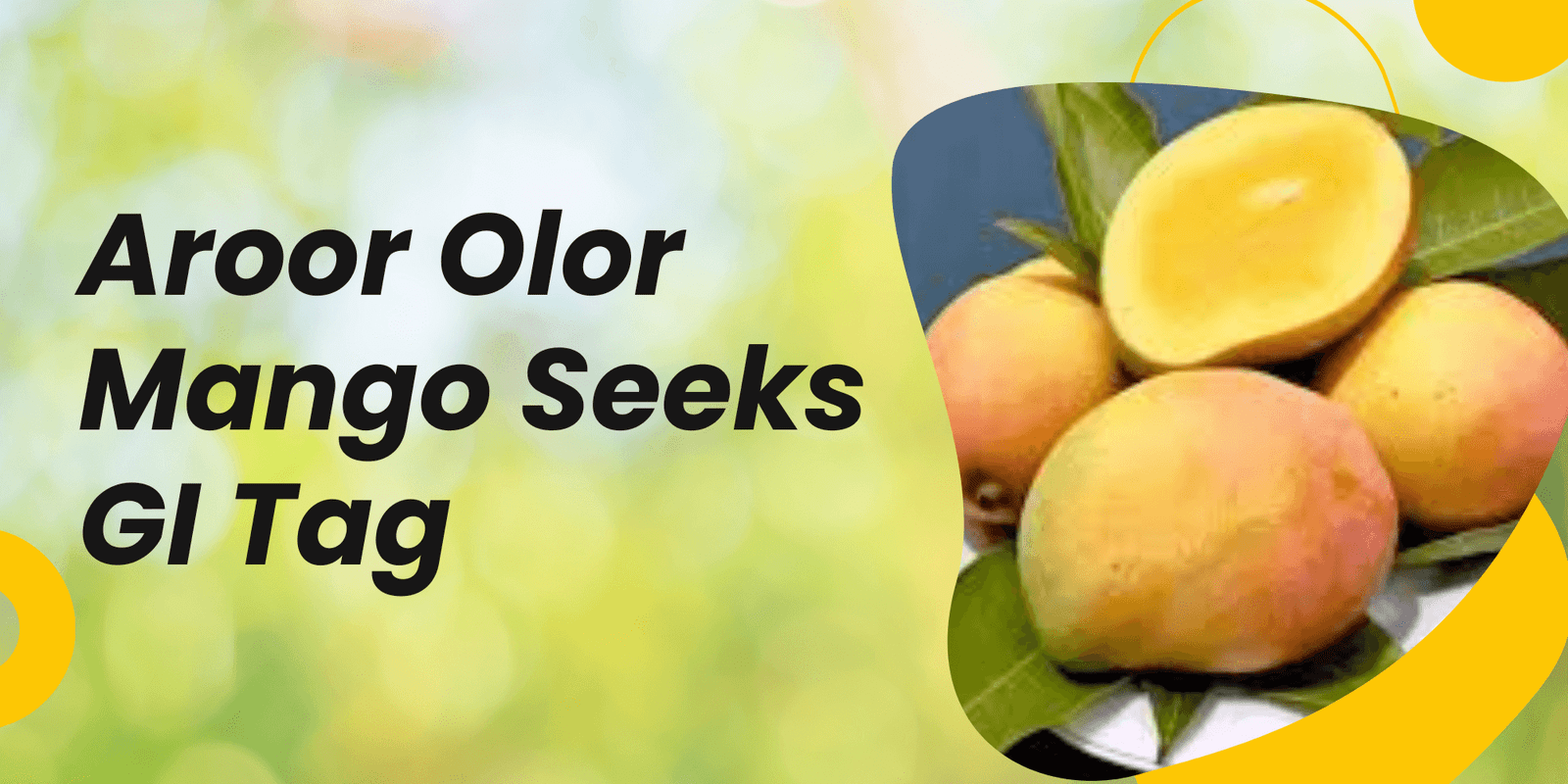
Aroor Olor Mango Seeks GI Tag — Following the Trailblazer, Ratnagiri Hapus

Aroor Olor Mango Seeks GI Tag — Following the Trailblazer, Ratnagiri Hapus

🌴 A New Star in India’s Mango Map

India’s love affair with mangoes has always been deep and poetic. But beyond taste and nostalgia lies something more official — the Geographical Indication (GI) tag, a legal recognition that ties a product’s identity to its native soil.

Recently, the Aroor Olor mango from Kerala made headlines for beginning its journey toward a GI certification, as reported by The New Indian Express (October 2025). The state’s agriculture department confirmed that studies and documentation are underway to establish its unique flavor, texture, and regional heritage.

And for mango lovers everywhere, that’s sweet news — because it continues a legacy started years ago by the legendary Ratnagiri Hapus (Alphonso).


🥭 Ratnagiri Hapus — The Benchmark for Authenticity

Before GI tags became trendy, Ratnagiri Hapus had already set the gold standard.
In 2018, the Geographical Indications Registry of India officially granted Ratnagiri and Devgad Alphonso mangoes the GI tag — recognizing their distinct aroma, golden saffron hue, and buttery pulp as products of a very specific terroir: the lateritic red soil and sea-kissed breeze of coastal Konkan.

This wasn’t just a bureaucratic badge — it was a cultural seal of purity.
It told the world: If it’s from Ratnagiri, it’s real Hapus.
And it inspired dozens of other regions — from Kerala to Bihar — to document their own fruit heritage.


🌍 Why GI Tags Matter So Much

GI tags protect not just products, but the communities and traditions behind them.
Here’s why they’re so powerful for India’s mango growers:

BenefitWhat It Means
🧾 Authenticity ProtectionPrevents other regions from falsely using the same name (like “Ratnagiri Hapus” sold from non-GI areas).
💰 Higher Farmer IncomeCertified produce earns premium pricing in domestic and export markets.
🌱 Cultural PreservationKeeps old farming techniques and local biodiversity alive.
🌏 Export RecognitionGI tags assure importers of origin and quality — a major advantage in global trade.

So when Kerala’s Aroor Olor mango begins its GI journey, it’s not just about one fruit — it’s about continuing India’s larger story of geographical pride and authenticity.


🧡 Lessons from Ratnagiri Hapus for Emerging GI Mangoes

As new contenders like Aroor Olor step into the GI process, the Ratnagiri experience offers timeless lessons:

  1. Document the DNA
    • Ratnagiri’s farmers recorded decades of soil data, rainfall patterns, and taste profiles to prove uniqueness.
  2. Organize Farmer Clusters
    • GI strength comes from unity — hundreds of Ratnagiri and Devgad farmers collaborated under regional boards.
  3. Maintain Purity Post-GI
    • After certification, quality control is ongoing. Packhouses, grading centers, and labeling systems ensure every exported Hapus meets the promise.
  4. Market the Story, Not Just the Fruit
    • Ratnagiri Hapus became a brand because it told its story beautifully — of coastal winds, handpicking, and generational heritage.

🍋 The Bigger Picture: India’s Mango Heritage Is Expanding

With varieties like Aroor Olor (Kerala), Malda Fazli (West Bengal), Kesar (Gujarat), and Banganapalli (Andhra Pradesh) already on the national map, India’s mango landscape is becoming a rich tapestry of local pride.

Each new GI tag adds another chapter to this delicious story — but the Ratnagiri Hapus remains the north star: the mango that taught India to value place-based authenticity.


🌞 Conclusion: The Sweetness of Provenance

As Aroor Olor prepares to claim its spot in the GI family, it follows in the fragrant footsteps of Ratnagiri Hapus — the mango that turned geography into greatness.

At Ratnagiri Hapus Store, we celebrate every mango that honors its roots.
Because whether it’s from Ratnagiri’s sun-drenched slopes or Kerala’s lush groves, true sweetness is born from authenticity.

🥭 Authentic. Verified. Proudly from Ratnagiri.
Explore our GI-certified Alphonso mangoes at ratnagirihapus.store

Posted on Leave a comment

2025 Sees High Demand for Hapus Mangoes in Vashi and Ahmedabad Markets

2025 Sees High Demand for Hapus Mangoes in Vashi and Ahmedabad Markets

The honor of delivering the first boxes of Ratnagiri Hapus mangoes this season goes to Rehan Jabbar Bandari from Chanderai and Shakeel Umar Harchirkar from Pawas Mahatwadi. Their meticulous care and dedication to mango cultivation have resulted in an early harvest, bringing premium-quality Alphonso mangoes to the market ahead of schedule. 2025 Sees High Demand for Hapus Mangoes in Vashi and Ahmedabad Markets

A Record-Breaking Auction in Ahmedabad
Two boxes of six dozen Hapus mangoes, cultivated by Bandari, fetched an impressive ₹25,000 at the Ahmedabad market. Similarly, Harchirkar sent two boxes of Hapus mangoes to the Vashi market in Mumbai, where they were received with reverence. Both growers have cemented their reputation for producing high-quality, early-season Hapus mangoes.

2025 Sees High Demand for Hapus Mangoes in Vashi and Ahmedabad Markets

The Journey of Excellence

  • Shakeel Umar Harchirkar:
    Harchirkar’s orchard in Golap Dhangarwadi, comprising 40 Hapus mango trees spread across one acre, has been a model of consistent success. Over the past four years, he has meticulously managed his orchard, ensuring the production of early-season mangoes. This year, he harvested 10 dozen mangoes on January 16 and sent two boxes to Mumbai’s Vashi market. The first box was ceremoniously worshipped before being auctioned.
  • Rehan Jabbar Bandari:
    Bandari’s orchard in Chanderai, Ratnagiri taluka, demonstrated similar dedication. Despite heavy rains during the first week of October, he ensured the survival of the delicate mohar (blossoms) through timely spraying and care. The mangoes were harvested on January 16, marking the fourth consecutive year Bandari has achieved an early harvest.

The Ritual of Mango Auctions
In Vashi, the first box of Hapus mangoes was ceremonially worshipped by Shailesh Nalawade, a prominent trader, underscoring the cultural and economic significance of the fruit. This tradition highlights the reverence and anticipation surrounding the arrival of the first Hapus mangoes each year.

Looking Ahead
With the early success of Bandari and Harchirkar, preparations are already underway to send more boxes of Hapus mangoes to markets across the country in the coming days. These early-season mangoes set the tone for what promises to be a fruitful and vibrant mango season in 2025.

Ratnagiri Hapus, often referred to as the “King of Mangoes,” continues to command admiration and premium prices, solidifying its position as one of India’s most beloved and celebrated fruits.

To get authentic, naturally ripened Hapus mangoes delivered right to your doorstep, shop online at Ratnagiri Hapus Store. Known for sourcing premium-quality mangoes directly from Ratnagiri’s renowned orchards, the store ensures every box is a delight for mango lovers. Don’t miss out on savoring the season’s finest!

Source: Agrowon

2025 Sees High Demand for Hapus Mangoes in Vashi and Ahmedabad Markets

Posted on Leave a comment

Alphonso Mango Season 2025: Farmers Predict Early Harvest

Alphonso Mango Season 2025: Farmers Predict Early Harvest

The Alphonso mango season is highly anticipated every year. In 2025, farmers predict the harvest will begin in the last week of February. This marks the start of a season that promises sweetness, richness, and unmatched flavor. Alphonso Mango Season 2025: Farmers Predict Early Harvest

Why Will the Harvest Start Early in 2025?

Favorable weather conditions, including timely rains and ideal temperatures, have set the stage for an early harvest. Farmers in Ratnagiri and Devgad report excellent flowering, which signals a promising yield. However, since mango production depends heavily on climate, it’s wise to keep a one to two-weeks buffer for unforeseen delays.

Growth in Demand: Insights from Previous Years

Demand for Alphonso mangoes has risen significantly in recent years.

  • 2023: Exports increased by 15%, driven by popularity in Europe and the Middle East.
  • 2024: Domestic consumption grew by 12%, with online orders contributing over 40% of sales.
  • 2025 Projections: Experts predict a 20% growth in sales due to early arrivals and higher yields.

Ratnagiri Hapus Store: The Trusted Mango Destination

For genuine Alphonso mangoes, Ratnagiri Hapus Store is a top choice. They source mangoes directly from experienced farmers in Ratnagiri and Devgad. The store ensures naturally ripened, carbide-free mangoes, maintaining both quality and authenticity.

By employing innovative logistics, they minimize wastage and deliver fresh, premium mangoes. Their offerings include Alphonso mango pulp and flavored cashews, perfect for enjoying mango goodness year-round.

Alphonso Mango Season 2025: Farmers Predict Early Harvest

What Sets Alphonso Mangoes Apart?

The unique coastal climate and mineral-rich soil of Ratnagiri and Devgad create mangoes with unparalleled sweetness and buttery texture. Their vibrant golden-yellow color, paired with a tropical flavor profile, makes them stand out globally.

FAQs About Alphonso Mango Season 2025

1. When will Alphonso mangoes be available in 2025?
The harvest is expected to start in the last week of February, with fresh mangoes reaching markets by early March. Keep a one-week buffer for possible weather-related delays.

2. How can I ensure my mangoes are authentic?
Buying from trusted sellers like Ratnagiri Hapus Store ensures you get genuine, premium-quality Alphonso mangoes.

3. What makes Ratnagiri mangoes special?
Their non-fibrous texture, naturally ripened quality, and rich flavor are unmatched, thanks to the region’s unique climate and soil.

4. Are there other products I can buy from Ratnagiri Hapus Store?
Yes, they also offer Alphonso mango pulp and flavored cashews, allowing you to enjoy mango-inspired treats year-round.

Tips for Early Buyers

Consumers eagerly awaiting the season should consider pre-ordering. This ensures access to fresh, authentic mangoes as soon as they hit the market.

Why 2025 Is a Season to Remember

An early start, excellent crop conditions, and increasing demand make this year a landmark for Alphonso mango lovers. Don’t miss out—secure your share of the King of Fruits by ordering from trusted sources like Ratnagiri Hapus Store.

Alphonso Mango Season 2025: Farmers Predict Early Harvest