Posted on Leave a comment

What is Alphonso Mango? Everything You Need to Know About the King of Mangoes

What is Alphonso Mango? Everything You Need to Know About the King of Mangoes

Discover everything about Alphonso Mango—its origin, history, taste, growing regions, GI tag, health benefits, season, and why Ratnagiri Hapus is considered the finest mango in India.

What Is Alphonso Mango?

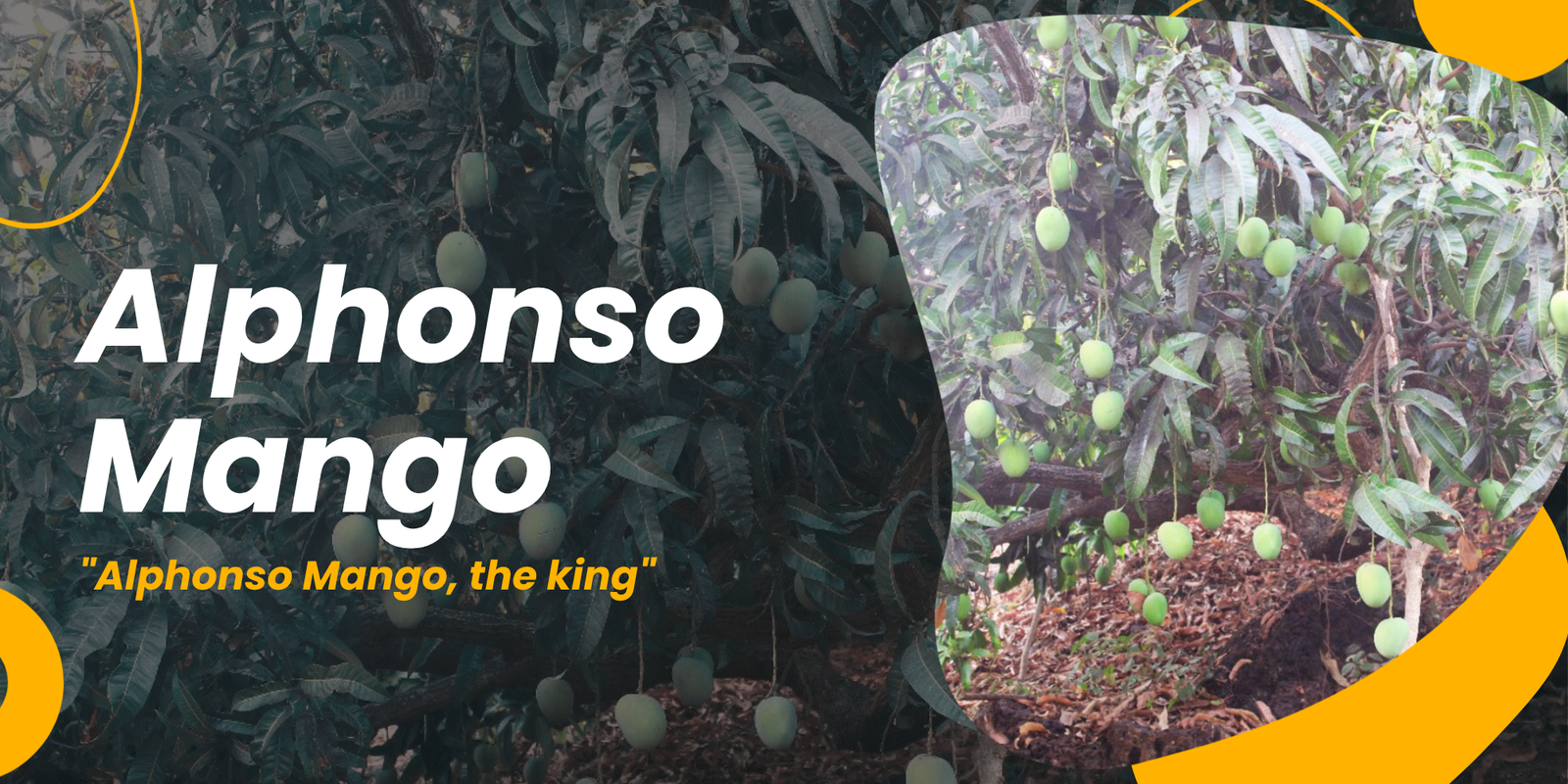
Alphonso Mango, popularly known as Hapus in Maharashtra, is one of the world’s most celebrated mango varieties. Famous for its rich sweetness, creamy texture, vibrant golden-yellow pulp, and irresistible aroma, it has earned the title “The King of Mangoes.”

Unlike many other mango varieties, Hapus offers a perfect balance of sweetness, fragrance, and smooth, fiberless pulp. As a result, it has become the preferred choice of mango lovers, chefs, exporters, and food manufacturers across the world.

India grows hundreds of mango varieties. However, Hapus continues to stand apart because of its exceptional eating quality and limited seasonal availability. Every year, millions of consumers eagerly wait for the arrival of fresh Ratnagiri Hapus, making it one of India’s most anticipated seasonal fruits.

Today, Alphonso is enjoyed not only as fresh fruit but also in mango pulp, juices, smoothies, desserts, ice creams, chocolates, cheesecakes, and premium confectionery products.

Why Is Alphonso Mango Called the King of Mangoes?

Alphonso did not receive the title King of Mangoes by chance. Instead, it earned this reputation through generations of consistent quality and unmatched flavour.

Several qualities make Hapus superior to many other mango varieties.

Exceptional Sweetness

First, Alphonso develops a naturally rich sweetness during ripening. Unlike artificially sweet fruits, its flavour is balanced with mild citrus notes that create a refreshing taste.

Smooth, Fiberless Pulp

Another reason for its popularity is its buttery, fiberless texture. The pulp melts in your mouth, making it perfect for eating fresh as well as preparing desserts and beverages.

Rich Natural Aroma

One of the first things people notice about a ripe Alphonso Mango is its strong tropical fragrance. In fact, its aroma is often enough to identify an authentic Alphonso before cutting the fruit.

Premium Appearance

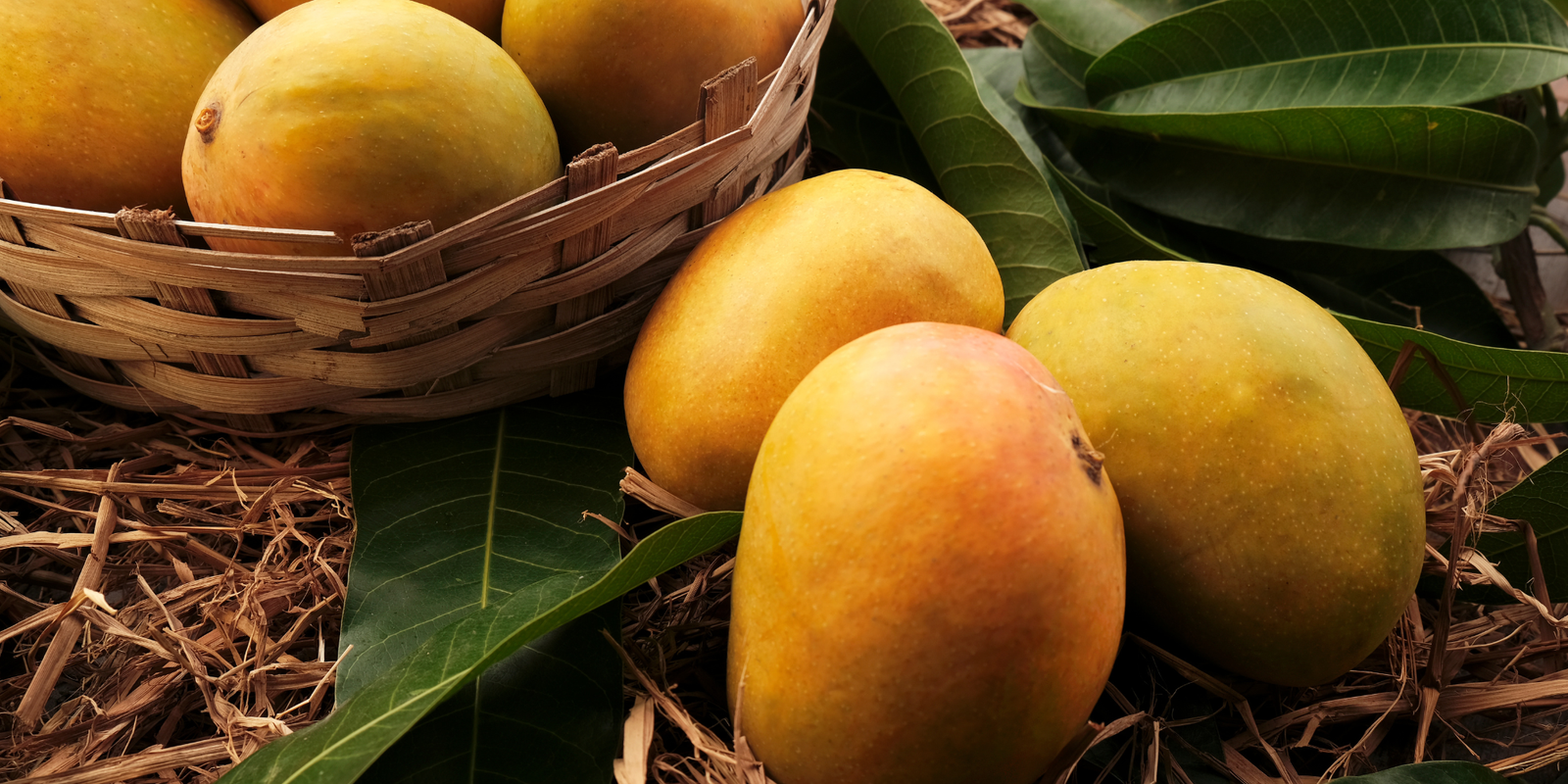
A ripe Alphonso usually develops a beautiful golden-yellow skin with deep saffron-colored pulp inside. Although every mango may look slightly different, premium hapus Mangoes have a distinctive appearance that consumers instantly recognize.

Limited Seasonal Availability

Unlike many fruits available throughout the year, fresh Alphonso Mangoes are harvested only once every season. Therefore, their short availability increases both their exclusivity and demand.

International Recognition

Today, Ratnagiri Hapus Mango is exported to several countries around the world. Its premium quality has made it one of India’s most valuable fruit exports and one of the country’s best-known agricultural products.

Because of these qualities, Ratnagiri Hapus Mango continues to enjoy its reputation as the true King of Mangoes.

The History and Origin of Alphonso Mango

The history of Alphonso Mango dates back more than 500 years.

During the 16th century, Portuguese explorers introduced improved grafting techniques to India’s western coast. Many historians believe that the mango eventually came to be associated with Afonso de Albuquerque, a Portuguese military commander and administrator. Although historians continue to debate the exact origin of the name, the variety gradually became known as Alphonso.

Over the centuries, farmers in Maharashtra’s Konkan region refined cultivation techniques and selected superior trees generation after generation. Consequently, the Ratnagiri Hapus Mango evolved into the premium variety we know today.

Modern Ratnagiri Hapus Mango is therefore the result of centuries of traditional farming, careful selection, and favourable natural conditions rather than a single historical event.

Why Does Alphonso Mango Taste Different?

Many consumers wonder why Alphonso Mango tastes different from other mango varieties.

The answer lies in a combination of natural factors rather than a single reason.

These include:

  • Coastal climate
  • Mineral-rich laterite soil
  • Sea breeze
  • Heavy monsoon rainfall
  • Warm summer temperatures
  • Traditional orchard management
  • Natural ripening process

Together, these conditions help develop the mango’s unique sweetness, aroma, texture, and saffron-colored pulp.

No artificial process can replicate this combination of natural factors. Therefore, authentic Ratnagiri Alphonso continues to maintain its premium reputation.

Why Is Alphonso Mango Famous Worldwide?

Mangoes one of India’s most recognized agricultural products.

Consumers around the world appreciate it because of its:

  • Naturally sweet flavour
  • Creamy, fiberless texture
  • Rich tropical aroma
  • Bright saffron-colored pulp
  • Premium quality
  • Excellent suitability for desserts and beverages

Besides fresh consumption, Alphonso Mango is widely used in premium food products such as:

  • Mango pulp
  • Ice cream
  • Cheesecakes
  • Milkshakes
  • Smoothies
  • Yogurt
  • Chocolates
  • Bakery products
  • Fruit concentrates

Because of this versatility, demand for Alphonso continues to grow in both domestic and international markets.

Quick Facts About Alphonso Mango

FeatureDetails
Common NameAlphonso Mango
Local NameHapus
Scientific NameMangifera indica
Main Growing StateMaharashtra
Premium Growing RegionsRatnagiri, Devgad, Raigad, Palghar
Fruit SeasonMarch to June
TextureSmooth and Fiberless
TasteSweet with mild citrus notes
Pulp ColorDeep Golden Yellow to Saffron
GI TagYes (Ratnagiri Alphonso)
Best UsesFresh Fruit, Pulp, Desserts, Juices, Ice Cream

Frequently Asked Questions

Is Alphonso Mango the best mango in India?

Many people consider Alphonso Mango to be India’s finest mango because of its sweetness, aroma, and creamy texture. Taste preferences, however, can vary from person to person.

Is Alphonso Mango naturally sweet?

Yes. Its sweetness develops naturally as the fruit ripens on the tree and after harvest.

Why is Ratnagiri Alphonso Mango famous?

Ratnagiri’s coastal climate, laterite soil, and traditional cultivation methods contribute to the mango’s distinctive flavor and aroma.

What is the difference between Alphonso and Hapus?

There is no difference. “Hapus” is the Marathi name for Alphonso Mango.

Can Alphonso Mango be exported?

Yes. Fresh Alphonso Mangoes and processed products such as mango pulp are exported to many countries, subject to the importing country’s regulations.

Conclusion

Alphonso Mango is more than just a fruit—it is a symbol of India’s rich agricultural heritage and one of the world’s most celebrated mango varieties. With its unmatched sweetness, buttery texture, captivating aroma, and limited seasonal availability, it continues to delight mango lovers across the globe.

If you’re looking for an authentic experience, choose naturally ripened, GI-recognized Ratnagiri Alphonso Mangoes from a trusted source to enjoy the true taste of the Konkan region.

Posted on Leave a comment

Mangoes Under Scanner in 2026: FSSAI Tightens Rules on Artificial Ripening

FSSAI Tightens Rules on Artificial Ripening

India’s fruit markets are facing increased scrutiny in 2026 FSSAI Tightens Rules on Artificial Ripening & against illegal ripening practices. Mangoes, along with bananas and papayas, are now under closer monitoring as authorities introduce new testing measures to detect harmful chemicals used in artificial ripening.

This move comes at a crucial time, as mango season peaks and demand rises sharply across the country.

Strip Paper Test Introduced for Faster Detection

FSSAI has directed enforcement teams to use strip paper tests to identify the presence of banned substances like calcium carbide. These tests allow quick on-the-spot detection, making it easier for inspectors to monitor large volumes of fruit in wholesale markets.

The introduction of this method is expected to strengthen surveillance, especially during the peak mango season when supply chains become more active and complex.

Why Artificial Ripening Is a Serious Concern

Artificial ripening using calcium carbide is banned in India due to its harmful health effects. When used on fruits, it can release toxic compounds that pose risks to consumers.

Health concerns linked to such practices include:

  • Respiratory irritation
  • Headaches and dizziness
  • Skin and eye irritation
  • Potential long-term health risks

Despite regulations, illegal usage continues in some parts of the supply chain, particularly during periods of high demand.

Impact on Mango Supply and Market Practices

With stricter enforcement, traders and suppliers are likely to face increased inspections. This may lead to:

  • Greater accountability in fruit handling
  • Slower movement of chemically treated fruits
  • Increased demand for verified natural produce

While these measures strengthen consumer safety, they may also impact how quickly fruits move through markets, especially in high-volume cities.

Rising Preference for Naturally Ripened Mangoes

As awareness grows, consumers are increasingly choosing mangoes that are ripened naturally rather than chemically. Naturally ripened fruits develop their flavour gradually, resulting in better aroma, texture, and overall eating experience.

This shift is encouraging more sellers and brands to adopt transparent and traditional ripening methods.

At Ratnagiri Hapus Store, mangoes are not exposed to any artificial ripening agents. The focus remains on allowing Alphonso mangoes to ripen through natural processes, preserving their original taste and quality.

However, natural ripening requires more time and careful handling. It also comes with a 5–10% higher fruit wastage factor, as some mangoes may over-ripen or get damaged during the process. Despite this, the priority remains on maintaining authenticity rather than speeding up supply.

How Consumers Can Identify Naturally Ripened Mangoes

With increasing concern around chemical ripening, consumers can look for a few simple signs while buying mangoes:

  • A natural, gradual aroma rather than a strong artificial smell
  • Slight variation in colour instead of uniform bright yellow
  • Softness that develops evenly over time
  • Absence of powdery or chemical residue on the skin

Naturally ripened Alphonso mangoes often look less uniform but offer better taste and quality.

What This Means for the 2026 Mango Season

FSSAI Tightens Rules on Artificial Ripening enforcement is expected to improve overall fruit quality in the market. As testing becomes more common, sellers may shift towards safer and more transparent ripening practices.

For consumers, this means better access to safe and authentic mangoes, although supply may become more controlled in certain cases.

For farmers and genuine sellers, this move supports fair practices and strengthens trust in naturally grown and ripened produce.

Conclusion

The introduction of strip paper testing and tighter monitoring marks an important step toward safer fruit consumption in India. As mango season progresses in 2026, the focus is shifting from speed to quality and authenticity.

With growing awareness, naturally ripened Alphonso mangoes are gaining preference among consumers who value taste, safety, and trust. The market is gradually moving toward cleaner practices, ensuring that the true essence of mango—its flavour, aroma, and seasonal joy—is preserved.

Posted on Leave a comment

Will Alphonso Mango Be Costlier in 2026? Climate Stress and Delayed Arrivals Raise Concerns

Will Alphonso Mango Be Costlier in 2026?

The 2026 Alphonso mango season has begun with uncertainty. Farmers in Ratnagiri and Devgad are closely monitoring orchards after irregular weather patterns affected flowering earlier this year. Traders in Mumbai and Pune say early market signals suggest that premium Ratnagiri Hapus could remain on the expensive side, at least during the beginning of the season.

Although full arrivals are yet to peak, discussions in wholesale markets indicate that supply conditions may not be as strong as a bumper year.

Blossom Damage in Konkan Sparks Worry

This season, parts of the Konkan belt witnessed temperature fluctuations and humidity shifts during the crucial flowering phase. Agricultural observers note that Alphonso mango is highly sensitive during blossom formation.

When blossoms fall early or fail to convert into fruit, overall yield drops. Even a small decline in fruit setting affects total output because Alphonso cultivation area remains limited.

Farmers describe the situation as “moderate stress, not disaster,” but enough to keep supply expectations cautious.

Main Ratnagiri Arrivals Still Building Up

Market yards are seeing gradual inflow rather than heavy early arrivals. Traders explain that when supply builds slowly and anticipation remains high, price sentiment stays firm.

Historically, early-season Alphonso always commands stronger demand. This year appears no different.

Alphonso Mango Be Costlier

Urban Demand Shows No Weakness

Despite seasonal uncertainty, demand in metro cities remains steady. Consumers continue to prioritise:

Alphonso mango is not just a fruit in cities like Mumbai, Pune, and Delhi. It is a seasonal tradition. That emotional connection often keeps demand stable even when supply tightens.

Export Activity Adds Pressure

Export demand for premium-grade Alphonso mango continues from Middle Eastern and international markets. Export-focused grading absorbs high-quality fruit first, which can tighten domestic premium supply.

When export channels remain active, local markets feel the impact.

Rising Farming Costs Add to the Equation

Farmers also report higher input costs this season. Labour, crop protection, orchard management, and transport expenses have increased compared to previous years.

When production becomes costlier, pricing adjusts across the supply chain.

Alphonso Mango Be Costlier

What This Means for 2026

If weather remains stable and arrivals improve, the market could see some mid-season balance. However, unless production significantly exceeds expectations, Alphonso mango in 2026 is likely to retain its premium positioning.

For buyers waiting for authentic Ratnagiri Hapus, this season may once again reflect the delicate balance between climate, cultivation, and demand.

Posted on Leave a comment

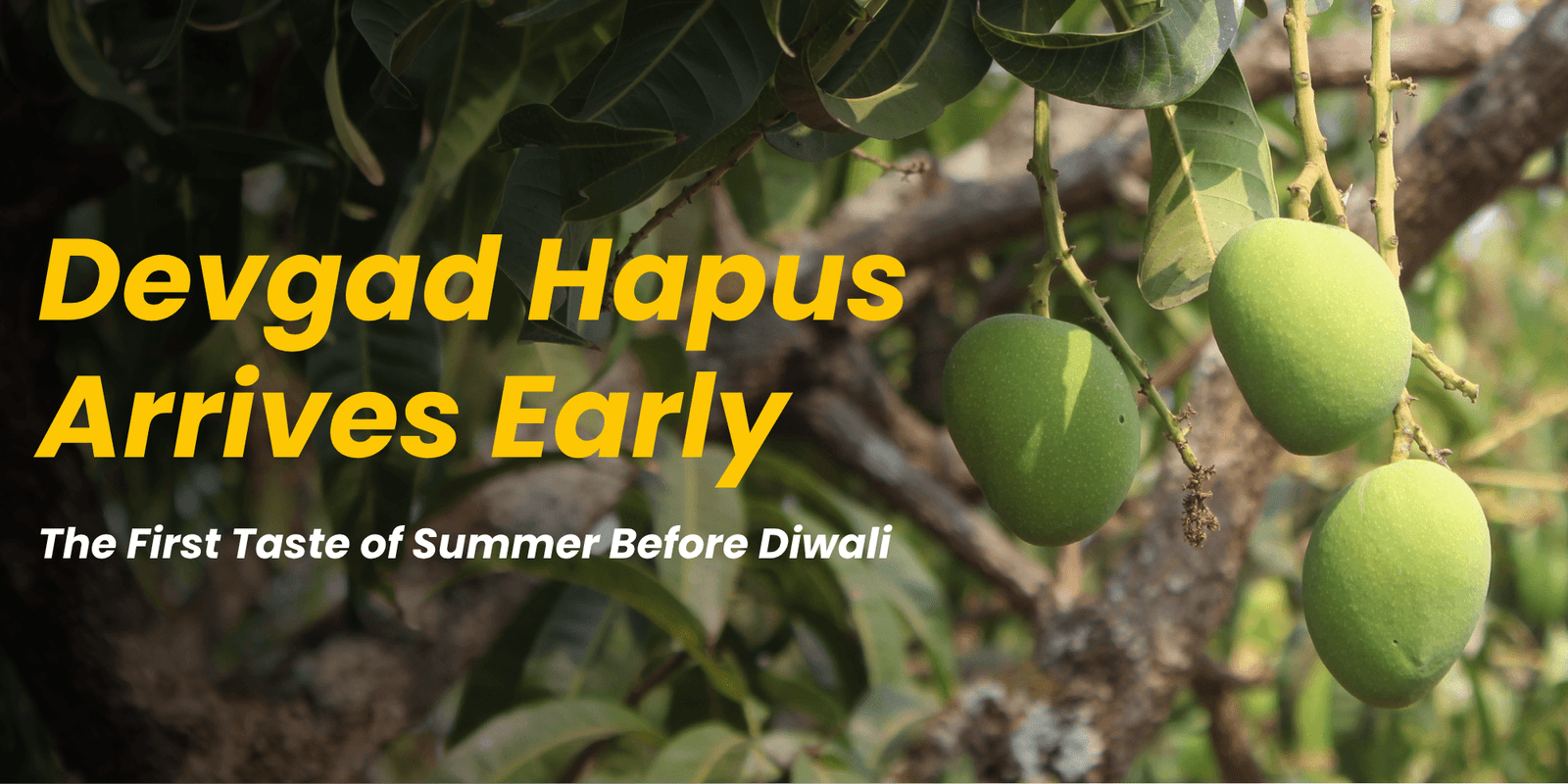
Devgad Hapus Arrives Early : A Mango Delight

Devgad Hapus Arrives Early

Every year, the golden glow of Devgad and Ratnagiri Hapus lights up the Indian summer. But this year, that sunshine arrived early — before Diwali.

In a surprising and exciting turn of events, the first crates of Devgad Hapus mangoes were dispatched to the Vashi fruit market even before the festive lights were lit. For mango lovers, it’s like summer knocking on the door in the middle of autumn.

🌞 A Rare Sight: Mangoes Before Winter

Typically, Alphonso mangoes — known locally as Hapus — reach the markets in March or April.
However, this year, favorable weather and careful cultivation allowed a small early harvest from select Devgad orchards in Sindhudurg district.

These mangoes are part of a controlled flowering cycle, a result of scientific pruning and natural temperature changes post-monsoon.
Farmers noticed early bud induction in July–August, leading to flowering by September — nearly three months ahead of schedule.

“This early batch is small but perfectly matured — naturally ripened and chemical-free,” say local orchard owners.

🧺 First Crate to Vashi: A Symbol of Season’s Promise

The first crate’s journey — from the lush orchards of Devgad to the bustling Vashi fruit market — has become symbolic. It marks not just the start of another mango season, but a message of freshness, hard work, and innovation from Konkan’s farmers.

Fruit traders report that the early mangoes fetched premium prices, with buyers eager to savor the first taste of the King of Fruits long before the usual summer rush.

🍃 Nature’s Rhythm and Farmer’s Wisdom

While early harvests generate excitement, farmers in both Devgad and Ratnagiri are careful to balance innovation with nature’s rhythm.
Hapus trees require rest and controlled stress cycles to ensure high-quality flowering and fruiting in the main season (January–May).

The early crop is therefore limited — more of a teaser than a full-fledged harvest.
It reflects how microclimate, timing, and traditional wisdom come together to create India’s most loved fruit.

🥭 What This Means for Mango Lovers

For mango enthusiasts, this early Devgad batch is a reminder of what’s coming:

  • The rich aroma and sweetness unique to Konkan mangoes.
  • The promise of freshness that no other variety can match.
  • And the anticipation of the grand Ratnagiri Hapus season ahead.

So, while the rest of India celebrates Diwali with sweets and lights, the Konkan coast quietly celebrates with the first slice of golden Hapus — a taste of the summer to come.

✨ Looking Ahead: The King Will Return in Full Glory

As winter approaches, the trees in Ratnagiri and Devgad are preparing for their main flowering phase.
By late December, orchards will be covered in panicles — the delicate blossoms that promise the next season’s treasures.

And by April, the markets will be flooded once again with crates of golden Ratnagiri Hapus — fragrant, juicy, and ready to reign.

Posted on Leave a comment

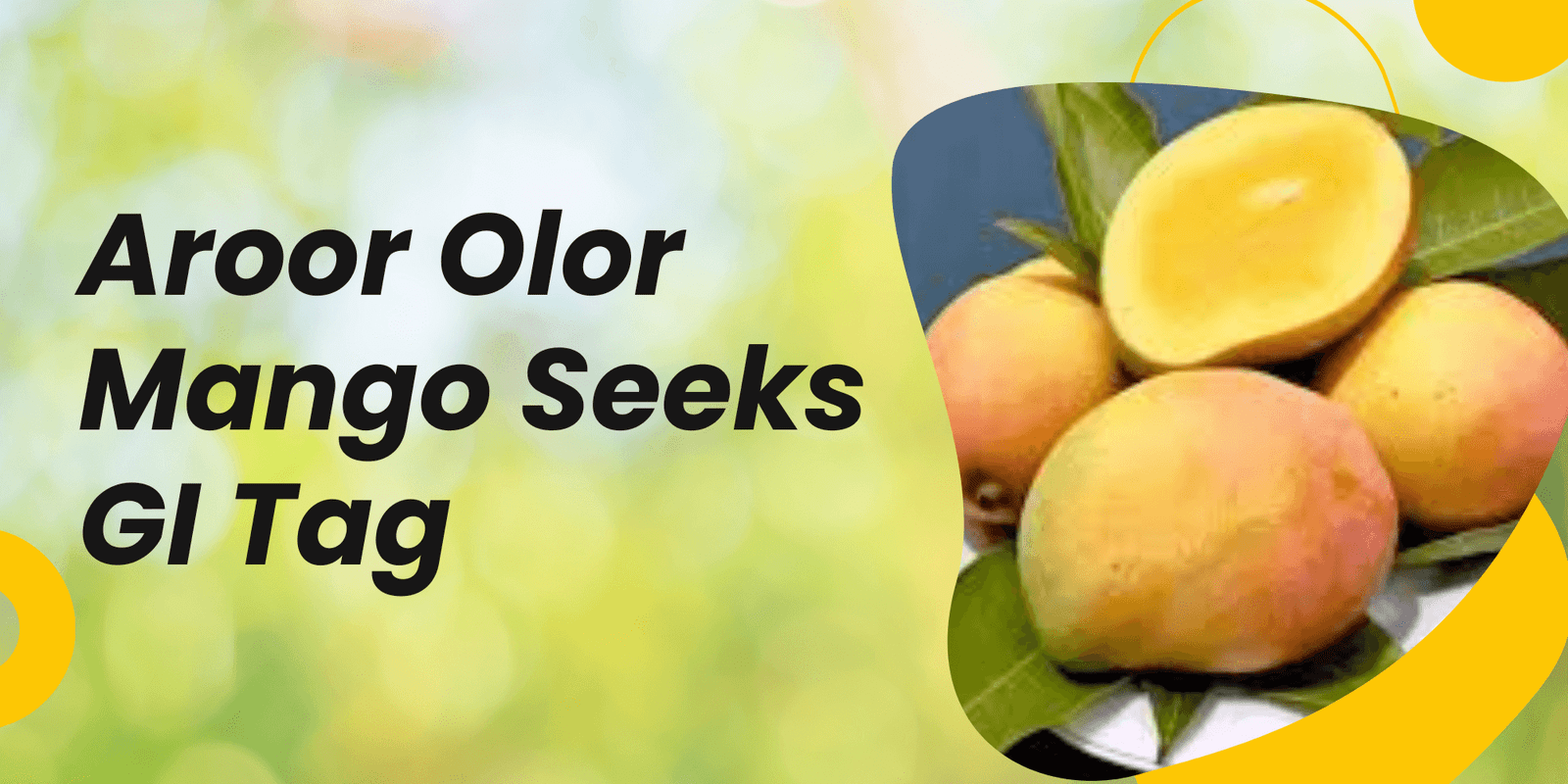
Aroor Olor Mango Seeks GI Tag — Following the Trailblazer, Ratnagiri Hapus

Aroor Olor Mango Seeks GI Tag — Following the Trailblazer, Ratnagiri Hapus

🌴 A New Star in India’s Mango Map

India’s love affair with mangoes has always been deep and poetic. But beyond taste and nostalgia lies something more official — the Geographical Indication (GI) tag, a legal recognition that ties a product’s identity to its native soil.

Recently, the Aroor Olor mango from Kerala made headlines for beginning its journey toward a GI certification, as reported by The New Indian Express (October 2025). The state’s agriculture department confirmed that studies and documentation are underway to establish its unique flavor, texture, and regional heritage.

And for mango lovers everywhere, that’s sweet news — because it continues a legacy started years ago by the legendary Ratnagiri Hapus (Alphonso).


🥭 Ratnagiri Hapus — The Benchmark for Authenticity

Before GI tags became trendy, Ratnagiri Hapus had already set the gold standard.
In 2018, the Geographical Indications Registry of India officially granted Ratnagiri and Devgad Alphonso mangoes the GI tag — recognizing their distinct aroma, golden saffron hue, and buttery pulp as products of a very specific terroir: the lateritic red soil and sea-kissed breeze of coastal Konkan.

This wasn’t just a bureaucratic badge — it was a cultural seal of purity.
It told the world: If it’s from Ratnagiri, it’s real Hapus.
And it inspired dozens of other regions — from Kerala to Bihar — to document their own fruit heritage.


🌍 Why GI Tags Matter So Much

GI tags protect not just products, but the communities and traditions behind them.
Here’s why they’re so powerful for India’s mango growers:

BenefitWhat It Means
🧾 Authenticity ProtectionPrevents other regions from falsely using the same name (like “Ratnagiri Hapus” sold from non-GI areas).
💰 Higher Farmer IncomeCertified produce earns premium pricing in domestic and export markets.
🌱 Cultural PreservationKeeps old farming techniques and local biodiversity alive.
🌏 Export RecognitionGI tags assure importers of origin and quality — a major advantage in global trade.

So when Kerala’s Aroor Olor mango begins its GI journey, it’s not just about one fruit — it’s about continuing India’s larger story of geographical pride and authenticity.


🧡 Lessons from Ratnagiri Hapus for Emerging GI Mangoes

As new contenders like Aroor Olor step into the GI process, the Ratnagiri experience offers timeless lessons:

  1. Document the DNA
    • Ratnagiri’s farmers recorded decades of soil data, rainfall patterns, and taste profiles to prove uniqueness.
  2. Organize Farmer Clusters
    • GI strength comes from unity — hundreds of Ratnagiri and Devgad farmers collaborated under regional boards.
  3. Maintain Purity Post-GI
    • After certification, quality control is ongoing. Packhouses, grading centers, and labeling systems ensure every exported Hapus meets the promise.
  4. Market the Story, Not Just the Fruit
    • Ratnagiri Hapus became a brand because it told its story beautifully — of coastal winds, handpicking, and generational heritage.

🍋 The Bigger Picture: India’s Mango Heritage Is Expanding

With varieties like Aroor Olor (Kerala), Malda Fazli (West Bengal), Kesar (Gujarat), and Banganapalli (Andhra Pradesh) already on the national map, India’s mango landscape is becoming a rich tapestry of local pride.

Each new GI tag adds another chapter to this delicious story — but the Ratnagiri Hapus remains the north star: the mango that taught India to value place-based authenticity.


🌞 Conclusion: The Sweetness of Provenance

As Aroor Olor prepares to claim its spot in the GI family, it follows in the fragrant footsteps of Ratnagiri Hapus — the mango that turned geography into greatness.

At Ratnagiri Hapus Store, we celebrate every mango that honors its roots.
Because whether it’s from Ratnagiri’s sun-drenched slopes or Kerala’s lush groves, true sweetness is born from authenticity.

🥭 Authentic. Verified. Proudly from Ratnagiri.
Explore our GI-certified Alphonso mangoes at ratnagirihapus.store

Posted on Leave a comment

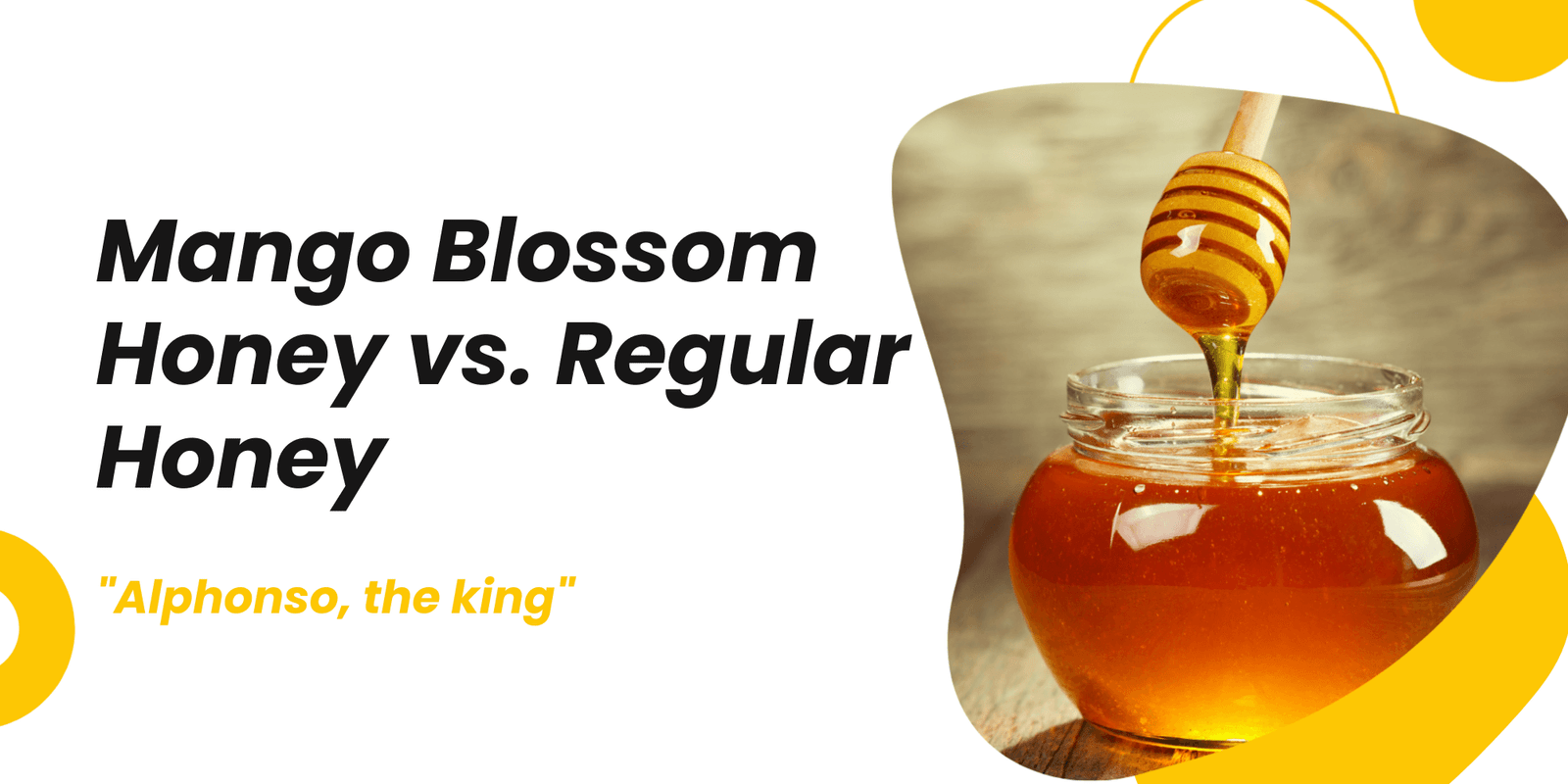
Mango Blossom Honey vs. Regular Honey: Flavor and Health Differences

Mango Blossom Honey vs. Regular Honey

Quick takeaway

Mango blossom honey comes from nectar collected mainly from mango flowers. It tastes tropical and floral with a gentle saffron-like note, pairs brilliantly with desserts, and often carries a richer polyphenol profile than many blended “regular” honeys. Regular honey varies widely by region and season, so its flavor and nutrition swing more. Choose raw, lab-tested honey for the most benefits in either case.

What is mango blossom honey?

Bees forage on mango (Mangifera indica) blossoms during the short flowering window. When most nectar comes from mango trees, beekeepers harvest a monofloral lot called mango blossom honey. Because the source is focused, you get a consistent flavor and aroma that remind many people of Alphonso mango desserts—even though the honey does not taste like fruit juice.

Typical sensory profile

  • Aroma: warm, tropical, floral; faint resin and spice notes
  • Color: light amber to medium amber (varies with season)
  • Taste: medium sweetness, low bitterness, a clean finish; hints of dried apricot or saffron
  • Texture: smooth; crystallization can be fine-grained over time

What is “regular” honey?

“Regular” honey usually blends nectar from many flowers (multifloral). Large packers often standardize flavor and color across batches. Because the nectar mix shifts by location and season, the taste, aroma, and nutrients vary more than in monofloral honeys.

Common profile

  • Aroma: mild to medium floral; sometimes grassy
  • Color: very light to dark amber
  • Taste: sweetness first; notes depend on dominant local flora
  • Texture: crystallization speed depends on glucose/fructose ratio

Side-by-side comparison

FeatureMango Blossom (Monofloral)Regular (Multifloral)
Nectar sourcePrimarily mango blossomsMixed seasonal flowers
FlavorTropical, floral, clean finishRanges from mild to robust
AromaDistinct, warm, slightly spicyVaries; often milder
Antioxidants*Often higher, more consistentVariable by blend
CrystallizationFine crystals over weeks/monthsUnpredictable; depends on flora
Culinary pairingDesserts, cheese boards, teasDaily sweetener, marinades, baking

*Antioxidant levels depend on flora, harvest, handling, and storage.

Flavor: where mango blossom honey shines

Mango blossom honey brings a clear, elegant flavor that doesn’t overpower. It lifts:

  • Alphonso desserts: drizzle over aamras, shrikhand, cheesecakes, pancakes
  • Cheese boards: burrata, fresh chèvre, mild gouda
  • Tea and mocktails: works with ginger, lime, mint, or cardamom
  • Breakfast bowls: yogurt, granola, chia puddings

Regular honey is the workhorse for marinades, baking, and everyday use. If a recipe needs a neutral sweetness, regular honey does the job. If you want a signature note, mango blossom honey adds character.

Nutrition and health basics

Both honeys provide simple sugars (mostly fructose and glucose), trace enzymes, minerals, and plant polyphenols. Raw, minimally processed honey retains more of these compounds.

  • Antioxidants: Mango blossom honey often shows a robust polyphenol profile due to resinous mango flora. This supports general oxidative-stress defense.
  • Glycemic impact: Honey is still sugar. Portion control matters. Many people find a teaspoon in tea satisfies a sweet craving better than refined sugar.
  • Enzymes: Raw honey includes diastase and invertase, which degrade with heat. Gentle handling preserves them.
  • Allergy caution: Never give honey to infants under 12 months. People with pollen allergies should introduce any honey slowly.

Good to know: Color is not a guarantee of quality. Some dark honeys are antioxidant-rich, others are simply caramelized by heat. Focus on source, raw handling, and purity tests.

Purity and authenticity: what to look for

Adulteration (syrups, over-filtration, excessive heating) can strip flavor and nutrition. Buy from producers who share test results.

Checklist

  • Source transparency: region, bloom period, beekeeper or FPO details
  • Raw / unheated claim: “minimally warmed” only for bottling flow
  • Lab tests: HMF (heat marker), moisture, pollen spectrum (melissopalynology), NMR/LC-MS when available
  • No added flavors: avoid “essence” in the ingredient list
  • Crystal-friendly: natural crystallization is a good sign of raw honey

Storage tips

  • Keep the lid tight; store in a cool, dark cupboard (not the fridge).
  • If crystals form, place the jar in warm water (≤40 °C) and stir. Avoid microwaves.
  • Use a dry spoon; moisture invites fermentation.

Which one should you choose?

  • Choose mango blossom honey when you want a unique, premium flavor for desserts, cheese, teas, and gifting.
  • Choose regular honey for everyday sweetening, marinades, and baking where subtle floral notes are less important.
  • Choose raw and tested in both cases. Purity beats marketing claims.

Pairing ideas with Ratnagiri favorites

  • Aamras upgrade: Whisk a teaspoon of mango blossom honey into chilled Alphonso pulp for a glossy finish.
  • Cashew crunch: Drizzle over Ratnagiri flavored cashews for a quick dessert snack.
  • Breakfast boost: Swirl into yogurt, top with freeze-dried Alphonso bits if you stock them.

FAQs

Is mango blossom honey the same as “mango honey”?
No. Mango blossom honey comes from mango flower nectar, not fruit juice. Ethical producers never add flavoring.

Does mango blossom honey taste like Alphonso pulp?
It echoes tropical notes but stays floral and light. Think perfume of mango orchards, not fruit purée.

Is raw honey better?
Raw honey usually retains more enzymes and aroma. However, raw or regular, purity and low-heat handling matter most.

Can diabetics use mango blossom honey?
Only with medical guidance. Honey still impacts blood sugar. Portion control is essential.

How do I confirm authenticity?
Look for lab results (pollen analysis, HMF, moisture) and clear origin info. Reputable sellers provide this on request.

The bottom line

Mango blossom honey brings a signature Konkan orchard note to your table. Regular honey offers everyday versatility. Pick based on flavor and use, but insist on raw, clean, and tested jars for real nutrition and taste.

Want authentic, naturally ripened Alphonso mango products to pair with your honey? Explore Ratnagiri Hapus Store for pulp, seasonal fruit, and premium snacking add-ons—delivered across India.

Posted on Leave a comment

Ratnagiri Vs Other Alphonso Mangoes Key Differences & Prices in 2025

Alphonso mangoes are grown in various parts of India, but Ratnagiri and Sindhudurg districts in Maharashtra produce the finest quality and Ratnagiri and Sindhudurg Alphonso mangoes are GI-certified. The difference lies in taste, texture, aroma, season time, and price. If you’re wondering why Ratnagiri and Sindhudurg Alphonso mangoes are considered superior, this guide will help you understand the key differences in 2025.

1. Geographical & Climatic Advantage 🌍

Ratnagiri and Sindhudurg districts in Maharashtra have laterite-rich soil, which is well-drained and slightly acidic—ideal for Alphonso mango cultivation. The coastal climate provides high humidity, moderate rainfall, and ample sunlight, which help in the natural ripening of mangoes and enhance their distinct aroma and taste.

  • These conditions enhance natural sweetness, aroma, and smooth texture.
  • Other regions, such as Karnataka, Gujarat, Andhra Pradesh, and Tamil Nadu, grow Alphonso mangoes, but due to different soil and climate, the taste and aroma vary significantly.

2. Season Time in 2025 📅

The harvesting season for Alphonso mangoes varies by region due to climate differences.

RegionSeason Duration
Ratnagiri & SindhudurgMid-March to June
KarnatakaFebruary to May
GujaratApril to June
Andhra PradeshMarch to May
Tamil NaduFebruary to April

Ratnagiri and Sindhudurg mangoes have a longer season, allowing better ripening and superior taste.
❌ In other regions, mangoes ripen earlier due to higher temperatures, affecting their natural sweetness and shelf life.


3. Taste & Texture Difference 🥭

Ratnagiri & Sindhudurg Alphonso:

  • Naturally sweet with a slight tangy hint, giving a rich and balanced flavor.
  • Buttery texture, free from fiber, and melts in the mouth.
  • Strong, fragrant aroma that fills the room when ripe.

Other Regions (Karnataka, Gujarat, Tamil Nadu, Andhra Pradesh):

  • Often mildly sweet or sometimes excessively sweet without the tangy balance.
  • Slightly fibrous texture, making it less smooth.
  • Weaker aroma, sometimes missing the strong, fruity fragrance of real Alphonso.

4. GI Tag Certification ✅

Ratnagiri and Sindhudurg Alphonso mangoes are GI-certified, meaning they meet strict quality standards and are considered authentic.
❌ Mangoes from other states do not have this certification, meaning they may not meet the same taste and quality standards.


5. Price Difference in 2025 💰

Due to their superior quality, limited availability, and high demand, Ratnagiri and Sindhudurg Alphonso mangoes are more expensive than those grown in other regions.

RegionPrice per Dozen (approx.)
Ratnagiri/Sindhudurg₹1200 – ₹3000
Karnataka₹800 – ₹1500
Gujarat₹600 – ₹1200
Andhra Pradesh₹500 – ₹1000
Tamil Nadu₹400 – ₹900
  • Ratnagiri and Sindhudurg mangoes cost more because of their premium quality, GI certification, and careful cultivation process.
  • Other regions sell Alphonso mangoes at lower prices due to differences in taste, quality, and farming methods.

6. Natural Ripening vs. Artificial Ripening ⚠

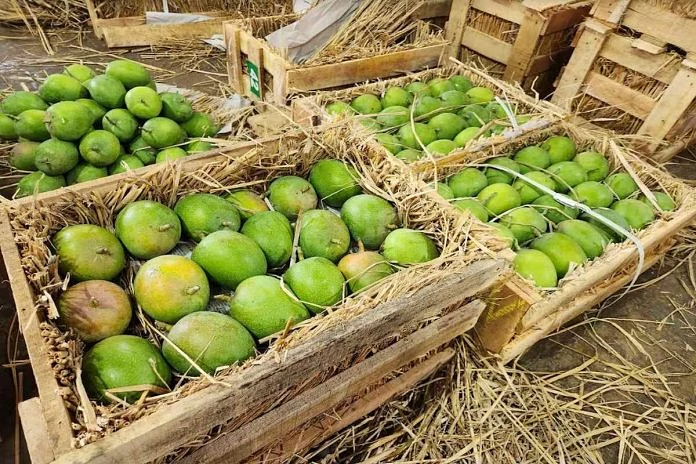
Ratnagiri & Sindhudurg Alphonso mangoes are ripened naturally using traditional haystack methods, which maintain their natural sweetness and texture.
❌ Some other regions use artificial ripening agents like carbide and ethylene, which can affect taste and pose health risks.


7. How Ratnagiri Hapus Store Brings the Best Alphonso to You in 2025 🚚

To ensure customers receive authentic, naturally ripened Alphonso mangoes, Ratnagiri Hapus Store sources directly from farmers in Ratnagiri and Sindhudurg.

  • We support local farmers by ensuring they receive the right price for their produce.
  • Our strict quality control process guarantees that only the finest mangoes reach customers.
  • With trusted logistics partners, we deliver fresh mangoes to over 20,000+ customers across 8,000+ pincodes in India.

🥭 Order Authentic Alphonso Mangoes Online in 2025: www.ratnagirihapus.store

Would you like to learn more about how to store Alphonso mangoes for longer freshness? 😊

Posted on Leave a comment

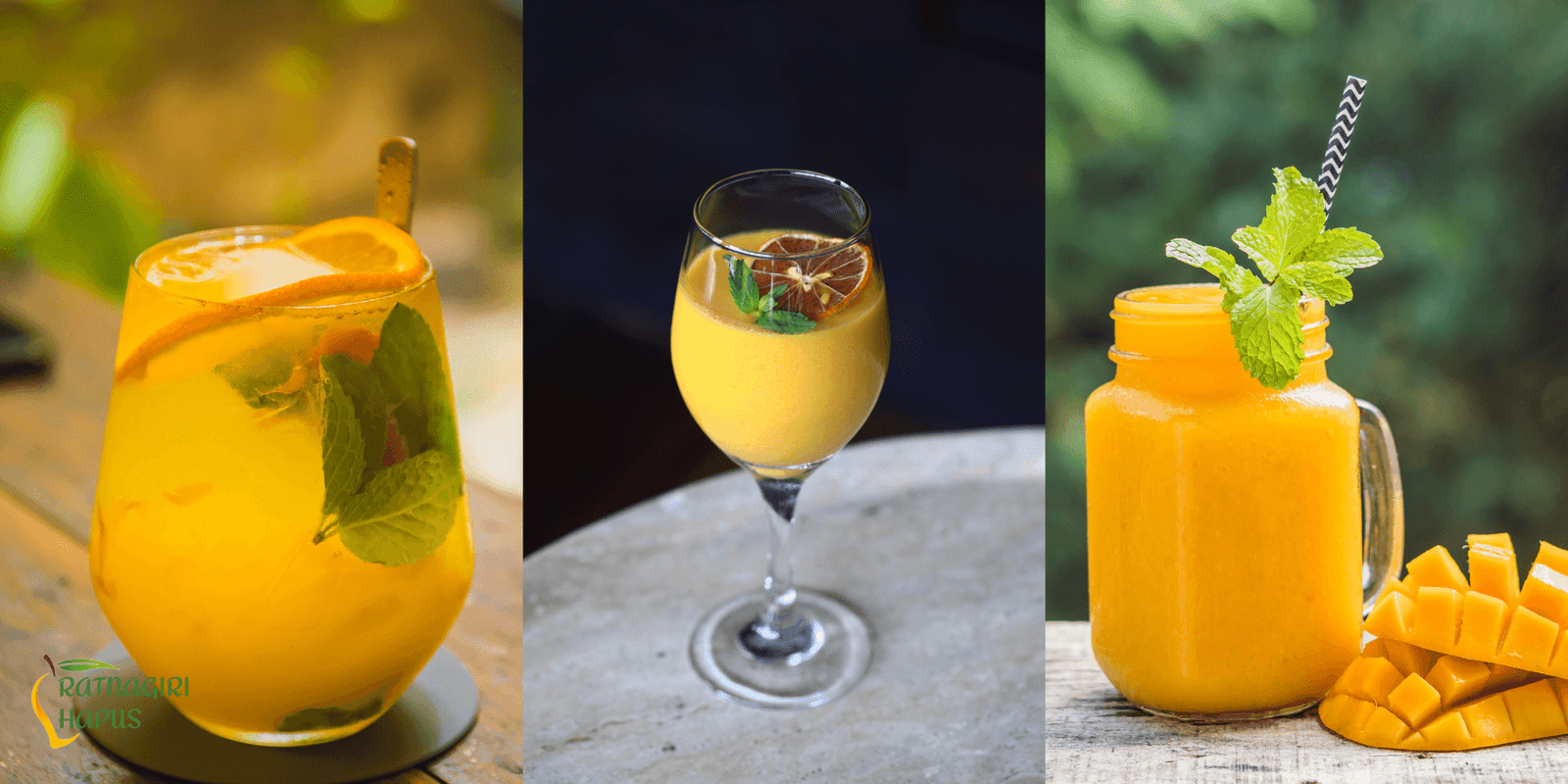
Mango Mocktails: Low‑Sugar Alphonso Drinks for Health‑Conscious Millennials

Alphonso mangoes already top every fruit lover’s list, but the new wave of health‑conscious millennials wants flavor without the sugar crash. Enter low‑sugar mango mocktails—fresh, bright, and packed with the natural sweetness of Alphonso pulp. These drinks skip refined syrups and embrace whole ingredients, sparkling water, and guilt‑free sweeteners. Whether you’re hosting a brunch, winding down after yoga, or simply craving a hydrating pick‑me‑up, these five recipes keep calories in check while delivering that unmistakable Hapus taste.

Why Choose Alphonso for Mocktails?

Alphonso mangoes provide a naturally sweet, floral note that needs very little extra sugar. With a Brix reading of 18–22, they lend enough body to balance soda or tonic water. Their vibrant saffron hue also makes every glass pop on social media feeds—no artificial coloring required. When you rely on GI‑certified Ratnagiri or Devgad pulp, you support farmers who ripen fruit naturally without chemicals.

The Low‑Sugar Rulebook

Swap sugary mixers for:

  • cold‑pressed Alphonso pulp or unsweetened fresh juice
  • stevia, monk fruit, or a drizzle of raw honey if a recipe needs more sweetness
  • sparkling water, kombucha, or coconut water instead of soda
  • fresh herbs, citrus wedges, and spices to add flavor without calories

Five Easy Mocktails (Serves 1 each)

1. Sparkling Saffron Mango Cooler

Ingredients
3 tbsp Alphonso pulp
200 ml chilled sparkling water
juice of half a lime
1 pinch saffron threads
crushed ice

Method
Stir pulp, lime juice, and saffron in a tall glass. Add ice, top with sparkling water, and gently swirl. Garnish with a lime wheel. Each glass clocks in under 60 kcal and feels festive enough for any party.

2. Mango‑Mint Kombucha Fizz

Ingredients
¼ cup unsweetened green‑tea kombucha
2 tbsp Alphonso pulp
5 fresh mint leaves, torn
100 ml chilled still water
ice cubes

Method
Muddle mint with pulp, add kombucha, then pour water and stir. Drop in ice cubes and garnish with a mint sprig. The tangy kombucha adds probiotics, while Alphonso rounds out the flavor with no added sugar.

3. Coconut‑Mango Hydrator

Ingredients
½ cup tender coconut water
2 tbsp Alphonso pulp
1 tsp chia seeds, soaked 10 min
splash of lime

Method
Combine coconut water, pulp, and soaked chia in a mason jar. Add lime, shake, and chill for ten minutes so chia forms a light gel. This mocktail offers electrolytes, fiber, and no refined sugar—ideal after a workout.

4. Chili‑Lime Alphonso Spritz

Ingredients
3 tbsp Alphonso pulp
pinch of red chili flakes
200 ml club soda
juice of half a lime
salt for the rim

Method
Run a lime wedge around the rim, dip the glass in salt, then add pulp, lime juice, and chili flakes. Fill with soda and give a quick stir. The sweet‑spicy hit satisfies snack cravings with only 40 kcal per serving.

5. Ginger‑Turmeric Mango Tonic

Ingredients
150 ml sugar‑free ginger ale
2 tbsp Alphonso pulp
¼ tsp grated fresh turmeric
dash of black pepper
lemon twist

Method
Whisk pulp, turmeric, and pepper until smooth. Add ice, pour ginger ale, and garnish with a lemon twist. Turmeric’s earthy note pairs surprisingly well with Alphonso, while black pepper increases curcumin absorption.

Pro Tips for Perfect Mocktails

  • Use chilled ingredients for maximum fizz and minimum dilution.
  • Blend pulp in a blender for a silky texture if your pulp feels thick.
  • Store opened pulp in an airtight glass jar and finish within seven days.
  • Batch for parties by multiplying each recipe and mixing just before serving to keep carbonation lively.

Where to Get Pure Alphonso Pulp

For a faithful Hapus experience, choose naturally ripened, GI‑tagged Alphonso pulp from trusted sources like RatnagiriHapus.Store. Each tin is additive‑free, packed at source, and shipped nationwide in tamper‑proof boxes.

The Healthy Bottom Line

Low‑sugar mocktails bridge the gap between indulgence and wellness, letting you enjoy India’s finest mango throughout the year. With Alphonso’s robust natural sweetness, you need little else to craft refreshing drinks that fit calorie goals and clean‑label preferences.

Posted on Leave a comment

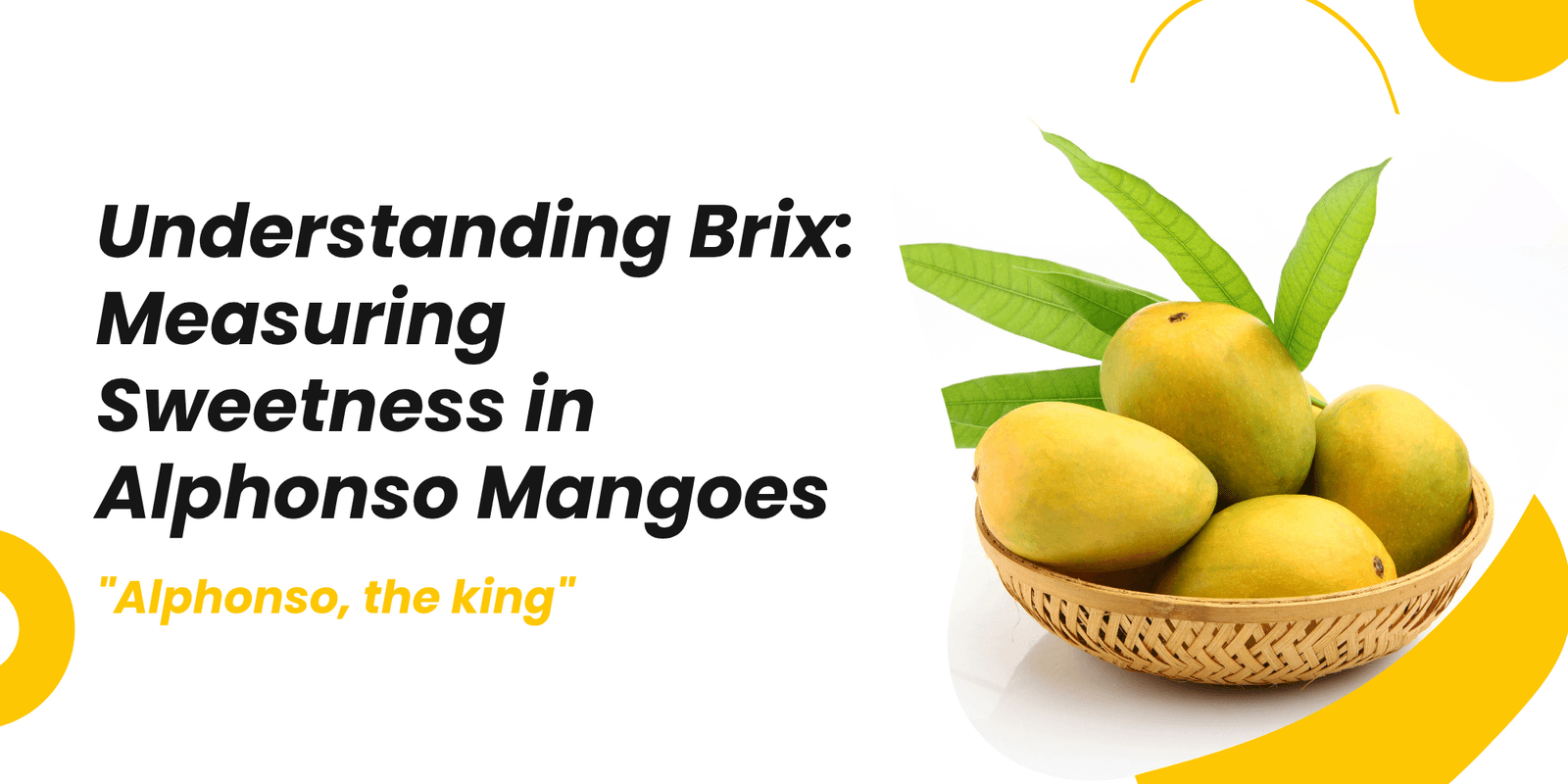
Alphonso Mango Brix: Measuring Sweetness in Alphonso Mangoes

Understanding Brix: Measuring Sweetness in Alphonso Mangoes

When you bite into a perfectly ripe Alphonso mango, one of the first sensations you notice is its sweetness. But have you ever wondered how farmers and quality experts actually measure that sweetness? The answer lies in a simple scientific term—Brix (sometimes spelled “brik”). Knowing a mango’s Brix level helps growers time their harvest, assures exporters of quality, and gives consumers a reliable gauge of flavor.

Alphonso Mango Brix

What Is Brix?

Brix is a unit that indicates the percentage of soluble solids—mainly natural sugars—in fruit juice. A reading of 20 °Brix means there are 20 grams of sugar per 100 grams of juice. For Alphonso mangoes, Brix typically ranges from 18 ° to 22 °, the zone where the fruit tastes richly sweet but still balanced.

How Brix Is Measured

Growers use a handheld refractometer. They place a few drops of mango juice on its glass prism, close the lid, and hold it up to the light. The instrument bends (refracts) light at an angle proportional to sugar content and displays the Brix value instantly. Because a refractometer is pocket-sized, farmers can roam through the orchard, sampling fruit as the season progresses.

Why Brix Matters to Farmers

  1. Optimal Harvest Timing: If the average Brix across sample fruits reaches 18 °, farmers know the mangoes have achieved peak sweetness.
  2. Batch Consistency: Export pack-houses often set a minimum Brix threshold, rejecting batches that fall short to maintain brand reputation.
  3. Pricing Advantage: A high Brix score can fetch premium prices in both domestic and international markets, rewarding growers for careful cultivation.

Why Consumers Should Care

A high Brix number translates directly to a richer, more satisfying flavor. It also signals that the mango has ripened naturally, allowing sugars to develop fully on the tree or during hay ripening. When shopping online or at a fruit market, asking about Brix can help ensure you’re buying fruit at its peak.

Alphonso Mango Brix

Factors That Influence Brix in Alphonso Mangoes

  • Sunlight: Trees with good canopy exposure produce sweeter fruit.
  • Soil Health: Balanced nutrients and organic matter foster optimal sugar synthesis.
  • Irrigation: Controlled, minimal watering before harvest concentrates sugars.
  • Climate Conditions: A stable temperature range during ripening promotes higher Brix.

Ratnagiri Hapus Store and Brix Testing

Our partner orchards in Ratnagiri and Devgad routinely take Brix readings before harvest. We ship only those lots that meet or exceed 18 °Brix, guaranteeing a sweet, authentic Alphonso experience. Each batch is traceable, so customers know they’re receiving fruit picked at the right moment.

Quick Tips for Mango Lovers

  • Ask for Numbers: Serious sellers won’t hesitate to share Brix data.
  • Feel and Smell: A naturally ripened, high-Brix mango yields slightly under gentle pressure and emits a fragrant aroma at the stem end.
  • Store Smartly: Keep ripe fruit at room temperature for immediate use or refrigerate to slow further softening.

Understanding Brix turns mango buying from guesswork into an informed choice. Whether you’re a farmer aiming for quality certification or a consumer craving that perfect bite, sugar levels tell a sweet story—one that begins in the orchard and ends on your table.

Posted on Leave a comment

Hapus Mango Market Update 2025: 9,000 Boxes Arrive at Vashi APMC Amidst Climate Challenges

Hapus Mango Market Update: 9,000 Boxes Arrive at Vashi APMC Amidst Climate Challenges

The much-anticipated Hapus (Alphonso) mango season has officially commenced, with a significant influx of 9,000 boxes arriving at Mumbai’s Vashi Agricultural Produce Market Committee (APMC). This marks a substantial increase compared to previous weeks, where arrivals were limited to around 700 boxes, predominantly from the Devgad region. Hapus Mango Market Update: 9,000 Boxes Arrive at Vashi APMC Amidst Climate Challenges

lokmat.com

Market Prices and Dynamics

The surge in arrivals has led to a notable impact on market prices. Previously, with limited supply, prices ranged between ₹8,000 to ₹10,000 per box. However, the recent influx has caused prices to stabilize, with current rates averaging between ₹7,000 to ₹12,000 per box, depending on quality and size.

lokmattimes.com

Factors Influencing the Market

Several factors have contributed to the current market scenario:

  • Climate Challenges: Extended monsoons and unseasonal weather patterns have affected the flowering and ripening cycles of mangoes, leading to initial delays in arrivals. lokmattimes.com
  • Regional Variations: The majority of the recent arrivals are from the Devgad region, with Ratnagiri Hapus expected to enter the market around mid-March. lokmattimes.com

Looking Ahead

As the season progresses, consumers can anticipate increased availability of both Devgad and Ratnagiri Hapus mangoes. This is likely to result in more competitive pricing and a wider selection in the market. Traders remain optimistic about maintaining a steady supply, ensuring that mango enthusiasts can relish the king of fruits throughout the season.

Stay tuned for further updates on market trends, pricing, and availability as the Hapus mango season unfolds.

Order Fresh Hapus Mangoes Online in 2025!

For those looking to buy authentic Alphonso mangoes directly from trusted sources, Ratnagiri Hapus Store offers a seamless online shopping experience. With nationwide delivery and a commitment to quality, customers can now get their favorite mangoes delivered straight to their doorstep.

As the Hapus mango season 2025 unfolds, mango lovers have much to look forward to. Whether you prefer Devgad Hapus or Ratnagiri Hapus, the coming months promise a delightful treat for all! Stay tuned for updates on market trends, pricing, and availability. 🍋🥭 Hapus Mango Market Update: 9,000 Boxes Arrive at Vashi APMC Amidst Climate Challenges