Posted on Leave a comment

What is Alphonso Mango? Everything You Need to Know About the King of Mangoes
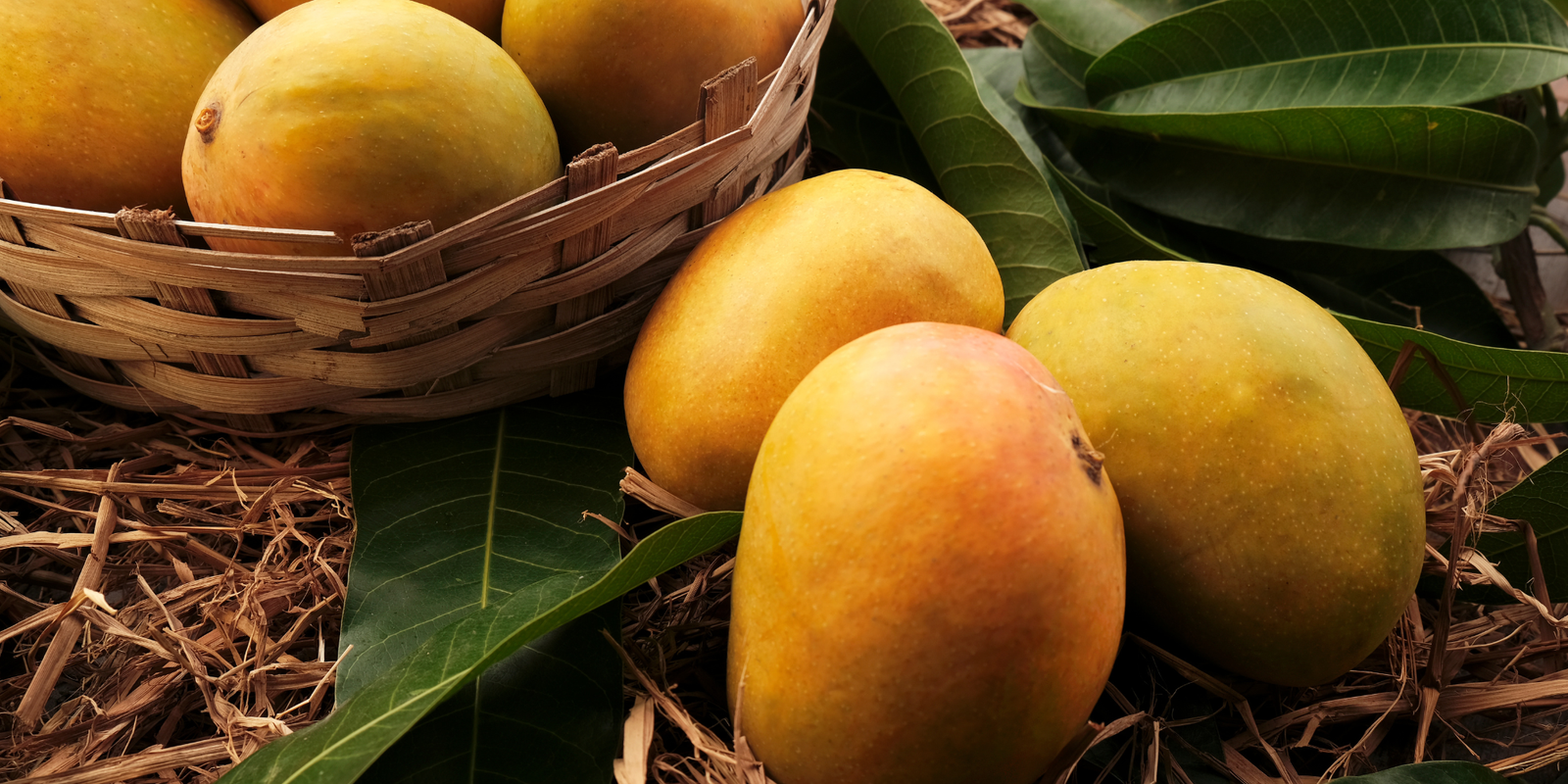
What is Alphonso Mango? Everything You Need to Know About the King of Mangoes

Discover everything about Alphonso Mango—its origin, history, taste, growing regions, GI tag, health benefits, season, and why Ratnagiri Hapus is considered the finest mango in India.

What Is Alphonso Mango?

Alphonso Mango, popularly known as Hapus in Maharashtra, is one of the world’s most celebrated mango varieties. Famous for its rich sweetness, creamy texture, vibrant golden-yellow pulp, and irresistible aroma, it has earned the title “The King of Mangoes.”

Unlike many other mango varieties, Hapus offers a perfect balance of sweetness, fragrance, and smooth, fiberless pulp. As a result, it has become the preferred choice of mango lovers, chefs, exporters, and food manufacturers across the world.

India grows hundreds of mango varieties. However, Hapus continues to stand apart because of its exceptional eating quality and limited seasonal availability. Every year, millions of consumers eagerly wait for the arrival of fresh Ratnagiri Hapus, making it one of India’s most anticipated seasonal fruits.

Today, Alphonso is enjoyed not only as fresh fruit but also in mango pulp, juices, smoothies, desserts, ice creams, chocolates, cheesecakes, and premium confectionery products.

Why Is Alphonso Mango Called the King of Mangoes?

Alphonso did not receive the title King of Mangoes by chance. Instead, it earned this reputation through generations of consistent quality and unmatched flavour.

Several qualities make Hapus superior to many other mango varieties.

Exceptional Sweetness

First, Alphonso develops a naturally rich sweetness during ripening. Unlike artificially sweet fruits, its flavour is balanced with mild citrus notes that create a refreshing taste.

Smooth, Fiberless Pulp

Another reason for its popularity is its buttery, fiberless texture. The pulp melts in your mouth, making it perfect for eating fresh as well as preparing desserts and beverages.

Rich Natural Aroma

One of the first things people notice about a ripe Alphonso Mango is its strong tropical fragrance. In fact, its aroma is often enough to identify an authentic Alphonso before cutting the fruit.

Premium Appearance

A ripe Alphonso usually develops a beautiful golden-yellow skin with deep saffron-colored pulp inside. Although every mango may look slightly different, premium hapus Mangoes have a distinctive appearance that consumers instantly recognize.

Limited Seasonal Availability

Unlike many fruits available throughout the year, fresh Alphonso Mangoes are harvested only once every season. Therefore, their short availability increases both their exclusivity and demand.

International Recognition

Today, Ratnagiri Hapus Mango is exported to several countries around the world. Its premium quality has made it one of India’s most valuable fruit exports and one of the country’s best-known agricultural products.

Because of these qualities, Ratnagiri Hapus Mango continues to enjoy its reputation as the true King of Mangoes.

The History and Origin of Alphonso Mango

The history of Alphonso Mango dates back more than 500 years.

During the 16th century, Portuguese explorers introduced improved grafting techniques to India’s western coast. Many historians believe that the mango eventually came to be associated with Afonso de Albuquerque, a Portuguese military commander and administrator. Although historians continue to debate the exact origin of the name, the variety gradually became known as Alphonso.

Over the centuries, farmers in Maharashtra’s Konkan region refined cultivation techniques and selected superior trees generation after generation. Consequently, the Ratnagiri Hapus Mango evolved into the premium variety we know today.

Modern Ratnagiri Hapus Mango is therefore the result of centuries of traditional farming, careful selection, and favourable natural conditions rather than a single historical event.

Why Does Alphonso Mango Taste Different?

Many consumers wonder why Alphonso Mango tastes different from other mango varieties.

The answer lies in a combination of natural factors rather than a single reason.

These include:

  • Coastal climate
  • Mineral-rich laterite soil
  • Sea breeze
  • Heavy monsoon rainfall
  • Warm summer temperatures
  • Traditional orchard management
  • Natural ripening process

Together, these conditions help develop the mango’s unique sweetness, aroma, texture, and saffron-colored pulp.

No artificial process can replicate this combination of natural factors. Therefore, authentic Ratnagiri Alphonso continues to maintain its premium reputation.

Why Is Alphonso Mango Famous Worldwide?

Mangoes one of India’s most recognized agricultural products.

Consumers around the world appreciate it because of its:

  • Naturally sweet flavour
  • Creamy, fiberless texture
  • Rich tropical aroma
  • Bright saffron-colored pulp
  • Premium quality
  • Excellent suitability for desserts and beverages

Besides fresh consumption, Alphonso Mango is widely used in premium food products such as:

  • Mango pulp
  • Ice cream
  • Cheesecakes
  • Milkshakes
  • Smoothies
  • Yogurt
  • Chocolates
  • Bakery products
  • Fruit concentrates

Because of this versatility, demand for Alphonso continues to grow in both domestic and international markets.

Quick Facts About Alphonso Mango

FeatureDetails
Common NameAlphonso Mango
Local NameHapus
Scientific NameMangifera indica
Main Growing StateMaharashtra
Premium Growing RegionsRatnagiri, Devgad, Raigad, Palghar
Fruit SeasonMarch to June
TextureSmooth and Fiberless
TasteSweet with mild citrus notes
Pulp ColorDeep Golden Yellow to Saffron
GI TagYes (Ratnagiri Alphonso)
Best UsesFresh Fruit, Pulp, Desserts, Juices, Ice Cream

Frequently Asked Questions

Is Alphonso Mango the best mango in India?

Many people consider Alphonso Mango to be India’s finest mango because of its sweetness, aroma, and creamy texture. Taste preferences, however, can vary from person to person.

Is Alphonso Mango naturally sweet?

Yes. Its sweetness develops naturally as the fruit ripens on the tree and after harvest.

Why is Ratnagiri Alphonso Mango famous?

Ratnagiri’s coastal climate, laterite soil, and traditional cultivation methods contribute to the mango’s distinctive flavor and aroma.

What is the difference between Alphonso and Hapus?

There is no difference. “Hapus” is the Marathi name for Alphonso Mango.

Can Alphonso Mango be exported?

Yes. Fresh Alphonso Mangoes and processed products such as mango pulp are exported to many countries, subject to the importing country’s regulations.

Conclusion

Alphonso Mango is more than just a fruit—it is a symbol of India’s rich agricultural heritage and one of the world’s most celebrated mango varieties. With its unmatched sweetness, buttery texture, captivating aroma, and limited seasonal availability, it continues to delight mango lovers across the globe.

If you’re looking for an authentic experience, choose naturally ripened, GI-recognized Ratnagiri Alphonso Mangoes from a trusted source to enjoy the true taste of the Konkan region.
Posted on Leave a comment

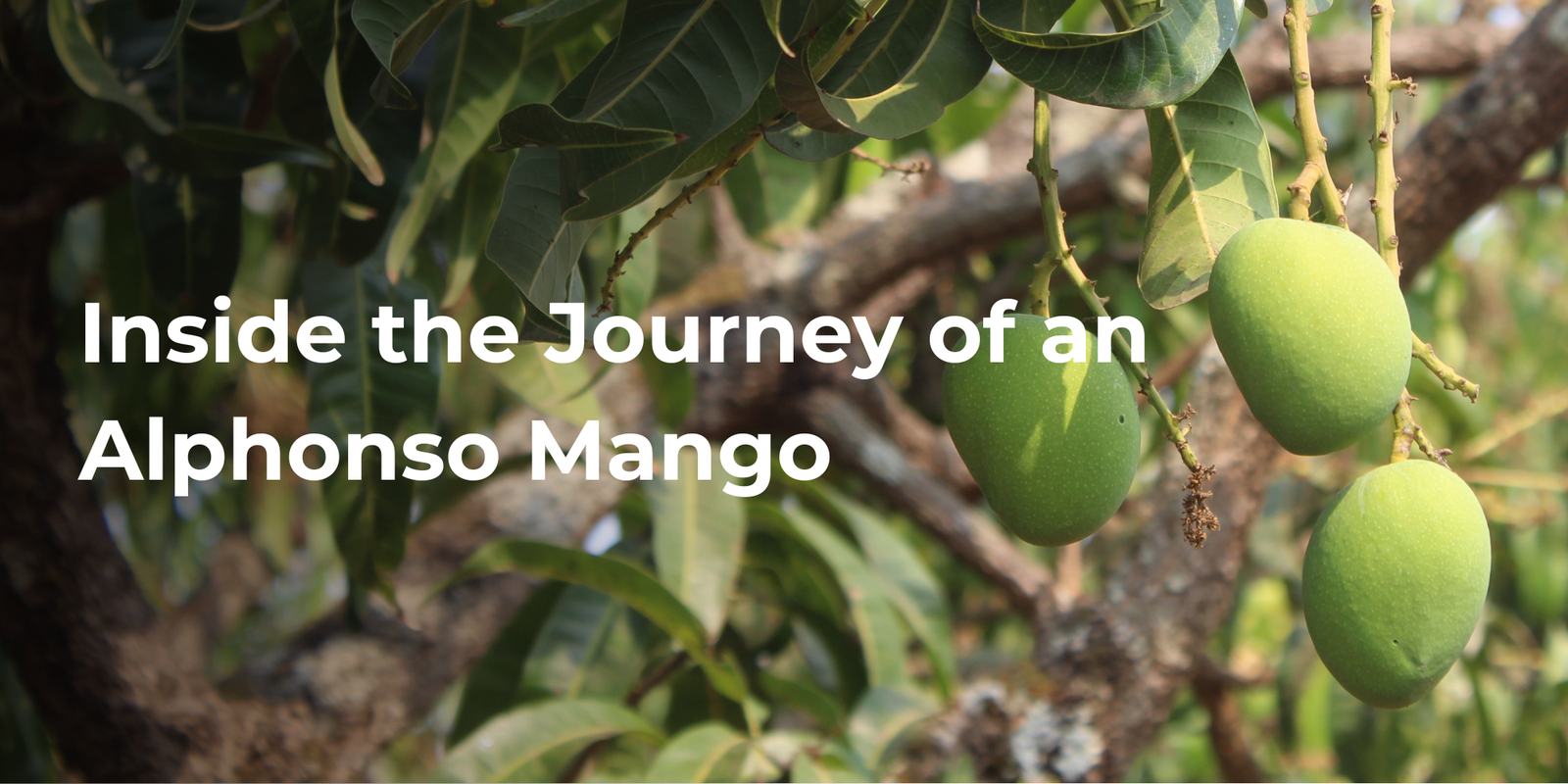
Inside the Journey of an Alphonso Mango: From Ratnagiri Orchard to Your Doorstep

Inside the Journey of an Alphonso Mango: From Ratnagiri Orchard to Your Doorstep

Every Ratnagiri Alphonso mango has a story long before it reaches your dining table.

Behind its rich aroma, buttery texture, and sweet taste lies months of dedication, careful farming, unpredictable weather, and meticulous handling. From flowering in the orchards of Ratnagiri to being delivered fresh to homes across India, each mango passes through a remarkable journey.

Let’s take you behind the scenes.

Step 1: The Beginning – Flowering Season

The journey begins in December and January, when Alphonso mango trees start producing delicate flowers, known as mohor.

This is one of the most critical stages of the entire season.

Farmers closely monitor:

  • Temperature
  • Humidity
  • Wind conditions
  • Pest attacks
  • Rainfall

A sudden weather change during flowering can significantly reduce fruit production.

The success of the entire season depends on these tiny blossoms.

Step 2: Fruit Setting

Once pollination is successful, small mangoes begin to appear.

This stage determines how many flowers will actually become mangoes.

Nature plays a huge role here.

Strong winds, unexpected rain, excessive heat, or temperature fluctuations can cause young fruits to fall naturally.

Only the healthiest fruits continue growing.

Step 3: Four Months of Patient Care

Unlike many fruits, Alphonso mangoes require continuous care throughout their growth.

Farmers regularly:

  • Inspect every orchard
  • Remove diseased fruits
  • Monitor insects
  • Maintain soil moisture
  • Protect trees from weather damage

There are no shortcuts.

Healthy Alphonso mangoes are the result of months of careful attention.

Step 4: Harvesting at the Right Time

Contrary to popular belief, Alphonso mangoes are not harvested when they are fully ripe.

Experienced farmers handpick mangoes at the correct maturity stage.

Picking too early affects taste.

Picking too late reduces shelf life.

Every mango is harvested carefully to avoid bruising.

This process is still done manually in most Ratnagiri orchards.

Step 5: Sorting and Quality Inspection

After harvesting, mangoes reach the collection center.

Here every fruit is inspected.

Mangoes are sorted according to:

  • Size
  • Weight
  • Shape
  • Skin quality
  • Maturity

Only premium-quality mangoes are selected for online orders.

This quality control process ensures customers receive consistent fruit.

Step 6: Natural Ripening

One of the biggest differences at Ratnagiri Hapus Store is our commitment to natural ripening.

We do not use chemical ripening agents.

Instead, mangoes are allowed to ripen naturally under carefully monitored conditions.

Although this process takes longer and results in approximately 5–10% higher fruit wastage, it preserves what makes Alphonso mango truly special:

  • Natural sweetness
  • Rich aroma
  • Creamy texture
  • Authentic flavor

For us, quality always comes before speed.

Step 7: Careful Packaging

Packaging is much more than placing mangoes inside a box.

Each mango is carefully packed using protective materials to reduce movement during transportation.

Our packaging is designed to:

  • Minimize transit damage
  • Allow proper airflow
  • Protect delicate skin
  • Maintain freshness

Every box is prepared with the goal of ensuring the mangoes arrive in excellent condition.

Step 8: Fast Delivery Across India

Once packed, orders are dispatched through trusted logistics partners.

Fresh Alphonso mangoes are delivered to customers across India, including:

  • Mumbai
  • Pune
  • Bengaluru
  • Delhi NCR
  • Ahmedabad
  • Chennai
  • Hyderabad
  • Kolkata
  • Kochi

Because Alphonso mangoes are highly perishable, timely delivery is essential to preserve freshness and eating quality.

Step 9: The Final Quality Check—At Your Home

The journey doesn’t end when the package leaves our facility.

When your order arrives, we recommend:

  • Opening the box carefully
  • Allowing the mangoes to ripen naturally if needed
  • Storing ripe mangoes in a cool place or refrigerator
  • Enjoying them at their peak sweetness

Watching a naturally ripened Alphonso develop its golden color and signature fragrance is part of the experience.

The Challenges Behind Every Mango

Most people see only the finished product.

Few see the challenges behind it.

Every season, farmers and businesses navigate:

  • Unpredictable weather
  • Climate change
  • Rising labour costs
  • Packaging expenses
  • Fuel price increases
  • Transportation challenges
  • Limited harvest windows

In 2026, these challenges became even greater due to reduced fruit production, unseasonal rainfall, heat waves, and increased logistics costs.

Despite these obstacles, thousands of premium Alphonso mangoes continue making their way from Ratnagiri orchards to homes across India.

Why Ratnagiri Hapus Store Is Different

At Ratnagiri Hapus Store, every mango represents more than just a fruit—it represents the hard work of Konkan farmers and our commitment to delivering authentic quality.

We proudly:

  • Source directly from trusted Ratnagiri and Devgad orchards
  • Support local farmers through direct procurement
  • Naturally ripen mangoes without chemical ripening agents
  • Use secure packaging for safe transportation
  • Deliver fresh Alphonso mangoes across India
  • Maintain transparency throughout the season

Even during difficult years, our goal remains the same: to provide customers with genuine Ratnagiri Hapus while preserving the authenticity that makes this mango truly special.

Every Mango Has a Story

The next time you enjoy a Ratnagiri Alphonso mango, remember that its journey began months earlier in the lush orchards of the Konkan coast.

It survived changing weather, careful cultivation, patient ripening, meticulous quality checks, and a carefully planned delivery process before reaching your home.

That journey is what makes every authentic Alphonso mango more than just a fruit—it is a celebration of nature, craftsmanship, and the dedication of the people who grow it.

Frequently Asked Questions

How long does it take for an Alphonso mango to grow?

From flowering to harvest, Alphonso mangoes generally take around 3–4 months to mature, depending on weather conditions.

Are Ratnagiri Hapus Store mangoes naturally ripened?

Yes. We follow natural ripening methods and do not use chemical ripening agents, ensuring authentic taste, aroma, and texture.

Why are Alphonso mangoes harvested before they are fully ripe?

They are picked at the right maturity stage so they can ripen naturally during storage and transportation, preserving their quality and shelf life.

How are Alphonso mangoes packed for delivery?

Each mango is carefully sorted and packed using protective materials to minimize transit damage while maintaining freshness during delivery.

Posted on Leave a comment

How to Choose the Best Alphonso Mango Pulp Manufacturer in India

Alphonso Mango Aamras

India is the world’s largest producer of mangoes, and Alphonso mangoes are recognized globally for their rich aroma, vibrant golden color, smooth texture, and naturally sweet taste. These premium characteristics have made Alphonso Mango Pulp one of the most demanded ingredients in the food and beverage industry across the Middle East, Europe, North America, and Asia.

Whether you manufacture beverages, dairy products, desserts, ice cream, bakery items, baby food, or confectionery, selecting the right Alphonso Mango Pulp Manufacturer in India directly impacts product quality, consistency, and long-term business success.

This guide explains everything international buyers should evaluate before selecting a supplier.

Why Choosing the Right Manufacturer Matters

Many buyers compare suppliers only on price.

However, the lowest price often results in:

  • Inconsistent taste
  • Poor colour
  • High microbial count
  • Delayed shipments
  • Packaging failures
  • Export documentation issues

A professional manufacturer delivers consistent quality every season while complying with international food safety standards.

1. Source of Mangoes

The quality of mango pulp begins with the fruit.

Premium manufacturers source Alphonso mangoes directly from growing regions in Maharashtra.

Look for manufacturers sourcing from:

  • Ratnagiri
  • Devgad
  • Sindhudurg

These coastal regions produce mangoes with exceptional sweetness and aroma because of laterite soil and the Konkan climate.

2. Modern Processing Facility

A reliable manufacturer should operate a hygienic processing plant equipped with:

  • Automatic washing line
  • Sorting system
  • Destoning machine
  • Pulper
  • Pasteurization system
  • Sterile filling line
  • Quality laboratory
  • Cold storage

Modern processing preserves natural flavour and colour while extending shelf life.

3. Food Safety Certifications

International buyers should always verify certifications.

Look for:

  • FSSAI
  • HACCP
  • ISO 22000
  • GMP
  • BRC (if applicable)
  • Halal Certification
  • APEDA Registration

These certifications increase buyer confidence and simplify imports into GCC countries.

4. Export Experience

Exporting mango pulp requires much more than manufacturing.

Choose a supplier experienced in exporting to:

  • UAE
  • Saudi Arabia
  • Qatar
  • Oman
  • Kuwait
  • Bahrain
  • Europe
  • USA
  • Canada

Experienced exporters understand documentation requirements including:

  • Certificate of Origin
  • Phytosanitary Certificate (where applicable)
  • Health Certificate
  • Commercial Invoice
  • Packing List
  • Bill of Lading

5. Product Consistency

Food manufacturers require consistent pulp throughout the year.

Ask suppliers about:

  • Brix level
  • Acidity
  • Colour consistency
  • Aroma retention
  • Pulp texture
  • Batch testing

Consistency ensures uniform taste in finished products.

6. Packaging Options

A professional manufacturer offers multiple packaging options.

Common packaging includes:

  • 850 g Tin
  • 3.1 kg Tin
  • 5 kg Bag
  • Aseptic Bag
  • Aseptic Drum
  • Bulk Industrial Packaging

Choose packaging based on your production volume.

7. Private Label & OEM Services

Many importers prefer selling under their own brand.

Choose a manufacturer offering:

  • Private Label
  • OEM Manufacturing
  • Custom Labels
  • Export Packaging
  • Barcode Printing
  • Carton Customization

This allows you to build your own brand while sourcing premium Indian mango pulp.

8. Production Capacity

Large buyers should evaluate:

  • Daily production capacity
  • Seasonal processing capacity
  • Storage capacity
  • Inventory management
  • Lead time

Manufacturers with scalable production are better equipped to handle repeat export orders.

9. Quality Control

Every batch should undergo laboratory testing.

Quality checks typically include:

  • Brix
  • pH
  • Acidity
  • Microbiological Analysis
  • Heavy Metals
  • Pesticide Residues

Testing ensures compliance with importing country regulations.

10. Customer Support

The best manufacturers provide complete export support, including:

  • Technical specifications
  • Product samples
  • Documentation
  • Logistics coordination
  • Shipment tracking
  • After-sales support

Strong communication is essential for long-term business relationships.

Industries Using Alphonso Mango Pulp

Premium Alphonso pulp is widely used in:

  • Juice Manufacturing
  • Ice Cream
  • Yogurt
  • Bakery
  • Confectionery
  • Smoothies
  • Milkshakes
  • Baby Food
  • Sauces
  • Ready-to-Drink Beverages
  • Desserts

Why GCC Buyers Prefer Indian Alphonso Mango Pulp

Countries across the Gulf import large quantities of Indian Alphonso mango pulp because of its:

  • Rich aroma
  • Naturally sweet taste
  • Bright golden colour
  • Smooth texture
  • Reliable supply
  • Competitive pricing

It is widely used by food manufacturers, hotels, restaurants, cafés, juice companies, and dessert brands throughout the Middle East.

Questions to Ask Before Placing an Order

Before finalizing a supplier, ask:

  • Where are your mangoes sourced?
  • What certifications do you hold?
  • Can you export to my country?
  • What packaging options are available?
  • What is the minimum order quantity?
  • Can I receive samples?
  • What is the production lead time?
  • What quality tests do you perform?

Why Choose DWBL Consumer Products Private Limited?

DWBL Consumer Products Private Limited specializes in premium Alphonso mango products sourced from Maharashtra’s renowned mango-growing regions.

We offer:

  • Premium Alphonso Mango Pulp
  • Bulk Supply
  • Export Packaging
  • Private Label Manufacturing
  • OEM Services
  • Consistent Quality
  • Timely Global Shipments

Our goal is to provide food manufacturers, distributors, importers, and wholesalers with authentic Indian Alphonso mango pulp that meets international quality standards.

Frequently Asked Questions

Is Alphonso Mango Pulp available throughout the year?

Yes. Properly processed and packaged pulp is available year-round.

What is the shelf life?

Typically up to 24 months in unopened tins under recommended storage conditions.

Which countries import Alphonso Mango Pulp from India?

The UAE, Saudi Arabia, Qatar, Oman, Kuwait, Bahrain, the United States, Canada, the United Kingdom, Australia, and many European countries are among the regular import markets.

Can I order private-label Alphonso Mango Pulp?

Yes. Many manufacturers provide private-label and OEM solutions for bulk buyers.

What is the minimum order quantity?

The MOQ depends on the packaging format and export destination.

Conclusion

Choosing the right Alphonso Mango Pulp Manufacturer in India is about much more than finding the lowest price. A dependable manufacturing partner offers premium fruit sourcing, advanced processing, internationally recognized certifications, consistent quality, export expertise, and responsive customer support. By evaluating these factors carefully, importers and food manufacturers can secure a reliable supply of authentic Alphonso mango pulp that enhances their products and strengthens long-term business growth.

Posted on Leave a comment

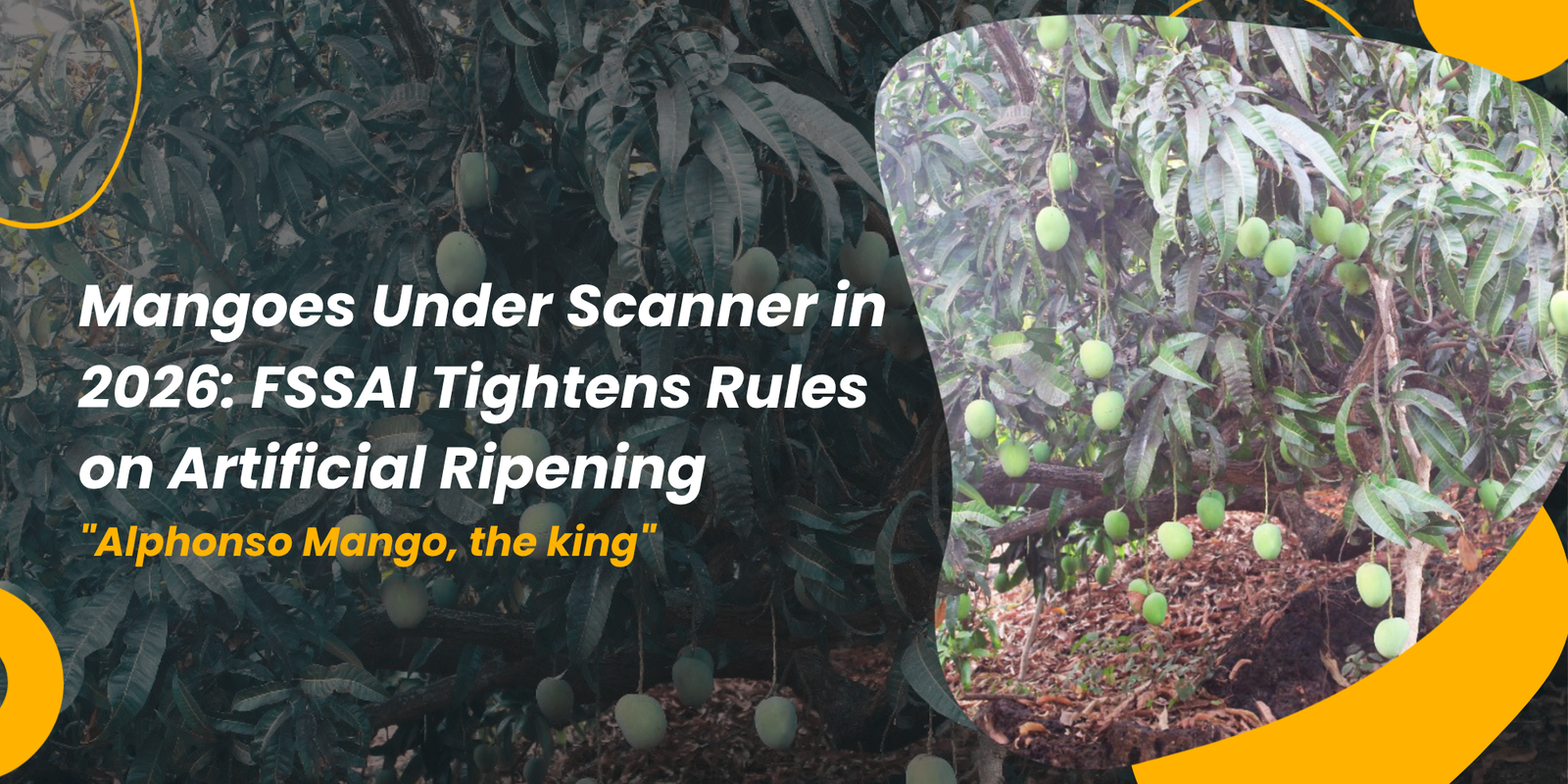
Mangoes Under Scanner in 2026: FSSAI Tightens Rules on Artificial Ripening

FSSAI Tightens Rules on Artificial Ripening

India’s fruit markets are facing increased scrutiny in 2026 FSSAI Tightens Rules on Artificial Ripening & against illegal ripening practices. Mangoes, along with bananas and papayas, are now under closer monitoring as authorities introduce new testing measures to detect harmful chemicals used in artificial ripening.

This move comes at a crucial time, as mango season peaks and demand rises sharply across the country.

Strip Paper Test Introduced for Faster Detection

FSSAI has directed enforcement teams to use strip paper tests to identify the presence of banned substances like calcium carbide. These tests allow quick on-the-spot detection, making it easier for inspectors to monitor large volumes of fruit in wholesale markets.

The introduction of this method is expected to strengthen surveillance, especially during the peak mango season when supply chains become more active and complex.

Why Artificial Ripening Is a Serious Concern

Artificial ripening using calcium carbide is banned in India due to its harmful health effects. When used on fruits, it can release toxic compounds that pose risks to consumers.

Health concerns linked to such practices include:

  • Respiratory irritation
  • Headaches and dizziness
  • Skin and eye irritation
  • Potential long-term health risks

Despite regulations, illegal usage continues in some parts of the supply chain, particularly during periods of high demand.

Impact on Mango Supply and Market Practices

With stricter enforcement, traders and suppliers are likely to face increased inspections. This may lead to:

  • Greater accountability in fruit handling
  • Slower movement of chemically treated fruits
  • Increased demand for verified natural produce

While these measures strengthen consumer safety, they may also impact how quickly fruits move through markets, especially in high-volume cities.

Rising Preference for Naturally Ripened Mangoes

As awareness grows, consumers are increasingly choosing mangoes that are ripened naturally rather than chemically. Naturally ripened fruits develop their flavour gradually, resulting in better aroma, texture, and overall eating experience.

This shift is encouraging more sellers and brands to adopt transparent and traditional ripening methods.

At Ratnagiri Hapus Store, mangoes are not exposed to any artificial ripening agents. The focus remains on allowing Alphonso mangoes to ripen through natural processes, preserving their original taste and quality.

However, natural ripening requires more time and careful handling. It also comes with a 5–10% higher fruit wastage factor, as some mangoes may over-ripen or get damaged during the process. Despite this, the priority remains on maintaining authenticity rather than speeding up supply.

How Consumers Can Identify Naturally Ripened Mangoes

With increasing concern around chemical ripening, consumers can look for a few simple signs while buying mangoes:

  • A natural, gradual aroma rather than a strong artificial smell
  • Slight variation in colour instead of uniform bright yellow
  • Softness that develops evenly over time
  • Absence of powdery or chemical residue on the skin

Naturally ripened Alphonso mangoes often look less uniform but offer better taste and quality.

What This Means for the 2026 Mango Season

FSSAI Tightens Rules on Artificial Ripening enforcement is expected to improve overall fruit quality in the market. As testing becomes more common, sellers may shift towards safer and more transparent ripening practices.

For consumers, this means better access to safe and authentic mangoes, although supply may become more controlled in certain cases.

For farmers and genuine sellers, this move supports fair practices and strengthens trust in naturally grown and ripened produce.

Conclusion

The introduction of strip paper testing and tighter monitoring marks an important step toward safer fruit consumption in India. As mango season progresses in 2026, the focus is shifting from speed to quality and authenticity.

With growing awareness, naturally ripened Alphonso mangoes are gaining preference among consumers who value taste, safety, and trust. The market is gradually moving toward cleaner practices, ensuring that the true essence of mango—its flavour, aroma, and seasonal joy—is preserved.

Posted on Leave a comment

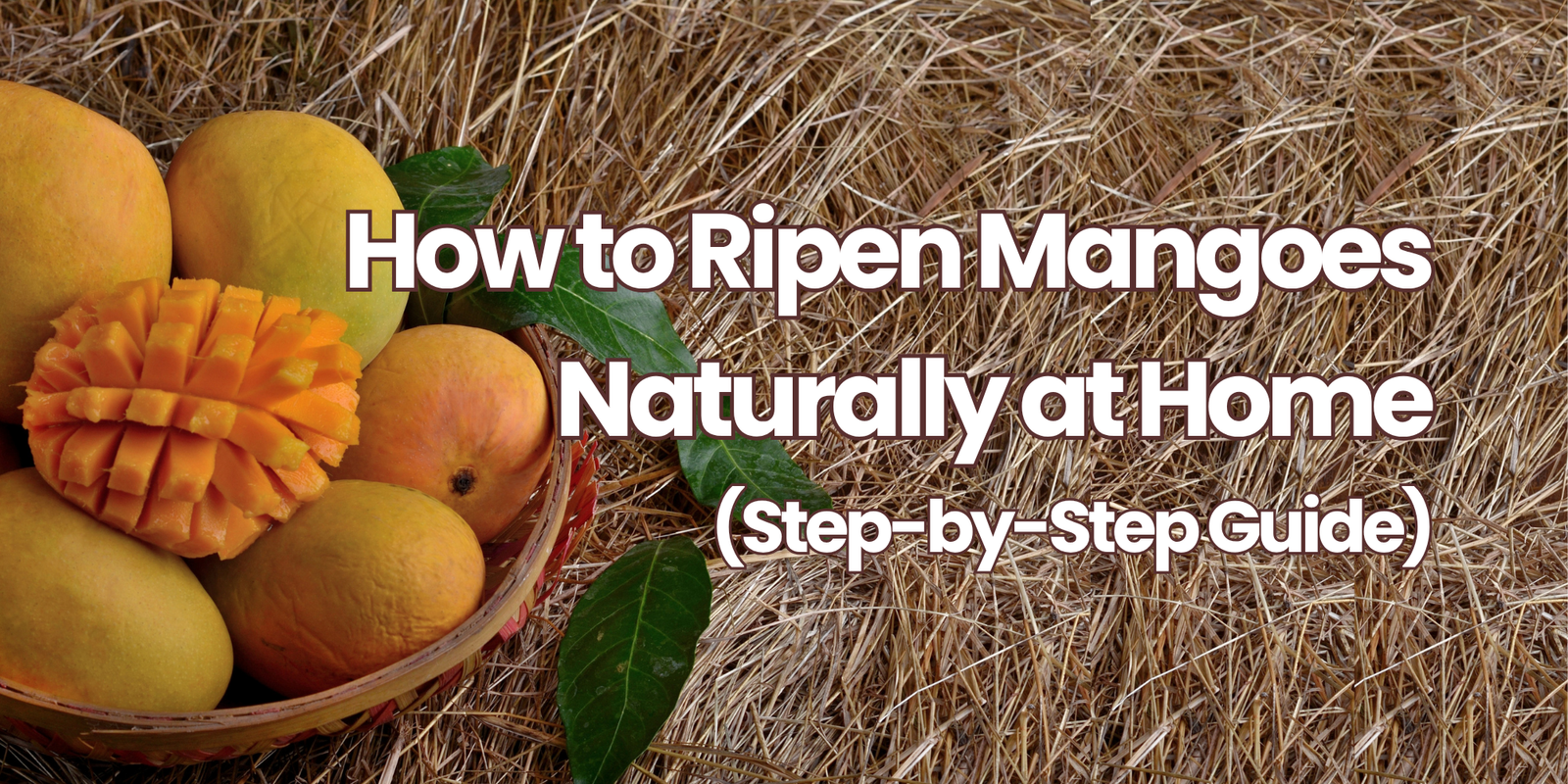
How to Ripen Mangoes Naturally at Home (Step-by-Step Guide)

How to Ripen Mangoes Naturally at Home

Alphonso Mangoes are delivered raw to protect them during transport. But with the right natural methods, you can ripen them at home to get perfect sweetness, aroma, and texture.

Before You Start

  • Do not wash mangoes before ripening
  • Place mangoes in a warm, dry area (not in sunlight)
  • Ideal temperature: 22–28°C
  • Avoid refrigerating raw mangoes — it stops the ripening process

📦 🍌🍎 Method 1: Banana + Apple in Box (Best Overall Method)

This is the most recommended method — gives fast + even + flavorful ripening.

Why It Works:

Bananas and apples release ethylene gas, which naturally speeds up ripening.

Steps:

  1. Keep mangoes in the original box or a paper box with rice straws provided.
  2. Add 1 or 2 ripe banana/apple (for faster ripening)
  3. Close the box loosely (don’t seal airtight)
  4. Store in a warm place

Time:

  • 4–5 days for ripening

👉 Banana speeds up the process
👉 Apple helps in uniform ripening
👉 Result = Perfect Alphonso taste

🌾 Method 2: Rice / Straw (Traditional Desi Method)

Steps:

  1. Fill a container with rice / wheat / dry straw (bhusa)
  2. Place mangoes inside
  3. Cover them completely

Time:

  • 3–5 days

👉 Best for natural farm-like ripening

📰 Method 3: Paper Wrap / Cover

Steps:

  1. Wrap each mango in paper/newspaper.
  2. Keep them in a box or basket
  3. Store in a warm place

Time:

  • 4–6 days

⚠️ Important Do’s & Don’ts

✔ Check mangoes daily after Day 2
✔ Always wait 1 extra day after softening

❌ Do not refrigerate raw mangoes
❌ Do not use plastic bags
❌ Avoid chemicals

✅ How to Know Mangoes Are Ready

  • Slightly soft when pressed
  • Sweet aroma near stem
  • Golden/yellow color

❄️ After Ripening

  • Store in refrigerator
  • Consume within 3–5 days

🥭 Final Tip

👉 Best method: Banana + Apple in the same box
👉 Secret: Wait 1 extra day after ripening for maximum sweetness

That’s when real Ratnagiri Alphonso magic happens ✨

Still unsure about ripening? Contact us anytime — we’re here to help you get the best out of your mangoes.
📞 9021345588
📧 support@ratnagirihapus.store

Posted on Leave a comment

Alphonso Mango Farmers Face Distress in 2026 as Yield Drops Sharply in Konkan

Alphonso Mango Farmers Face Distress in 2026 as Yield Drops Sharply in Konkan

The 2026 season for the iconic Alphonso mango has brought concern for many farmers across the Konkan belt, as growers report noticeably lower yields compared to typical years. Alphonso Mango Farmers Face Distress in 2026 as Yield Drops Sharply in Konkan

Farmers in Ratnagiri and neighbouring mango-growing regions say irregular weather conditions during the flowering stage affected fruit formation in several orchards.

Early harvest reports indicate that fruit counts per tree are lower than average in many farms, though the impact varies depending on orchard location and local microclimate.

Alphonso Mango Farmers Face Distress

Lower Yield Reported Across Several Orchards

Mango growers across parts of the Konkan region say production levels are lower than usual this year.

Agriculture market observers note that in some orchards, fruit production may be significantly reduced compared to normal seasons, though the extent varies widely depending on orchard management and weather exposure.

Because Alphonso cultivation is highly sensitive to flowering conditions, even small weather variations during the early stage can affect the number of fruits that eventually mature.

Weather Patterns During Flowering Stage

Experts say several factors may influence Alphonso flowering and fruit setting:

  • Warmer winter temperatures
  • Irregular rainfall patterns
  • High humidity during flowering
  • Premature fruit drop during early development

These conditions can reduce fruit formation in certain orchards, which may result in fewer mangoes reaching the market later in the season.

Financial Concerns for Farmers

For many farmers in the Konkan region, Alphonso mango is the primary seasonal income source.

Reduced harvest volumes can affect earnings because growers typically depend on:

  • Harvest season sales
  • Export shipments
  • Local market trading

Even if prices increase due to lower supply, reduced fruit volume may still affect overall farm income.

Ratnagiri Hapus Store’s View on the Situation

According to Ratnagiri Hapus Store, early farm-level observations suggest that the 2026 crop may be smaller in volume but still strong in quality.

A representative from Ratnagiri Hapus Store said the company has been closely monitoring orchard conditions in Ratnagiri and surrounding Konkan districts.

“While some orchards are reporting lower fruit counts this season, the Alphonso mangoes that are developing appear to have good quality characteristics. The focus this year will be careful harvesting and maintaining authentic farm sourcing,” the representative noted.

The company added that strong consumer demand for authentic Ratnagiri Alphonso mango continues across India, particularly through online and farm-direct purchasing channels.

Possible Impact on Market Supply

If harvest volumes remain lower than usual, market arrivals could be more limited compared to high-production years.

This may influence:

  • Availability in retail markets
  • Online mango bookings
  • Export shipment volumes

However, traders say Alphonso supply typically varies between districts, and some orchards may still produce normal yields.

Demand for Alphonso Remains Strong

Despite the production challenges, demand for Alphonso mango remains consistently strong in both domestic and export markets.

The variety continues to be widely preferred because of its:

  • Distinct aroma
  • Bright saffron pulp
  • Smooth texture
  • Premium reputation

For many households across India, Alphonso mango remains a seasonal symbol of summer.

Alphonso Mango Farmers Face Distress

Outlook for the 2026 Season

As harvesting continues across the Konkan belt, the full scale of the 2026 crop will become clearer in the coming weeks.

While some farmers face challenges due to lower yield, the season is still expected to bring high consumer interest in authentic Ratnagiri Alphonso mangoes.

Growers, traders, and farm-direct sellers remain focused on maintaining quality and ensuring that genuine Alphonso mangoes reach customers across India and global markets.

Posted on Leave a comment

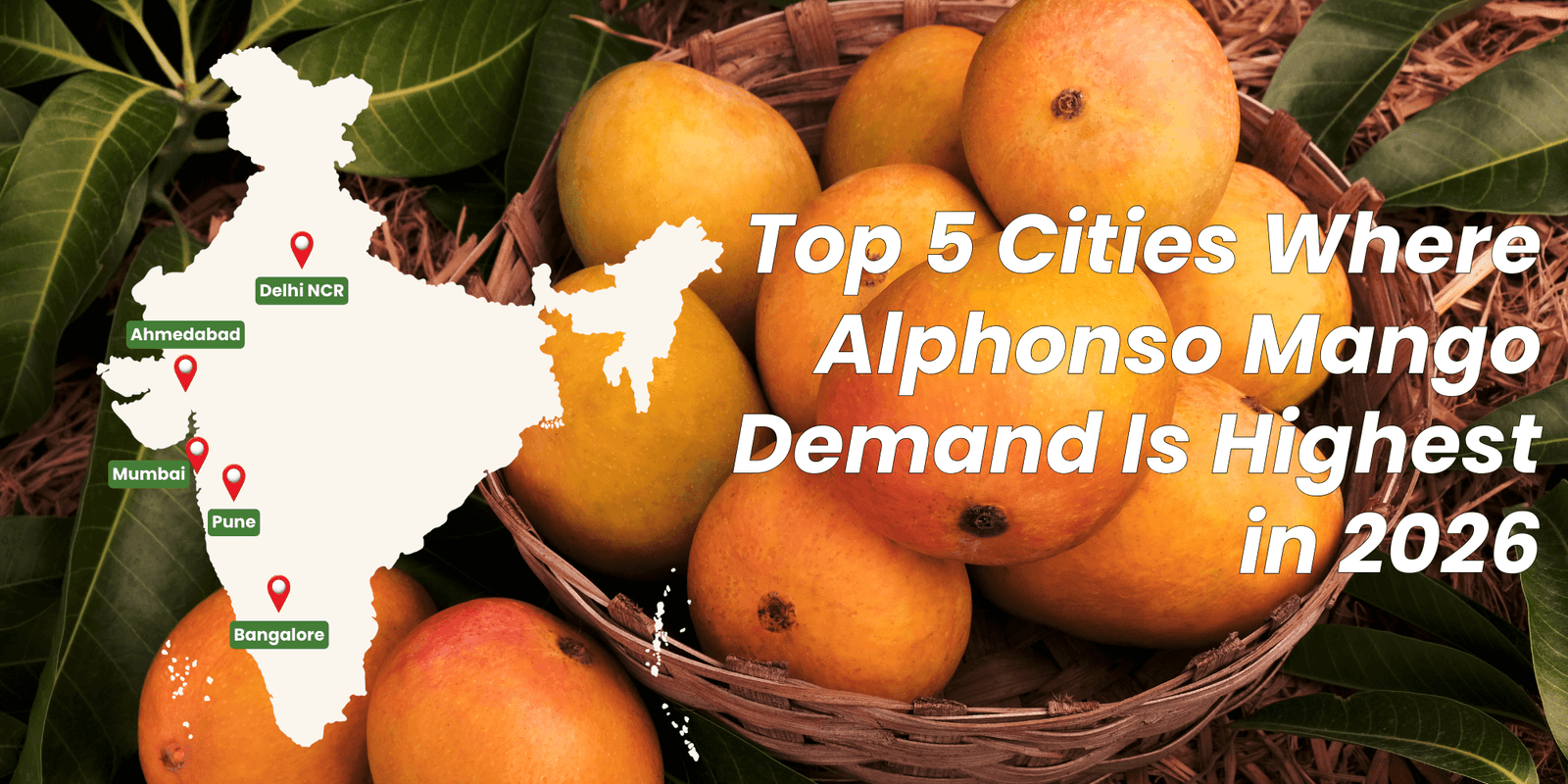
Top 5 Cities Where Alphonso Mango Demand Is Highest in 2026

Top 5 Cities Where Alphonso Mango Demand Is Highest in 2026

As the 2026 mango season unfolds, demand for authentic Ratnagiri Alphonso (Hapus) remains strong across India’s major urban markets. While Alphonso mangoes are grown mainly in the Konkan region of Maharashtra, their biggest consumption hubs lie in large metropolitan cities where awareness, purchasing power, and seasonal tradition drive steady Alphonso Mango Demand In Cities

Alphonso Mango Demand In Cities

Based on market trends, trader feedback, and seasonal buying patterns, here are the top five cities where Alphonso mango demand is highest in 2026.

1. Mumbai – The Largest Alphonso Market

Mumbai continues to lead as the strongest market for Alphonso mangoes. Due to its proximity to Ratnagiri and Devgad, the city receives early and regular arrivals throughout the season. Wholesale markets in Vashi and Crawford Market report consistent movement of premium-grade Hapus.

Corporate gifting, hospitality demand, and high consumer awareness make Mumbai the most stable and high-volume Alphonso market every year.

2. Pune – Quality-Conscious Buyers Drive Demand

Pune has emerged as one of the most quality-driven Alphonso markets in Maharashtra. Buyers here actively look for GI-certified Ratnagiri Hapus and naturally ripened fruit.

With a strong base of professionals, IT sector employees, and traditional households, Pune shows steady seasonal demand. Traders report that premium-grade Alphonso mangoes often sell quickly in this city during peak weeks.

3. Delhi NCR – Premium Fruit Consumption Hub

Delhi NCR remains one of the largest non-coastal markets for Alphonso mangoes. Despite the distance from Konkan, demand remains high due to affluent consumer segments and gifting culture.

Export-quality fruit often finds strong buyers in Delhi. Traders note that Delhi customers increasingly ask for authentic origin details, reflecting growing awareness.

4. Bengaluru – Rising Demand for GI-Certified Alphonso

Bengaluru continues to show strong seasonal demand for premium Alphonso mangoes. The city’s tech-driven population and high disposable income support steady consumption.

Consumers in Bengaluru prefer naturally ripened fruit and farm-direct sourcing. As a result, Ratnagiri Alphonso maintains premium positioning in the Karnataka market.

5. Ahmedabad – Expanding Premium Fruit Market

Ahmedabad has emerged as a fast-growing market for Alphonso mangoes. While Gujarat has its own mango varieties, demand for Ratnagiri Hapus has increased in recent years.

Urban consumers and business buyers in Ahmedabad show growing interest in GI-certified mangoes, making the city one of the key western Indian demand centres in 2026.

Why These Cities Lead Alphonso Demand

Several factors influence demand concentration in these cities:

  • High purchasing power
  • Strong gifting culture
  • Awareness of GI certification
  • Preference for premium seasonal fruit
  • Active wholesale and logistics networks

In 2026, these factors continue to support steady and high-volume Alphonso mango movement in these top markets.

Final Outlook for 2026

Alphonso mango demand in 2026 remains strongest in Mumbai, Pune, Delhi NCR, Bengaluru, and Ahmedabad. While supply may fluctuate due to climate and seasonal factors, urban appetite for authentic Ratnagiri Hapus remains resilient.

As long as brand trust, seasonal value, and premium positioning stay intact, these five cities will continue to dominate Alphonso mango consumption trends.

Alphonso Mango Demand In Cities

Posted on Leave a comment

Will Alphonso Mango Be Costlier in 2026? Climate Stress and Delayed Arrivals Raise Concerns

Will Alphonso Mango Be Costlier in 2026?

The 2026 Alphonso mango season has begun with uncertainty. Farmers in Ratnagiri and Devgad are closely monitoring orchards after irregular weather patterns affected flowering earlier this year. Traders in Mumbai and Pune say early market signals suggest that premium Ratnagiri Hapus could remain on the expensive side, at least during the beginning of the season.

Although full arrivals are yet to peak, discussions in wholesale markets indicate that supply conditions may not be as strong as a bumper year.

Blossom Damage in Konkan Sparks Worry

This season, parts of the Konkan belt witnessed temperature fluctuations and humidity shifts during the crucial flowering phase. Agricultural observers note that Alphonso mango is highly sensitive during blossom formation.

When blossoms fall early or fail to convert into fruit, overall yield drops. Even a small decline in fruit setting affects total output because Alphonso cultivation area remains limited.

Farmers describe the situation as “moderate stress, not disaster,” but enough to keep supply expectations cautious.

Main Ratnagiri Arrivals Still Building Up

Market yards are seeing gradual inflow rather than heavy early arrivals. Traders explain that when supply builds slowly and anticipation remains high, price sentiment stays firm.

Historically, early-season Alphonso always commands stronger demand. This year appears no different.

Alphonso Mango Be Costlier

Urban Demand Shows No Weakness

Despite seasonal uncertainty, demand in metro cities remains steady. Consumers continue to prioritise:

Alphonso mango is not just a fruit in cities like Mumbai, Pune, and Delhi. It is a seasonal tradition. That emotional connection often keeps demand stable even when supply tightens.

Export Activity Adds Pressure

Export demand for premium-grade Alphonso mango continues from Middle Eastern and international markets. Export-focused grading absorbs high-quality fruit first, which can tighten domestic premium supply.

When export channels remain active, local markets feel the impact.

Rising Farming Costs Add to the Equation

Farmers also report higher input costs this season. Labour, crop protection, orchard management, and transport expenses have increased compared to previous years.

When production becomes costlier, pricing adjusts across the supply chain.

Alphonso Mango Be Costlier

What This Means for 2026

If weather remains stable and arrivals improve, the market could see some mid-season balance. However, unless production significantly exceeds expectations, Alphonso mango in 2026 is likely to retain its premium positioning.

For buyers waiting for authentic Ratnagiri Hapus, this season may once again reflect the delicate balance between climate, cultivation, and demand.

Posted on Leave a comment

Fresh Alphonso Mango Delivery Across Major and Minor Cities in India

Fresh Alphonso Mango Delivery Across Major and Minor Cities in India

The demand for authentic Alphonso mangoes is no longer limited to a few metro cities. Today, customers from both major and minor cities across India actively search for fresh, naturally ripened Alphonso mangoes delivered directly to their homes.

To meet this growing demand, Alphonso mangoes sourced from Ratnagiri and Devgad are now available for delivery across a wide network of cities—ensuring consistent quality, freshness, and authenticity throughout the season.

Alphonso Mangoes Available Pan-India During the Season

Alphonso mango delivery is available across most regions of India, covering metropolitan cities, Tier-2 cities, and smaller towns. This expansion allows mango lovers outside major metros to enjoy the same premium-quality Alphonso mangoes traditionally reserved for select markets.

Deliveries are planned according to harvest schedules, distance, and climate conditions to maintain fruit quality during transit.

Major Cities Where Alphonso Mangoes Are Delivered

Fresh Alphonso mangoes are delivered regularly to all major Indian cities, including:

  • Mumbai
  • Pune
  • Delhi NCR
  • Bengaluru
  • Hyderabad
  • Chennai
  • Ahmedabad
  • Kolkata

These cities benefit from faster logistics and more frequent dispatch schedules during the peak mango season.

Alphonso Mango Delivery in Tier-2 and Tier-3 Cities

In addition to metro cities, Alphonso mangoes are also delivered to numerous Tier-2 and Tier-3 cities, making premium mangoes accessible across the country.

This includes cities such as:

  • Nashik, Nagpur, Kolhapur, Sangli, Satara
  • Surat, Vadodara, Rajkot, Bhavnagar
  • Indore, Bhopal, Jabalpur
  • Jaipur, Udaipur, Kota
  • Chandigarh, Ludhiana, Amritsar
  • Coimbatore, Madurai, Salem, Trichy
  • Vijayawada, Guntur, Visakhapatnam
  • Kochi, Thrissur, Trivandrum

Delivery timelines may vary slightly based on location, but freshness and quality remain the priority.

How Alphonso Mangoes Are Delivered Fresh

To ensure mangoes reach customers in good condition, the delivery process follows strict quality steps:

  1. Mangoes are harvested at proper maturity
  2. Fruits are naturally ripened without chemicals
  3. Sorting and grading are done at source
  4. Secure packaging is used to prevent damage
  5. Orders are dispatched quickly to destination cities

Most deliveries are completed within 2 to 5 days, depending on city and transport connectivity.

Authentic Ratnagiri Alphonso Sourcing

All Alphonso mangoes are sourced exclusively from GI-certified farms in Ratnagiri and Devgad, Maharashtra. These regions are globally recognised for producing Alphonso mangoes with superior aroma, taste, and texture.

Customers are advised to verify:

  • Origin details (Ratnagiri or Devgad)
  • Seasonal availability
  • Natural ripening methods

Avoid off-season claims, as genuine Alphonso mangoes are available only between March and June.

Why Customers Prefer City-Wide Delivery of Alphonso Mangoes

City-based delivery has become popular because it offers:

  • Access to authentic Alphonso mangoes outside metros
  • Consistent quality regardless of location
  • Better availability during peak season
  • Convenience of home delivery

This model bridges the gap between Konkan orchards and households across India.

Availability Timeline for Alphonso Mangoes

  • Pre-orders open: 15th January
  • Dispatch begins: 15th March
  • Peak season: April to May
  • Season ends: Early June

Early booking is recommended, especially for customers in non-metro cities.

Who Can Order Alphonso Mangoes Across Cities?

City-wide delivery is ideal for:

  • Families and individual consumers
  • Bulk household buyers
  • Corporate gifting programs
  • Retailers and resellers
  • Restaurants and hospitality businesses

This flexibility supports both personal and commercial requirements.

Posted on Leave a comment

Alphonso Mango Season 2026: Coming Soon — What to Expect This Year

Alphonso Mango Season 2026 Coming Soon — What to Expect This Year

The wait for India’s most loved mango is almost over. The Alphonso mango season 2026 is approaching, and growers, exporters, and mango lovers are once again looking toward the Konkan coast with anticipation. Known for its rich aroma, smooth pulp, and premium status, Alphonso mango—locally called Hapus—remains the highlight of the Indian summer.

As preparations begin in orchards across Ratnagiri and Devgad, here is a clear look at what the 2026 Alphonso mango season is expected to bring.

When Will the Alphonso Mango Season 2026 Start?

The Alphonso mango season typically follows a natural and well-defined cycle.

  • Flowering: December to January
  • Fruit development: February to March
  • Harvest begins: Late March to early April
  • Peak season: April to May
  • Season ends: Early to mid-June

For 2026, early indicators from orchards suggest a timely start, with flowering reported on schedule in several parts of the Konkan region. If weather conditions remain stable, fresh Alphonso mangoes should reach markets by late March or early April.

Growing Conditions and Early Orchard Signals

Alphonso mango quality depends heavily on climate during flowering and fruit-setting stages. Farmers closely monitor temperature, humidity, and rainfall during winter months.

Initial reports from Ratnagiri and Devgad orchards indicate:

  • Healthy flowering in well-managed farms
  • Balanced winter temperatures
  • Improved soil moisture management

These factors point toward good fruit quality, although final yield numbers will depend on weather conditions over the next few months.

Expected Yield and Availability

Alphonso mango production naturally fluctuates year to year due to climate variability. For the 2026 season, growers are cautiously optimistic.

While no record-breaking harvest is expected, farmers anticipate:

  • Moderate to good yields
  • Better size uniformity in premium orchards
  • Strong availability during peak season

As always, early-season and late-season availability will remain limited, with the best balance of quality and pricing expected during April and May.

Pricing Outlook for Alphonso Mangoes in 2026

Prices for Alphonso mangoes depend on supply, demand, and export volumes. Based on early assessments:

  • Early-season mangoes: Higher prices due to limited supply
  • Mid-season mangoes: More stable pricing with better availability
  • Late-season mangoes: Premium pricing returns as supply tapers

GI-certified Alphonso mangoes from Ratnagiri and Devgad are expected to continue commanding premium prices due to strong domestic demand and export interest.

Export Demand and Global Markets

International demand for Alphonso mangoes continues to grow, especially in markets such as:

  • United States
  • United Kingdom
  • Saudi Arabia and the Middle East
  • Singapore and Japan

Exporters are preparing for the 2026 season by aligning with air-cargo schedules, compliance requirements, and buyer commitments. High-quality fruit with proper traceability is expected to remain in strong demand.

Focus on Authenticity and GI Protection

The 2026 season arrives at a time when authenticity and GI protection are under increased focus. Buyers are more aware of origin claims and are actively seeking mangoes labeled clearly as Ratnagiri or Devgad Alphonso.

Farmers and sellers are placing greater emphasis on:

  • Transparent sourcing
  • Natural ripening practices
  • Clear packaging and origin details

This shift benefits genuine growers and helps consumers make informed choices.

Alphonso Mango Products Beyond Fresh Fruit

Alongside fresh mango sales, demand for Alphonso mango pulp and processed products is also expected to rise in 2026. Food processors, exporters, and hospitality businesses are planning procurement early to secure quality raw material during peak season.

However, limited fresh fruit availability means Alphonso pulp will remain a premium product compared to Kesar or Totapuri pulp.

What Consumers Should Know Before the Season Begins

As the Alphonso mango season 2026 approaches, consumers are advised to:

  • Book early with trusted sellers
  • Be cautious of early-season claims before March
  • Check origin details and GI references
  • Expect natural variations in size and color

True Alphonso mangoes are seasonal by nature, and patience often rewards buyers with the best quality fruit.

Conclusion

The Alphonso mango season 2026 is shaping up to be another eagerly awaited chapter for India’s most iconic mango. With healthy orchard signs, steady export demand, and growing consumer awareness, the focus this year will be on quality, authenticity, and traceability.

As summer approaches, Ratnagiri and Devgad once again prepare to deliver the fruit that defines the season. For mango lovers, the message is simple: the wait is almost over—Alphonso mango season 2026 is coming soon.