What is Alphonso Mango? Everything You Need to Know About the King of Mangoes
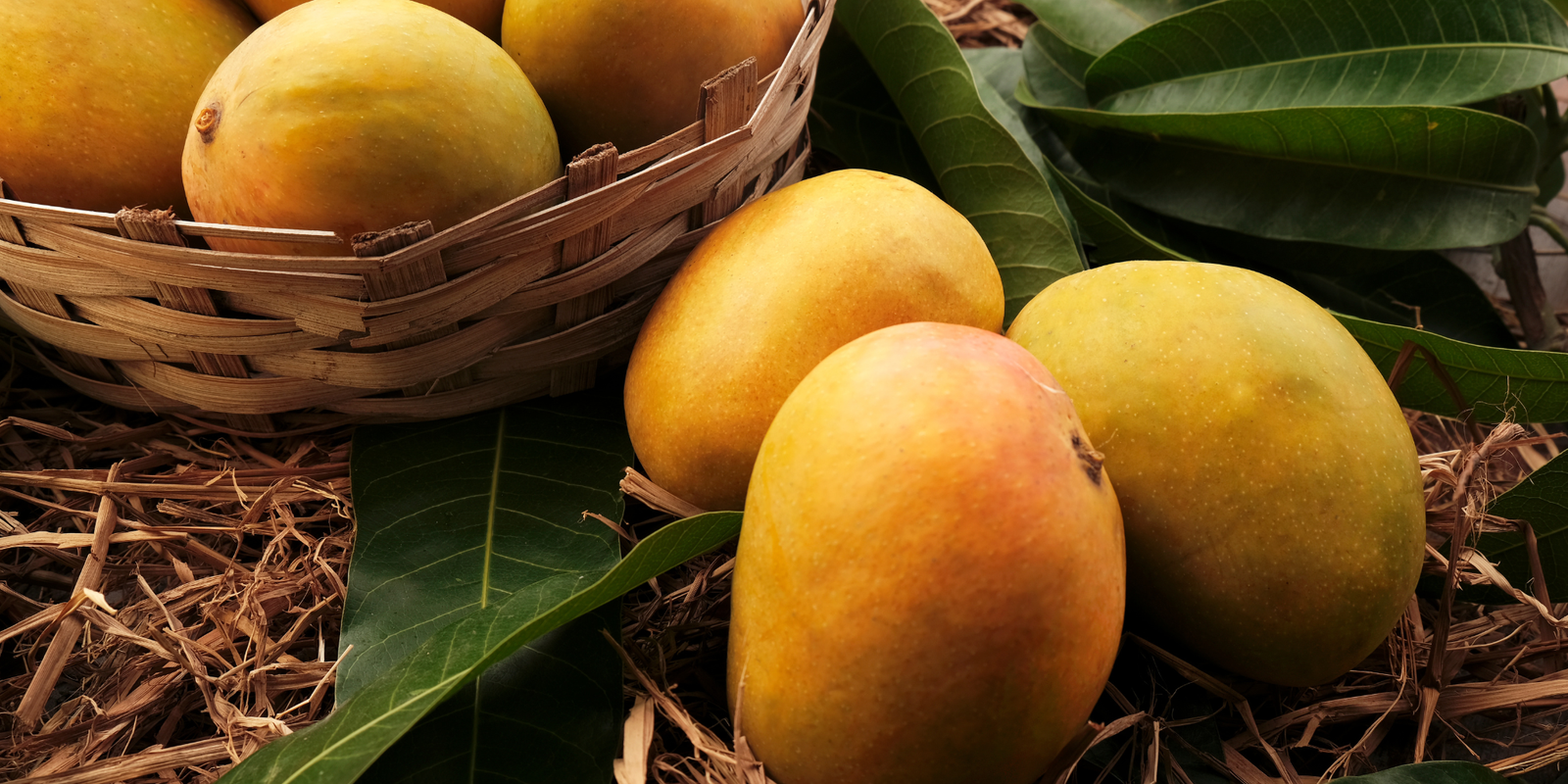
Discover everything about Alphonso Mango—its origin, history, taste, growing regions, GI tag, health benefits, season, and why Ratnagiri Hapus is considered the finest mango in India.
What Is Alphonso Mango?
Alphonso Mango, popularly known as Hapus in Maharashtra, is one of the world’s most celebrated mango varieties. Famous for its rich sweetness, creamy texture, vibrant golden-yellow pulp, and irresistible aroma, it has earned the title “The King of Mangoes.”
Unlike many other mango varieties, Hapus offers a perfect balance of sweetness, fragrance, and smooth, fiberless pulp. As a result, it has become the preferred choice of mango lovers, chefs, exporters, and food manufacturers across the world.
India grows hundreds of mango varieties. However, Hapus continues to stand apart because of its exceptional eating quality and limited seasonal availability. Every year, millions of consumers eagerly wait for the arrival of fresh Ratnagiri Hapus, making it one of India’s most anticipated seasonal fruits.
Today, Alphonso is enjoyed not only as fresh fruit but also in mango pulp, juices, smoothies, desserts, ice creams, chocolates, cheesecakes, and premium confectionery products.
Why Is Alphonso Mango Called the King of Mangoes?
Alphonso did not receive the title “King of Mangoes“ by chance. Instead, it earned this reputation through generations of consistent quality and unmatched flavour.
Several qualities make Hapus superior to many other mango varieties.
Exceptional Sweetness
First, Alphonso develops a naturally rich sweetness during ripening. Unlike artificially sweet fruits, its flavour is balanced with mild citrus notes that create a refreshing taste.
Smooth, Fiberless Pulp
Another reason for its popularity is its buttery, fiberless texture. The pulp melts in your mouth, making it perfect for eating fresh as well as preparing desserts and beverages.
Rich Natural Aroma
One of the first things people notice about a ripe Alphonso Mango is its strong tropical fragrance. In fact, its aroma is often enough to identify an authentic Alphonso before cutting the fruit.
Premium Appearance
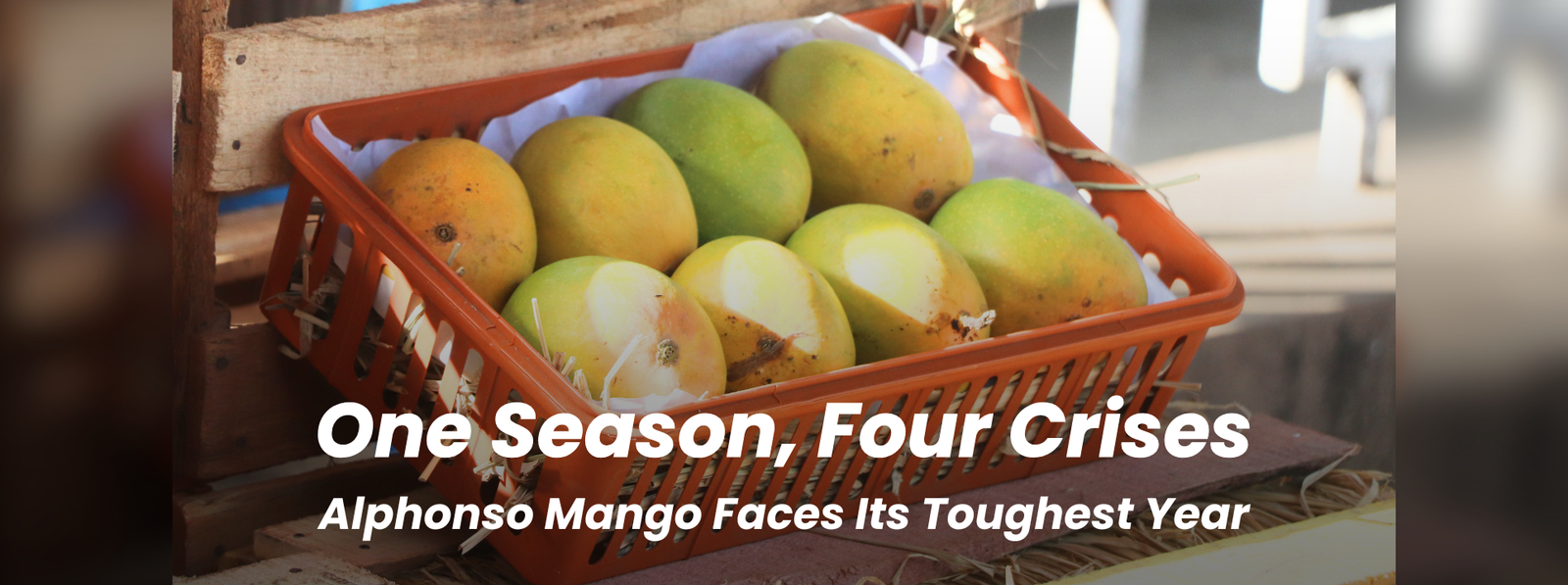
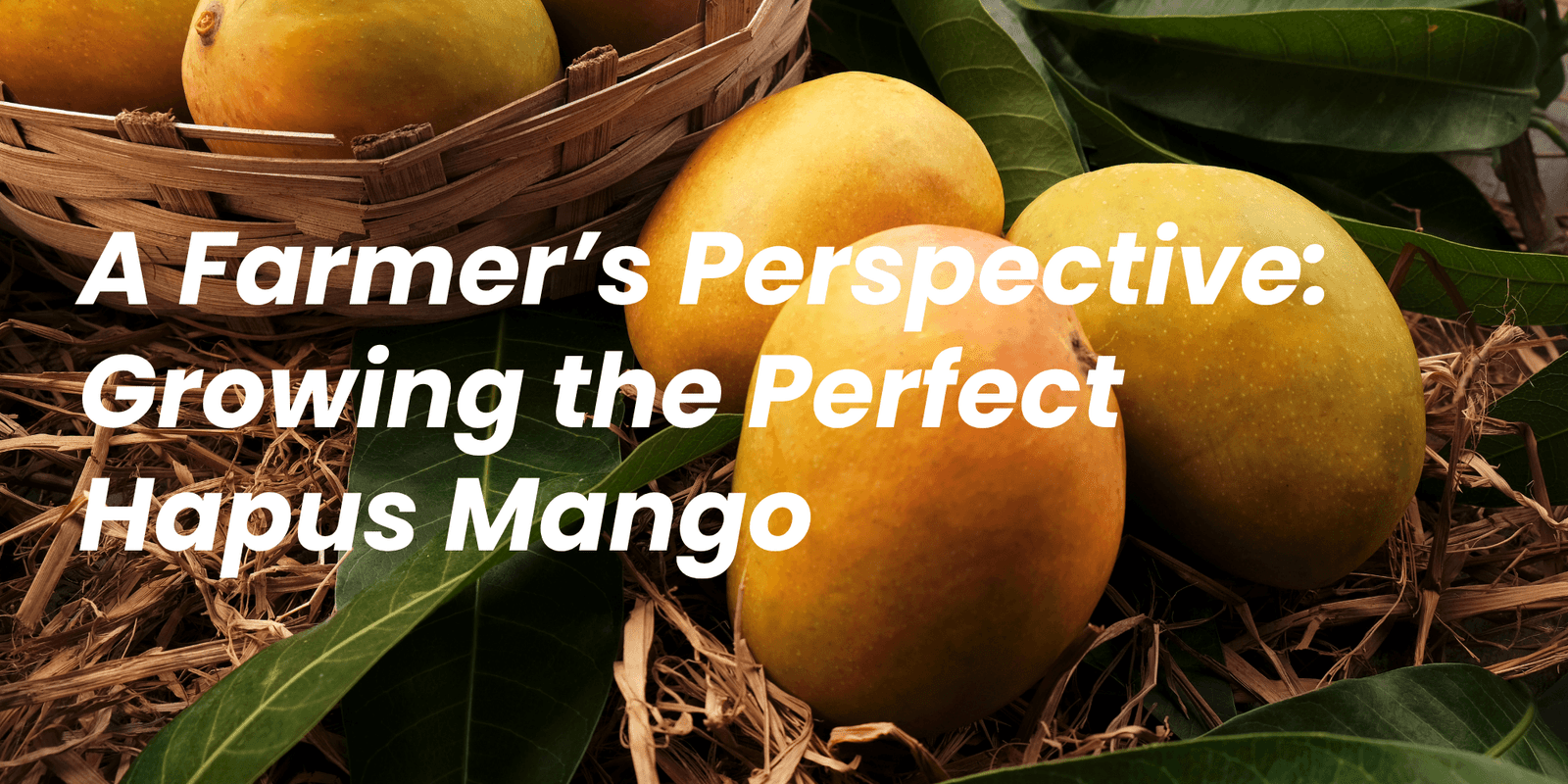
A ripe Alphonso usually develops a beautiful golden-yellow skin with deep saffron-colored pulp inside. Although every mango may look slightly different, premium hapus Mangoes have a distinctive appearance that consumers instantly recognize.
Limited Seasonal Availability
Unlike many fruits available throughout the year, fresh Alphonso Mangoes are harvested only once every season. Therefore, their short availability increases both their exclusivity and demand.
International Recognition
Today, Ratnagiri Hapus Mango is exported to several countries around the world. Its premium quality has made it one of India’s most valuable fruit exports and one of the country’s best-known agricultural products.
Because of these qualities, Ratnagiri Hapus Mango continues to enjoy its reputation as the true King of Mangoes.
The History and Origin of Alphonso Mango
The history of Alphonso Mango dates back more than 500 years.
During the 16th century, Portuguese explorers introduced improved grafting techniques to India’s western coast. Many historians believe that the mango eventually came to be associated with Afonso de Albuquerque, a Portuguese military commander and administrator. Although historians continue to debate the exact origin of the name, the variety gradually became known as Alphonso.
Over the centuries, farmers in Maharashtra’s Konkan region refined cultivation techniques and selected superior trees generation after generation. Consequently, the Ratnagiri Hapus Mango evolved into the premium variety we know today.
Modern Ratnagiri Hapus Mango is therefore the result of centuries of traditional farming, careful selection, and favourable natural conditions rather than a single historical event.
Why Does Alphonso Mango Taste Different?
Many consumers wonder why Alphonso Mango tastes different from other mango varieties.
The answer lies in a combination of natural factors rather than a single reason.
These include:
- Coastal climate
- Mineral-rich laterite soil
- Sea breeze
- Heavy monsoon rainfall
- Warm summer temperatures
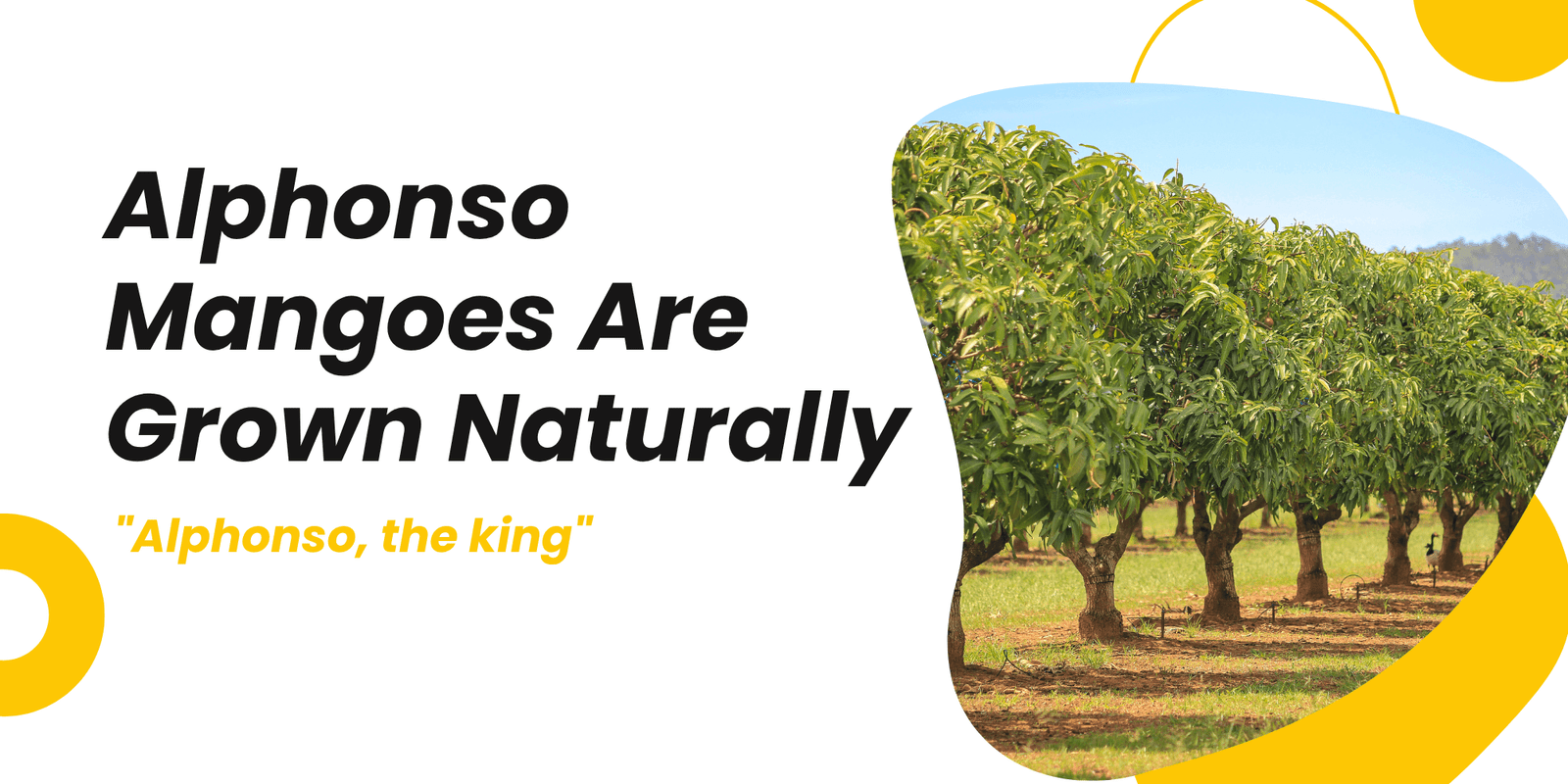
- Traditional orchard management
- Natural ripening process
Together, these conditions help develop the mango’s unique sweetness, aroma, texture, and saffron-colored pulp.
No artificial process can replicate this combination of natural factors. Therefore, authentic Ratnagiri Alphonso continues to maintain its premium reputation.
Why Is Alphonso Mango Famous Worldwide?
Mangoes one of India’s most recognized agricultural products.
Consumers around the world appreciate it because of its:
- Naturally sweet flavour
- Creamy, fiberless texture
- Rich tropical aroma
- Bright saffron-colored pulp
- Premium quality
- Excellent suitability for desserts and beverages
Besides fresh consumption, Alphonso Mango is widely used in premium food products such as:
- Mango pulp
- Ice cream
- Cheesecakes
- Milkshakes
- Smoothies
- Yogurt
- Chocolates
- Bakery products
- Fruit concentrates
Because of this versatility, demand for Alphonso continues to grow in both domestic and international markets.
Quick Facts About Alphonso Mango
| Feature | Details |
|---|---|
| Common Name | Alphonso Mango |
| Local Name | Hapus |
| Scientific Name | Mangifera indica |
| Main Growing State | Maharashtra |
| Premium Growing Regions | Ratnagiri, Devgad, Raigad, Palghar |
| Fruit Season | March to June |
| Texture | Smooth and Fiberless |
| Taste | Sweet with mild citrus notes |
| Pulp Color | Deep Golden Yellow to Saffron |
| GI Tag | Yes (Ratnagiri Alphonso) |
| Best Uses | Fresh Fruit, Pulp, Desserts, Juices, Ice Cream |
Frequently Asked Questions
Is Alphonso Mango the best mango in India?
Many people consider Alphonso Mango to be India’s finest mango because of its sweetness, aroma, and creamy texture. Taste preferences, however, can vary from person to person.
Is Alphonso Mango naturally sweet?
Yes. Its sweetness develops naturally as the fruit ripens on the tree and after harvest.
Why is Ratnagiri Alphonso Mango famous?
Ratnagiri’s coastal climate, laterite soil, and traditional cultivation methods contribute to the mango’s distinctive flavor and aroma.
What is the difference between Alphonso and Hapus?
There is no difference. “Hapus” is the Marathi name for Alphonso Mango.
Can Alphonso Mango be exported?
Yes. Fresh Alphonso Mangoes and processed products such as mango pulp are exported to many countries, subject to the importing country’s regulations.
Conclusion
Alphonso Mango is more than just a fruit—it is a symbol of India’s rich agricultural heritage and one of the world’s most celebrated mango varieties. With its unmatched sweetness, buttery texture, captivating aroma, and limited seasonal availability, it continues to delight mango lovers across the globe.
If you’re looking for an authentic experience, choose naturally ripened, GI-recognized Ratnagiri Alphonso Mangoes from a trusted source to enjoy the true taste of the Konkan region.