Posted on Leave a comment

Alphonso Mango Brix: Measuring Sweetness in Alphonso Mangoes

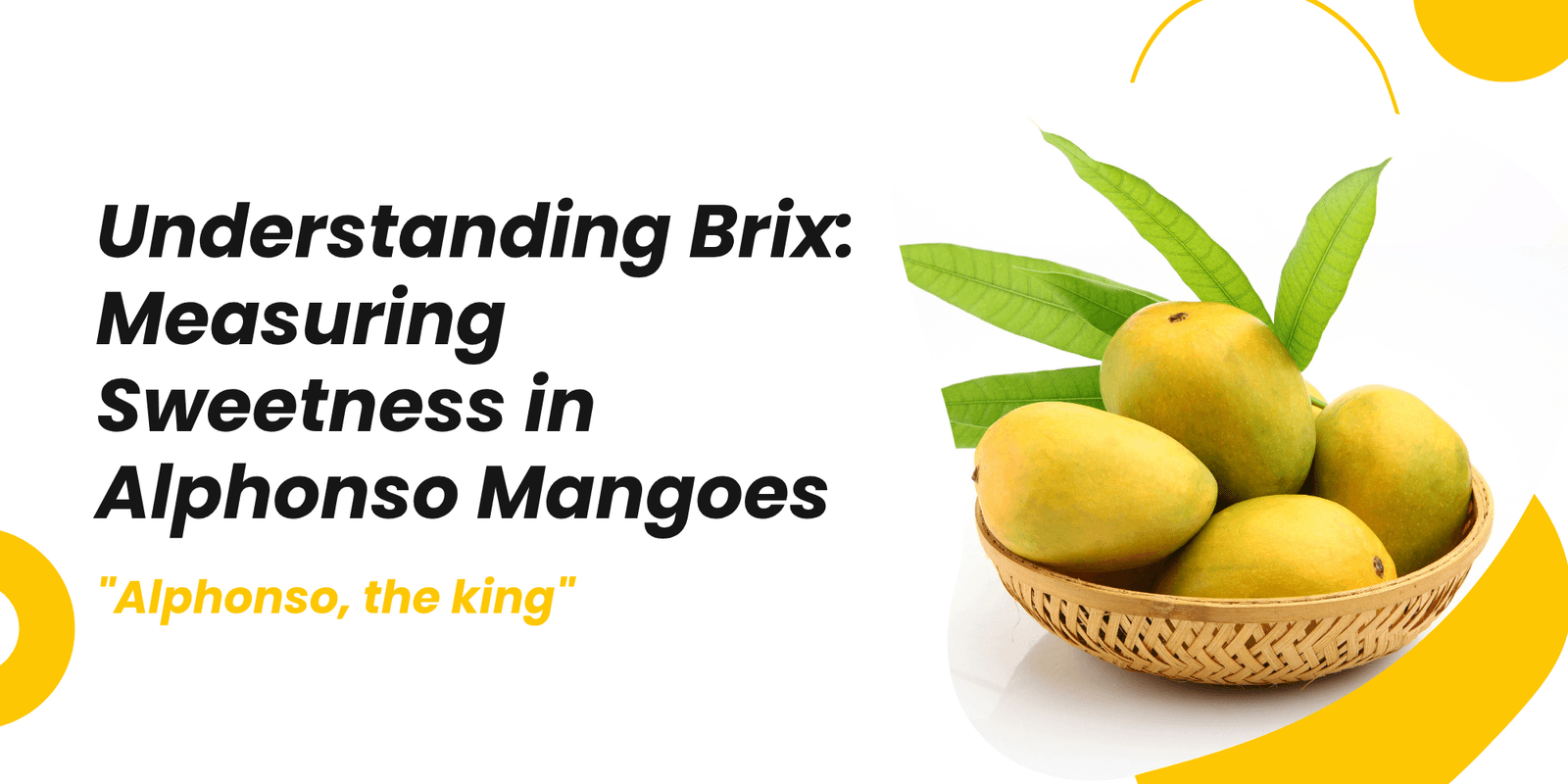
Understanding Brix: Measuring Sweetness in Alphonso Mangoes

When you bite into a perfectly ripe Alphonso mango, one of the first sensations you notice is its sweetness. But have you ever wondered how farmers and quality experts actually measure that sweetness? The answer lies in a simple scientific term—Brix (sometimes spelled “brik”). Knowing a mango’s Brix level helps growers time their harvest, assures exporters of quality, and gives consumers a reliable gauge of flavor.

Alphonso Mango Brix

What Is Brix?

Brix is a unit that indicates the percentage of soluble solids—mainly natural sugars—in fruit juice. A reading of 20 °Brix means there are 20 grams of sugar per 100 grams of juice. For Alphonso mangoes, Brix typically ranges from 18 ° to 22 °, the zone where the fruit tastes richly sweet but still balanced.

How Brix Is Measured

Growers use a handheld refractometer. They place a few drops of mango juice on its glass prism, close the lid, and hold it up to the light. The instrument bends (refracts) light at an angle proportional to sugar content and displays the Brix value instantly. Because a refractometer is pocket-sized, farmers can roam through the orchard, sampling fruit as the season progresses.

Why Brix Matters to Farmers

  1. Optimal Harvest Timing: If the average Brix across sample fruits reaches 18 °, farmers know the mangoes have achieved peak sweetness.
  2. Batch Consistency: Export pack-houses often set a minimum Brix threshold, rejecting batches that fall short to maintain brand reputation.
  3. Pricing Advantage: A high Brix score can fetch premium prices in both domestic and international markets, rewarding growers for careful cultivation.

Why Consumers Should Care

A high Brix number translates directly to a richer, more satisfying flavor. It also signals that the mango has ripened naturally, allowing sugars to develop fully on the tree or during hay ripening. When shopping online or at a fruit market, asking about Brix can help ensure you’re buying fruit at its peak.

Alphonso Mango Brix

Factors That Influence Brix in Alphonso Mangoes

  • Sunlight: Trees with good canopy exposure produce sweeter fruit.
  • Soil Health: Balanced nutrients and organic matter foster optimal sugar synthesis.
  • Irrigation: Controlled, minimal watering before harvest concentrates sugars.
  • Climate Conditions: A stable temperature range during ripening promotes higher Brix.

Ratnagiri Hapus Store and Brix Testing

Our partner orchards in Ratnagiri and Devgad routinely take Brix readings before harvest. We ship only those lots that meet or exceed 18 °Brix, guaranteeing a sweet, authentic Alphonso experience. Each batch is traceable, so customers know they’re receiving fruit picked at the right moment.

Quick Tips for Mango Lovers

  • Ask for Numbers: Serious sellers won’t hesitate to share Brix data.
  • Feel and Smell: A naturally ripened, high-Brix mango yields slightly under gentle pressure and emits a fragrant aroma at the stem end.
  • Store Smartly: Keep ripe fruit at room temperature for immediate use or refrigerate to slow further softening.

Understanding Brix turns mango buying from guesswork into an informed choice. Whether you’re a farmer aiming for quality certification or a consumer craving that perfect bite, sugar levels tell a sweet story—one that begins in the orchard and ends on your table.

Posted on Leave a comment

From Flower to Fruit: How Alphonso Mangoes Are Grown Naturally

The Alphonso mango—popularly known as Hapus—is considered the king of mangoes for good reason. Its sweet aroma, rich flavor, and buttery texture make it a summer favorite across India and beyond. But few people know the amount of time, care, and natural methods that go into growing this incredible fruit.

Here’s a look at how Alphonso mangoes, especially those from Ratnagiri and Devgad, go through a patient and natural journey from flower to fruit.

1. Flowering (December to February)

The journey begins in late December to early February, when mango trees begin to flower. Farmers call these clusters of tiny flowers “moha” in Marathi.

  • Most trees bloom once a year.
  • These flowers are extremely sensitive to climate—sudden temperature changes or unseasonal rain can cause “flower burn” and reduce fruit yield.

To maintain flowering naturally, farmers:

  • Avoid synthetic fertilizers.
  • Use organic inputs like cow dung, compost, and neem-based solutions.
  • Monitor trees regularly to protect flowers from pests like hoppers and mealybugs.

2. Natural Pollination

Pollination in mango trees happens through insects and wind. Honeybees play a key role in transferring pollen from male to female flowers.

Farmers often:

  • Maintain natural surroundings to support bee activity.
  • Avoid spraying harmful pesticides during flowering.

This step is crucial because poor pollination leads to fewer mangoes.

3. Fruit Setting (February to March)

Once flowers are pollinated, tiny mangoes begin to appear. This is called fruit setting.

At this stage:

  • Farmers thin out excess fruitlets to allow remaining ones to grow better.
  • Trees need regular watering but no waterlogging.
  • Natural sprays like buttermilk or jeevamrut are used to keep trees healthy.

4. Natural Growth & Ripening (March to May)

Alphonso mangoes grow slowly and ripen on the tree. They need:

  • Plenty of sunlight,
  • Cool nights, and
  • Dry weather for the best flavor and aroma.

Farmers from Ratnagiri and Devgad follow traditional methods, avoiding harmful chemicals. They often:

  • Cover fruits with straw or paper bags to protect them from birds and insects.
  • Do not use carbide or artificial ripening agents.

This natural ripening process gives Hapus its signature golden color, thin skin, and intense sweetness.

5. Harvesting by Hand

Each mango is hand-picked early in the cool morning. The fruit is picked before it fully ripens to prevent damage during transport.

  • Mangoes are sorted based on size and quality.
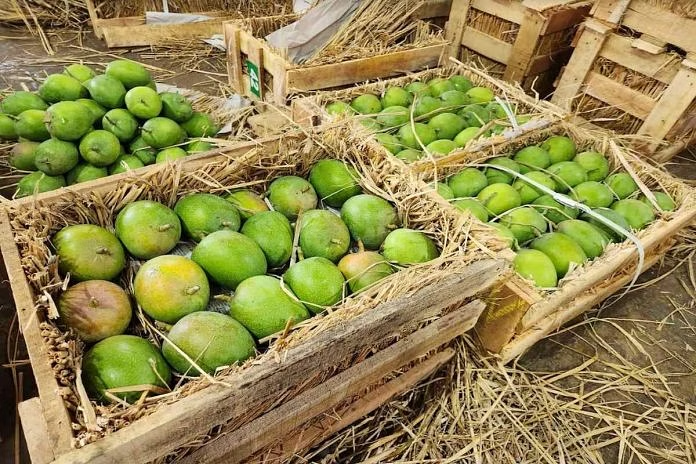
  • Farmers use hay and wooden crates to keep them cushioned and fresh.

Only the best are selected for sale or export.

6. Natural Ripening in Grass

Instead of using chemicals, real Alphonso mangoes are ripened using hay or rice straw in naturally ventilated rooms.

This method:

  • Mimics how fruits would ripen under a tree.
  • Takes 5–7 days for perfect ripeness.
  • Preserves the aroma, sweetness, and health benefits of the mango.

Why Natural Farming Matters

Natural and organic practices:

  • Protect the soil and groundwater.
  • Preserve authentic taste and nutritional value.
  • Avoid exposing consumers to harmful chemicals.
  • Support sustainable farming and fair prices for local farmers.

Where to Buy Naturally Grown Alphonso Mangoes?

At RatnagiriHapus.Store, we deliver naturally grown, GI-certified Alphonso mangoes straight from the farms of Ratnagiri and Devgad to your doorstep.

Each box is:

  • Packed with care,
  • Free from artificial ripening agents,
  • Traceable to the farm it came from.

Final Thoughts

The journey from flower to fruit takes time and is steeped in tradition. When you bite into a ripe Alphonso mango, you’re savoring months of waiting, nature’s cycle, and a farmer’s hard work.

So next time you pick a Hapus, choose one that’s grown the right way—naturally.

Posted on Leave a comment

Can You Carry Mangoes in Flights from India to Other Countries? A 2025 Guide

As mango season picks up in India, many travelers want to carry the “King of Fruits” — especially the prized Alphonso mango — to their loved ones abroad. But a common question arises: Can you carry mangoes in international flights from India? Let’s break it down.

Yes, But with Restrictions

Yes, you can carry mangoes from India on international flights — but only under specific conditions. Countries have their own rules when it comes to importing fruits due to biosecurity laws. These laws are in place to prevent pests or diseases from entering their ecosystems.

Here’s what you need to know in 2025:


1. Mangoes Must Be Irradiated and Certified

If you’re carrying mangoes to countries like the USA, UK, Australia, or New Zealand, the mangoes must go through irradiation treatment (a method to kill bacteria and pests) and come with a phytosanitary certificate issued by India’s APEDA (Agricultural and Processed Food Products Export Development Authority).

➡️ Loose mangoes or ones from a local market cannot be carried in cabin or check-in luggage to many countries.


2. Country-Specific Rules

Each country has its own regulations:

🇺🇸 United States

  • Only mangoes from APEDA-approved packhouses.
  • Must be irradiated and have a USDA stamp.
  • Carrying raw mangoes in personal baggage is not allowed without paperwork.

🇬🇧 United Kingdom

  • Commercially packed and certified mangoes are allowed.
  • Loose fruit often gets confiscated.

🇦🇺 Australia

  • Very strict biosecurity laws.
  • Mangoes must be treated and certified. No loose mangoes allowed.

🇨🇦 Canada

  • Permits mangoes with phytosanitary certificate.
  • Best to buy from authorized exporters.

3. Airline Policies May Vary

Even if the country allows mangoes, your airline might have limitations on carrying fruits in check-in or cabin luggage due to smell, leakage, or customs restrictions. Always check with your airline before traveling.


4. Customs Declarations Are a Must

If you’re carrying certified mangoes, declare them at customs upon arrival. If undeclared or uncertified fruit is found, it can lead to confiscation and possibly fines.


5. What’s the Best Way to Send Mangoes Abroad?

If you want to send mangoes to family or friends abroad, the best option is:

  • Order from licensed exporters like Ratnagiri Hapus Store who have experience with documentation and compliance.
  • They ensure the fruit is APEDA-certified, packaged correctly, and shipped via air cargo or courier to specific countries.

👉 Check out: www.ratnagirihapus.store for certified Alphonso mango export options.


Tips for Travellers

  • Don’t carry mangoes loosely in your bag.
  • Check the import laws of the destination country.
  • If permitted, pack mangoes in sealed, leak-proof boxes with documentation.
  • Declare at customs when asked, and cooperate with officers.

Final Thoughts

While carrying mangoes internationally sounds tempting, it’s important to follow the rules and respect the laws of the country you’re flying to. Getting Alphonso mangoes across borders isn’t impossible — just make sure they are certified, safe, and properly packed.

When in doubt, it’s better to order through a certified exporter who knows the ins and outs of fruit shipping globally. Enjoy the mango season without any airport troubles!

Posted on Leave a comment

Ratnagiri Payari Mango – A Hidden Gem from the Konkan Region

When we think of mangoes from Ratnagiri, the famous Alphonso or Hapus mango often steals the spotlight. However, another delicious variety, Ratnagiri Payari Mango, is gaining popularity among mango lovers. Known for its distinct taste, aroma, and juicy texture, Payari mango is a local favorite in Maharashtra and now slowly making its way into larger markets.

In this blog, let’s explore everything you need to know about the Ratnagiri Payari Mango – from its unique features, taste, harvesting season, and health benefits to why it deserves a spot on your summer fruit list.

What is Ratnagiri Payari Mango?

The Payari Mango is a traditional mango variety grown in the Ratnagiri and Konkan region of Maharashtra. It is considered the second most loved mango variety after Alphonso in this area.

Known for its:

✅ Bright yellow skin with slight red or orange blush
✅ Juicy and fiberless pulp
✅ Strong natural aroma
✅ Sweet and slightly tangy taste

The Payari mango is often used to make fresh mango pulp, aamras, and mango-based desserts because of its rich flavor and smooth texture.

Why is Payari Mango Special?

1. Natural Cultivation

Like Alphonso, Payari mangoes from Ratnagiri are grown using natural farming methods. The trees thrive in the region’s laterite-rich soil and coastal climate, which gives the fruit its unique taste and aroma.

2. Rich Pulp Perfect for Aamras

Payari mangoes are widely used in Maharashtra to prepare “Aamras”, a traditional mango pulp dish enjoyed with puris or chapatis. Many families prefer Payari mango for aamras because it gives more pulp and has a perfect balance of sweetness and tanginess.

3. Juicy and Fiberless Texture

The fruit is almost fiber-free, making it easy to consume. Its juicy pulp melts in the mouth and is perfect for shakes, smoothies, and desserts.

4. Strong Aroma

One of the standout features of Payari mango is its natural fragrance, which can easily fill a room, just like the Alphonso mango.

Ratnagiri Payari Mango Season

The Payari mango season starts slightly later than the Alphonso season. Here’s a rough timeline:

  • Season Begins: Late May
  • Peak Season: June to early July
  • Availability: Until mid-July (depending on climate)

Due to its shorter season, fresh Payari mangoes are available for a limited time, making them a must-try during the early monsoon.

How is Payari Mango Different from Alphonso?

FeatureRatnagiri Alphonso (Hapus)Ratnagiri Payari Mango
Skin ColorGolden yellow with red blushBright yellow with red blush
TasteSweet, rich, and creamySweet with a mild tang
AromaStrong fruity aromaStrong natural aroma
TextureSmooth, fiberlessJuicy, almost fiberless
Best UseEating fresh, dessertsAamras, pulp, shakes
SeasonMarch to MayMay to July

Health Benefits of Payari Mango

Rich in Vitamin A & C – Good for skin, immunity, and eyesight
High in Fiber – Aids digestion and prevents constipation
Good Source of Antioxidants – Helps fight free radicals and slows aging
Natural Energy Booster – Provides instant energy during hot summer days
Low in Fat – Healthy summer fruit choice for all age groups

How to Identify Original Ratnagiri Payari Mangoes?

✔️ Bright yellow skin with slight orange or red patches
✔️ Strong natural mango aroma
✔️ Soft to touch when ripe
✔️ Juicy pulp with minimum or no fiber
✔️ Mostly sold in local markets or directly from Ratnagiri farms

Tip: Always buy from trusted sellers or direct farm outlets to enjoy the real taste of Ratnagiri Payari Mangoes.

Why Should You Try Ratnagiri Payari Mango?

Perfect for Aamras: If you love traditional aamras, Payari is a must-try. Its pulp consistency and taste make it the best mango for this dish.

Affordable: Compared to Alphonso, Payari mangoes are reasonably priced while offering equally great taste.

Natural and Local: Buying Payari mango supports local farmers of Ratnagiri and helps preserve this traditional variety.

Limited Season: Since the season is short, it is available only for a few weeks – making it a special treat during early monsoons.

Conclusion

Ratnagiri Payari Mango is a hidden gem from the Konkan region, offering a perfect balance of sweetness and tang, rich pulp, and delightful aroma. If you’re someone who loves mangoes, especially aamras, this variety deserves a place on your summer table.

Don’t miss out on this seasonal delight. Try Ratnagiri Payari Mango this year and experience a different yet authentic taste of the Konkan.

Order Farm-Fresh Payari Mangoes Online: Visit Ratnagiri Hapus Store

Posted on Leave a comment

Hapus Mango Market Update 2025: 9,000 Boxes Arrive at Vashi APMC Amidst Climate Challenges

Hapus Mango Market Update: 9,000 Boxes Arrive at Vashi APMC Amidst Climate Challenges

The much-anticipated Hapus (Alphonso) mango season has officially commenced, with a significant influx of 9,000 boxes arriving at Mumbai’s Vashi Agricultural Produce Market Committee (APMC). This marks a substantial increase compared to previous weeks, where arrivals were limited to around 700 boxes, predominantly from the Devgad region. Hapus Mango Market Update: 9,000 Boxes Arrive at Vashi APMC Amidst Climate Challenges

lokmat.com

Market Prices and Dynamics

The surge in arrivals has led to a notable impact on market prices. Previously, with limited supply, prices ranged between ₹8,000 to ₹10,000 per box. However, the recent influx has caused prices to stabilize, with current rates averaging between ₹7,000 to ₹12,000 per box, depending on quality and size.

lokmattimes.com

Factors Influencing the Market

Several factors have contributed to the current market scenario:

  • Climate Challenges: Extended monsoons and unseasonal weather patterns have affected the flowering and ripening cycles of mangoes, leading to initial delays in arrivals. lokmattimes.com
  • Regional Variations: The majority of the recent arrivals are from the Devgad region, with Ratnagiri Hapus expected to enter the market around mid-March. lokmattimes.com

Looking Ahead

As the season progresses, consumers can anticipate increased availability of both Devgad and Ratnagiri Hapus mangoes. This is likely to result in more competitive pricing and a wider selection in the market. Traders remain optimistic about maintaining a steady supply, ensuring that mango enthusiasts can relish the king of fruits throughout the season.

Stay tuned for further updates on market trends, pricing, and availability as the Hapus mango season unfolds.

Order Fresh Hapus Mangoes Online in 2025!

For those looking to buy authentic Alphonso mangoes directly from trusted sources, Ratnagiri Hapus Store offers a seamless online shopping experience. With nationwide delivery and a commitment to quality, customers can now get their favorite mangoes delivered straight to their doorstep.

As the Hapus mango season 2025 unfolds, mango lovers have much to look forward to. Whether you prefer Devgad Hapus or Ratnagiri Hapus, the coming months promise a delightful treat for all! Stay tuned for updates on market trends, pricing, and availability. 🍋🥭 Hapus Mango Market Update: 9,000 Boxes Arrive at Vashi APMC Amidst Climate Challenges

Posted on Leave a comment

2025 Sees High Demand for Hapus Mangoes in Vashi and Ahmedabad Markets

2025 Sees High Demand for Hapus Mangoes in Vashi and Ahmedabad Markets

The honor of delivering the first boxes of Ratnagiri Hapus mangoes this season goes to Rehan Jabbar Bandari from Chanderai and Shakeel Umar Harchirkar from Pawas Mahatwadi. Their meticulous care and dedication to mango cultivation have resulted in an early harvest, bringing premium-quality Alphonso mangoes to the market ahead of schedule. 2025 Sees High Demand for Hapus Mangoes in Vashi and Ahmedabad Markets

A Record-Breaking Auction in Ahmedabad
Two boxes of six dozen Hapus mangoes, cultivated by Bandari, fetched an impressive ₹25,000 at the Ahmedabad market. Similarly, Harchirkar sent two boxes of Hapus mangoes to the Vashi market in Mumbai, where they were received with reverence. Both growers have cemented their reputation for producing high-quality, early-season Hapus mangoes.

2025 Sees High Demand for Hapus Mangoes in Vashi and Ahmedabad Markets

The Journey of Excellence

  • Shakeel Umar Harchirkar:
    Harchirkar’s orchard in Golap Dhangarwadi, comprising 40 Hapus mango trees spread across one acre, has been a model of consistent success. Over the past four years, he has meticulously managed his orchard, ensuring the production of early-season mangoes. This year, he harvested 10 dozen mangoes on January 16 and sent two boxes to Mumbai’s Vashi market. The first box was ceremoniously worshipped before being auctioned.
  • Rehan Jabbar Bandari:
    Bandari’s orchard in Chanderai, Ratnagiri taluka, demonstrated similar dedication. Despite heavy rains during the first week of October, he ensured the survival of the delicate mohar (blossoms) through timely spraying and care. The mangoes were harvested on January 16, marking the fourth consecutive year Bandari has achieved an early harvest.

The Ritual of Mango Auctions
In Vashi, the first box of Hapus mangoes was ceremonially worshipped by Shailesh Nalawade, a prominent trader, underscoring the cultural and economic significance of the fruit. This tradition highlights the reverence and anticipation surrounding the arrival of the first Hapus mangoes each year.

Looking Ahead
With the early success of Bandari and Harchirkar, preparations are already underway to send more boxes of Hapus mangoes to markets across the country in the coming days. These early-season mangoes set the tone for what promises to be a fruitful and vibrant mango season in 2025.

Ratnagiri Hapus, often referred to as the “King of Mangoes,” continues to command admiration and premium prices, solidifying its position as one of India’s most beloved and celebrated fruits.

To get authentic, naturally ripened Hapus mangoes delivered right to your doorstep, shop online at Ratnagiri Hapus Store. Known for sourcing premium-quality mangoes directly from Ratnagiri’s renowned orchards, the store ensures every box is a delight for mango lovers. Don’t miss out on savoring the season’s finest!

Source: Agrowon

2025 Sees High Demand for Hapus Mangoes in Vashi and Ahmedabad Markets

Posted on Leave a comment

Alphonso Mango Season 2025: Coming Soon!

Alphonso Mango Season 2025 Coming Soon!

The much-anticipated Alphonso mango season is almost here! Known for its luscious flavor, smooth texture, and delightful aroma, Alphonso mangoes—often called the “King of Mangoes”—are a treat mango lovers worldwide eagerly await. The 2025 season is shaping up to be a fantastic time for all mango enthusiasts, and there’s no better place to fulfill your mango cravings than Ratnagiri Hapus Store. Alphonso Mango Season 2025: Coming Soon!

When to Expect Alphonso Mangoes in 2025?

The Alphonso mango season typically spans from March to June, with April and May being the prime months. Early arrivals hit the market by late February, but the peak flavors emerge as the mangoes fully ripen in the heart of the season.

Why Choose Ratnagiri Hapus Store for Alphonso Mangoes?

Ratnagiri Hapus Store is a one-stop destination for authentic Alphonso mangoes. Here’s why they stand out:

  1. Authenticity Guaranteed:
    The store sources its mangoes directly from the Ratnagiri and Devgad regions of Maharashtra, ensuring every mango is genuine and full of the rich flavors that these regions are renowned for.
  2. Farm-to-Table Freshness:
    Their commitment to quality ensures that the mangoes are handpicked, naturally ripened, and carefully packed to retain freshness.
  3. Online Convenience:
    You can easily order Alphonso mangoes online from Ratnagiri Hapus Store, making it accessible for mango lovers worldwide to indulge in this seasonal delight.
  4. GI-Certified Produce:
    The mangoes come with a Geographical Indication (GI) tag, a hallmark of authenticity and quality.

Frequently Asked Questions About Alphonso Mango Season

1. What Makes Alphonso Mangoes Special?

Alphonso mangoes are prized for their:

  • Distinctive sweet and fruity aroma.
  • Non-fibrous, buttery pulp.
  • Perfect balance of sweetness and acidity.

2. How Can I Identify Authentic Alphonso Mangoes?

Authentic Alphonso mangoes have:

  • Bright golden-yellow skin with hints of red blush.
  • A rich, fruity aroma.
  • A natural Geographical Indication tag when purchased from trusted sources like Ratnagiri Hapus Store.

3. What Is the Best Way to Store and Ripen Alphonso Mangoes?

  • Ripening: Keep mangoes at room temperature, allowing them to ripen naturally.
  • Storage: Once ripe, refrigerate them to retain freshness for 3–5 days.

4. Why Is the Ratnagiri Region Famous for Alphonso Mangoes?

The unique coastal climate and soil of the Ratnagiri and Devgad regions produce mangoes with unparalleled sweetness, aroma, and texture. This natural advantage makes them the finest in the world.

5. Can I Order Alphonso Mangoes Online?

Absolutely! Ratnagiri Hapus Store provides a seamless online ordering experience, delivering authentic Alphonso mangoes straight to your doorstep.

How to Prepare for Alphonso Mango Season 2025?

  • Order Early: Pre-book your mangoes from trusted sellers like Ratnagiri Hapus Store to ensure availability during the peak season.
  • Explore Recipes: Experiment with desserts, smoothies, or traditional mango dishes to elevate your culinary experience.
  • Share the Love: Gift a box of authentic Alphonso mangoes to friends and family—it’s the ultimate summer treat!

Conclusion: Your Alphonso Mango Season 2025 Companion

As Alphonso mango season 2025 approaches, it’s time to prepare for the ultimate fruit indulgence. Whether you’re savoring them fresh, adding them to recipes, or sharing the joy with loved ones, make sure to source your mangoes from the best. Ratnagiri Hapus Store ensures you get only the finest, GI-certified mangoes, delivered fresh to your table.

Get ready for a season filled with sweetness and flavor. The King of Mangoes awaits—order now! 🌟

Posted on Leave a comment

Alphonso Mango Varieties Around the World

Alphonso Mango Varieties Around the World

The Alphonso mango, often hailed as the “King of Mangoes,” is renowned for its rich flavor, creamy texture, and vibrant color. While the most famous Alphonso variety originates from the Ratnagiri region of India, different varieties of Alphonso mangoes can be found in various parts of the world. In this blog, we’ll take you on a journey through the different types of Alphonso mangoes available globally, highlighting their unique characteristics and origins. let check Alphonso Mango Varieties Around the World

1. Ratnagiri Alphonso (Hapus) – India

The Ratnagiri Alphonso, also known as Hapus, is the most celebrated variety of Alphonso mangoes. Grown in the coastal regions of Ratnagiri and Devgad in Maharashtra, India, this variety is known for its perfect balance of sweetness and slight acidity. The vibrant golden-yellow skin and non-fibrous, juicy pulp make it a favorite among mango connoisseurs.

Alphonso Mango Varieties Around the World

You can purchase authentic Ratnagiri Alphonso mangoes from trusted sources like the Ratnagiri Hapus Store.

2. Sindhri Alphonso – Pakistan

Sindhri is a popular mango variety from the Sindh province of Pakistan, often compared to the Indian Alphonso due to its similar flavor profile. This variety is typically larger and has a slightly elongated shape. The Sindhri Alphonso is known for its sweetness and is widely consumed both locally and internationally. Learn more about Sindhri mangoes on Wikipedia.

Alphonso Mango Varieties Around the World

3. Carabao Mango (Manila Mango) – Philippines

The Carabao mango, also known as Manila mango, is the pride of the Philippines. With its intense sweetness and buttery texture, this mango offers a flavor profile similar to Alphonso. It features a thinner skin and a vibrant yellow color, making it a beloved fruit for tropical dishes and snacks.

4. Ataulfo Mango – Mexico

The Ataulfo mango, often called Honey or Champagne mango, hails from Mexico. Known for its small size and golden-yellow skin, it provides a creamy, fibrous-free pulp with a delightful sweetness. Its smooth texture makes it ideal for smoothies and desserts, earning its place among the world’s favorite mango varieties.

Alphonso Mango Varieties Around the World

5. Kent and Haden Mangoes – USA

While Kent and Haden mangoes are not true Alphonso varieties, their rich taste and smooth texture often draw comparisons. Grown in Florida, these mangoes are larger and slightly more fibrous but still provide a sweet, juicy experience cherished by many.

6. Nam Dok Mai – Thailand

Nam Dok Mai, the pride of Thailand, serves as Southeast Asia’s answer to Alphonso. Its elongated shape, golden skin, and fragrant aroma set it apart. Loved for its smooth, non-fibrous pulp and sweet flavor, this mango is a staple in Thai desserts like mango sticky rice.

Alphonso Mango Varieties Around the World

Why Alphonso Mango Varieties Matter

Alphonso mangoes and their global counterparts symbolize the rich biodiversity of tropical fruits. Each variety reflects the unique climate, soil, and farming practices of its region. Exploring these mangoes not only satisfies taste buds but also connects us to the cultural and agricultural heritage of their origins.

Conclusion

Although the Ratnagiri Alphonso remains the gold standard, the diversity of Alphonso-like mango varieties worldwide offers a delightful journey for mango lovers. Whether you savor a Sindhri from Pakistan, a Carabao from the Philippines, or an Ataulfo from Mexico, each mango tells a story of its homeland’s richness and beauty.

Posted on Leave a comment

The King of Mangoes: Exploring the Delightful World of Ratnagiri Hapus Mango

Alphonso Mangoes Near Me

Dive into the sweetness and richness of Ratnagiri Hapus Mango with our curated blog ideas. From tantalizing recipes to the journey from orchard to plate, discover the unique charm of the King of Mangoes in every bite.

1. "The Royal Journey: From Orchard to Plate"

Explore the enchanting journey of Ratnagiri Hapus Mangoes from the lush orchards to your plate. Uncover the meticulous cultivation, harvesting, and transportation processes that make this variety stand out.


2. "Mango Melodies: Hapus Mango in Culinary Symphony"

Delve into the world of culinary delights with Ratnagiri Hapus Mango. From refreshing smoothies to decadent desserts, discover mouthwatering recipes that showcase the versatility of this exquisite mango.


3. "Health Benefits of Ratnagiri Hapus Mango: A Nutrient-Packed Treat"

Highlight the nutritional goodness of Ratnagiri Hapus Mango. Discuss its rich content of vitamins, antioxidants, and fiber, and how incorporating this delicious fruit into your diet can contribute to a healthy lifestyle.


Posted on Leave a comment

Unlocking the Health Benefits of Alphonso Mango

Are you ready to experience a burst of tropical flavor while reaping the incredible health benefits? Look no further than the Alphonso mango, a fruit that combines exquisite taste with a plethora of wellness advantages. Known as the “king of mangoes,” Alphonso mangoes are not just a delight to the senses but also a powerhouse of nutrients. From boosting your immune system to aiding digestion, this mango variety offers a wide array of health benefits that will leave you feeling revitalized and nourished.

In this article, we will dive into the nutritional profile of the Alphonso mango, exploring its rich content of vitamins, minerals, and antioxidants. We will also uncover the various ways in which consuming this tropical fruit can enhance your overall well-being. So, if you’re ready to unlock the secrets of the Alphonso mango and embark on a journey to taste and wellness, join us as we delve into the incredible benefits it has to offer. Unlocking the Health Benefits of Alphonso Mango

Unlocking the Health Benefits of Alphonso Mango

Nutritional Profile of Alphonso Mango

Alphonso mangoes are not only a treat for your taste buds but also a treasure trove of essential nutrients. These golden gems are packed with vitamins, minerals, and antioxidants that contribute to your overall well-being. Just one cup (165 grams) of Alphonso mango provides approximately 100 calories and contains the following nutrients:

1. Vitamin C: Alphonso mangoes are an excellent source of vitamin C, which plays a crucial role in boosting your immune system and protecting your body against various diseases. Vitamin C also helps in collagen production, promoting healthy skin and wound healing.

2. Vitamin A: These mangoes are rich in vitamin A, which is essential for maintaining healthy vision, supporting a robust immune system, and promoting cell growth and development.

3. Fiber: Alphonso mangoes are a great source of dietary fiber, which aids in digestion, promotes bowel regularity, and helps prevent constipation.

4. Potassium: This tropical fruit is also packed with potassium, an essential mineral that helps regulate blood pressure, supports heart health, and aids in muscle function.

In addition to these nutrients, Alphonso mangoes also contain small amounts of vitamin E, vitamin K, magnesium, and calcium, among other beneficial compounds. With its impressive nutritional profile, this mango variety can be a valuable addition to a well-balanced diet.

Unlocking the Health Benefits of Alphonso Mango

Health Benefits of Alphonso Mango

Now that we have explored the nutritional profile of Alphonso mango, let’s delve into its numerous health benefits. Incorporating this tropical fruit into your diet can have a positive impact on various aspects of your well-being. Here are some of the key health benefits of consuming Alphonso mangoes:

Alphonso Mango and Immune System Support

A strong immune system is vital for overall health and well-being. Alphonso mangoes, with their high content of vitamin C and other antioxidants, can help support and strengthen your immune system. Vitamin C is known for its immune-boosting properties, as it enhances the production of white blood cells, which are crucial for fighting off infections and diseases. By regularly consuming Alphonso mangoes, you can give your immune system a natural boost, helping to protect your body against illness and maintain optimal health.

Alphonso Mango and Digestion

Good digestion is the foundation of a healthy body. The fiber content in Alphonso mangoes aids in digestion and promotes bowel regularity. Fiber adds bulk to your stool, making it easier to pass through the digestive tract and preventing constipation. Additionally, the enzymes present in this tropical fruit, such as amylase and protease, help break down carbohydrates and proteins, facilitating the digestion process. By including Alphonso mangoes in your diet, you can support a healthy digestive system and enjoy the benefits of improved gut health

Alphonso Mango and Skin Health

When it comes to radiant and youthful-looking skin, Alphonso mangoes can be your secret weapon. The high levels of antioxidants, particularly vitamin C, in these mangoes help combat free radicals, which are responsible for premature aging and skin damage. Vitamin C also plays a crucial role in collagen synthesis, a protein that maintains the firmness and elasticity of the skin. Regular consumption of Alphonso mangoes can promote a healthy complexion, reduce the appearance of wrinkles, and give your skin a natural glow.

Alphonso Mango and Eye Health

Maintaining good eye health is essential for clear vision and overall well-being. Alphonso mangoes contain essential nutrients, such as vitamin A, which are beneficial for eye health. Vitamin A is a key component of the retina, the light-sensitive tissue at the back of the eye, and is necessary for normal vision. Including Alphonso mangoes in your diet can help protect your eyes from age-related macular degeneration, cataracts, and other eye conditions, ensuring optimal visual health.

Alphonso Mango and Eye Health

If you’re looking to maintain a healthy weight or shed a few pounds, Alphonso mangoes can be a valuable addition to your diet. Despite their sweet and luscious taste, Alphonso mangoes are relatively low in calories and high in fiber, making them a satisfying and nutritious snack. The fiber content helps keep you feeling full for longer, reducing the likelihood of overeating or reaching for unhealthy snacks. Additionally, the natural sugars present in Alphonso mangoes are easily digestible and provide a quick source of energy, making them a healthier alternative to processed sweets and sugary snacks.br

How to Incorporate Alphonso Mango into Your Diet

Now that you’re aware of the incredible health benefits of Alphonso mangoes, you might be wondering how to incorporate them into your diet. Here are a few delicious and creative ways to enjoy this tropical fruit:

1. Fresh and Juicy: Simply peel and slice a ripe Alphonso mango and enjoy it as a refreshing snack. The juicy flesh and sweet flavor make it a delightful treat on its own.

2. Smoothies and Shakes: Blend chopped Alphonso mango with yogurt, milk, or your favorite plant-based milk for a creamy and nutritious smoothie. Add a handful of spinach or kale for an extra boost of vitamins and minerals.

3. Salads and Salsas: Dice Alphonso mango and toss it into salads for a burst of tropical sweetness and vibrant color. You can also make a refreshing mango salsa by combining diced mango, red onion, jalapenos, cilantro, lime juice, and a pinch of salt.

4. Desserts and Baked Goods: Use Alphonso mango as a topping for ice cream, yogurt, or pancakes. You can also incorporate pureed Alphonso mango into cakes, muffins, and other baked treats for a tropical twist.

Remember to choose ripe Alphonso mangoes for the best flavor and texture. They should have a fragrant aroma and yield slightly when gently squeezed. Enjoy the versatility of this tropical fruit and experiment with different recipes to discover your favorite way to savor the goodness of Alphonso mangoes.

How to Incorporate Alphonso Mango into Your Diet

Alphonso mangoes are primarily grown in India, specifically in the state of Maharashtra. Due to their popularity and high demand, they are exported to various countries around the world. You can find Alphonso mangoes in specialty grocery stores, Indian markets, or even online platforms that offer exotic fruits. Make sure to purchase from reputable sellers to ensure you’re getting genuine Alphonso mangoes that are ripe and of high quality

Conclusion

The Alphonso mango is not just a tropical delight; it is a powerhouse of nutrients that can enhance your overall well-being. From its immune-boosting properties to its ability to support digestion and promote healthy skin and eyes, this mango variety offers a wide range of health benefits. By incorporating Alphonso mangoes into your diet, you can enjoy the incredible taste while nourishing your body with essential vitamins, minerals, and antioxidants. So, unlock the secrets of the Alphonso mango and embark on a journey to taste and wellness. It’s time to indulge in the goodness of this “king of mangoes” and savor the health benefits it has to offer.