Posted on — Leave a comment

The Sweet Success of Indian Mangoes: A Global Export Phenomenon

The Sweet Success of Indian Mangoes: A Global Export Phenomenon

India, often referred to as the land of mangoes, boasts a diverse array of this luscious fruit, with each variety offering a unique taste experience. Among the many types of mangoes grown in India, Alphonso, Kesar, and Banganapalli stand out for their exceptional flavor and quality. The global demand for Indian mangoes has transformed them into a significant export commodity, bringing a taste of India to tables worldwide. Let’s delve into the journey of Indian mangoes from orchards to international markets.

A Legacy of Flavor

India’s relationship with mangoes dates back thousands of years, with references to the fruit found in ancient scriptures and texts. Today, India is the largest producer of mangoes, contributing to nearly half of the world’s mango production. The country’s diverse climate and rich soil provide the perfect conditions for cultivating a wide range of mango varieties, each with its own distinct flavor, aroma, and texture.

The Export Journey

Exporting Indian mangoes is a meticulously orchestrated process that ensures only the finest fruits reach global markets. The mango export season typically begins in March and continues until July, aligning with the peak harvest periods of various mango varieties. Some of the most popular export varieties include:

  1. Alphonso: Known for its rich, creamy texture and sweet, aromatic flavor, Alphonso mangoes are primarily exported to the United States, United Kingdom, United Arab Emirates, Japan, and Singapore.
  2. Kesar: With its saffron-hued flesh and unique sweetness, Kesar mangoes are favored in markets like the Middle East, Europe, and the United States.
  3. Banganapalli: This variety, also known as Benishan, is appreciated for its firm texture and mildly sweet taste. It is exported to countries such as Canada, Malaysia, and the United Kingdom.

Quality and Standards

To ensure Indian mangoes meet international standards, they undergo rigorous quality checks. The export process involves:

  • Pre-harvest Practices: Farmers employ advanced agricultural practices to grow high-quality mangoes, including proper irrigation, fertilization, and pest management.
  • Post-harvest Treatment: After harvesting, mangoes are cleaned, graded, and treated to prevent spoilage and extend shelf life. Some mangoes undergo hot water treatment or irradiation to comply with phytosanitary standards.
  • Packaging: Mangoes are carefully packed in temperature-controlled environments to maintain freshness during transit. The packaging also includes labeling and certification to verify the fruit’s origin and quality.

Challenges in Mango Export

Despite the growing demand for Indian mangoes, exporters face several challenges:

  • Logistics: Ensuring that mangoes reach their destination fresh and undamaged requires efficient transportation and handling. This often involves air freight, which can be costly.
  • Regulatory Compliance: Different countries have varying import regulations and standards for agricultural products. Exporters must navigate these requirements to gain market access.
  • Climate Change: Unpredictable weather patterns and climate change impact mango yields and quality, posing a significant challenge for farmers and exporters alike.

The Global Market

Indian mangoes have carved a niche in the global market, with countries across North America, Europe, the Middle East, and Asia showing a strong preference for this tropical delight. The fruit’s versatility makes it popular not only for fresh consumption but also in the preparation of juices, purees, chutneys, and desserts.

In recent years, the Indian government and private exporters have made concerted efforts to expand the reach of Indian mangoes. Initiatives such as participation in international trade fairs, establishing better cold chain infrastructure, and fostering collaborations with foreign retailers have all contributed to the growing success of Indian mango exports.

Conclusion

The export of Indian mangoes is a testament to the fruit’s global appeal and the dedication of Indian farmers and exporters. From the sun-drenched orchards of India to the bustling markets of cities worldwide, Indian mangoes continue to enchant with their unmatched flavor and quality. As the world savors the sweetness of Indian mangoes, the fruit remains a symbol of India’s rich agricultural heritage and its ability to bring a slice of paradise to every corner of the globe.

Posted on — Leave a comment

Mango Mania: Discover the Unique Flavors and Characteristics of Lesser-Known Mango Varieties

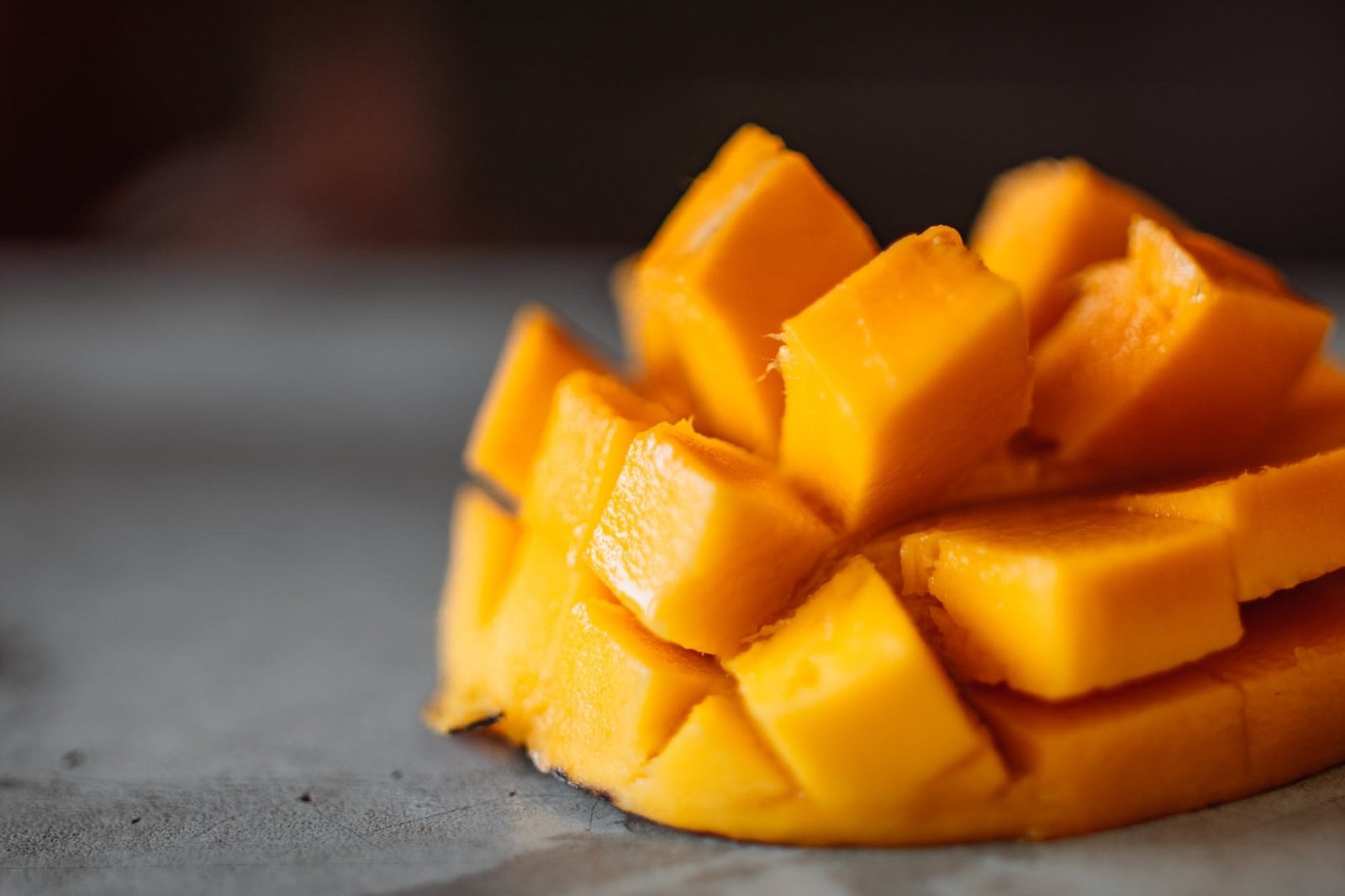
a sliced mango cubes on gray surface

Are you tired of the same old mango varieties? If you’re looking to explore new tropical delights, then get ready for a burst of flavor with our article on lesser-known mango varieties. In this juicy read, we’ll take you on a tantalizing journey through unique flavors and characteristics that will leave your taste buds begging for more.

From the exotic fragrance of the Alphonso mango to the vibrant hues and tangy flavor of the Kesar mango, we’ll introduce you to a paradise of mangoes you might not have heard of before. Discover the velvety sweetness of the Ataulfo mango, or the zesty punch of the Francis mango – there’s a world of tantalizing options waiting for you to explore.

Our team of experts has tirelessly researched and tasted these delightful fruits to bring you the most comprehensive guide on lesser-known mango varieties. Whether you’re a mango aficionado or just curious about expanding your palate, this article is the ultimate resource to satisfy your mango mania.

Join us as we unravel the secrets of these hidden gems and get ready to embark on a mango adventure like no other. Let the mango mania begin!

Mango Mania: Discover the Unique Flavors and Characteristics of Lesser-Known Mango Varieties

Are you tired of the same old mango varieties? If you’re looking to explore new tropical delights, then get ready for a burst of flavor with our article on lesser-known mango varieties. In this juicy read, we’ll take you on a tantalizing journey through unique flavors and characteristics that will leave your taste buds begging for more.

From the exotic fragrance of the Alphonso mango to the vibrant hues and tangy flavor of the Kesar mango, we’ll introduce you to a paradise of mangoes you might not have heard of before. Discover the velvety sweetness of the Ataulfo mango, or the zesty punch of the Francis mango – there’s a world of tantalizing options waiting for you to explore.

Our team of experts has tirelessly researched and tasted these delightful fruits to bring you the most comprehensive guide on lesser-known mango varieties. Whether you’re a mango aficionado or just curious about expanding your palate, this article is the ultimate resource to satisfy your mango mania.

Join us as we unravel the secrets of these hidden gems and get ready to embark on a mango adventure like no other. Let the mango mania begin!

Mangoes are beloved fruits that have captured the hearts of people all over the world. From the juicy and sweet Tommy Atkins mangoes commonly found in the United States to the aromatic and tropical Kent mangoes popular in the Caribbean, there is a wide range of mango varieties to choose from.

In India, the Alphonso mango reigns supreme with its exotic fragrance and rich, buttery flavor. This variety has been dubbed the “King of Mangoes” and is highly sought after for its unparalleled taste. The Kesar mango, on the other hand, is known for its vibrant orange color and tangy flavor, making it a popular choice for chutneys and desserts.

In Southeast Asia, the Thai mango steals the show with its sweet and sour taste, while the Philippine Carabao mango boasts a distinctive honey-like flavor. As you can see, mangoes come in all shapes, sizes, and flavors, each with its own unique characteristics.

Lesser-known mango varieties and their unique flavors

While the aforementioned mango varieties are well-known and widely available, there are some hidden gems that are lesser-known but equally delicious. Let’s dive into the world of these lesser-known mango varieties and discover their unique flavors.

One such variety is the Ataulfo mango, also known as the “Champagne mango.” This small, yellow mango is incredibly sweet and has a velvety texture that melts in your mouth. Its flavor profile is often described as a mix of honey, apricot, and citrus, making it an absolute delight to eat on its own or use in tropical fruit salads.

Another lesser-known variety is the Francis mango, which hails from Haiti. This mango is larger in size and has a bright yellow skin with a reddish blush. The flesh is deep orange and has a zesty, tangy flavor that is both refreshing and addictive. It’s perfect for making mango salsas, smoothies, or even adding a tropical twist to your grilled chicken.

Characteristics and appearance of lesser-known mango varieties

Apart from their unique flavors, lesser-known mango varieties also exhibit distinct characteristics and appearances. Take the Ataulfo mango, for example. It is smaller in size compared to other varieties, with a smooth, thin skin that turns from green to golden yellow as it ripens. The flesh is fiberless, buttery, and has a vibrant yellow color.

On the other hand, the Francis mango stands out with its large size and striking appearance. Its skin is a combination of yellow and red, giving it a vibrant and eye-catching look. The flesh is juicy, tender, and has a deep orange color that is visually appealing. These characteristics not only make these mangoes a treat for the taste buds but also a feast for the eyes.

Health benefits of eating mangoes

Mangoes are not only delicious but also packed with nutrients that offer numerous health benefits. These tropical fruits are rich in vitamins A and C, which are essential for maintaining healthy skin and boosting the immune system. They also contain dietary fiber, which aids in digestion and helps prevent constipation.

In addition, mangoes are a good source of antioxidants, such as beta-carotene and zeaxanthin, which can help protect against various diseases and promote eye health. The high water content in mangoes also helps keep the body hydrated, especially during hot summer months.

How to choose and store lesser-known mango varieties

Choosing and storing mangoes properly is essential to ensure that you get the best flavor and texture. When selecting lesser-known mango varieties, look for fruits that are slightly soft to the touch but not mushy. Avoid mangoes with wrinkled or bruised skin, as this may indicate overripeness or damage.

To store mangoes, keep them at room temperature until they reach the desired ripeness. Once ripe, you can transfer them to the refrigerator to slow down the ripening process and extend their shelf life. However, keep in mind that refrigeration can affect the texture and flavor of mangoes, so it’s best to consume them within a few days.

Cooking and baking with lesser-known mango varieties

Mangoes are incredibly versatile fruits that can be used in a variety of culinary creations. From savory dishes to sweet treats, lesser-known mango varieties can add a burst of flavor and tropical flair to your cooking and baking.

For savory dishes, try incorporating mangoes into salsas, salads, or grilled dishes. The tangy and sweet flavors of mangoes pair well with spicy and savory ingredients, creating a refreshing and vibrant combination. You can also use mango puree as a marinade or glaze for meats or seafood, adding a tropical twist to your favorite recipes.

When it comes to baking, mangoes can take your desserts to a whole new level. Use them in pies, tarts, cakes, or muffins for a burst of natural sweetness. Mango puree can also be used as a replacement for butter or oil in certain recipes, adding moisture and a tropical flavor to your baked goods.

Mango festivals and events

If you’re a true mango enthusiast, you’ll be delighted to know that there are numerous mango festivals and events held around the world to celebrate these luscious fruits. These festivals offer a chance to taste different mango varieties, learn about their cultivation, and participate in fun activities and competitions.

One such festival is the International Mango Festival held annually in Miami, Florida. This two-day event showcases over 400 varieties of mangoes from around the world and includes mango tastings, cooking demonstrations, and live music. It’s a paradise for mango lovers and a great opportunity to discover new flavors and mango-related products.

Where to buy lesser-known mango varieties

Finding lesser-known mango varieties can be a challenge, especially if you live in a region where they are not commonly available. However, with the rise of online shopping, it’s now easier than ever to get your hands on these exotic fruits.

There are several online retailers that specialize in tropical fruits and offer a wide selection of mango varieties. Look for reputable sellers that source their mangoes from trusted growers to ensure freshness and quality. You can also check with local farmers’ markets or specialty grocery stores, as they may carry lesser-known mango varieties during the peak season.

Conclusion: Exploring the world of lesser-known mango varieties

In conclusion, mangoes are a tropical delight that comes in a wide range of flavors, colors, and textures. While popular varieties like Alphonso and Kesar mangoes are widely known, there is a whole world of lesser-known mango varieties waiting to be discovered.

From the velvety sweetness of the Ataulfo mango to the zesty punch of the Francis mango, each variety offers a unique taste experience that will leave you craving more. Whether you’re a mango aficionado or simply looking to expand your palate, exploring the world of lesser-known mango varieties is a journey worth taking.

So, next time you’re at the grocery store or browsing online, consider adding some lesser-known mango varieties to your shopping cart. Let your taste buds embark on a mango adventure like no other, and immerse yourself in the world of mango mania. Your tropical taste buds will thank you.


Posted on — Leave a comment

Exploring Cashew Nuts’ Uses, Benefits, and Potential Side Effects

Ratnagiri Alphonso Mango

Cashew nuts, with their rich and buttery flavor, have gained popularity worldwide as a versatile and nutritious snack. Besides being delicious, cashews offer a range of health benefits. However, it’s essential to understand both the positive aspects and potential side effects before incorporating them into your diet. In this blog post, we will delve into the various uses, benefits, and precautions associated with cashew nuts, allowing you to make informed decisions about their consumption.

Culinary Uses:

Cashew nuts are incredibly versatile in the culinary world. They can be enjoyed raw, roasted, salted, or even in the form of cashew butter. Cashews are a popular ingredient in both sweet and savory dishes. They add a delightful crunch to salads, stir-fries, and curries, while also enhancing the texture and flavor of baked goods, desserts, and smoothies.

Nutritional Profile:

Cashew nuts are packed with essential nutrients. They are a rich source of healthy fats, including monounsaturated fats, which contribute to heart health. Cashews are also abundant in protein, fiber, vitamins, and minerals such as magnesium, phosphorus, copper, and zinc. Incorporating cashews into your diet can provide a wide range of nutrients that support overall well-being.

Heart Health Benefits:

The healthy fats found in cashews, including monounsaturated and polyunsaturated fats, have been linked to cardiovascular health benefits. Regular consumption of cashews, as part of a balanced diet, may help lower LDL (bad) cholesterol levels and reduce the risk of heart disease. However, moderation is key due to their calorie density.

Weight Management:

Contrary to popular belief, cashew nuts can be a part of a healthy weight management plan when consumed in appropriate portions. The combination of protein, fiber, and healthy fats in cashews helps promote feelings of fullness and satiety, potentially reducing overeating and aiding in weight control. However, it’s important to be mindful of portion sizes to avoid excessive calorie intake.

Nutrient Absorption:

Cashews contain significant amounts of dietary fats, which can aid in the absorption of fat-soluble vitamins like vitamins A, D, E, and K. Incorporating cashews into meals that contain these vitamins can potentially enhance their bioavailability and optimize nutrient absorption in the body.

Precautions and Allergies:

While cashews offer numerous benefits, it’s crucial to be aware of potential allergies and precautions. Cashew allergies are not uncommon, and individuals with known tree nut allergies should exercise caution. Allergic reactions to cashews can range from mild symptoms like itching and hives to severe reactions that require immediate medical attention. If you have a known allergy or are unsure, consult a healthcare professional before consuming cashews.

Moderation and Portion Control:

Cashews are energy-dense due to their high fat content, meaning they contain a significant amount of calories per serving. While the fats are healthy, excessive consumption can lead to weight gain. Therefore, it’s important to practice portion control and incorporate cashews into a well-balanced diet without overindulging.

Oxalate Content:

Cashews, like many other nuts, contain oxalates, naturally occurring compounds that can contribute to the formation of kidney stones in susceptible individuals. If you have a history of kidney stones or are at risk, it’s advisable to moderate your cashew intake and consult a healthcare professional for personalized guidance.

Conclusion:

Cashew nuts are a delicious and nutritious addition to a well-rounded diet. With their culinary versatility and health benefits, they can be enjoyed in moderation as a satisfying snack or ingredient in various dishes. However

Read More Blog

Posted on — Leave a comment

Unveiling the Top 10 Benefits of Cashew Nuts

Cashew nuts, with their creamy texture and rich taste, are not only a delightful snack but also offer a multitude of health benefits. From promoting heart health to boosting nutrient intake, cashew nuts are a powerhouse of nutrients that can enhance your overall well-being. In this blog post, we will explore the top 10 benefits of cashew nuts, showcasing why they deserve a place in your healthy diet.

Heart Health:

Cashew nuts are a heart-healthy choice. They contain monounsaturated fats, which can help lower LDL (bad) cholesterol levels and reduce the risk of heart disease. The presence of magnesium in cashews further supports cardiovascular health by maintaining normal blood pressure levels and promoting proper heart function.

Rich in Essential Nutrients:

Cashew nuts are packed with essential nutrients. They are a good source of protein, dietary fiber, healthy fats, vitamins, and minerals. Consuming cashew nuts as part of a balanced diet can provide a wide array of nutrients, including vitamin E, B vitamins, copper, zinc, and magnesium, which support various bodily functions.

Weight Management:

Despite being relatively high in calories, cashew nuts can be beneficial for weight management. The combination of protein, fiber, and healthy fats in cashews helps promote feelings of fullness and satiety, preventing excessive snacking and aiding in weight control when consumed in moderation.

Antioxidant Protection:

Cashew nuts are rich in antioxidants, including vitamin E and selenium, which help protect the body against oxidative stress and damage caused by free radicals. These antioxidants play a vital role in reducing inflammation, supporting immune function, and preventing chronic diseases.

Bone Health:

Cashew nuts contribute to healthy bones due to their mineral content, particularly calcium, magnesium, and phosphorus. These minerals are essential for maintaining strong bones and preventing conditions such as osteoporosis. Regular consumption of cashews can support bone health and reduce the risk of fractures.

Boosted Immunity:

Cashew nuts are packed with vitamins and minerals that support a strong immune system. The presence of zinc, iron, copper, and antioxidants in cashews aids in immune function, protecting the body against infections, and promoting overall health.

Improved Brain Function:

The combination of healthy fats, vitamins, and minerals in cashews supports brain health and cognitive function. The presence of magnesium, vitamin E, and antioxidants helps improve memory, concentration, and overall brain performance.

Healthy Skin and Hair:

Cashew nuts contain nutrients that promote healthy skin and hair. The presence of antioxidants, including vitamin E, helps combat oxidative stress and contributes to youthful-looking skin. The healthy fats in cashews also nourish the scalp and promote healthy hair growth.

Blood Sugar Regulation:

Despite their slightly sweet taste, cashew nuts have a low glycemic index, meaning they cause a slow and steady rise in blood sugar levels. This makes them a suitable snack option for individuals with diabetes or those aiming to manage blood sugar levels.

Reduced Risk of Gallstones:

Regular consumption of cashew nuts has been associated with a lower risk of gallstone formation. The healthy fats in cashews help regulate cholesterol metabolism, reducing the likelihood of gallstone development.

Conclusion:

Incorporating cashew nuts into your diet can provide a multitude of benefits, ranging from heart health and weight management to improved brain function and enhanced immunity. Remember to enjoy cashew nuts in moderation as part of a balanced diet to fully reap their incredible nutritional advantages.

Read More Blog

Posted on — Leave a comment

What is the Difference Between Pulp and Puree?

Introduction:

When it comes to cooking, terms like “pulp” and “puree” are often used interchangeably, but they actually refer to different forms of processed food. In this blog post, we will unravel the dissimilarities between pulp and puree, shedding light on their characteristics and culinary applications. Whether you’re a professional chef or a passionate home cook, understanding these differences will help you choose the right ingredient for your recipes and achieve the desired results.

Pulp: Texture and Definition:

Pulp refers to the soft, fibrous part of fruits or vegetables that remains after removing the juice or liquid component. It is the natural, coarsely textured residue obtained by crushing or grinding the edible portion. Pulp retains some of the natural fibers, creating a slightly grainy consistency. It is often characterized by small pieces or fragments of the fruit or vegetable.

Puree: Smoothness and Consistency:

Puree, on the other hand, is a smooth and homogeneous blend of cooked or raw fruits, vegetables, or legumes. It is achieved by processing the ingredients to a fine, uniform texture using methods like blending, sieving, or straining. Purees have a silky, velvety consistency without any visible bits or lumps. They are known for their uniformity and smoothness.

Culinary Applications of Pulp:

Pulp is commonly used in recipes that benefit from texture and the presence of small fruit or vegetable fragments. It adds a rustic touch to dishes and provides a pleasant mouthfeel. Pulp is often used in making jams, jellies, chutneys, and sauces. It can also be incorporated into baked goods, smoothies, and beverages for added texture and flavor.

Culinary Applications of Puree:

Puree, with its smooth and uniform texture, is highly versatile in the culinary world. It serves as a base ingredient for various recipes, adding thickness, flavor, and consistency. Purees are commonly used in soups, sauces, dips, and spreads. They are also utilized in creating baby food, desserts, ice creams, and sorbets. Purees can be seasoned, flavored, or combined with other ingredients to enhance their taste and visual appeal.

Processing Methods:

Pulp is typically obtained by crushing, mashing, or grinding the fruits or vegetables, while puree requires more extensive processing. To achieve a puree, the ingredients are cooked until soft and then blended or strained to obtain a smooth texture. Depending on the desired outcome, purees can be strained through a sieve or passed through a food mill to remove any residual solids.

Shelf Life and Storage:

Due to its minimal processing, pulp has a shorter shelf life compared to puree. Pulp is often used immediately or preserved by canning, freezing, or refrigeration. On the other hand, purees can be stored for longer periods, thanks to their smoother consistency and reduced water content. Properly stored purees can be kept in the refrigerator or freezer for extended use.

Customizability and Recipe Adaptability:

Purees offer more flexibility and adaptability in recipes compared to pulp. They can be easily customized by adding seasonings, spices, or other ingredients to suit specific flavor profiles. Purees also lend themselves well to blending with other purees or incorporating into various dishes, allowing for greater creativity in the kitchen.

Conclusion:

Understanding the distinction between pulp and puree is essential for culinary success. While pulp retains the natural texture and fiber of fruits or vegetables, puree provides a smooth and consistent base for a wide range of dishes. By grasping the characteristics and culinary applications of both, you can make informed choices and create delectable recipes tailored

Posted on — Leave a comment

Delectable Delights: Recipes to Savor Ratnagiri Hapus Mangoes

Get ready to embark on a culinary journey with the king of fruits, the Ratnagiri Hapus mango! Known for its exquisite taste and heavenly aroma, Ratnagiri Hapus mangoes are a prized variety cherished by mango lovers around the world. With their distinct sweetness and juicy texture, these mango are perfect for creating delightful recipes that will leave you craving for more. In this article, we bring you a collection of irresistible recipes that allow you to savor the essence of Ratnagiri Hapus mango. From refreshing drinks to delectable desserts, these recipes will elevate your mango experience to new heights.

Recipes to Savor Ratnagiri Hapus Mangoes

1. Mango Lassi: A Refreshing Tropical Delight

– A creamy blend of Ratnagiri Hapus mango and yogurt

– Perfect for beating the summer heat

2. Mango Salsa: A Burst of Flavors

– Tangy and sweet with a hint of spice

– Ideal as a dip or accompaniment to grilled dishes

3. Mango Cheesecake: A Tropical Twist to Classic Dessert

– Creamy and velvety with a mango-infused crust

– A delightful treat for mango and cheesecake lovers

4. Mango Chicken Curry: A Fusion of Spices and Sweetness

– Tender chicken cooked in a rich and aromatic mango sauce

– An exotic dish that tantalizes the taste buds

5. Mango Ice Cream: Creamy Bliss in Every Bite

– Smooth and luscious with chunks of Ratnagiri Hapus mango

– A frozen delight that will keep you coming back for more

Indulge your senses in the enchanting flavors of Ratnagiri Hapus mangoes with these tantalizing recipes. Whether you’re craving a refreshing drink, a zesty salsa, a decadent dessert, or a flavorful curry, these recipes offer a delightful culinary experience that captures the essence of these exquisite mangoes. So, gather your ingredients and embark on a gastronomic adventure that will leave you savoring the lusciousness of Ratnagiri Hapus mangoes in every bite. Get ready to tantalize your taste buds and create unforgettable memories with these mouthwatering dishes. It’s time to let the king of fruits reign supreme on your plate!

Read More Blog

Posted on — Leave a comment

Mango Marvel: Unraveling the Essence of Ratnagiri Hapus in Indian Cuisine

When it comes to the delightful world of Indian cuisine, few ingredients hold as much sway as the luscious Ratnagiri Hapus mango. These golden treasures, with their exquisite taste and vibrant aroma, have captured the hearts and palates of millions across the country. In this article, we embark on a tantalizing journey to uncover the significance of Ratnagiri Alphonso mangoes in Indian cuisine, exploring their diverse applications and unraveling the secrets behind their culinary magic.

The Significance of Ratnagiri Hapus Mangoes in Indian Cuisine

A Glimpse into the Mango Kingdom

  • The rich heritage of mangoes in Indian culinary traditions
  • The unique qualities of Ratnagiri Hapus mangoes
  • The cultural and historical significance attached to Ratnagiri Hapus mangoes

Culinary Delights: The Art of Ratnagiri Hapus Mango Masterpieces

  • Traditional Indian dishes featuring Ratnagiri Hapus mangoes
  • Iconic mango-based desserts and beverages
  • Innovative fusion recipes combining mangoes with other flavors

Ratnagiri Hapus Mango Mania: Health Benefits and Nutritional Value

  • The nutritional profile of Ratnagiri Hapus mangoes
  • Health benefits associated with mango consumption
  • Incorporating mangoes into a balanced diet

In the realm of Indian cuisine, the magnificence of Ratnagiri Hapus mangoes is unparalleled. From their rich cultural significance to their mouthwatering flavor, these mangoes continue to reign supreme in the hearts and kitchens of mango enthusiasts across the country. Whether enjoyed fresh, blended into refreshing beverages, or incorporated into delectable recipes, the significance of Ratnagiri Hapus mangoes in Indian cuisine remains unshakable. So, embark on a culinary adventure, savor the essence of these golden gems, and let the magic of Ratnagiri Hapus mangoes transport you to a realm of pure delight and gastronomic bliss.

Read More Blogs.

Posted on — Leave a comment

Mastering the Art of Selecting and Storing Ratnagiri Alphonso Mango

Ah, the divine taste of Ratnagiri Alphonso mango! These luscious, sun-kissed fruits from Ratnagiri, India, are renowned for their sweet, aromatic flesh. However, savoring the full experience of these mangoes requires some finesse in selecting and storing them. In this comprehensive guide, we’ll unveil the secrets to picking the juiciest Ratnagiri Hapus mangoes and preserving their irresistible flavor. So, grab your mango-loving soul and let’s dive into the realm of mango perfection!

Tips for Selecting and Storing Ratnagiri Hapus Mangoes

The Art of Selecting the Perfect Ratnagiri Alphonso Mango

  • Look for a sweet scent: When choosing a Ratnagiri Hapus mango, give it a gentle sniff. A fragrant aroma indicates ripeness and promises a burst of deliciousness when you take that first bite.
  • Check for a firm yet yielding touch: Gently press the mango with your fingertips. It should have a slight give without being too mushy. A firm mango signifies it’s ready to be enjoyed.
  • Assess the color: Ratnagiri Hapus mangoes have a vibrant golden hue when fully ripe. Avoid greenish or overly soft mangoes as they may not have reached their peak flavor.
  • Examine the skin: A healthy Ratnagiri Hapus mango should have smooth, unblemished skin. Avoid fruits with bruises, cuts, or any signs of decay.

Handling and Storing Ratnagiri Hapus Mangoes with Care

  • Separate from ethylene producers: Mangoes emit ethylene gas, which accelerates the ripening process. To prevent over-ripening, store your Ratnagiri Hapus mangoes separately from ethylene-producing fruits like bananas and apples.
  • Store at room temperature: If your mangoes need a little more time to ripen, leave them at room temperature, away from direct sunlight. Check them daily and indulge once they reach the desired level of ripeness.
  • Refrigerate when ripe: Once your Ratnagiri Hapus mangoes are perfectly ripe, you can slow down the ripening process by placing them in the refrigerator. Wrap each mango individually in a paper towel to absorb excess moisture and store them in a breathable container.
  • Consume within a week: To enjoy the mangoes at their best, consume them within a week of purchase or when ripe. Their flavor and texture may deteriorate if kept for too long.
  • Freezing for future use: If you have an abundance of ripe mangoes, you can freeze them for later use. Simply peel, dice, and store the mango chunks in an airtight container or freezer bag. They’ll add a burst of tropical delight to smoothies, desserts, or sauces whenever you desire.

Now that you’re armed with these valuable tips, selecting and storing Ratnagiri Alphonso mangoes will become a delightful experience. Remember to trust your senses when choosing the perfect mango and follow the appropriate storage techniques to preserve their irresistible taste. So, go forth and embark on a mango-filled adventure, relishing every juicy bite of these heavenly fruits. Happy mango hunting!

Read More Blogs!

Posted on — Leave a comment

Unveiling the Divine Delight: Experience Authentic Flavor of Aamrai Hapus Mango

Introduction:

Are you ready to embark on a journey of pure mango bliss? Get ready to immerse yourself in the authentic flavor of Aamrai Alphonso Mango, a legendary fruit known for its heavenly taste and unrivaled quality. From its vibrant color to its intoxicating aroma, every bite of this majestic fruit will transport you to mango paradise. In this article, we will explore the rich heritage of Aamrai Hapus Mango, its unique characteristics, and how it delivers an unforgettable culinary experience.

Experience Authentic Flavor of Aamrai Hapus Mango: A Taste Like No Other

Unleashing the Magic: Aamrai Alphonso Mango Authentic Flavor

The Legacy of Aamrai Hapus Mango

  • A heritage fruit with centuries-old cultivation in the fertile lands of Maharashtra, India.
  • Cultivated with traditional techniques and immense care, preserving its authenticity.
  • Known for its vibrant yellow hue, velvety texture, and juicy pulp that oozes with sweetness.

A Journey of Senses: Indulging in Aamrai Hapus Mango

  • The aroma: As you approach the fruit, a mesmerizing aroma engulfs your senses, inviting you to indulge.
  • The sight: The vivid yellow color of the mango is a feast for the eyes, hinting at the intense flavor within.
  • The touch: The smooth and velvety skin, delicate to the touch, conceals the tender flesh beneath.
  • The taste: Bite into the fruit, and you’ll be captivated by the perfect balance of sweetness and tanginess, an explosion of flavors dancing on your palate.
  • The aftertaste: A lingering sweetness follows each bite, leaving you craving for more.

A Culinary Extravaganza: The Versatility of Aamrai Hapus Mango

  • Fresh slices: Savor the pure joy of biting into a juicy slice, allowing the flavor to envelop your taste buds.
  • Smoothies and shakes: Blend the ripe mangoes into a creamy concoction, creating a refreshing treat.
  • Desserts and pastries: Elevate your culinary skills with mango-infused delights, such as pies, tarts, and cakes.
  • Salsas and chutneys: Add a burst of tropical delight to your savory dishes with tangy mango salsas or spicy chutneys.
  • Ice creams and sorbets: Cool down on a hot summer day with the creamy indulgence of mango-infused frozen delights.

Indulging in the authentic flavor of Aamrai Alphonso Mango is an experience like no other. From its rich heritage to the captivating aroma and unparalleled taste, this majestic fruit is a true gift to mango enthusiasts. Whether you enjoy it fresh, in culinary creations, or as a refreshing drink, Aamrai Hapus Mango promises to take your taste buds on an unforgettable journey. Immerse yourself in mango ecstasy and let the divine flavor of Aamrai Hapus Mango transport you to a tropical paradise. Experience the magic today!

Posted on — Leave a comment

Why Are Alphonso Mango Prices Still High Despite the Season Coming to an End?

Are you a lover of Alphonso mangoes? Then you’re probably familiar with the rollercoaster ride that is the Alphonso Mango price of this premium fruit. This season has been no different, with prices remaining stubbornly high despite the end of the season being only a month away. In this blog post, we’ll explore the reasons behind this phenomenon and try to make sense of it all.


Rainfall and Shortage of Alphonso Mangoes

First off, let’s talk about the elephant in the room – or rather, the lack of it. The low production of Alphonso mangoes this season has been a result of the unpredictable weather patterns that have caused damage to mango trees. While this is bad news for farmers, it’s been great news for sellers who have been able to charge a premium for the remaining fruit. In other words, it’s a classic case of supply and demand, with demand far outstripping supply.4


High Demand for Alphonso Mangoes

Why is the demand for Alphonso mangoes so high, you ask? Well, for starters, they’re delicious! Alphonso mangoes are often considered the king of mangoes and for good reason. They’re sweet and juicy, and have a distinctive aroma that’s hard to resist. Plus, they’re a great way to impress your loved ones with your exotic tastes – who needs avocado toast when you can have Alphonso mangoes?

Transportation and Storage Costs

Of course, all good things come at a price – and in the case of Alphonso mangoes, that price is transportation and storage. These delicate fruits require special care during transportation to maintain their quality and freshness, which can be expensive. Plus, they’re a perishable items, so they need to be stored in temperature-controlled facilities to prevent spoilage. Think of it as the luxury vacation that your mangoes take before they arrive on your plate.

Conclusion

So there you have it – the reasons behind the high prices of Alphonso mangoes. But don’t worry, there’s a light at the end of the tunnel – the season is coming to an end, which means prices should start to come down soon. In the meantime, why not treat yourself and your loved ones to some Alphonso mangoes? They may be pricey, but as they say, you can’t put a price on happiness – or on a perfectly ripe mango.

We hope this blog post has provided some insights into the quirky world of Alphonso mango prices. Thank you for reading, and happy mango season!