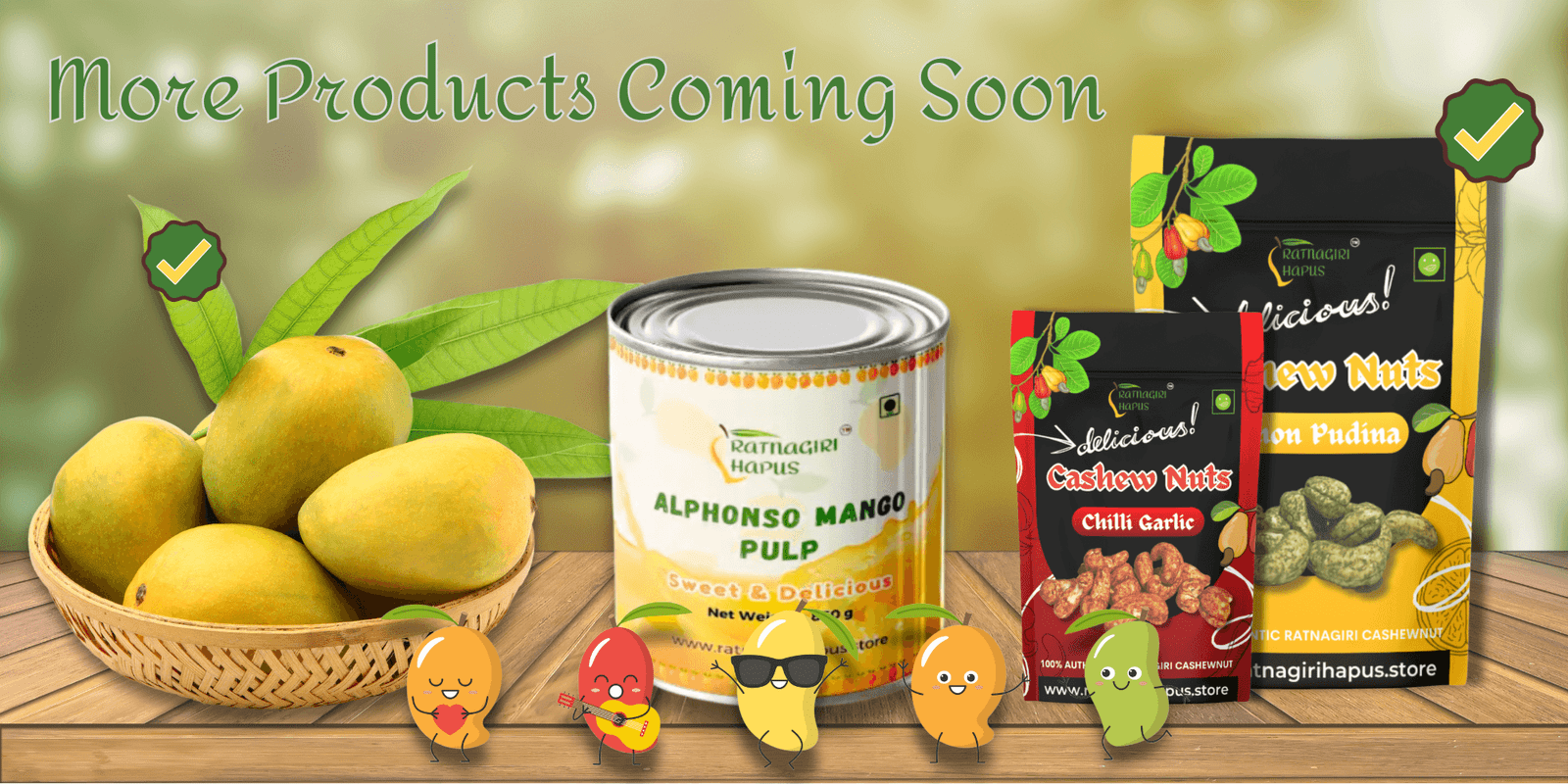
When we think of Ratnagiri, the first thing that comes to mind is its legendary Alphonso mangoes. We are expanding beyond this seasonal delicacy to offer innovative products like flavored cashews and Alphonso mango pulp. These new additions not only diversify the business but also ensure that the taste of Ratnagiri is available year-round.
Flavored Cashews: A Nutty Innovation
Cashews, already a favorite snack globally, are getting a delightful twist with local flavors. The Ratnagiri Hapus Store now offers a range of flavored cashews, including mango-flavored ones, as a tribute to the Alphonso mango. Other variations, like spiced and honey-roasted cashews, bring unique tastes to snack enthusiasts. These cashews are perfect for gifting, party snacks, or simply enjoying as a healthy indulgence.
What makes these flavored cashews special is the attention to quality. The nuts are sourced directly from trusted farmers, ensuring freshness and premium taste. The addition of natural flavors, including mango, provides a fusion of tradition and innovation.
Alphonso Mango Pulp: A Year-Round Treat
Mango lovers no longer need to wait for the summer season to relish the sweet taste of Alphonso mangoes. The introduction of Alphonso mango pulp by the Ratnagiri Hapus Store has made it possible to enjoy this flavor year-round. This pulp, made from handpicked and naturally ripened mangoes, is a versatile product. It can be used in desserts, milkshakes, ice creams, or even as a base for savory dishes.
What sets this pulp apart is its authenticity. Made without preservatives or artificial additives, it captures the real essence of Ratnagiri mangoes, ensuring that every spoonful is as rich and flavorful as the fruit itself.
Supporting Farmers and Expanding Opportunities
The introduction of these products also reflects the commitment of businesses like the Ratnagiri Hapus Store to empower local farmers. By sourcing raw materials directly from Ratnagiri’s orchards and processing them into premium products, the store ensures that farmers get a fair price for their produce. This initiative not only boosts the local economy but also elevates the global reputation of Ratnagiri’s agricultural offerings.
Convenience Meets Innovation
The Ratnagiri Hapus Store has made these products easily accessible through its online platform. Customers across India can now place orders on their website, ensuring that these unique products reach homes far and wide. With reliable delivery networks and easy online shopping, the store has redefined convenience for consumers.
A Taste of Ratnagiri in Every Bite
Flavored cashews and Alphonso mango pulp are more than just products; they are a way to keep the spirit of Ratnagiri alive throughout the year. Whether it’s the crunch of a mango-flavored cashew or the luscious sweetness of Alphonso pulp, these innovations have transformed seasonal delicacies into timeless treasures.
For those looking to savor the authentic flavors of Ratnagiri beyond the mango season, the Ratnagiri Hapus Store offers the perfect blend of tradition, quality, and innovation. Explore their range today and bring home a taste of Ratnagiri!
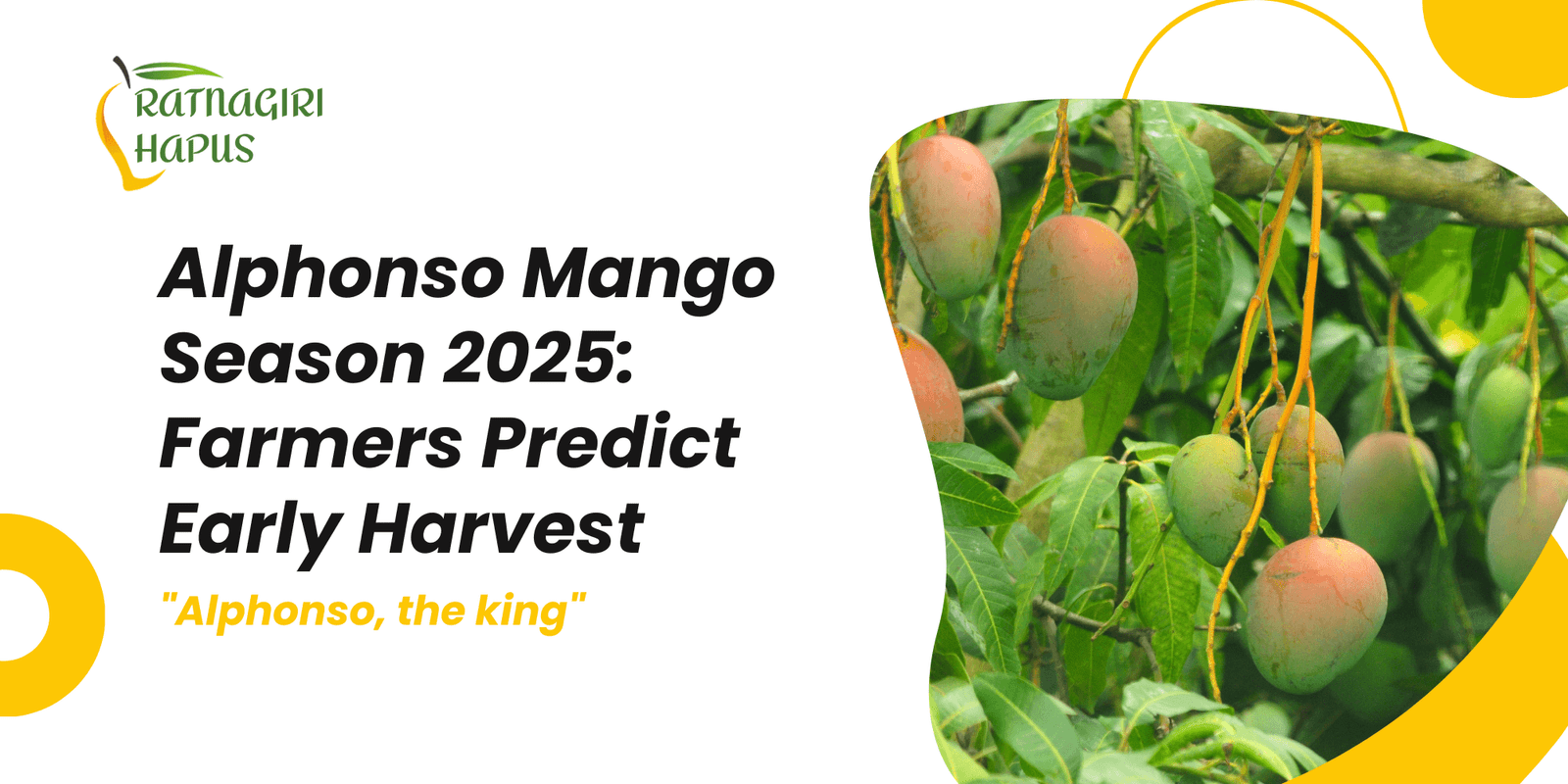
The Alphonso mango season is highly anticipated every year. In 2025, farmers predict the harvest will begin in the last week of February. This marks the start of a season that promises sweetness, richness, and unmatched flavor. Alphonso Mango Season 2025: Farmers Predict Early Harvest
Why Will the Harvest Start Early in 2025?
Favorable weather conditions, including timely rains and ideal temperatures, have set the stage for an early harvest. Farmers in Ratnagiri and Devgad report excellent flowering, which signals a promising yield. However, since mango production depends heavily on climate, it’s wise to keep a one to two-weeks buffer for unforeseen delays.
Growth in Demand: Insights from Previous Years
Demand for Alphonso mangoes has risen significantly in recent years.
2023: Exports increased by 15%, driven by popularity in Europe and the Middle East.
2024: Domestic consumption grew by 12%, with online orders contributing over 40% of sales.
2025 Projections: Experts predict a 20% growth in sales due to early arrivals and higher yields.
Ratnagiri Hapus Store: The Trusted Mango Destination
For genuine Alphonso mangoes, Ratnagiri Hapus Store is a top choice. They source mangoes directly from experienced farmers in Ratnagiri and Devgad. The store ensures naturally ripened, carbide-free mangoes, maintaining both quality and authenticity.
By employing innovative logistics, they minimize wastage and deliver fresh, premium mangoes. Their offerings include Alphonso mango pulp and flavored cashews, perfect for enjoying mango goodness year-round.
Alphonso Mango Season 2025: Farmers Predict Early Harvest
What Sets Alphonso Mangoes Apart?
The unique coastal climate and mineral-rich soil of Ratnagiri and Devgad create mangoes with unparalleled sweetness and buttery texture. Their vibrant golden-yellow color, paired with a tropical flavor profile, makes them stand out globally.
FAQs About Alphonso Mango Season 2025
1. When will Alphonso mangoes be available in 2025? The harvest is expected to start in the last week of February, with fresh mangoes reaching markets by early March. Keep a one-week buffer for possible weather-related delays.
2. How can I ensure my mangoes are authentic? Buying from trusted sellers like Ratnagiri Hapus Store ensures you get genuine, premium-quality Alphonso mangoes.
3. What makes Ratnagiri mangoes special? Their non-fibrous texture, naturally ripened quality, and rich flavor are unmatched, thanks to the region’s unique climate and soil.
4. Are there other products I can buy from Ratnagiri Hapus Store? Yes, they also offer Alphonso mango pulp and flavored cashews, allowing you to enjoy mango-inspired treats year-round.
Tips for Early Buyers
Consumers eagerly awaiting the season should consider pre-ordering. This ensures access to fresh, authentic mangoes as soon as they hit the market.
Why 2025 Is a Season to Remember
An early start, excellent crop conditions, and increasing demand make this year a landmark for Alphonso mango lovers. Don’t miss out—secure your share of the King of Fruits by ordering from trusted sources like Ratnagiri Hapus Store.
Alphonso Mango Season 2025: Farmers Predict Early Harvest
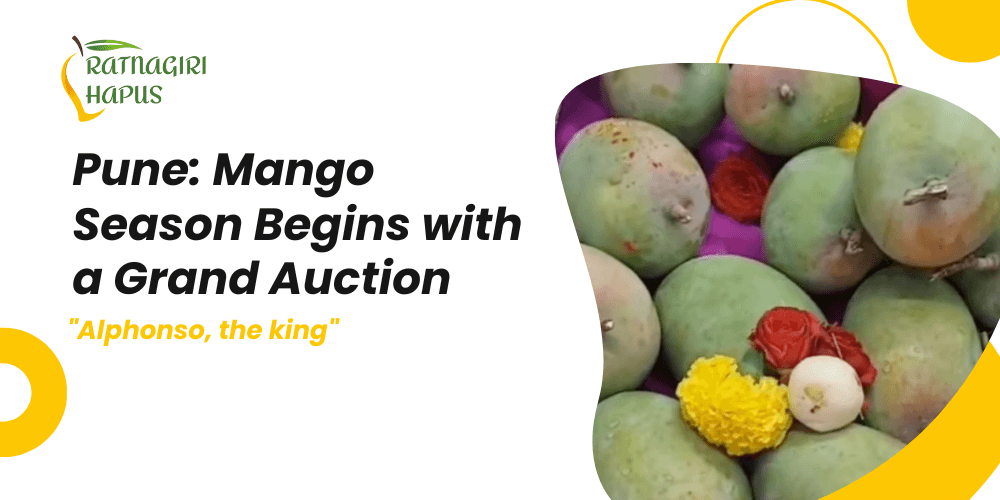
Pune’s Market Yard Fruit Market recently marked the arrival of the mango season with the auction of the year’s first batch of Kesar mangoes. This inaugural box, containing five dozen mangoes from farmer Saad Mulla’s orchard in Devgad, fetched an astonishing ₹31,000—a record-breaking figure surpassing previous years’ auction prices.
The auction was spearheaded by trader and Market Yard director Aniruddha alias Bapu Bhosale and was conducted in the presence of senior BJP leader Baba Misal, along with a host of prominent traders. Businessman Raosaheb Kunjir secured the prestigious box after a lively bidding session.
Pune: Mango Season Begins with a Grand Auction
A Star Turn for Kesar Mangoes
Though Alphonso mangoes from Konkan have traditionally been Pune’s most sought-after variety, this year’s mango season saw Kesar mangoes stealing the spotlight. Known for their saffron-hued pulp and sweet aroma, Kesar mangoes are typically grown in Gujarat. However, recent efforts to cultivate them in Konkan have yielded impressive results, with favorable weather conditions enabling an early harvest.
The auction’s success reflects the increasing demand for Kesar mangoes and sets the tone for the mango season ahead. Regular shipments of Alphonso mangoes are expected to begin from March 15, albeit slightly delayed due to climatic variations this year.
As the mango season gains momentum, the Pune Agricultural Produce Market Committee (APMC) has intensified efforts to protect consumers from counterfeit mango sales. Special teams have been deployed to inspect mango consignments, ensuring authenticity and penalizing traders attempting to pass off substandard or fake varieties as premium Alphonsos.
In 2024, APMC confiscated counterfeit Alphonso mangoes from three traders who were marketing South Indian mangoes as Konkan-grown. These proactive measures aim to uphold the reputation of Pune’s mango market and safeguard consumer trust.
A Celebration of Mango Culture
The festive auction event was graced by several dignitaries, including Balasaheb Konde, head of the Market Committee Fruit and Vegetable Department, and Arun Veer, President of the All Pune Flower Market Traders Association. Notable traders such as Yuvraj Kachi, Gaurav Ghule, Rohan Jadhav, and Balbhim Majalgave also participated in the ceremony.
During the event, both Bhosale and Majalgave highlighted the significance of this early Kesar mango arrival, expressing optimism about a bountiful mango harvest in the weeks to come.
Looking Ahead
The auction of the season’s first mango box heralds an exciting time for mango lovers in Pune. With both Kesar and Alphonso mangoes expected to dominate the market, traders and consumers eagerly anticipate the arrival of more varieties.
If you’re looking for authentic Alphonso mangoes or premium-quality Kesar mangoes, Ratnagiri Hapus Store offers a wide range of naturally ripened, GI-tagged mangoes delivered directly to your doorstep. Celebrate the mango season with the best fruits from trusted sources!
The Alphonso mango, known for its exquisite flavor, creamy texture, and aromatic appeal, is a prized fruit that thrives under very specific weather conditions. Hailed as the “King of Mangoes,” Alphonso requires a delicate balance of climatic factors to achieve its signature taste and quality. Let’s explore how weather significantly influences the cultivation of Alphonso mangoes, particularly in regions like Ratnagiri and Devgad in Maharashtra. Weather Role Cultivating Alphonso Mangoes
1. Temperature and Sunshine
Optimal Temperature Range: Alphonso mangoes flourish in temperatures ranging between 24°C to 38°C (75°F to 100°F). Excessive heat or frost can harm the flowering and fruiting processes.
Sunshine Hours: Prolonged sunlight exposure is essential for proper photosynthesis, enhancing the fruit’s sweetness and color. The intense sunlight in coastal Maharashtra aids in the development of the saffron-hued pulp characteristic of Alphonso.
2. Rainfall and Humidity
Pre-Monsoon Rain: A moderate amount of pre-monsoon rain (March to May) helps the flowers bloom, ensuring a good yield. Excess rain during this period can lead to flower drop or fungal infections.
Post-Monsoon Moisture: Coastal humidity in Ratnagiri and Devgad plays a critical role in retaining the soil’s moisture levels, preventing the fruit from becoming dry or fibrous.
3. Wind Patterns
Gentle Breezes: Coastal winds are beneficial for Alphonso mango cultivation. They help in natural pollination and prevent pests from settling on the trees. However, strong gusts can damage the delicate flowers and young fruits.
4. Soil-Weather Synergy
The combination of red lateritic soil in Ratnagiri and the weather conditions of the Konkan coast creates an ideal terroir for Alphonso mangoes. The soil retains adequate moisture without waterlogging, and the warm coastal weather supports consistent growth.
5. Seasonal Variations
Flowering Phase (December – January): Cool nights and warm days during winter months are essential for inducing flowering in Alphonso mango trees. Any deviation from this pattern can affect the yield.
Harvesting Phase (April – June): Warm and sunny conditions during this period help Alphonso mangoes ripen naturally, developing their characteristic sweetness and aroma.
6. Impact of Climate Change
Recent shifts in weather patterns, such as unpredictable rainfall and rising temperatures, have posed challenges for Alphonso mango growers:
Delayed Flowering: Warmer winters disrupt the flowering cycle.
Increased Pests: Higher humidity levels encourage pests and diseases, reducing the quality of the fruit.
Loss of Yield: Unseasonal rain during flowering or ripening stages can lead to significant crop losses.
Conclusion
Weather is undeniably the most critical factor in determining the quality, yield, and overall success of Alphonso mango cultivation. From the coastal winds of Maharashtra to the sunshine that ripens each mango to perfection, every element of the climate contributes to making Alphonso mangoes the delicacy they are known to be. Sustainable farming practices and adapting to changing weather patterns will be crucial for preserving the legacy of Alphonso mangoes for future generations.
If you’re looking to savor authentic Alphonso mangoes grown under these ideal conditions, explore trusted sources like the Ratnagiri HaHomepus Store for the finest selection.
India’s mango season is a much-anticipated time of year, bringing with it an array of flavors, textures, and colors. With over 1,000 varieties grown across the country, each region boasts its unique contributions to the mango legacy. Here’s a detailed guide to the Indian mango season, highlighting the months, types of mangoes, and the states where they flourish. Let’s go through Indian Mango Season.
The Timeline of Mango Season in India
Mango season begins in March and extends through July, with the peak harvest occurring in April and May. The timeline varies depending on the variety and the region:
March-April: Early varieties like Totapuri and Badami make their appearance.
April-June: Iconic mangoes like Alphonso, Kesar, and Banganapalli dominate the market.
June-July: Late-season varieties such as Neelam and Dasheri take center stage.
Popular Mango Varieties, Their Harvest Months, and Origins
Here’s a breakdown of some of the most sought-after mango varieties, when they’re available, and where they originate:
Western India (Maharashtra, Gujarat): Famous for Alphonso and Kesar mangoes, this region produces export-quality fruits prized for their taste and aroma.
Northern India (Uttar Pradesh, Bihar): Known for Dasheri and Langra, mangoes from this region are celebrated for their versatility in both raw and ripe forms.
Eastern India (West Bengal, Odisha): Himsagar and Lakshmanbhog mangoes dominate, offering unparalleled sweetness and juicy textures.
Southern India (Andhra Pradesh, Tamil Nadu, Karnataka): Totapuri, Banganapalli, and Neelam are highlights, known for their distinct shapes and flavors.
Tips for Enjoying Indian Mango Season
Buy Locally or Online: Opt for fresh, organic mangoes directly from farms or trusted online stores.
Select by Ripeness: Look for mangoes with a sweet aroma and slight softness for immediate consumption.
Preserve the Harvest: Mango pulp can be frozen for year-round use in desserts, drinks, and savory dishes.
Why Mango Season Is Special in India
Mangoes are more than just a fruit in India; they’re part of the cultural fabric. From being offerings in religious ceremonies to inspiring countless culinary creations, mangoes symbolize abundance, joy, and nostalgia.
With the season in full swing, now is the time to relish this king of fruits in all its glory—whether it’s the buttery Alphonso, the tangy Langra, or the fragrant Dasheri.
When it comes to Alphonso mangoes, popularly known as “Hapus,” discerning mango lovers know that authenticity and quality make all the difference. If you’re looking for the best, Ratnagiri Hapus Store stands out as the ultimate source for these golden delights. Here’s why mango enthusiasts from around the globe trust Ratnagiri Hapus Store: Your Go-To Source for Alphonso Mangoes
1. Guaranteed Authenticity from the Heart of Ratnagiri
Ratnagiri, a coastal district in Maharashtra, is renowned for producing the finest Alphonso mangoes. The unique geographical conditions, including the coastal climate, laterite soil, and abundant sunlight, imbue the mangoes with their distinctive sweetness and rich aroma.
At Ratnagiri Hapus Store, every mango is sourced directly from authentic orchards in Ratnagiri. This ensures that customers receive 100% genuine, GI-tagged Alphonso mangoes that reflect the region’s agricultural heritage.
2. Unmatched Quality and Freshness
The Ratnagiri Hapus Store prioritizes delivering only the best. From handpicking mangoes at their peak ripeness to ensuring they are free from artificial ripening agents, the store’s quality assurance process is meticulous. These mangoes are naturally ripened in grass hay, preserving their natural sweetness and juicy texture.
The result? Every mango from Ratnagiri Hapus Store bursts with vibrant flavors and has the perfect balance of sweetness and acidity.
3. Convenient Online Ordering
Gone are the days of scouting local markets to find quality mangoes. With Ratnagiri Hapus Store’s user-friendly website, customers can order premium Alphonso mangoes from the comfort of their homes. The process is seamless, and deliveries are carefully packaged to preserve freshness during transit.
Whether you’re in India or abroad, Ratnagiri Hapus Store ensures that these delicious mangoes reach your doorstep promptly and in pristine condition.
4. Commitment to Sustainability and Local Farmers
By sourcing directly from local farmers, Ratnagiri Hapus Store supports the livelihoods of the region’s agricultural community. The store promotes sustainable farming practices, encouraging the use of organic fertilizers and traditional ripening methods to maintain the ecological balance.
When you buy from Ratnagiri Hapus Store, you’re not just enjoying premium mangoes; you’re also contributing to the growth of local farming communities.
5. A Tradition of Excellence
Ratnagiri Hapus Store has built a reputation for delivering exceptional mangoes year after year. The glowing customer reviews and loyal patronage testify to their commitment to quality and customer satisfaction.
6. Beyond Mangoes: Mango Products for Every Taste
In addition to fresh Alphonso mangoes, Ratnagiri Hapus Store offers a delightful range of mango-based products. From mango pulp to jams and chutneys, their selection allows you to savor the taste of Ratnagiri Alphonso mangoes throughout the year.
Final Thoughts
The Ratnagiri Hapus Store has redefined how mango lovers experience the king of fruits. Whether it’s the authenticity, the rich flavor, or the convenience of online ordering, this store ensures that every customer enjoys the true essence of Alphonso mangoes.
So why wait? Elevate your mango experience this season with Ratnagiri Hapus Store—your trusted source for the finest Alphonso mangoes.
Order now and relish the sweetness of Ratnagiri Hapus mangoes!
Mangoes, known as the “King of Fruits,” are cherished for their sweetness and versatility. The world of mango species is diverse, offering flavors, textures, and colors that delight millions. By exploring these varieties, we understand the fruit’s importance in culinary traditions and biodiversity. Lets take a look in The Diversity of Mango Species.
What Defines Mango Species?
Mango species refer to the different varieties of mangoes, particularly those within the Mangifera genus. While Mangifera indica dominates as the most popular species, there are numerous wild and cultivated mangoes that enhance the fruit’s diversity.
Popular Mango Species
Alphonso Mango (Mangifera indica) Alphonso mangoes are famed for their creamy texture and rich flavor. Grown in India, they are considered a premium variety due to their sweetness and aroma.
Haden Mango (Mangifera indica) Originating from Florida, Haden mangoes boast a vibrant red and green skin. They offer a slightly fibrous texture, making them ideal for smoothies and juices.
Carabao Mango (Mangifera indica) The Carabao mango, native to the Philippines, is among the sweetest varieties. It balances sugar and acidity perfectly, making it a favorite in tropical recipes.
Nam Dok Mai Mango (Mangifera indica) This Thai variety is known for its smooth texture and floral aroma. It is widely used in desserts such as sticky rice and mango pudding.
Wild Mango Species In addition to cultivated varieties, species like Mangifera caesia (Binjai) and Mangifera odorata (Kwini) are found in Southeast Asia. These wild species contribute significantly to genetic diversity.
Why Mango Species Matter
Diversity among mango species supports agriculture, trade, and ecological balance. Farmers grow different varieties to suit various climates and tastes. Wild species also provide essential traits that improve resilience to pests and diseases.
Key Characteristics of Mango Species
Each species offers unique attributes, including:
Skin and Pulp Colors: Mangoes range from green and red to golden yellow.
Flavors: Varieties like Alphonso are sweet, while others such as Kwini have tangy profiles.
Uses: Fibrous mangoes are great for juices, while non-fibrous ones are better for desserts.
Conclusion
The incredible diversity of mango species showcases the fruit’s cultural and biological significance. By exploring mango species worldwide, we celebrate not just the flavors but also the richness of nature. Whether sweet, tangy, or fragrant, every mango species has something special to offer.
India is often called the “Land of Mangoes,” a title well-deserved by this tropical paradise that grows over 1,500 varieties of the beloved fruit. From the golden Alphonso to the juicy Dussehri, mangoes are not only a staple of the Indian summer but are also woven deeply into the country’s culture, heritage, and economy.
1. The Origin and History of Mangoes in India
Mangoes (Mangifera indica) have a rich history in India, with cultivation dating back over 4,000 years. Originally found in the forests of the Indian subcontinent, mangoes have been celebrated in ancient texts and legends. For instance, mangoes were revered in Hindu mythology, symbolizing prosperity and love. The fruit also found favor in the courts of Indian royalty, with emperors like Akbar planting thousands of mango trees. Over centuries, India’s climate and terrain have allowed the mango to flourish, making it the world’s top mango producer today.
2. Diverse Mango Varieties make India The Land of Mangoes
India’s diverse climate and geography contribute to its array of unique mango varieties, each with its distinctive flavor, aroma, and color. Here are some of the most famous ones:
Alphonso (Hapus): Known as the “King of Mangoes,” Alphonso is celebrated for its rich, sweet taste and buttery texture. Primarily grown in Maharashtra’s Ratnagiri region, Alphonso is a delicacy in India and is exported globally.
Kesar: This variety, grown mainly in Gujarat, is renowned for its bright saffron color and sweet taste. Its name, “Kesar,” meaning saffron, reflects its striking color and intense aroma.
Dussehri: Originating from Uttar Pradesh, Dussehri mangoes are prized for their fragrant, sweet, and fibrous flesh. They’re often enjoyed as a fresh snack in the northern regions of India.
Langra: Known for its greenish skin even when ripe, Langra mangoes are popular in Bihar and the northern states. They have a tangy, slightly acidic flavor that stands out among mango varieties.
Himsagar: Native to West Bengal, Himsagar is a small, juicy mango with a creamy texture, perfect for making desserts.
Neelum: Grown in South India, Neelum mangoes are available later in the season and are enjoyed for their subtle sweetness and long shelf life.
Each of these varieties has its own season, typically from March to July, making the Indian summer a mango lover’s delight.
3. Mangoes and Cultural Significance in India
Mangoes hold a deep cultural significance in India, appearing in festivals, rituals, and traditional art. The leaves and fruit are often used in Hindu festivals and ceremonies, symbolizing purity and prosperity. During weddings and celebrations, mango leaves are hung at doorways to invite good fortune. The mango is also a popular motif in traditional Indian art, known as the “paisley” design in textiles and decorations.
Culinary traditions around mangoes are also rich and diverse. While fresh mangoes are enjoyed as a seasonal snack, they’re also transformed into various dishes, from refreshing mango lassi to spicy mango pickle, a staple in Indian households. Mangoes are pureed for desserts, cooked into chutneys, and used in savory dishes, showcasing the fruit’s versatility in Indian cuisine.
4. The Economic Importance of Mangoes in India
Mangoes are a significant part of India’s agricultural economy, contributing to both domestic and export markets. India grows approximately 40% of the world’s mangoes, and while much of this is consumed locally, a considerable amount is exported, especially Alphonso, to countries like the United States, UAE, and Europe. The mango industry supports millions of farmers and workers in India, especially in mango-growing states like Maharashtra, Andhra Pradesh, Uttar Pradesh, and Gujarat.
5. Geographical Indication (GI) Status of Indian Mangoes
Several Indian mango varieties, like the Alphonso from Ratnagiri and Kesar from Gujarat, have received Geographical Indication (GI) tags, protecting their identity and quality. GI tags not only help preserve the unique characteristics of these regional varieties but also support the economic interests of local farmers by preventing counterfeit products in the market.
6. The Future of Mango Cultivation in India
With changing climate patterns, Indian mango cultivators are exploring sustainable farming methods to protect the fruit from extreme weather and pests. Scientists and farmers are also developing hybrid varieties to meet demand and withstand climate variations. Moreover, research on mango storage and transportation aims to extend the fruit’s shelf life, enhancing India’s export potential.
Conclusion
India’s bond with mangoes is as vibrant as the fruit itself. Mangoes are more than just a seasonal treat in India—they’re a symbol of heritage, an economic pillar, and a source of joy for millions. Every summer, mangoes bring families and communities together, whether for a simple slice of the fruit or elaborate recipes. As India continues to honor its mango-growing traditions while innovating for the future, it remains firmly the “Land of Mangoes,” bringing its rich flavors and cultural richness to the world.
Mangoes are known as the “King of Fruits,” and India, being the largest producer of mangoes, boasts a wide array of delectable varieties. Among these, two stand out: Kesar and Alphonso mangoes. Both are cherished for their unique flavors and textures, yet they possess distinct qualities that set them apart. Below is a deep dive into what makes Kesar and Alphonso mangoes unique, comparing them based on taste, appearance, cultivation regions, seasonality, uses, nutritional value, and more. Whether you’re a mango aficionado or just curious about these varieties, this guide covers everything you need to know. Kesar Mango vs Alphonso Mango
1. Flavor Profile
Alphonso mango’s rich color and creamy texture.
Kesar Mango: Kesar mangoes offer a sweet, slightly tangy flavor with a hint of honey. The taste is often more complex than other mangoes, with a mix of flavors that makes it stand out in desserts. The pulp is juicy but less fibrous, giving it a smooth bite that’s both refreshing and indulgent.
Alphonso Mango: Known as the “King of Mangoes,” Alphonso mangoes have an intensely sweet, creamy flavor profile. The taste is unique, with subtle hints of saffron (in fact, it’s named after the saffron-like aroma). With almost zero fiber and a buttery smooth texture, Alphonso mangoes offer a melt-in-the-mouth experience, making them ideal for premium culinary applications.
Kesar Mango vs Alphonso Mango
2. Appearance and Texture
A bunch of Kesar mangoes with their distinctive saffron hue.
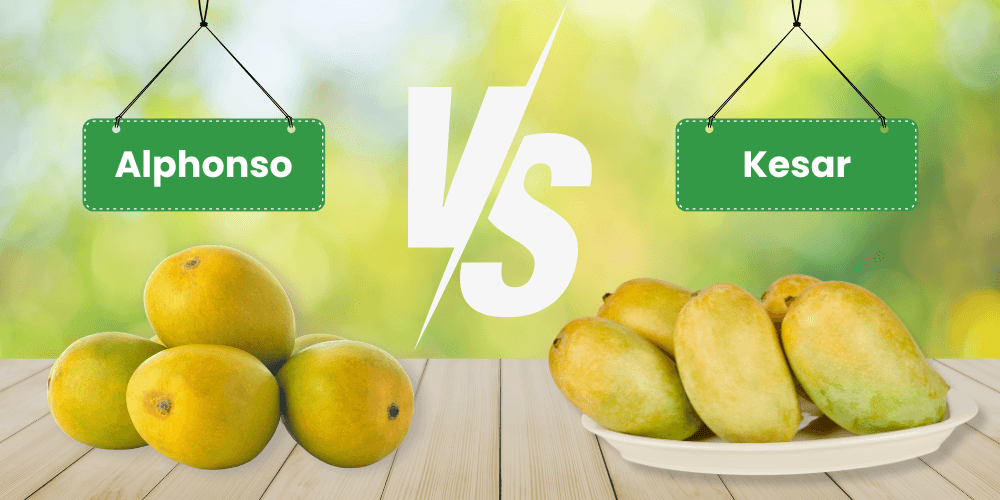
Kesar: The Kesar mango has a saffron-colored, slightly wrinkled skin and an oval shape. Inside, the flesh is a vibrant orange, known for being fibrous. The mango’s color and slight texture variation give it a visually appealing and distinctive look.
Alphonso: Alphonso mangoes are golden-yellow with a smooth skin and sometimes a reddish blush. The flesh inside is deep orange, velvety, and almost entirely fiberless, giving it a premium look and feel.
3. Growing Regions in India
Map showing key growing regions for Kesar and Alphonso mangoes in India.
Kesar: Kesar mangoes are primarily cultivated in the Girnar hills and the regions around Junagadh, Gujarat. The soil here is mineral-rich, which helps produce mangoes with intense color and flavor. This region’s climate, which is hot and dry, contributes to the fruit’s unique taste and quality.
Alphonso: Grown mainly in the coastal Ratnagiri, Devgad, and Sindhudurg areas of Maharashtra, as well as parts of Karnataka, Alphonso mangoes thrive in a tropical climate with sea breeze and laterite-rich soil. This unique combination of climate and soil produces mangoes with an exceptional sweetness and flavor.
4. Seasonality and Availability
Kesar: The Kesar mango season is relatively short, from May to July. However, they are available in frozen or canned form for those who want to enjoy them year-round. Because of the limited season, Kesar mangoes are highly sought after in these months.
Alphonso: Alphonso mangoes are available from March to June, with the peak season being April and May. Known for their export quality, Alphonso mangoes reach international markets during this period, especially in the Middle East, U.S., and U.K.
5. Culinary Uses
Delicious mango cheesecake made with Alphonso puree.
Kesar: Due to its thick and juicy flesh, Kesar is a versatile mango used in a variety of dishes. It is perfect for traditional Indian desserts like mango shrikhand, aamras, and milkshakes. Kesar is also used in jams, jellies, and ice creams, thanks to its naturally intense flavor.
Alphonso: With its luxurious, creamy texture, Alphonso mango is ideal for high-end desserts such as mango cheesecake, tarts, and smoothies. It is also a favorite for making mango pulp and premium mango puree, used worldwide in gourmet recipes. Its smooth consistency and bold flavor make it perfect for sauces and even cocktails.
6. Cost and Export Value
Kesar: Although Kesar mangoes are more affordable than Alphonso, they still hold a significant position in the export market. They are shipped globally in limited quantities, mainly to the U.S., Canada, and the Middle East.
Alphonso: Known as one of the most premium mango varieties, Alphonso mangoes are highly valued, especially those from the Ratnagiri and Devgad regions. Alphonso’s rich taste and texture make it a favorite among international buyers, leading to higher prices.
7. Nutritional Value
Both Kesar and Alphonso mangoes are rich in vitamins A, C, and E, as well as antioxidants and fiber, supporting immunity, skin health, and digestion.
Nutrient
Kesar Mango (per 100g)
Alphonso Mango (per 100g)
Calories
60 kcal
66 kcal
Vitamin A
54% RDI
50% RDI
Vitamin C
36% RDI
44% RDI
Fiber
2 g
1.5 g
8. Which Mango is Better?
The choice between Kesar and Alphonso mangoes ultimately comes down to personal preference. Kesar mangoes are ideal for those who enjoy a well-balanced flavor with a hint of tang and honey, while Alphonso mangoes are perfect for people who prefer a sweeter, creamier taste. Both varieties have their own culinary applications, with Kesar being more versatile in traditional Indian recipes and Alphonso excelling in gourmet desserts and purees.
9. Conclusion
Kesar and Alphonso mangoes represent the rich diversity of India’s mango culture. While Kesar mangoes shine with their balanced flavor and versatility, Alphonso mangoes captivate with their intense sweetness and buttery texture. Both are iconic in their own right, showcasing the best of what Indian mangoes offer to the world.
Mangoes captivate fruit lovers worldwide with their vibrant flavors, juicy textures, and culinary versatility. Known as the “King of Fruits,” mangoes belong to the Mangifera genus, which encompasses hundreds of unique varieties, each with distinct tastes, appearances, and uses. In this guide, let’s dive into the many types of mangoes, covering popular varieties, unique species, and their growing seasons to help you discover your next favorite. Lets dive into Mango Varieties, Species, and Kinds.
Mango Varieties Species and Kinds
1. Origins and Classification of Mango Varieties Species and Kinds
Mangoes (Mangifera indica) likely originated over 4,000 years ago in the Indo-Burma region, now part of India, Myanmar, and Bangladesh. Since then, they have spread throughout tropical and subtropical regions worldwide. Within the Mangifera genus, species vary widely in color, taste, and growing needs. While Mangifera indica is the most popular species, other species provide unique flavors and are key in local cuisines.
Some primary mango species include:
Mangifera indica: The most cultivated species, with a sweet taste and vibrant yellow-orange flesh, including popular varieties like Alphonso, Haden, and Kent.
Mangifera odorata: Known for a fragrance with hints of pineapple, this species grows primarily in Malaysia and the Philippines.
Mangifera laurina: Often called “wild mango,” this species has a sour taste and is prevalent in Southeast Asian cooking.
2. Popular Mango Varieties and Their Flavor Profiles
Each mango variety has a distinct flavor, color, and texture. Here’s a closer look at popular mango varieties and what makes each unique Mango Varieties Species and Kinds:
1. Alphonso
Called the “King of Mangoes,” Alphonso stands out for its creamy texture, rich sweetness, and saffron-colored flesh. Grown primarily in Maharashtra, India, it’s typically harvested from March to June. Its fragrance and taste make it perfect for desserts, beverages, and other dishes.
2. Haden
Haden mangoes, originally from Florida, are medium to large with a smooth red and green skin. Known for a mild sweetness and slight tartness, Haden is great for fresh consumption and salads.
3. Ataulfo (Honey Mango)
Commonly referred to as Honey Mango, Ataulfo is small, sweet, and buttery. With a thin pit and creamy texture, it’s popular for snacking or in smoothies. This variety grows mostly in Mexico and is available from March to July.
4. Kent
Sweet and fiber-free, Kent mangoes offer a perfect balance of tartness and sweetness. They are excellent for eating fresh or in desserts, harvested from December to March.
5. Keitt
Keitt mangoes, which retain a green color even when ripe, are mild and juicy. Often available from August to October, they are ideal for salads or as snacks due to their gentle flavor.
6. Tommy Atkins
Tommy Atkins mangoes, widely sold in the U.S., have firm flesh and a mild taste, ideal for salsas and salads. They are typically grown between March and July and are available in many grocery stores year-round.
3. Types of Mangoes Found in India
India, the world’s largest mango producer, is home to diverse mango varieties, each with unique flavors and uses:
1. Dasheri
Native to Uttar Pradesh, Dasheri mangoes have an aromatic sweetness. They’re enjoyed fresh or in traditional Indian dishes and are harvested from June to July.
2. Banganapalli
This variety, popular in Andhra Pradesh, has a slightly tangy taste and golden-yellow skin. It’s typically available from April to June and loved for its succulent texture.
3. Kesar
Known as the “Queen of Mangoes,” Kesar is famous for its saffron-yellow hue and rich flavor. Grown in Gujarat, this mango is widely used in sweets, chutneys, and smoothies. It’s available from May to July.
4. Neelum
South India’s Neelum mangoes are small, richly sweet, and are typically harvested from May to July. They’re often enjoyed fresh or in mango-based beverages.
5. Chausa
Chausa mangoes, originating from Bihar, are fiberless and juicy with a golden-yellow color. They’re typically harvested from July to August and popular for fresh eating.
4. Mango Growing Seasons Around the World
Mangoes are grown year-round due to their cultivation in tropical and subtropical areas across the globe. Here’s a seasonal guide to some popular mango varieties:
Alphonso (India): March to June
Ataulfo (Mexico): March to July
Haden (Florida): March to May
Kent (South America): December to March
Keitt (U.S., Mexico): August to October
Due to varying harvesting periods, fresh mangoes are available almost year-round globally.
5. Nutritional Benefits and Uses of Mango Varieties Species and Kinds
Mangoes are packed with essential vitamins and minerals, notably high in vitamin C, vitamin A, and fiber, which support immunity, skin health, and digestion. They also contain antioxidants like beta-carotene, which promote eye health and reduce oxidative stress.
Common Uses of Mangoes in Cooking and Beyond
From sweet to savory, mangoes add unique flavors to a variety of dishes of Mango Varieties Species and Kinds:
Smoothies and Beverages: Their natural sweetness makes mangoes ideal for blending with coconut milk or yogurt.
Salsas and Salads: Firm varieties like Tommy Atkins are great in salsas, adding a sweet contrast to spicy ingredients.
Desserts: Mangoes shine in sorbets, puddings, and the popular mango lassi.
Chutneys and Pickles: In Indian and Southeast Asian cooking, mangoes are widely used for tangy chutneys and pickles.
6. Tips for Selecting and Storing Mangoes
To choose the best mangoes, select fruits that feel slightly soft when gently pressed, emit a fruity aroma, and have vibrant skin. Avoid mangoes with dark spots or bruises.
Storage Tips
Ripen at room temperature: Allow unripe mangoes to ripen at room temperature.
Refrigerate when ripe: Store ripe mangoes in the refrigerator for up to five days.
Freeze for long-term storage: Cut and freeze mango cubes for use in smoothies and recipes throughout the year.
Conclusion
With such a vast array of varieties, mangoes offer something for everyone, each type delivering its own blend of flavor, texture, and seasonality. From the creamy Alphonso to the mildly sweet Tommy Atkins, mangoes remain a beloved fruit worldwide. Discovering these varieties and their seasonal availability can help you enjoy the best mangoes all year, enriching your culinary experience and appreciation for this tropical treasure.