Posted on Leave a comment

Alphonso Mango: Complete Guide to the King of Mangoes

Alphonso Mango Blog

Alphonso Mango, also called Hapus in Maharashtra, is one of India’s most loved mango varieties. People know it for its rich sweetness, smooth pulp, bright colour, and strong natural aroma.

The fruit has a special connection with the Konkan region of Maharashtra, especially Ratnagiri and Sindhudurg. Every summer, mango lovers across India wait for the arrival of fresh Alphonso Mangoes.

But what makes this mango so special? Where does it grow? Why does it cost more than many other mangoes? How can you identify a genuine Alphonso?

This guide answers these questions and covers the history, growing regions, taste, season, GI tag, farming, natural ripening, nutrition, storage, uses, and buying tips.

What Is Alphonso Mango?

Alphonso Mango is a variety of Mangifera indica. In Maharashtra, people commonly call it Hapus or Hapus Aam.

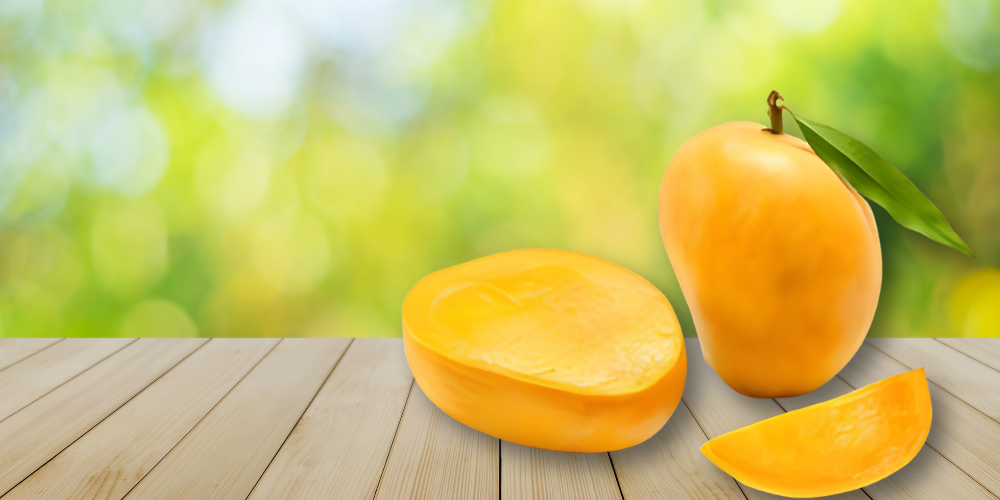
A ripe Alphonso usually has golden-yellow skin and yellow to saffron-coloured pulp. The fruit has a smooth texture and very little fibre. It also develops a sweet taste and a rich mango aroma as it ripens.

Because of these qualities, people enjoy Alphonso both as a fresh fruit and as an ingredient in many foods.

You can find Alphonso Mango in:

  • Fresh fruit
  • Mango pulp
  • Aamras
  • Mango shakes
  • Ice cream
  • Mango Mastani
  • Cheesecake
  • Lassi
  • Smoothies
  • Other desserts and drinks

In short, Alphonso is much more than a summer fruit. It has become an important part of India’s food culture.

Why Is Alphonso Mango Called the King of Mangoes?

People often call Alphonso the King of Mangoes because of its unique mix of taste, texture, colour, and aroma.

Rich Sweetness

A ripe Alphonso has a rich and pleasant sweetness. The flavour can also include light fruity and citrus notes.

Smooth Pulp

The pulp feels creamy and smooth. It has very little fibre compared with many other mango varieties. As a result, it works well in both fresh eating and desserts of alphonso mango.

Strong Aroma

A ripe Alphonso produces a pleasant mango fragrance. The aroma becomes stronger as the fruit reaches its ideal ripeness.

Beautiful Colour

The skin usually turns golden-yellow as the fruit ripens. Inside, the pulp can develop a deep yellow or saffron shade.

Short Season

Fresh Alphonso has a short harvest season. Therefore, mango lovers often wait throughout the year for its arrival.

Premium Demand

Alphonso mangoes enjoys strong demand in India and overseas markets. Its reputation also makes it a popular choice for premium food products.

These qualities explain why many mango lovers consider Alphonso Mango the King of Mangoes.

History and Origin of Alphonso Mango

The history of Alphonso Mango goes back several centuries.

A popular historical account connects the name Alphonso with Afonso de Albuquerque, a Portuguese military leader and administrator. Portuguese influence also played a role in the development of mango grafting and plant selection in India.

However, historians still discuss the exact origin of the name and variety.

Over time, Indian farmers selected and grew superior mango trees. As a result, Alphonso became closely linked with the western coast of India, especially the Konkan region of Maharashtra.

Today, generations of farmers continue to grow Alphonso using local knowledge and traditional orchard practices.

Where Does Alphonso Mango Grow?

Alphonso Mango grows in several parts of India. However, Maharashtra has a particularly strong reputation for premium Alphonso mango production.

Important growing areas include:

  • Ratnagiri
  • Sindhudurg
  • Devgad
  • Raigad
  • Palghar
  • Other parts of the western coastal region

Among these places, Ratnagiri and Devgad have become especially well known for Hapus Mangoes.

The local climate, soil, rainfall, temperature, and orchard practices all affect the fruit.

For this reason, mangoes from different regions can show small differences in taste, aroma, colour, and texture.

Ratnagiri Alphonso Mango

Ratnagiri Alphonso Mango, widely known as Ratnagiri Hapus, comes from Ratnagiri district in Maharashtra.

Ratnagiri lies along the Konkan coast. The area has a warm coastal climate, heavy monsoon rainfall, laterite-rich soils, hills, and the influence of the Arabian Sea.

These natural conditions support mango farming and help create the qualities linked with Ratnagiri Hapus.

A good Ratnagiri Alphonso can offer:

  • Rich sweetness
  • Strong aroma
  • Smooth pulp
  • Low-fibre texture
  • Golden-yellow colour
  • Saffron-coloured pulp

Devgad Alphonso Mango

Devgad Alphonso Mango, also called Devgad Hapus, comes from the Devgad region of Sindhudurg district in Maharashtra.

Devgad sits close to the Arabian Sea. Its coastal climate, soil, rainfall, and traditional mango orchards create a suitable environment for Alphonso cultivation.

Devgad Hapus is known for its:

  • Sweet taste
  • Pleasant aroma
  • Smooth pulp
  • Low-fibre texture
  • Golden and saffron shades

Both Devgad and Ratnagiri produce Alphonso Mangoes. However, the exact taste can change from one orchard to another.

Ratnagiri vs Devgad Alphonso Mango

Ratnagiri Hapus and Devgad Hapus belong to the same Alphonso variety. The main difference is their geographical origin.

Many people ask which one tastes better. There is no single answer.

Taste can depend on:

  • Orchard location
  • Soil
  • Weather
  • Tree age
  • Harvest maturity
  • Ripening
  • Handling

Therefore, some people may prefer Ratnagiri Hapus, while others may prefer Devgad Hapus.

Both have a strong reputation among Alphonso lovers.

What Makes Ratnagiri Alphonso Special?

Ratnagiri offers a unique environment for mango farming.

The region receives heavy monsoon rain. After the monsoon, the weather becomes warmer and drier. The nearby Arabian Sea also influences the local climate.

The area’s laterite-rich soils and traditional farming practices add to the region’s identity.

In addition, farmers have grown Hapus in the Konkan region for generations. Their experience helps them manage the trees, flowering, fruit growth, harvesting, and ripening process.

This combination of place, climate, soil, and farming knowledge helps Ratnagiri Hapus maintain its premium reputation.

Alphonso Mango GI Tag

A Geographical Indication (GI) tag connects a product with a specific geographical area.

The GI system helps protect products that have qualities or a reputation linked to their place of origin.

Alphonso Mango from the recognized geographical region of Maharashtra has GI recognition. This recognition helps protect the regional identity of the fruit and supports awareness among buyers.

However, a GI tag does not mean every mango will have exactly the same size, colour, or taste. Mangoes are natural products, so some variation is normal.

For buyers, the GI tag is one useful part of checking the origin of premium Alphonso Mangoes.

What Does Alphonso Mango Taste Like?

A ripe Alphonso has a rich and distinctive flavour.

Most people notice:

  • Natural sweetness
  • Tropical fruit notes
  • Strong mango aroma
  • Creamy pulp
  • Smooth mouthfeel
  • Very little fibre

The final taste depends on maturity and ripening.

A mango picked too early may not develop its full flavour. On the other hand, a fruit that becomes overripe can lose some of its freshness.

So, the right harvest stage and proper ripening both matter.

How Does Alphonso Mango Look?

A ripe Alphonso Mango usually has:

  • Golden-yellow skin
  • Oval or slightly oblong shape
  • A small seed
  • Yellow to saffron-coloured pulp
  • Smooth flesh

Some mangoes may also show an orange or reddish colour near the top.

However, colour alone cannot prove that a mango is genuine or ripe.

Natural mangoes can have uneven colour. Buyers should also check the aroma, firmness, fruit condition, and source.

Alphonso Mango Season

Fresh Alphonso Mango is available only for a short period each year.

In Maharashtra, the main season usually runs from March to June. However, weather can change the timing from one year to another.

The season generally follows three stages:

Early Season

The first arrivals begin to reach markets.

Peak Season

Supply becomes stronger and more mangoes reach consumers.

Late Season

Harvests start to reduce as the season comes to an end.

Because the season is short, fresh Alphonso Mango remains a highly anticipated summer fruit.

How Is Alphonso Mango Grown?

Growing Alphonso takes patience and year-round care.

The process starts with flowering. Farmers then wait for successful fruit setting and monitor the young mangoes as they grow.

Throughout the season, farmers pay attention to:

  • Weather
  • Soil moisture
  • Pests
  • Diseases
  • Fruit development
  • Tree health
  • Harvest maturity

The farmer’s work does not stop after planting the tree. Mango orchards need care throughout the year.

Why Weather Matters for Alphonso Mango

Weather has a major impact on Alphonso production.

Sudden temperature changes can affect flowering. Heavy rain can disturb fruit development. Strong winds can cause fruit drop. Hailstorms can damage exposed mangoes.

Extreme heat can also create problems during fruit growth, harvesting, ripening, and transportation.

As a result, the Alphonso crop can change greatly from one season to another.

The 2026 season has shown this clearly. Farmers across parts of Konkan faced lower fruit production, unseasonal weather, storms, and intense heat.

Natural Ripening of Alphonso Mango

Ripening plays an important role in the taste and aroma of Alphonso.

At Ratnagiri Hapus Store, we follow natural ripening practices and do not use chemical ripening agents to speed up the fruit.

Natural ripening takes more time. It also requires regular checking and careful handling.

Some mangoes may become too ripe or develop damage before delivery. Because of this, natural ripening can lead to about 5–10% more fruit wastage, depending on the season and weather.

We accept this extra wastage because our priority is to preserve the natural taste, aroma, and texture of Alphonso Mango.

How to Identify an Original Alphonso Mango

Many buyers want to know how to identify genuine Alphonso Mangoes.

Here are some simple points to consider.

Check the Source

First, find out where the mangoes come from. A trusted seller should clearly mention the region of origin.

Smell the Fruit

A ripe Alphonso usually has a strong and pleasant mango aroma.

Check Firmness

A ripe mango should feel soft when you press it gently. Avoid fruit with deep soft spots or signs of damage.

Look at the Pulp

Once ripe, Alphonso usually has yellow to saffron-coloured pulp with a smooth texture.

Don’t Judge by Colour Alone

Natural mangoes do not always have perfectly even skin colour. Therefore, do not reject a mango simply because it has a few green or uneven patches.

Choose a Trusted Seller

A reliable seller should explain the source, ripening method, and handling process.

Why Is Alphonso Mango Expensive?

Alphonso Mango has a premium market position for several reasons.

Limited Growing Areas

Premium Alphonso production depends on specific growing regions.

Short Season

Fresh fruit remains available for only a few months.

Weather Risk

Farmers face risks from heat, rain, storms, pests, and changes in flowering conditions.

Labour

Farmers need workers for orchard care, harvesting, sorting, and packing.

Careful Handling

Alphonso has delicate fruit skin. Poor handling can cause bruises and damage.

Packaging

Long-distance delivery needs protective packaging to reduce damage.

Transportation

Fresh mangoes must travel quickly because they continue to ripen after harvest.

Strong Demand

Alphonso has a loyal customer base in India and overseas markets.

Together, these factors contribute to its premium value.

Alphonso Mango Nutrition

Alphonso Mango provides several useful nutrients.

It contains:

  • Vitamin C
  • Vitamin A
  • Vitamin E
  • Dietary fibre
  • Potassium
  • Natural carbohydrates
  • Plant compounds with antioxidant properties

Mango also contains natural sugar. Therefore, people who need to manage their sugar intake should enjoy it in suitable portions.

A balanced diet remains important for overall health.

Health Benefits of Alphonso Mango

Mango can add useful nutrients to a balanced diet.

Its vitamin content supports normal body functions. Fibre can also support healthy digestion.

In addition, mango contains naturally occurring plant compounds with antioxidant properties.

However, Alphonso Mango should not be treated as a medicine. Instead, enjoy it as part of a varied and balanced diet.

How to Enjoy Alphonso Mango

There are many ways to enjoy this seasonal fruit.

Eat It Fresh

The simplest way is to enjoy ripe Alphonso on its own.

Make Aamras

Blend ripe mango pulp to prepare the popular Indian summer dish, aamras.

Prepare Mango Mastani

Alphonso pulp works well in Pune’s famous Mango Mastani.

Make a Mango Shake

Blend ripe mango pulp with chilled milk for a creamy drink.

Add It to Desserts

You can use Alphonso in:

  • Ice cream
  • Cheesecake
  • Mousse
  • Cakes
  • Pudding
  • Shrikhand

Use Mango Pulp

Alphonso pulp works well in both home recipes and commercial food products.

Alphonso Mango Pulp

Alphonso Mango pulp offers a convenient way to enjoy mango flavour beyond the fresh season.

Food businesses use mango pulp in:

  • Ice cream
  • Beverages
  • Desserts
  • Bakery products
  • Yogurt
  • Shakes
  • Confectionery

Because Alphonso has a rich flavour and smooth pulp, it remains a popular choice for premium mango products.

Fresh Alphonso Mango vs Alphonso Mango Pulp

Both options have their own advantages.

Fresh Alphonso Mango gives you the complete experience of the fruit. You get the natural aroma, texture, flavour, and seasonal experience.

Alphonso Mango Pulp offers convenience. It works especially well when you want to make desserts, drinks, or other recipes outside the fresh mango season.

Therefore, the better choice depends on how you plan to use the mango.

Alphonso Mango Export

Indian Alphonso Mangoes reach customers in several international markets.

Exporters must follow rules related to:

  • Fruit quality
  • Food safety
  • Packaging
  • Phytosanitary checks
  • Import requirements
  • Transport

The Gulf region has strong demand for Indian mangoes. Alphonso also reaches markets in Europe, North America, and other parts of the world.

Processed products such as mango pulp also form an important part of India’s mango industry.

Alphonso Mango in Major Indian Cities

Online shopping has made it easier for people outside the Konkan region to buy fresh Alphonso Mangoes.

Major demand centres include:

  • Mumbai
  • Pune
  • Bengaluru
  • Delhi NCR
  • Ahmedabad
  • Chennai
  • Hyderabad
  • Kolkata
  • Kochi
  • Indore

Each city has its own buying patterns and delivery needs.

For example, customers in Bengaluru may depend heavily on online delivery, while Mumbai and Pune benefit from their closer connection to the Konkan supply chain.

How Ratnagiri Hapus Store Sources Alphonso Mango

At Ratnagiri Hapus Store, our business focuses on bringing authentic Ratnagiri and Devgad Hapus to customers across India.

We work with selected farmers and sourcing partners in the Konkan region. Our team focuses on careful selection, natural ripening, protective packaging, and timely dispatch.

The process includes:

Farmer → Harvest → Sorting → Natural Ripening → Quality Check → Packing → Dispatch → Customer

Every stage matters.

A mango can have excellent potential at harvest, but poor handling can still affect the final eating experience. Therefore, we pay attention to the fruit throughout its journey.

Why Natural Ripening Matters to Us

We believe mangoes should have enough time to develop their natural taste and aroma.

Our team does not use chemical ripening agents to speed up Alphonso Mango.

Natural ripening can take longer. It can also result in more wastage. Some fruit may over-ripen, develop bruises, or fail to meet our quality standards.

We accept this challenge because customer trust matters more than saving every single mango.

The Challenges Behind Every Alphonso Mango

A mango may look simple when it reaches your table. However, its journey involves months of work.

Farmers deal with:

  • Changing weather
  • Flower damage
  • Fruit drop
  • Heat waves
  • Unseasonal rain
  • Storms
  • Labour costs
  • Orchard maintenance

After harvesting, sellers also manage:

  • Sorting
  • Natural ripening
  • Packaging
  • Transportation
  • Delivery
  • Customer support

In other words, every Alphonso Mango represents months of work before you take the first bite.

How to Store Alphonso Mango

If your mangoes arrive firm, keep them at room temperature and allow them to ripen naturally.

Once they become ripe, you can move them to the refrigerator if you want to slow further ripening.

For the best experience:

  1. Keep firm mangoes at room temperature.
  2. Check them every day.
  3. Move ripe fruit to the refrigerator if needed.
  4. Eat ripe mangoes while they are fresh.

Avoid storing unripe mangoes in the refrigerator for long periods because cold temperatures can affect the normal ripening process.

Frequently Asked Questions About Alphonso Mango

What is Alphonso Mango?

Alphonso Mango is a popular variety of Mangifera indica. In Maharashtra, people commonly call it Hapus or Hapus Aam.

Why is Alphonso Mango called Hapus?

Hapus is the common Marathi name for Alphonso Mango in Maharashtra.

Why is Alphonso called the King of Mangoes?

Its rich sweetness, smooth pulp, strong aroma, attractive colour, and premium reputation have earned it the popular title “King of Mangoes.”

Which state is famous for Alphonso Mango?

Maharashtra is especially famous for Alphonso Mango, with Ratnagiri and Sindhudurg being important growing regions.

What is Ratnagiri Hapus?

Ratnagiri Hapus is Alphonso Mango associated with the Ratnagiri region of Maharashtra.

What is Devgad Hapus?

Devgad Hapus refers to Alphonso Mango associated with the Devgad region of Sindhudurg district.

When is Alphonso Mango season?

The main season in Maharashtra generally runs from March to June. Weather can change the exact timing each year.

Why is Alphonso Mango expensive?

Limited growing areas, a short season, weather risks, labour, careful handling, packaging, transport, and strong demand all contribute to its premium value.

How can I identify an original Alphonso Mango?

Check the source, aroma, firmness, pulp, and overall fruit quality. Do not depend on skin colour alone.

Is Alphonso Mango naturally sweet?

Yes. Alphonso develops its characteristic sweetness as the fruit matures and ripens.

Does Alphonso Mango have fibre?

Alphonso generally has smooth, low-fibre pulp. This gives it a creamy texture.

Can Alphonso Mango be used to make pulp?

Yes. Its rich flavour and smooth pulp make it suitable for mango pulp and many food products.

Can I buy Alphonso Mango online?

Yes. Many sellers offer Alphonso Mango online during the season. Always check the fruit’s origin and the seller’s sourcing and ripening practices.

Conclusion

Alphonso Mango is one of India’s most famous mango varieties. Its rich taste, creamy pulp, strong aroma, and short season have made it a favourite among mango lovers.

Ratnagiri and Devgad have a special place in the Alphonso story. The Konkan climate, local soils, traditional orchards, and generations of farming knowledge all play a role in the fruit’s identity.

At the same time, growing Alphonso is not easy. Farmers face changing weather, crop risks, rising costs, and a short harvest window. Sellers also need to manage careful ripening, packaging, transport, and delivery.

At Ratnagiri Hapus Store, we work to bring authentic Ratnagiri and Devgad Alphonso Mangoes to customers while keeping natural ripening and quality at the centre of our process.

The next time you enjoy an Alphonso Mango, remember the journey behind it—from a flowering tree in the Konkan region to the fruit on your table.

Posted on Leave a comment

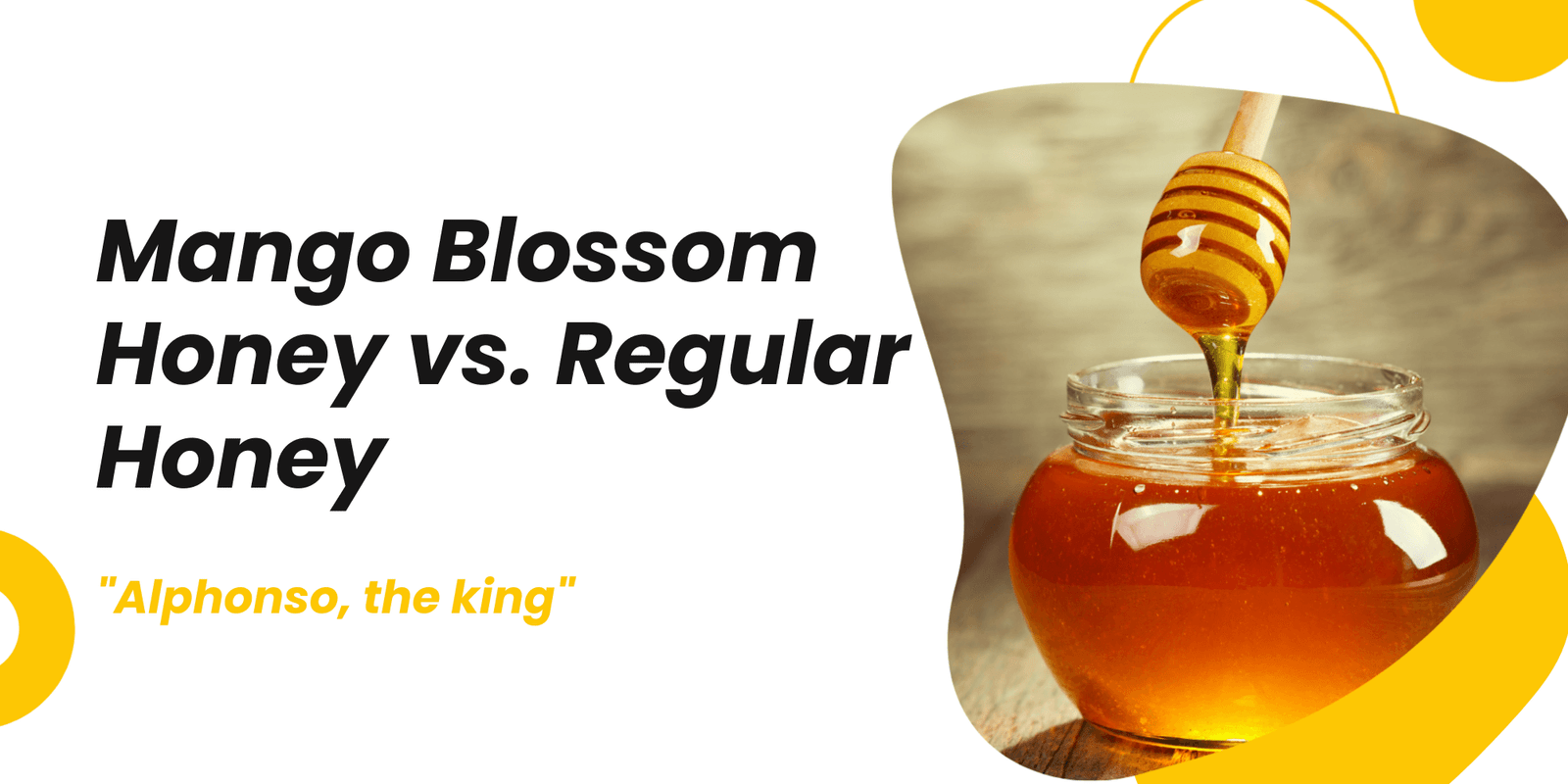
Mango Blossom Honey vs. Regular Honey: Flavor and Health Differences
Mango Blossom Honey vs. Regular Honey

Quick takeaway

Mango blossom honey comes from nectar collected mainly from mango flowers. It tastes tropical and floral with a gentle saffron-like note, pairs brilliantly with desserts, and often carries a richer polyphenol profile than many blended “regular” honeys. Regular honey varies widely by region and season, so its flavor and nutrition swing more. Choose raw, lab-tested honey for the most benefits in either case.

What is mango blossom honey?

Bees forage on mango (Mangifera indica) blossoms during the short flowering window. When most nectar comes from mango trees, beekeepers harvest a monofloral lot called mango blossom honey. Because the source is focused, you get a consistent flavor and aroma that remind many people of Alphonso mango desserts—even though the honey does not taste like fruit juice.

Typical sensory profile

  • Aroma: warm, tropical, floral; faint resin and spice notes
  • Color: light amber to medium amber (varies with season)
  • Taste: medium sweetness, low bitterness, a clean finish; hints of dried apricot or saffron
  • Texture: smooth; crystallization can be fine-grained over time

What is “regular” honey?

“Regular” honey usually blends nectar from many flowers (multifloral). Large packers often standardize flavor and color across batches. Because the nectar mix shifts by location and season, the taste, aroma, and nutrients vary more than in monofloral honeys.

Common profile

  • Aroma: mild to medium floral; sometimes grassy
  • Color: very light to dark amber
  • Taste: sweetness first; notes depend on dominant local flora
  • Texture: crystallization speed depends on glucose/fructose ratio

Side-by-side comparison

FeatureMango Blossom (Monofloral)Regular (Multifloral)
Nectar sourcePrimarily mango blossomsMixed seasonal flowers
FlavorTropical, floral, clean finishRanges from mild to robust
AromaDistinct, warm, slightly spicyVaries; often milder
Antioxidants*Often higher, more consistentVariable by blend
CrystallizationFine crystals over weeks/monthsUnpredictable; depends on flora
Culinary pairingDesserts, cheese boards, teasDaily sweetener, marinades, baking

*Antioxidant levels depend on flora, harvest, handling, and storage.

Flavor: where mango blossom honey shines

Mango blossom honey brings a clear, elegant flavor that doesn’t overpower. It lifts:

  • Alphonso desserts: drizzle over aamras, shrikhand, cheesecakes, pancakes
  • Cheese boards: burrata, fresh chèvre, mild gouda
  • Tea and mocktails: works with ginger, lime, mint, or cardamom
  • Breakfast bowls: yogurt, granola, chia puddings

Regular honey is the workhorse for marinades, baking, and everyday use. If a recipe needs a neutral sweetness, regular honey does the job. If you want a signature note, mango blossom honey adds character.

Nutrition and health basics

Both honeys provide simple sugars (mostly fructose and glucose), trace enzymes, minerals, and plant polyphenols. Raw, minimally processed honey retains more of these compounds.

  • Antioxidants: Mango blossom honey often shows a robust polyphenol profile due to resinous mango flora. This supports general oxidative-stress defense.
  • Glycemic impact: Honey is still sugar. Portion control matters. Many people find a teaspoon in tea satisfies a sweet craving better than refined sugar.
  • Enzymes: Raw honey includes diastase and invertase, which degrade with heat. Gentle handling preserves them.
  • Allergy caution: Never give honey to infants under 12 months. People with pollen allergies should introduce any honey slowly.

Good to know: Color is not a guarantee of quality. Some dark honeys are antioxidant-rich, others are simply caramelized by heat. Focus on source, raw handling, and purity tests.

Purity and authenticity: what to look for

Adulteration (syrups, over-filtration, excessive heating) can strip flavor and nutrition. Buy from producers who share test results.

Checklist

  • Source transparency: region, bloom period, beekeeper or FPO details
  • Raw / unheated claim: “minimally warmed” only for bottling flow
  • Lab tests: HMF (heat marker), moisture, pollen spectrum (melissopalynology), NMR/LC-MS when available
  • No added flavors: avoid “essence” in the ingredient list
  • Crystal-friendly: natural crystallization is a good sign of raw honey

Storage tips

  • Keep the lid tight; store in a cool, dark cupboard (not the fridge).
  • If crystals form, place the jar in warm water (≤40 °C) and stir. Avoid microwaves.
  • Use a dry spoon; moisture invites fermentation.

Which one should you choose?

  • Choose mango blossom honey when you want a unique, premium flavor for desserts, cheese, teas, and gifting.
  • Choose regular honey for everyday sweetening, marinades, and baking where subtle floral notes are less important.
  • Choose raw and tested in both cases. Purity beats marketing claims.

Pairing ideas with Ratnagiri favorites

  • Aamras upgrade: Whisk a teaspoon of mango blossom honey into chilled Alphonso pulp for a glossy finish.
  • Cashew crunch: Drizzle over Ratnagiri flavored cashews for a quick dessert snack.
  • Breakfast boost: Swirl into yogurt, top with freeze-dried Alphonso bits if you stock them.

FAQs

Is mango blossom honey the same as “mango honey”?
No. Mango blossom honey comes from mango flower nectar, not fruit juice. Ethical producers never add flavoring.

Does mango blossom honey taste like Alphonso pulp?
It echoes tropical notes but stays floral and light. Think perfume of mango orchards, not fruit purée.

Is raw honey better?
Raw honey usually retains more enzymes and aroma. However, raw or regular, purity and low-heat handling matter most.

Can diabetics use mango blossom honey?
Only with medical guidance. Honey still impacts blood sugar. Portion control is essential.

How do I confirm authenticity?
Look for lab results (pollen analysis, HMF, moisture) and clear origin info. Reputable sellers provide this on request.

The bottom line

Mango blossom honey brings a signature Konkan orchard note to your table. Regular honey offers everyday versatility. Pick based on flavor and use, but insist on raw, clean, and tested jars for real nutrition and taste.

Want authentic, naturally ripened Alphonso mango products to pair with your honey? Explore Ratnagiri Hapus Store for pulp, seasonal fruit, and premium snacking add-ons—delivered across India.
Posted on Leave a comment

Ratnagiri Vs Other Alphonso Mangoes Key Differences & Prices in 2025

Alphonso mangoes are grown in various parts of India, but Ratnagiri and Sindhudurg districts in Maharashtra produce the finest quality and Ratnagiri and Sindhudurg Alphonso mangoes are GI-certified. The difference lies in taste, texture, aroma, season time, and price. If you’re wondering why Ratnagiri and Sindhudurg Alphonso mangoes are considered superior, this guide will help you understand the key differences in 2025.

1. Geographical & Climatic Advantage 🌍

Ratnagiri and Sindhudurg districts in Maharashtra have laterite-rich soil, which is well-drained and slightly acidic—ideal for Alphonso mango cultivation. The coastal climate provides high humidity, moderate rainfall, and ample sunlight, which help in the natural ripening of mangoes and enhance their distinct aroma and taste.

  • These conditions enhance natural sweetness, aroma, and smooth texture.
  • Other regions, such as Karnataka, Gujarat, Andhra Pradesh, and Tamil Nadu, grow Alphonso mangoes, but due to different soil and climate, the taste and aroma vary significantly.

2. Season Time in 2025 📅

The harvesting season for Alphonso mangoes varies by region due to climate differences.

RegionSeason Duration
Ratnagiri & SindhudurgMid-March to June
KarnatakaFebruary to May
GujaratApril to June
Andhra PradeshMarch to May
Tamil NaduFebruary to April

Ratnagiri and Sindhudurg mangoes have a longer season, allowing better ripening and superior taste.
❌ In other regions, mangoes ripen earlier due to higher temperatures, affecting their natural sweetness and shelf life.


3. Taste & Texture Difference 🥭

Ratnagiri & Sindhudurg Alphonso:

  • Naturally sweet with a slight tangy hint, giving a rich and balanced flavor.
  • Buttery texture, free from fiber, and melts in the mouth.
  • Strong, fragrant aroma that fills the room when ripe.

Other Regions (Karnataka, Gujarat, Tamil Nadu, Andhra Pradesh):

  • Often mildly sweet or sometimes excessively sweet without the tangy balance.
  • Slightly fibrous texture, making it less smooth.
  • Weaker aroma, sometimes missing the strong, fruity fragrance of real Alphonso.

4. GI Tag Certification ✅

Ratnagiri and Sindhudurg Alphonso mangoes are GI-certified, meaning they meet strict quality standards and are considered authentic.
❌ Mangoes from other states do not have this certification, meaning they may not meet the same taste and quality standards.


5. Price Difference in 2025 💰

Due to their superior quality, limited availability, and high demand, Ratnagiri and Sindhudurg Alphonso mangoes are more expensive than those grown in other regions.

RegionPrice per Dozen (approx.)
Ratnagiri/Sindhudurg₹1200 – ₹3000
Karnataka₹800 – ₹1500
Gujarat₹600 – ₹1200
Andhra Pradesh₹500 – ₹1000
Tamil Nadu₹400 – ₹900
  • Ratnagiri and Sindhudurg mangoes cost more because of their premium quality, GI certification, and careful cultivation process.
  • Other regions sell Alphonso mangoes at lower prices due to differences in taste, quality, and farming methods.

6. Natural Ripening vs. Artificial Ripening ⚠

Ratnagiri & Sindhudurg Alphonso mangoes are ripened naturally using traditional haystack methods, which maintain their natural sweetness and texture.
❌ Some other regions use artificial ripening agents like carbide and ethylene, which can affect taste and pose health risks.


7. How Ratnagiri Hapus Store Brings the Best Alphonso to You in 2025 🚚

To ensure customers receive authentic, naturally ripened Alphonso mangoes, Ratnagiri Hapus Store sources directly from farmers in Ratnagiri and Sindhudurg.

  • We support local farmers by ensuring they receive the right price for their produce.
  • Our strict quality control process guarantees that only the finest mangoes reach customers.
  • With trusted logistics partners, we deliver fresh mangoes to over 20,000+ customers across 8,000+ pincodes in India.

🥭 Order Authentic Alphonso Mangoes Online in 2025: www.ratnagirihapus.store

Would you like to learn more about how to store Alphonso mangoes for longer freshness? 😊

Posted on Leave a comment

Hapus Mango Market Update 2025: 9,000 Boxes Arrive at Vashi APMC Amidst Climate Challenges

Hapus Mango Market Update: 9,000 Boxes Arrive at Vashi APMC Amidst Climate Challenges

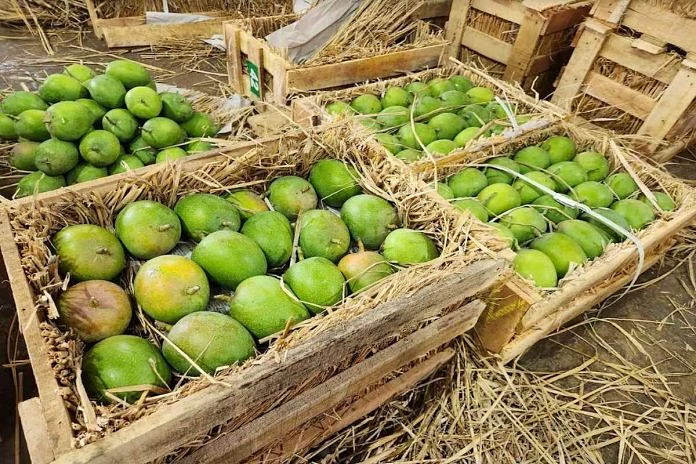
The much-anticipated Hapus (Alphonso) mango season has officially commenced, with a significant influx of 9,000 boxes arriving at Mumbai’s Vashi Agricultural Produce Market Committee (APMC). This marks a substantial increase compared to previous weeks, where arrivals were limited to around 700 boxes, predominantly from the Devgad region. Hapus Mango Market Update: 9,000 Boxes Arrive at Vashi APMC Amidst Climate Challenges

lokmat.com

Market Prices and Dynamics

The surge in arrivals has led to a notable impact on market prices. Previously, with limited supply, prices ranged between ₹8,000 to ₹10,000 per box. However, the recent influx has caused prices to stabilize, with current rates averaging between ₹7,000 to ₹12,000 per box, depending on quality and size.

lokmattimes.com

Factors Influencing the Market

Several factors have contributed to the current market scenario:

  • Climate Challenges: Extended monsoons and unseasonal weather patterns have affected the flowering and ripening cycles of mangoes, leading to initial delays in arrivals. lokmattimes.com
  • Regional Variations: The majority of the recent arrivals are from the Devgad region, with Ratnagiri Hapus expected to enter the market around mid-March. lokmattimes.com

Looking Ahead

As the season progresses, consumers can anticipate increased availability of both Devgad and Ratnagiri Hapus mangoes. This is likely to result in more competitive pricing and a wider selection in the market. Traders remain optimistic about maintaining a steady supply, ensuring that mango enthusiasts can relish the king of fruits throughout the season.

Stay tuned for further updates on market trends, pricing, and availability as the Hapus mango season unfolds.

Order Fresh Hapus Mangoes Online in 2025!

For those looking to buy authentic Alphonso mangoes directly from trusted sources, Ratnagiri Hapus Store offers a seamless online shopping experience. With nationwide delivery and a commitment to quality, customers can now get their favorite mangoes delivered straight to their doorstep.

As the Hapus mango season 2025 unfolds, mango lovers have much to look forward to. Whether you prefer Devgad Hapus or Ratnagiri Hapus, the coming months promise a delightful treat for all! Stay tuned for updates on market trends, pricing, and availability. 🍋🥭 Hapus Mango Market Update: 9,000 Boxes Arrive at Vashi APMC Amidst Climate Challenges

Posted on Leave a comment

Indian Mango Season: India Land of Mangoes

Indian Mango Season

India’s mango season is a much-anticipated time of year, bringing with it an array of flavors, textures, and colors. With over 1,000 varieties grown across the country, each region boasts its unique contributions to the mango legacy. Here’s a detailed guide to the Indian mango season, highlighting the months, types of mangoes, and the states where they flourish. Let’s go through Indian Mango Season.

The Timeline of Mango Season in India

Mango season begins in March and extends through July, with the peak harvest occurring in April and May. The timeline varies depending on the variety and the region:

  • March-April: Early varieties like Totapuri and Badami make their appearance.
  • April-June: Iconic mangoes like Alphonso, Kesar, and Banganapalli dominate the market.
  • June-July: Late-season varieties such as Neelam and Dasheri take center stage.

Popular Mango Varieties, Their Harvest Months, and Origins

Here’s a breakdown of some of the most sought-after mango varieties, when they’re available, and where they originate:

Mango VarietyHarvest MonthsState of OriginDistinct Features
Alphonso (Hapus)April – JuneMaharashtra (Ratnagiri, Devgad)Sweet, buttery texture, and saffron-colored pulp.
KesarMay – JuneGujaratBright orange color, intensely sweet flavor.
BanganapalliApril – JuneAndhra Pradesh, TelanganaLarge size, golden-yellow skin, mild sweetness.
DasheriMay – JulyUttar PradeshLong, greenish-yellow mango with a strong aroma.
LangraMay – JulyUttar Pradesh, BiharTangy-sweet flavor, green skin even when ripe.
HimsagarMay – JuneWest Bengal, OdishaFiberless, juicy, and extremely sweet.
TotapuriMarch – JuneKarnataka, Tamil NaduMildly tangy with a unique parrot-beak shape.
NeelamJune – JulyTamil Nadu, KarnatakaSmall-sized mango with a rich, sweet flavor.

Mango Varieties by Region

  • Western India (Maharashtra, Gujarat): Famous for Alphonso and Kesar mangoes, this region produces export-quality fruits prized for their taste and aroma.
  • Northern India (Uttar Pradesh, Bihar): Known for Dasheri and Langra, mangoes from this region are celebrated for their versatility in both raw and ripe forms.
  • Eastern India (West Bengal, Odisha): Himsagar and Lakshmanbhog mangoes dominate, offering unparalleled sweetness and juicy textures.
  • Southern India (Andhra Pradesh, Tamil Nadu, Karnataka): Totapuri, Banganapalli, and Neelam are highlights, known for their distinct shapes and flavors.

Tips for Enjoying Indian Mango Season

  1. Buy Locally or Online: Opt for fresh, organic mangoes directly from farms or trusted online stores.
  2. Select by Ripeness: Look for mangoes with a sweet aroma and slight softness for immediate consumption.
  3. Preserve the Harvest: Mango pulp can be frozen for year-round use in desserts, drinks, and savory dishes.

Why Mango Season Is Special in India

Mangoes are more than just a fruit in India; they’re part of the cultural fabric. From being offerings in religious ceremonies to inspiring countless culinary creations, mangoes symbolize abundance, joy, and nostalgia.

With the season in full swing, now is the time to relish this king of fruits in all its glory—whether it’s the buttery Alphonso, the tangy Langra, or the fragrant Dasheri.

Posted on Leave a comment

Mango Varieties Species and Kinds

Mangoes captivate fruit lovers worldwide with their vibrant flavors, juicy textures, and culinary versatility. Known as the “King of Fruits,” mangoes belong to the Mangifera genus, which encompasses hundreds of unique varieties, each with distinct tastes, appearances, and uses. In this guide, let’s dive into the many types of mangoes, covering popular varieties, unique species, and their growing seasons to help you discover your next favorite. Lets dive into Mango Varieties, Species, and Kinds.

Mango Varieties Species and Kinds

1. Origins and Classification of Mango Varieties Species and Kinds

Mangoes (Mangifera indica) likely originated over 4,000 years ago in the Indo-Burma region, now part of India, Myanmar, and Bangladesh. Since then, they have spread throughout tropical and subtropical regions worldwide. Within the Mangifera genus, species vary widely in color, taste, and growing needs. While Mangifera indica is the most popular species, other species provide unique flavors and are key in local cuisines.

Some primary mango species include:

  • Mangifera indica: The most cultivated species, with a sweet taste and vibrant yellow-orange flesh, including popular varieties like Alphonso, Haden, and Kent.
  • Mangifera odorata: Known for a fragrance with hints of pineapple, this species grows primarily in Malaysia and the Philippines.
  • Mangifera laurina: Often called “wild mango,” this species has a sour taste and is prevalent in Southeast Asian cooking.

Each mango variety has a distinct flavor, color, and texture. Here’s a closer look at popular mango varieties and what makes each unique Mango Varieties Species and Kinds:

1. Alphonso

Called the “King of Mangoes,” Alphonso stands out for its creamy texture, rich sweetness, and saffron-colored flesh. Grown primarily in Maharashtra, India, it’s typically harvested from March to June. Its fragrance and taste make it perfect for desserts, beverages, and other dishes.

2. Haden

Haden mangoes, originally from Florida, are medium to large with a smooth red and green skin. Known for a mild sweetness and slight tartness, Haden is great for fresh consumption and salads.

3. Ataulfo (Honey Mango)

Commonly referred to as Honey Mango, Ataulfo is small, sweet, and buttery. With a thin pit and creamy texture, it’s popular for snacking or in smoothies. This variety grows mostly in Mexico and is available from March to July.

4. Kent

Sweet and fiber-free, Kent mangoes offer a perfect balance of tartness and sweetness. They are excellent for eating fresh or in desserts, harvested from December to March.

5. Keitt

Keitt mangoes, which retain a green color even when ripe, are mild and juicy. Often available from August to October, they are ideal for salads or as snacks due to their gentle flavor.

6. Tommy Atkins

Tommy Atkins mangoes, widely sold in the U.S., have firm flesh and a mild taste, ideal for salsas and salads. They are typically grown between March and July and are available in many grocery stores year-round.


3. Types of Mangoes Found in India

India, the world’s largest mango producer, is home to diverse mango varieties, each with unique flavors and uses:

1. Dasheri

Native to Uttar Pradesh, Dasheri mangoes have an aromatic sweetness. They’re enjoyed fresh or in traditional Indian dishes and are harvested from June to July.

2. Banganapalli

This variety, popular in Andhra Pradesh, has a slightly tangy taste and golden-yellow skin. It’s typically available from April to June and loved for its succulent texture.

3. Kesar

Known as the “Queen of Mangoes,” Kesar is famous for its saffron-yellow hue and rich flavor. Grown in Gujarat, this mango is widely used in sweets, chutneys, and smoothies. It’s available from May to July.

4. Neelum

South India’s Neelum mangoes are small, richly sweet, and are typically harvested from May to July. They’re often enjoyed fresh or in mango-based beverages.

5. Chausa

Chausa mangoes, originating from Bihar, are fiberless and juicy with a golden-yellow color. They’re typically harvested from July to August and popular for fresh eating.

4. Mango Growing Seasons Around the World

Mangoes are grown year-round due to their cultivation in tropical and subtropical areas across the globe. Here’s a seasonal guide to some popular mango varieties:

  • Alphonso (India): March to June
  • Ataulfo (Mexico): March to July
  • Haden (Florida): March to May
  • Kent (South America): December to March
  • Keitt (U.S., Mexico): August to October

Due to varying harvesting periods, fresh mangoes are available almost year-round globally.

5. Nutritional Benefits and Uses of Mango Varieties Species and Kinds

Mangoes are packed with essential vitamins and minerals, notably high in vitamin C, vitamin A, and fiber, which support immunity, skin health, and digestion. They also contain antioxidants like beta-carotene, which promote eye health and reduce oxidative stress.

Common Uses of Mangoes in Cooking and Beyond

From sweet to savory, mangoes add unique flavors to a variety of dishes of Mango Varieties Species and Kinds:

  • Smoothies and Beverages: Their natural sweetness makes mangoes ideal for blending with coconut milk or yogurt.
  • Salsas and Salads: Firm varieties like Tommy Atkins are great in salsas, adding a sweet contrast to spicy ingredients.
  • Desserts: Mangoes shine in sorbets, puddings, and the popular mango lassi.
  • Chutneys and Pickles: In Indian and Southeast Asian cooking, mangoes are widely used for tangy chutneys and pickles.

6. Tips for Selecting and Storing Mangoes

To choose the best mangoes, select fruits that feel slightly soft when gently pressed, emit a fruity aroma, and have vibrant skin. Avoid mangoes with dark spots or bruises.

Storage Tips

  • Ripen at room temperature: Allow unripe mangoes to ripen at room temperature.
  • Refrigerate when ripe: Store ripe mangoes in the refrigerator for up to five days.
  • Freeze for long-term storage: Cut and freeze mango cubes for use in smoothies and recipes throughout the year.

Conclusion

With such a vast array of varieties, mangoes offer something for everyone, each type delivering its own blend of flavor, texture, and seasonality. From the creamy Alphonso to the mildly sweet Tommy Atkins, mangoes remain a beloved fruit worldwide. Discovering these varieties and their seasonal availability can help you enjoy the best mangoes all year, enriching your culinary experience and appreciation for this tropical treasure.

Posted on Leave a comment

Mangoes Alphonso the King of Mangoes

The Global Appeal of Alphonso Mangoes: A Journey of Flavor and Tradition

Alphonso mangoes, often called the “King of Mangoes,” hold an esteemed position among mango varieties worldwide. With their vivid saffron-yellow color, rich aroma, and smooth, creamy texture, these seasonal delicacies captivate mango enthusiasts globally. In this guide, we’ll explore what makes Alphonso mangoes unique, their growing conditions, culinary uses, and why their short season adds to their allure.

The Unique Charm of Alphonso Mangoes

Known as “Hapus” in Maharashtra, Alphonso mangoes thrive in the Ratnagiri and Devgad coastal regions, where they develop their unique qualities. These regions provide ideal growing conditions, from mineral-rich soil to a tropical climate and fresh coastal breeze. Mangoes Alphonso the King of Mangoes are unique for their non-fibrous pulp, making them creamy and smooth—a texture perfect for a variety of recipes.

In addition to their great taste, Alphonso mangoes are nutrient-rich, providing essential vitamins like A and C, antioxidants, and dietary fiber, which all support immunity, skin health, and digestion.

Harvest Season of Alphonso Mangoes

Alphonso mangoes have a short yet eagerly awaited season from March to June, with peak availability in April and early May. Many look forward to their arrival each year as a special summer indulgence. Mango lovers celebrate this time to savor the flavor that only the King of Mangoes can deliver.

Culinary Uses of Alphonso Mangoes

Their versatility makes Alphonso mangoes perfect for numerous dishes:

  • Aamras: This traditional mango purée pairs deliciously with Indian flatbreads, offering a delightful treat during the summer.
  • Smoothies and Lassis: Their creamy texture makes Alphonso mangoes ideal for smoothies and lassis, adding tropical richness.
  • Desserts: Alphonso mangoes enrich mango cheesecakes, ice creams, and mousses, giving these treats a bold mango flavor.
  • Salsas and Salads: Adding Alphonso mangoes to salsa or salads brings a fresh, tropical twist to savory flavors.

How to Select and Store Alphonso Mangoes

When buying Alphonso mangoes, look for fruits with a rich yellow hue and a reddish blush, signs of ripeness. The skin should yield slightly to gentle pressure but not feel overly soft. Store ripe mangoes at room temperature if you’ll use them within a day or two; otherwise, refrigerate to keep them fresh. For an off-season treat, freeze mango pulp in airtight containers for later use.

The Global Appeal of Alphonso Mangoes

Alphonso mangoes, renowned for their premium quality, find their way into homes worldwide, especially in regions with a strong demand for tropical fruit. They are especially popular in the Middle East, Europe, and North America, where many celebrate their unique flavor and aroma. Their Geographical Indication (GI) tag in India further establishes their unique origin and quality.

Conclusion

Alphonso mangoes are more than just fruit; they represent a seasonal delight that defines the peak of mango season. Their exceptional flavor, creamy texture, and rich history have earned them a well-deserved royal status. Enjoyed fresh, in Aamras, or as part of a refreshing smoothie, Alphonso mangoes offer an unparalleled taste experience that makes them a beloved summer staple.

Posted on Leave a comment

आल्फांसो आम: “फलों का राजा”

The Global Appeal of Alphonso Mangoes: A Journey of Flavor and Tradition

आल्फांसो आम, जिसे हापुस आम के नाम से भी जाना जाता है, भारत के सबसे प्रसिद्ध और पसंदीदा आमों में से एक है। यह विशेष रूप से महाराष्ट्र के रत्नागिरी और देवगढ़ क्षेत्रों में उगाया जाता है। अपने मीठे और रसीले स्वाद के साथ, इसका केसर जैसा गहरा पीला रंग और मुलायम गूदा इसे खास बनाता है। इस आम की लोकप्रियता सिर्फ भारत तक सीमित नहीं है, बल्कि दुनियाभर के आम प्रेमी इसे खास पसंद करते हैं।

इसके अलावा, आल्फांसो आम की सुगंध भी इसे बाकी आमों से अलग करती है। इस आम में एक विशिष्ट मिठास होती है, जो हल्की खटास के साथ संतुलन बनाए रखती है। इसका गूदा न केवल रेशों से मुक्त होता है, बल्कि बेहद मुलायम भी होता है, जिससे इसे खाने का अनुभव बेहद आनंददायक होता है। पकने के बाद इसकी सुगंध और भी अनूठी हो जाती है, जो इसे एक खास स्थान दिलाती है।

आल्फांसो आम का उपयोग:

आल्फांसो आम का उपयोग कई तरह से किया जा सकता है, जैसे:

  • आमरस: पारंपरिक भारतीय मिठाई जिसमें आल्फांसो का गूदा इस्तेमाल होता है।
  • स्मूदी और शेक: इसकी मिठास और मलाईदार बनावट इसे पेय पदार्थों के लिए आदर्श बनाती है।
  • आइसक्रीम: आल्फांसो के स्वाद को आइसक्रीम या मिठाई में मिलाकर एक अलग ही अनुभव मिलता है।

आल्फांसो आम न केवल स्वाद में बेमिसाल है, बल्कि इसमें कई स्वास्थ्य लाभ भी छिपे होते हैं। इसमें विटामिन ए और सी की भरपूर मात्रा होती है, जो त्वचा के स्वास्थ्य को बढ़ावा देती है और इम्यून सिस्टम को मजबूत बनाती है। इसके अलावा, इसमें फाइबर की अच्छी मात्रा होती है, जो पाचन को बेहतर बनाती है। आल्फांसो आम में प्राकृतिक शर्करा होती है, जो तुरंत ऊर्जा प्रदान करती है, साथ ही इसमें एंटीऑक्सीडेंट्स भी होते हैं, जो शरीर को मुक्त कणों से होने वाले नुकसान से बचाते हैं। इस प्रकार, यह स्वाद के साथ-साथ सेहत के लिए भी फायदेमंद होता है।

निष्कर्ष:

आल्फांसो आम केवल एक फल नहीं, बल्कि एक स्वादिष्ट अनुभव है। इसके विशिष्ट स्वाद और सुगंध के कारण यह न केवल भारत में, बल्कि अंतर्राष्ट्रीय बाजारों में भी अत्यधिक पसंद किया जाता है।