Posted on Leave a comment

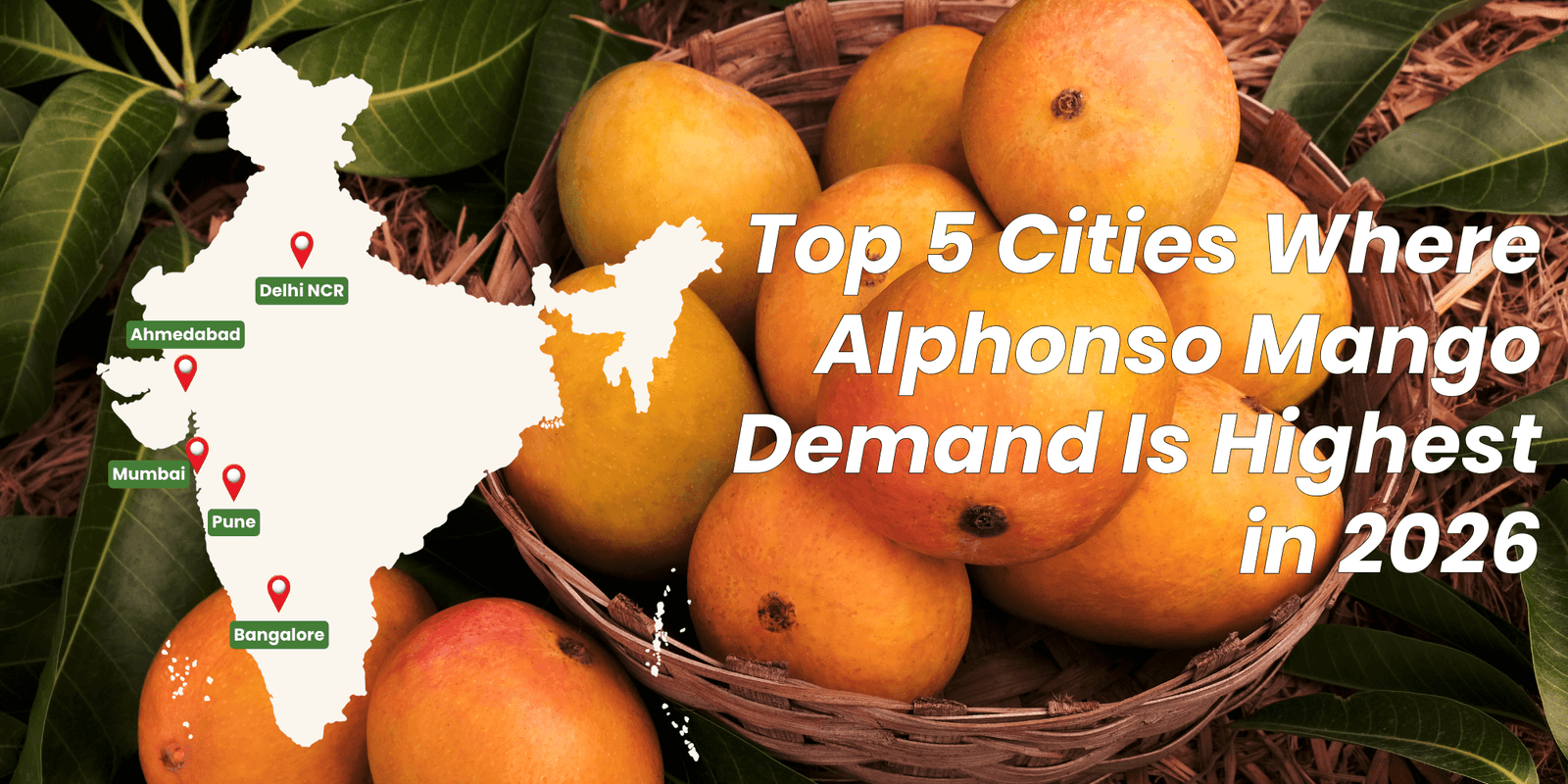
Top 5 Cities Where Alphonso Mango Demand Is Highest in 2026

Top 5 Cities Where Alphonso Mango Demand Is Highest in 2026

As the 2026 mango season unfolds, demand for authentic Ratnagiri Alphonso (Hapus) remains strong across India’s major urban markets. While Alphonso mangoes are grown mainly in the Konkan region of Maharashtra, their biggest consumption hubs lie in large metropolitan cities where awareness, purchasing power, and seasonal tradition drive steady Alphonso Mango Demand In Cities

Alphonso Mango Demand In Cities

Based on market trends, trader feedback, and seasonal buying patterns, here are the top five cities where Alphonso mango demand is highest in 2026.

1. Mumbai – The Largest Alphonso Market

Mumbai continues to lead as the strongest market for Alphonso mangoes. Due to its proximity to Ratnagiri and Devgad, the city receives early and regular arrivals throughout the season. Wholesale markets in Vashi and Crawford Market report consistent movement of premium-grade Hapus.

Corporate gifting, hospitality demand, and high consumer awareness make Mumbai the most stable and high-volume Alphonso market every year.

2. Pune – Quality-Conscious Buyers Drive Demand

Pune has emerged as one of the most quality-driven Alphonso markets in Maharashtra. Buyers here actively look for GI-certified Ratnagiri Hapus and naturally ripened fruit.

With a strong base of professionals, IT sector employees, and traditional households, Pune shows steady seasonal demand. Traders report that premium-grade Alphonso mangoes often sell quickly in this city during peak weeks.

3. Delhi NCR – Premium Fruit Consumption Hub

Delhi NCR remains one of the largest non-coastal markets for Alphonso mangoes. Despite the distance from Konkan, demand remains high due to affluent consumer segments and gifting culture.

Export-quality fruit often finds strong buyers in Delhi. Traders note that Delhi customers increasingly ask for authentic origin details, reflecting growing awareness.

4. Bengaluru – Rising Demand for GI-Certified Alphonso

Bengaluru continues to show strong seasonal demand for premium Alphonso mangoes. The city’s tech-driven population and high disposable income support steady consumption.

Consumers in Bengaluru prefer naturally ripened fruit and farm-direct sourcing. As a result, Ratnagiri Alphonso maintains premium positioning in the Karnataka market.

5. Ahmedabad – Expanding Premium Fruit Market

Ahmedabad has emerged as a fast-growing market for Alphonso mangoes. While Gujarat has its own mango varieties, demand for Ratnagiri Hapus has increased in recent years.

Urban consumers and business buyers in Ahmedabad show growing interest in GI-certified mangoes, making the city one of the key western Indian demand centres in 2026.

Why These Cities Lead Alphonso Demand

Several factors influence demand concentration in these cities:

  • High purchasing power
  • Strong gifting culture
  • Awareness of GI certification
  • Preference for premium seasonal fruit
  • Active wholesale and logistics networks

In 2026, these factors continue to support steady and high-volume Alphonso mango movement in these top markets.

Final Outlook for 2026

Alphonso mango demand in 2026 remains strongest in Mumbai, Pune, Delhi NCR, Bengaluru, and Ahmedabad. While supply may fluctuate due to climate and seasonal factors, urban appetite for authentic Ratnagiri Hapus remains resilient.

As long as brand trust, seasonal value, and premium positioning stay intact, these five cities will continue to dominate Alphonso mango consumption trends.

Alphonso Mango Demand In Cities

Posted on Leave a comment

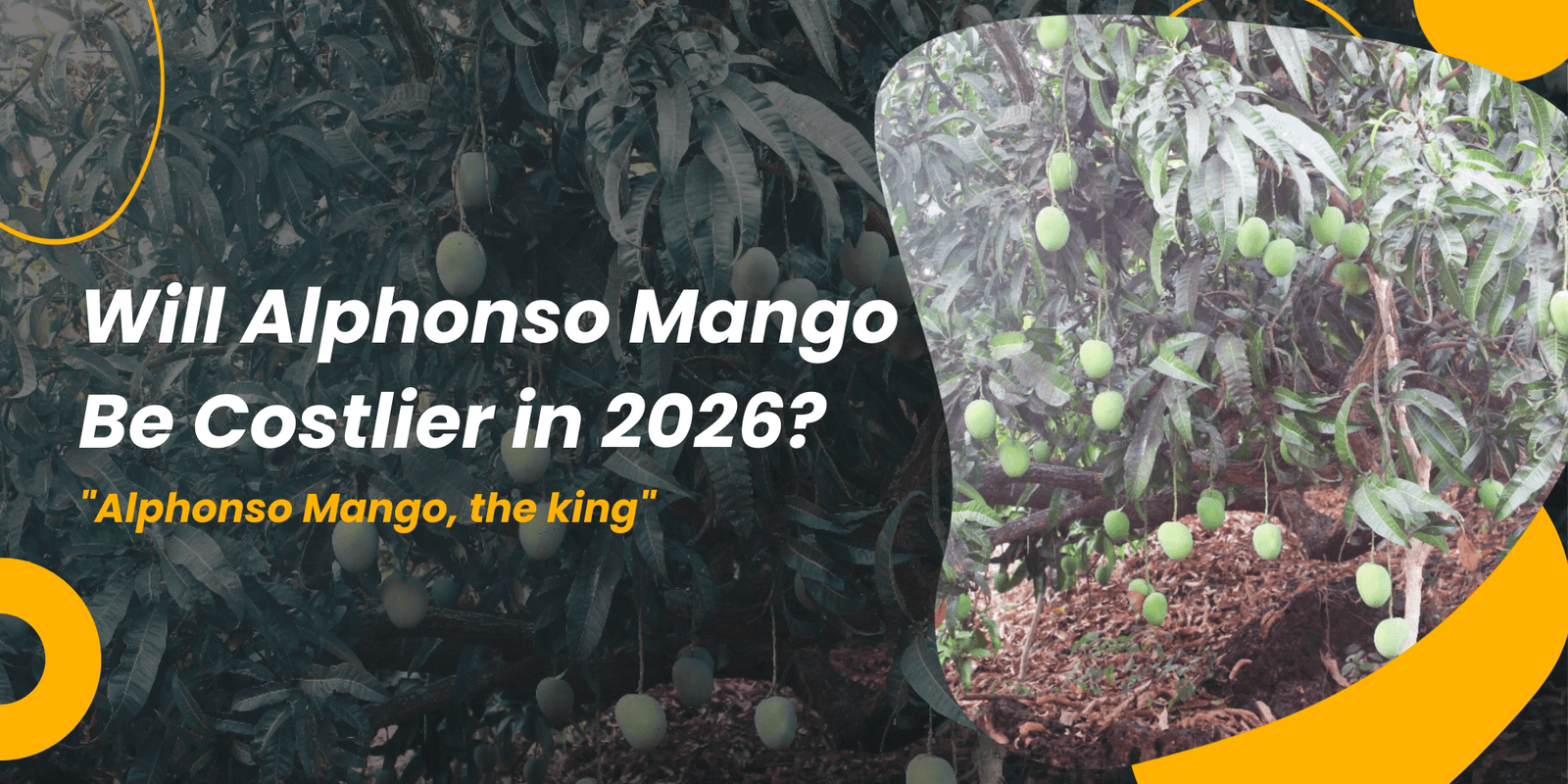
Will Alphonso Mango Be Costlier in 2026? Climate Stress and Delayed Arrivals Raise Concerns

Will Alphonso Mango Be Costlier in 2026?

The 2026 Alphonso mango season has begun with uncertainty. Farmers in Ratnagiri and Devgad are closely monitoring orchards after irregular weather patterns affected flowering earlier this year. Traders in Mumbai and Pune say early market signals suggest that premium Ratnagiri Hapus could remain on the expensive side, at least during the beginning of the season.

Although full arrivals are yet to peak, discussions in wholesale markets indicate that supply conditions may not be as strong as a bumper year.

Blossom Damage in Konkan Sparks Worry

This season, parts of the Konkan belt witnessed temperature fluctuations and humidity shifts during the crucial flowering phase. Agricultural observers note that Alphonso mango is highly sensitive during blossom formation.

When blossoms fall early or fail to convert into fruit, overall yield drops. Even a small decline in fruit setting affects total output because Alphonso cultivation area remains limited.

Farmers describe the situation as “moderate stress, not disaster,” but enough to keep supply expectations cautious.

Main Ratnagiri Arrivals Still Building Up

Market yards are seeing gradual inflow rather than heavy early arrivals. Traders explain that when supply builds slowly and anticipation remains high, price sentiment stays firm.

Historically, early-season Alphonso always commands stronger demand. This year appears no different.

Alphonso Mango Be Costlier

Urban Demand Shows No Weakness

Despite seasonal uncertainty, demand in metro cities remains steady. Consumers continue to prioritise:

Alphonso mango is not just a fruit in cities like Mumbai, Pune, and Delhi. It is a seasonal tradition. That emotional connection often keeps demand stable even when supply tightens.

Export Activity Adds Pressure

Export demand for premium-grade Alphonso mango continues from Middle Eastern and international markets. Export-focused grading absorbs high-quality fruit first, which can tighten domestic premium supply.

When export channels remain active, local markets feel the impact.

Rising Farming Costs Add to the Equation

Farmers also report higher input costs this season. Labour, crop protection, orchard management, and transport expenses have increased compared to previous years.

When production becomes costlier, pricing adjusts across the supply chain.

Alphonso Mango Be Costlier

What This Means for 2026

If weather remains stable and arrivals improve, the market could see some mid-season balance. However, unless production significantly exceeds expectations, Alphonso mango in 2026 is likely to retain its premium positioning.

For buyers waiting for authentic Ratnagiri Hapus, this season may once again reflect the delicate balance between climate, cultivation, and demand.

Posted on Leave a comment

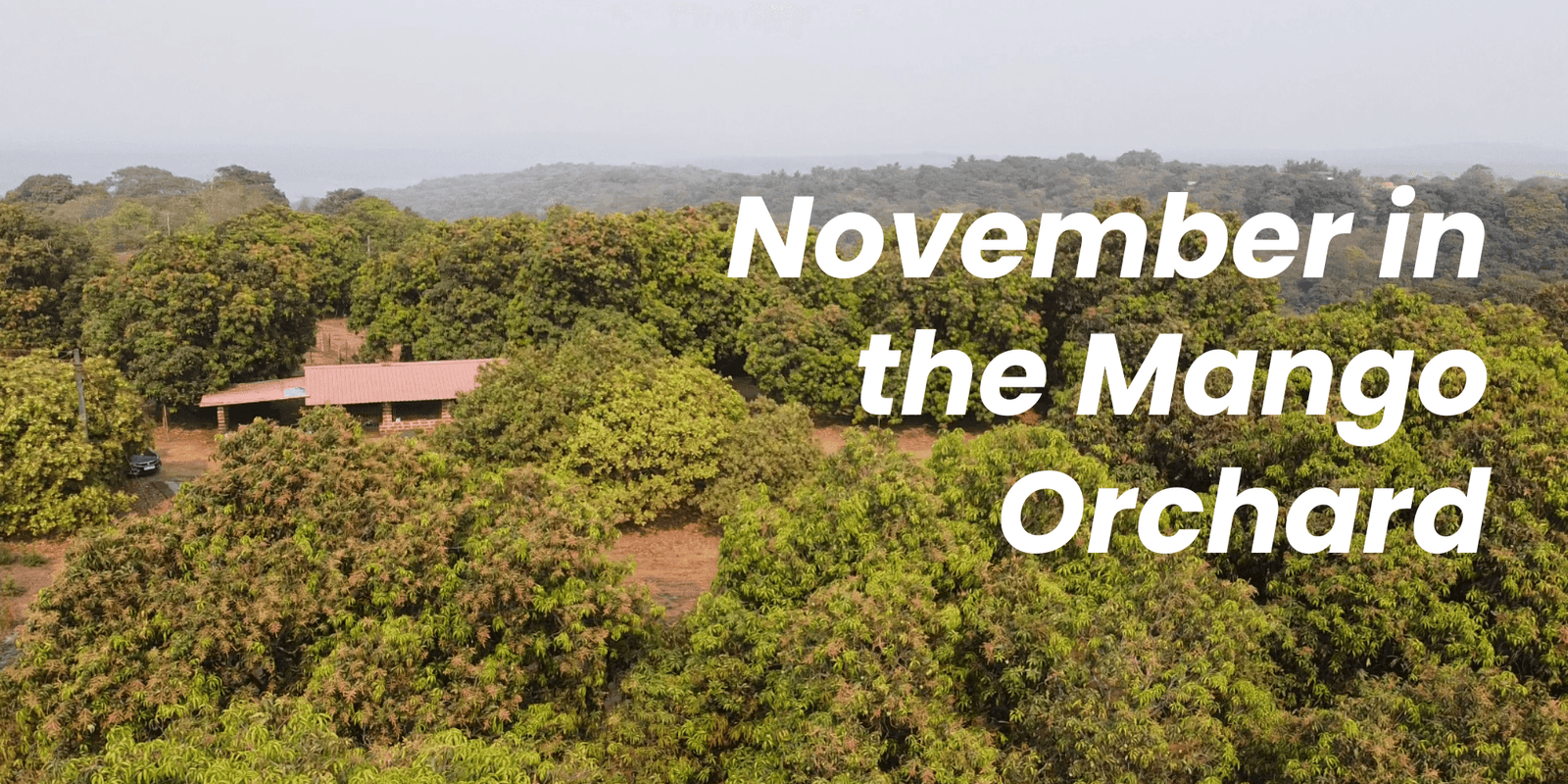
November in the Mango Orchard: The Secret Resting Season of Ratnagiri Hapus

November in the Mango Orchard: The Secret Resting Season of Ratnagiri Hapus

When you think of Ratnagiri Hapus — the King of Mangoes — you probably imagine the golden fruits of April and May. But few people realize that the story of every sweet Alphonso begins long before that… in November.

While the orchards may look calm, this month marks one of the most important — and silent — stages in the life of a mango tree.

🍃 The Post-Monsoon Calm: Nature’s Reset Button

After months of heavy Konkan rain, mango trees in Ratnagiri finally breathe.
By October, new leaves have already matured, and by November, the trees enter a resting or recovery phase.

This pause is not laziness — it’s strategy.
The tree uses this time to store nutrients, starch, and energy, preparing for the grand flowering season that begins in late December or January.

🌸 The Hidden Magic: Bud Preparation Begins

Though the branches may seem still, something extraordinary is happening inside.
As the soil begins to dry and temperatures drop slightly, the mango’s buds start to transform — from simple green tips to future flower buds.

This process is called flower bud induction. It’s a quiet but powerful stage where the tree decides how many flowers — and therefore mangoes — it will bear next summer.

🌼 Farmers say: “November decides the harvest.”
And they’re right — this month lays the foundation for next year’s fruiting.

💧 Farmer’s Focus: Stress, Soil, and Smart Care

In Ratnagiri, experienced Hapus farmers treat November like a time of discipline and restraint.
Here’s what happens in the orchards now:

🌿 Task🌞 Purpose
Reduce or stop irrigationMild water stress encourages floral bud formation.
No nitrogen fertilizersNitrogen promotes leaf growth instead of flowers.
Clean orchard & mulch soilMaintains soil health and conserves moisture.
Light pruningRemoves unwanted shoots and lets in sunlight.
Pest checkKeeps hoppers and mealybugs in control before blooming.

By letting the trees “rest” and avoiding overfeeding or overwatering, farmers help nature do its best work — turning vegetative shoots into flower-bearing panicles.

🗓️ What Comes Next: The Journey to the Hapus Harvest Mango Orchard

Here’s how the mango’s annual rhythm unfolds after November:

MonthStageWhat Happens
Dec–JanFloweringPanicles bloom with hundreds of tiny yellow-white flowers.
Feb–MarFruit SettingFlowers turn into small green mangoes.
Apr–MayHarvest SeasonRatnagiri Hapus ripens to its golden glory.
Jun–SepMonsoon GrowthNew shoots and leaves flourish.
Oct–NovRest & Bud InductionThe quiet build-up for the next season begins again.

🥭 The Beauty of Patience Mango Orchard

At first glance, a November mango orchard may look still — no flowers, no fruits, no activity.
But beneath that calm canopy, every leaf and branch is preparing for the next royal harvest.

That’s the secret of the Ratnagiri Hapus:
Its sweetness doesn’t just come from the sun or the soil — it comes from months of patient preparation, care, and perfect timing.

🌾 Did You Know?

  • The Ratnagiri Alphonso gets its unique aroma because of natural ripening and the Konkan’s mineral-rich laterite soil.
  • The flower-to-fruit journey lasts about 100–120 days, depending on weather and water stress.
  • Farmers who control irrigation wisely in November often get 20–30% higher fruit yield.

Final Thought

So, while November might seem like a quiet month in the orchards of Ratnagiri, it’s actually a time of invisible action — a month of balance, energy, and preparation.
Each Hapus that melts in your mouth next summer begins its journey right now — in the calm silence of November.

Posted on Leave a comment

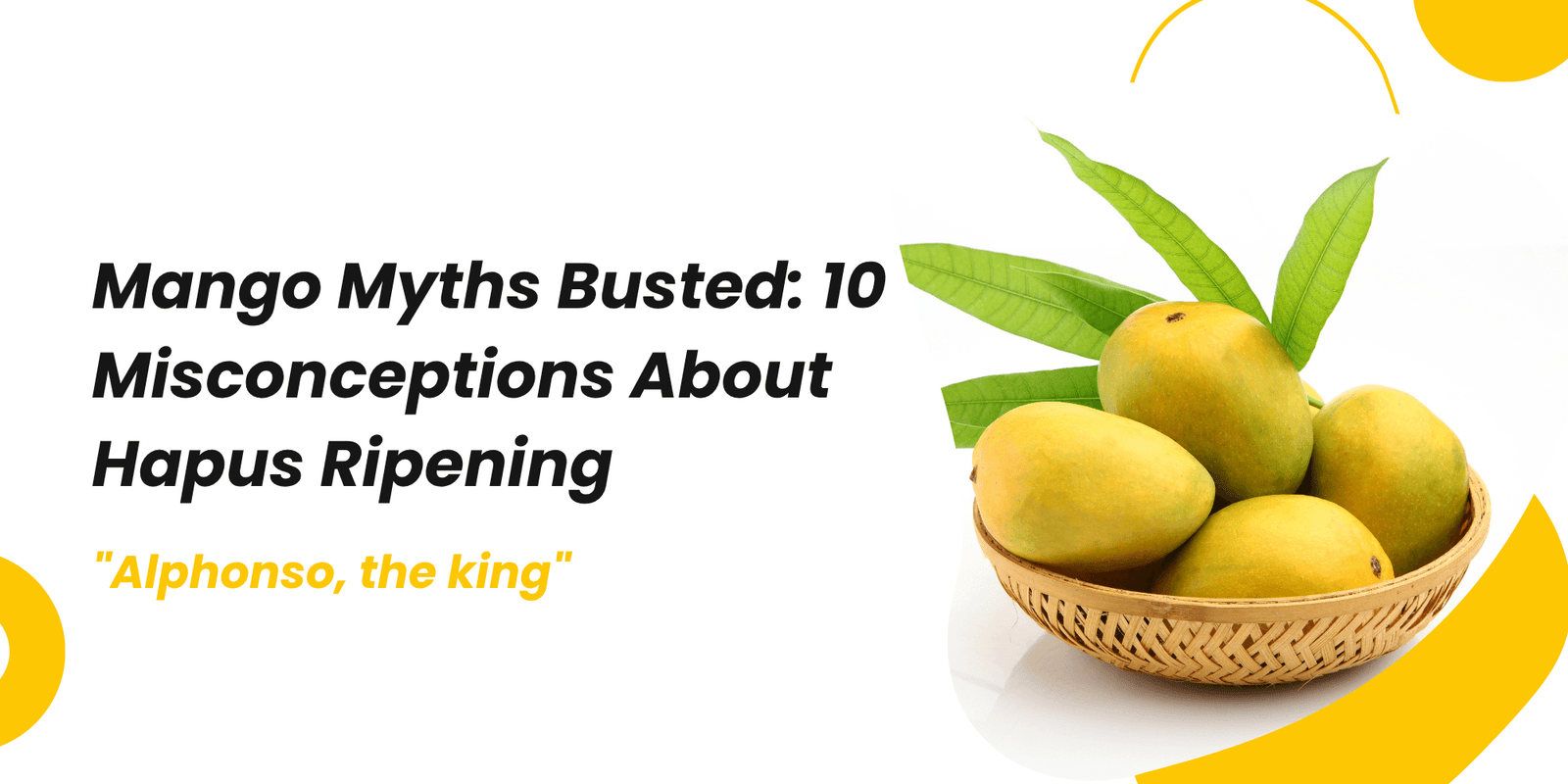
Mango Myths Busted: 10 Misconceptions About Hapus Ripening

Mango Myths Busted

Stop ruining Alphonso mangoes with bad advice. Learn the right, safe way to ripen Hapus at home and enjoy peak flavour every time. Mango Myths Busted

Alphonso (Hapus) is delicate. Treat it right and you’ll get saffron-hued pulp, big aroma, and buttery sweetness. Treat it wrong and you’ll end up with flat flavour or a mealy bite. Below, we bust the most common ripening myths and share a simple, science-backed method you can follow at home.

First, how ripening actually works

Mangoes release ethylene, a natural plant hormone. At room temperature, ethylene signals the fruit to convert starches into sugars and build aroma compounds. Good airflow, moderate warmth, and gentle handling help that process. Cold, moisture, and sealed containers do not.

10 Hapus ripening myths—busted

1. “Uniform yellow means ripe.”

Not always. Genuine Hapus often shows a green-to-yellow gradient with a saffron blush. Trust stem aroma and a slight “give” near the shoulders instead of colour alone.

2. “Fridge ripens faster.”

Cold slows ripening and mutes aroma. Keep unripe mangoes at 22–28 °C on the counter. Chill only after they are ripe.

3. “Any bag works—even plastic.”

Airtight plastic traps moisture and invites fungus. Use a paper bag or a ventilated cardboard box.

4. “Carbide-ripened tastes the same.”

Calcium carbide pushes colour, not flavour. It often leaves a mealy texture and flat taste. Choose naturally ripened fruit from a trusted source.

5. “Bigger Alphonso is better.”

Size does not predict sweetness. Brix (sugar level), maturity, and aroma do. Pick medium fruit with a rich scent.

6. “Direct sun helps.”

Sun overheats pulp and causes wrinkling or sour notes. Keep boxes in a shaded, airy corner.

7. “Wash before ripening.”

Extra moisture breeds mold. Wipe dust with a dry cloth now; wash only before eating.

8. “Soft everywhere = perfect.”

Over-soft often means over-ripe. Look for a gentle yield near the stem, not a squashy feel.

9. “Strong perfume from day one.”

Aroma builds as sugars rise. Expect full perfume 24–48 hours before peak.

10. “Mixing varieties is fine.”

Each variety releases ethylene at a different rate. Ripen Alphonso separately from Kesar, Totapuri, and others.

The right way to ripen Hapus at home

  1. Set up a ventilated cardboard box. Line it with straw or paper.
  2. Arrange fruit in a single layer, stems down, with small gaps for air.
  3. Place the box in a cool, shaded spot—no sun, no heat source, no AC draft.
  4. Check daily for stem aroma and light softness at the shoulders.
  5. Time it: most boxes peak Day 3–5 after delivery; some need Day 6.
  6. Then chill ripe pieces for 1–3 days to hold flavour.

Troubleshooting: why a box fails to ripen well

  • Heat waves can overheat pulp in transit and stall flavour.
  • Over-stacking bruises lower layers and causes uneven ripening.
  • Cold shock from early refrigeration dulls perfume.
  • Mixed lots let one variety push another past peak.

FAQs

Who writes these guidelines?

Our co-founders work directly with Ratnagiri and Devgad orchards and track Brix readings each week in season. We package those field notes into practical tips for home ripening.

How long should Alphonso take to ripen at home?

Usually 2–5 days at room temperature. Cooler rooms may need up to 6 days.

When should I refrigerate?

Only after the mango is ripe. Refrigeration then holds flavour for 1–3 days.

Can I speed it up safely?

Yes. Place Hapus beside a ripe banana in a paper bag. Check twice daily.

How do I confirm natural ripening?


Look for colour gradients, a deep stem aroma, and non-glossy skin. Ask your seller about the ripening method; reputable stores disclose it. Mango Myths Busted

Final bite

Perfect Hapus needs patience, airflow, and a light touch. Ditch the myths, follow the cues, and you’ll taste Alphonso as Konkan farmers intended—creamy, fragrant, and irresistibly sweet. When you want GI-region, naturally ripened fruit with a ripening card inside every box, order from Ratnagiri Hapus Store and enjoy peak flavour at home.

Posted on Leave a comment

Konkan Mango Folk Tales Cultural Stories Passed Down

Few fruits inspire as many legends as the Alphonso mango of Maharashtra’s Konkan coast. Long before modern grading stations and GI tags, stories about Hapus traveled by word of mouth from one orchard to the next.

Few fruits inspire as many legends as the Alphonso mango of Maharashtra’s Konkan coast. Long before modern grading stations and GI tags, stories about Hapus traveled by word of mouth from one orchard to the next. Elders recount these folk tales each season to remind younger generations that mango farming is as much about heritage as it is about commerce. Here are some of the most enduring narratives and customs that still accompany every harvest in Ratnagiri, Devgad, and Sindhudurg. Konkan Mango Folk Tales

The Portuguese General and the First “Golden” Mango

According to local lore, the 16th‑century Portuguese commander Afonso de Albuquerque brought mango grafting techniques to western India. Villagers say he challenged royal gardeners in Goa to create a fruit that combined Goa’s fragrant Malcurada with a local wild mango. The resulting variety matured into the golden Alphonso we love today. To honor this origin story, many Konkan farmers still offer the first ripe mango of the season at their village chapel or temple—thanking the land for a fruit that carries foreign influence yet feels fully Indian.

The Fisherman’s Prayer for a Sweet Monsoon

In coastal hamlets south of Devgad, an old belief links mango sweetness to the first catch of the fishing season. Fishermen returning from their inaugural monsoon trip traditionally gift two dozen small fish to the orchard owner in exchange for the season’s first crate of Hapus. Elders explain that the salt mist from the sea nourishes mango blossoms, while the orchard’s shade shelters fishing nets before repairs. This barter ritual solidifies a bond between sea and soil, keeping both livelihoods intertwined.

The Talking Mango Tree of Pawas

Near Pawas in Ratnagiri district, villagers speak of a 200‑year‑old Alphonso tree called “Boljani Amba”—the Talking Mango. Legend claims that in years when the tree bears fewer fruit, its rustling leaves foretell heavy rains or political turmoil. Locals still gather beneath its branches on Akshaya Tritiya to “listen” for signs through patterns of falling leaves or chirping birds. Whether prophecy or coincidence, the tradition fosters community conversation about weather patterns and farm planning.

The Runaway Mango and the Monsoon Bride

Children in Sindhudurg hear bedtime stories about a runaway mango that rolled downhill during a thunderstorm and came to rest beside a newly married bride’s doorstep. The next morning the fruit had sprouted, symbolizing prosperity for her family. Inspired by this tale, many newlyweds plant a mango sapling on their bridal property, believing it will safeguard their marriage and finances. Some families still call their first‑year harvest “lagna‑amba” (wedding mango).

Why Mangoes Should Never Sleep Alone

A playful superstition says that ripe Alphonso mangoes should always rest in pairs inside straw beds; otherwise, a lone fruit will sulk and turn sour. Grandmothers use the story to teach children proper stacking techniques during the critical seven‑day ripening period. Science might credit uniform ethylene distribution for even sweetness, but folklore makes the lesson memorable—and protects delicate fruit from bruising.

Night‑Time Harvest Songs

Older harvesters recall “Aamba Pawli,” a lilting tune sung under moonlight as workers climbed trees to cut fruit before dawn temperatures spiked. Each verse praised an aspect of the mango—its blush, its fragrance, its value in dowries. Today some cooperatives revive the song during cultural fairs, showing tourists how music once guided the rhythm of picking and sorting.

How These Tales Influence Modern Farming

Folk stories often hide practical wisdom:

  • Respect for the sea breeze translates into careful orchard placement on gentle coastal slopes.
  • Rituals of gifting the first fruit encourage selective harvesting when Brix levels peak, enhancing quality.
  • Community gatherings under historic trees foster collective decisions on pest management and irrigation schedules.

Keeping Stories Alive Through Commerce

At Ratnagiri Hapus Store we encourage partner farmers to include short story cards in premium gift boxes. A customer biting into a naturally ripened mango also discovers the legend behind it, bridging urban and rural worlds in a single crate. Our blog series and social media reels highlight elders narrating these anecdotes in Marathi with English subtitles, turning oral tradition into shareable content.

Final Thought

From the Talking Mango to wedding saplings, Konkan folk tales remind us that every Alphonso carries layers of culture beneath its saffron skin. When you savor your next slice of Hapus, you’re tasting centuries of storytelling—proof that flavor is as much about memory as it is about chemistry. By preserving and sharing these narratives, farmers and consumers together ensure that the spirit of the Konkan coast ripens anew each season.

Posted on Leave a comment

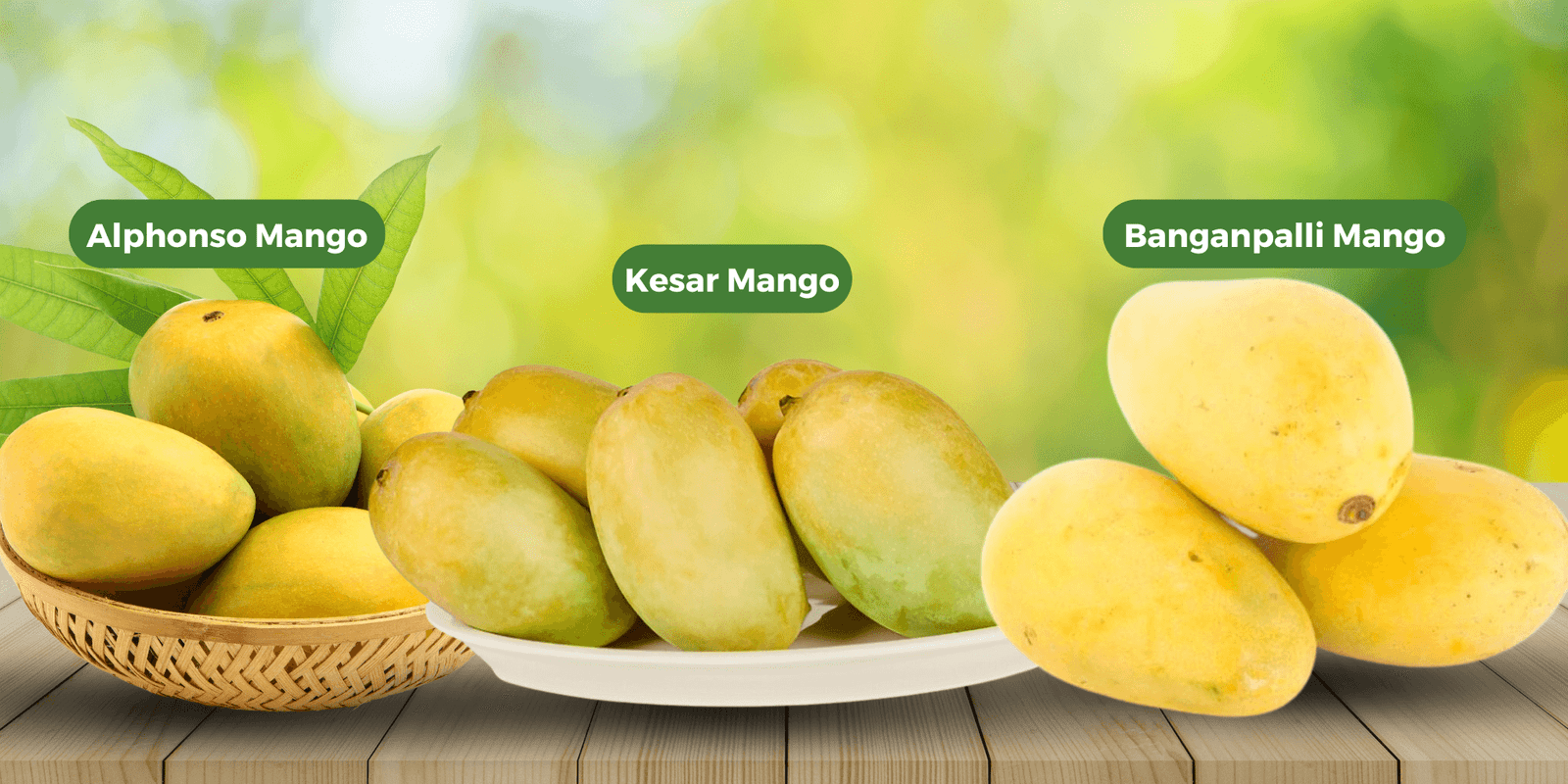
Alphonso vs Kesar vs Banganapalli: A Flavor Showdown

Alphonso vs. Kesar vs. Banganapalli: A Flavor Showdown

Mango lovers know that every variety brings something special to the table. Among India’s most popular types, Alphonso, Kesar, and Banganapalli stand out for their unique flavors, aromas, and textures. If you have ever wondered which one might suit your taste buds best, this comparison will help you decide. Lets know the Alphonso vs Kesar vs Banganapalli

Alphonso vs Kesar vs Banganapalli

1. Origins and Growing Regions

Alphonso, also known as Hapus, thrives along Maharashtra’s Konkan coast, especially in Ratnagiri and Devgad.
Kesar originates in Gujarat’s Gir and Junagadh districts, earning the nickname “Queen of Mangoes” for its saffron-like color.
Banganapalli, sometimes called Benishan or Safeda in different states, comes from Andhra Pradesh’s Kurnool and Kadapa regions and has gained popularity throughout South India.

2. Appearance

Alphonso features a golden-yellow skin with a light red blush near the tip.
Kesar showcases a bright orange interior and a green-to-yellow outer skin, often speckled.
Banganapalli sports smooth, pale yellow skin with a slight green tint even when ripe, and is typically larger than the other two.

3. Aroma and Flavor Profile

Alphonso delivers a strong, sweet fragrance and a rich, buttery taste with hints of honey and apricot.
Kesar offers a distinctively sweet aroma with a mild tang, giving a balanced sweet-tart flavor many people love for desserts.
Banganapalli provides a gentle floral scent and a subtly sweet taste that is pleasant but less intense than the other two.

4. Texture

Alphonso is prized for its fiberless, creamy pulp that melts in the mouth.
Kesar has a slightly firmer texture but remains smooth, making it perfect for pulp and sweets like aamras.
Banganapalli contains a modest amount of fiber yet still produces plenty of juicy flesh, ideal for slices, shakes, and canning.

5. Season and Availability

Alphonso season typically runs from late March through May.
Kesar usually ripens from late April to June, following Alphonso by a few weeks.
Banganapalli often arrives first, appearing from late March and lasting until early June.

6. Best Culinary Uses

Alphonso excels in premium desserts, smoothies, ice creams, and direct table eating.
Kesar’s balanced flavor is perfect for aamras, milkshakes, kulfi, and baking.
Banganapalli’s mild sweetness makes it versatile for salads, pickles, canned slices, and larger fruit platters.

Alphonso vs Kesar vs Banganapalli

Side-by-Side Snapshot

FeatureAlphonso (Hapus)KesarBanganapalli
Growing RegionRatnagiri, Devgad (MH)Junagadh, Gir (GJ)Andhra Pradesh
Skin ColorGolden yellow, red blushGreen-yellow, orange pulpPale yellow-green
AromaIntense floral-honeySweet with mild tangLight floral
TextureFiberless, creamySmooth, slight firmnessJuicy, slight fiber
Flavor NoteRich, buttery, honeySweet-tart balanceSubtly sweet
SeasonMar–MayApr–JunMar–Jun

Which Mango Wins?

If you crave an indulgently rich, aromatic fruit, Alphonso is hard to beat. Kesar appeals to those who enjoy a sweet-yet-slightly-tangy bite, perfect for drinks and desserts. Banganapalli suits anyone seeking a mild, refreshing mango with larger slices for easy snacking.

Whatever your preference, choosing fresh, naturally ripened mangoes from trusted sources ensures you enjoy the full flavor of each variety. This summer, taste all three and decide which one reigns supreme on your plate.

Ready to explore premium Alphonso, Kesar, or Banganapalli mangoes delivered to your doorstep? Visit RatnagiriHapus.Store and bring home the best of India’s mango heritage.

Posted on Leave a comment

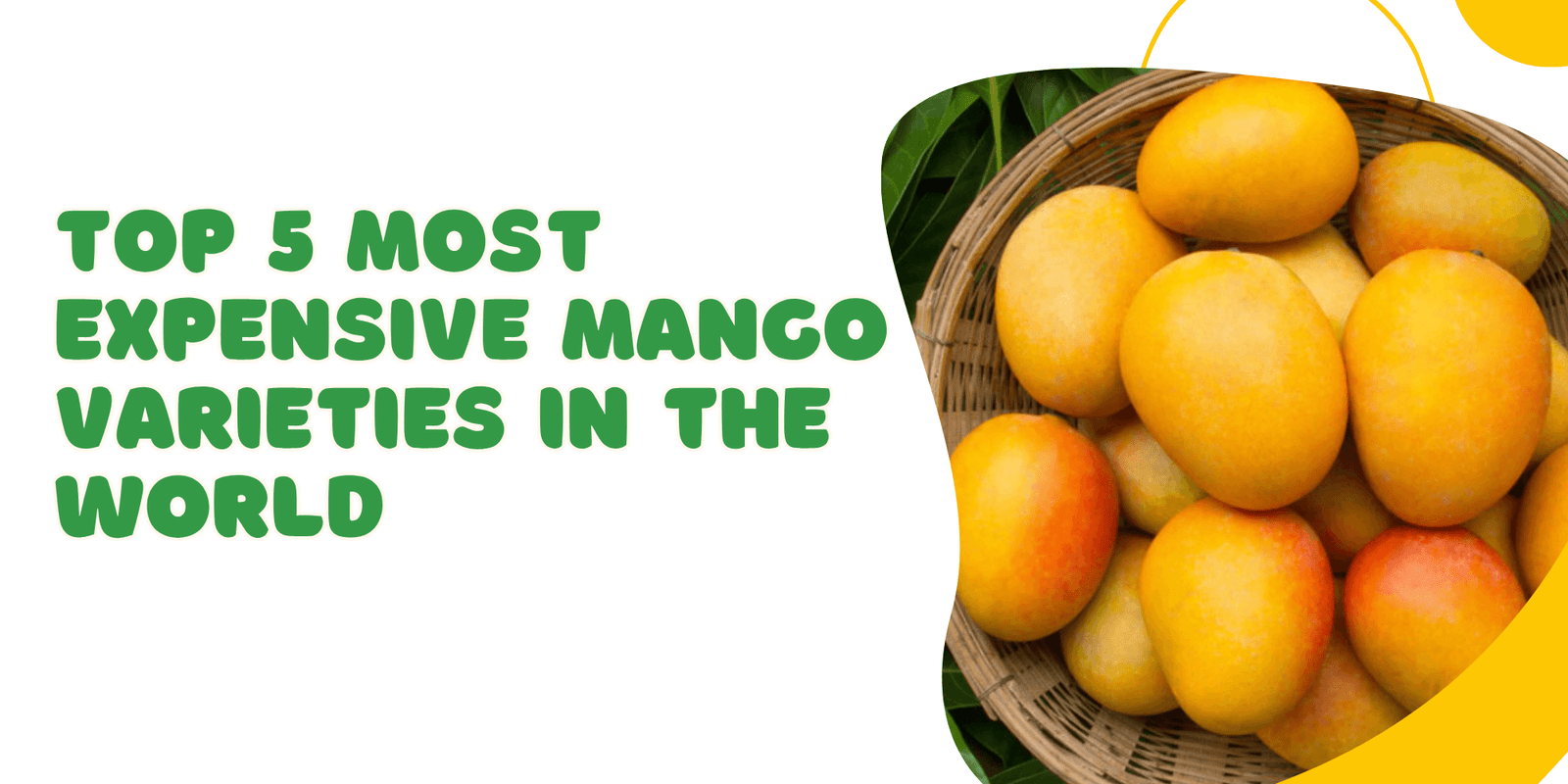
🥭 Top 5 Most Expensive Mango Varieties in the World – 2025 Edition

🥭 Top 5 Most Expensive Mango Varieties in the World – 2025 Edition

Mangoes are loved around the world for their sweet, juicy flavor. While many of us enjoy the more common varieties, there are a few rare and premium mangoes that come with a luxury price tag. These are not just fruits — they are prized for their taste, rarity, growing conditions, and cultural value.

Let’s take a look at the top 5 most expensive mango varieties in the world in 2025.

1. Miyazaki Mango – Japan

  • Price: ₹2.5 lakh to ₹3 lakh per kg ($3,000–$4,000 per dozen)
  • Nickname: “Egg of the Sun”
  • Why It’s Expensive: Grown only in Japan’s Miyazaki Prefecture, this mango is known for its bright red color, high sugar content (15% or more), and precise cultivation techniques. Each mango is carefully wrapped, weighed, and auctioned.
  • Interesting Fact: These mangoes are often given as luxury gifts in Japan.

2. Taiyo No Tamago (Egg of the Sun) – Japan

  • Price: ₹1.5 lakh to ₹2 lakh per dozen
  • Why It’s Expensive: Grown under strict conditions with controlled sunlight, humidity, and temperature. Only mangoes meeting strict criteria for size, weight, and sugar level earn this name.
  • Availability: Limited to a short season and only a few thousand pieces make it to the market each year.

3. Noor Jahan Mango – Madhya Pradesh, India

  • Price: ₹500 to ₹1,500 per piece
  • Size: 2 to 3 kg per mango!
  • Why It’s Expensive: This giant-sized mango is rare and grown only in the Alirajpur region. Its massive size, sweet flavor, and limited cultivation make it highly desirable.
  • Interesting Fact: Due to climate changes, availability has become even more limited in 2025.

4. Sindhri Mango – Pakistan

  • Price: ₹800 to ₹1,200 per dozen (for export-quality)
  • Why It’s Expensive: Known as the “Queen of Mangoes” in Pakistan, Sindhri mangoes are grown in Sindh province and are popular for their buttery texture and fragrance. Exported to the Gulf, UK, and US, premium packaging and logistics add to the cost.
  • Season: Early season mango, available before others.

5. Alphonso (Hapus) Mango – Ratnagiri/Devgad, India

  • Price: ₹1,200 to ₹2,200 per dozen (premium grade in 2025)
  • Why It’s Expensive: Often regarded as the best mango in the world, Alphonso from Ratnagiri and Devgad commands high prices due to GI tag, unique aroma, fiberless texture, and balanced sweetness. Climate changes have made 2025 a low-yield year, pushing prices even higher.
  • Interesting Fact: Often faked in markets, buyers are advised to purchase only from trusted sellers.

Final Thoughts

From Japan’s luxurious Miyazaki to India’s royal Alphonso, these mangoes are not just fruits — they are experiences. High cultivation costs, limited supply, and exceptional quality make them some of the most expensive mangoes in the world.

So next time you bite into a juicy mango, remember — somewhere, someone might be enjoying a mango that costs more than a smartphone!

Posted on Leave a comment

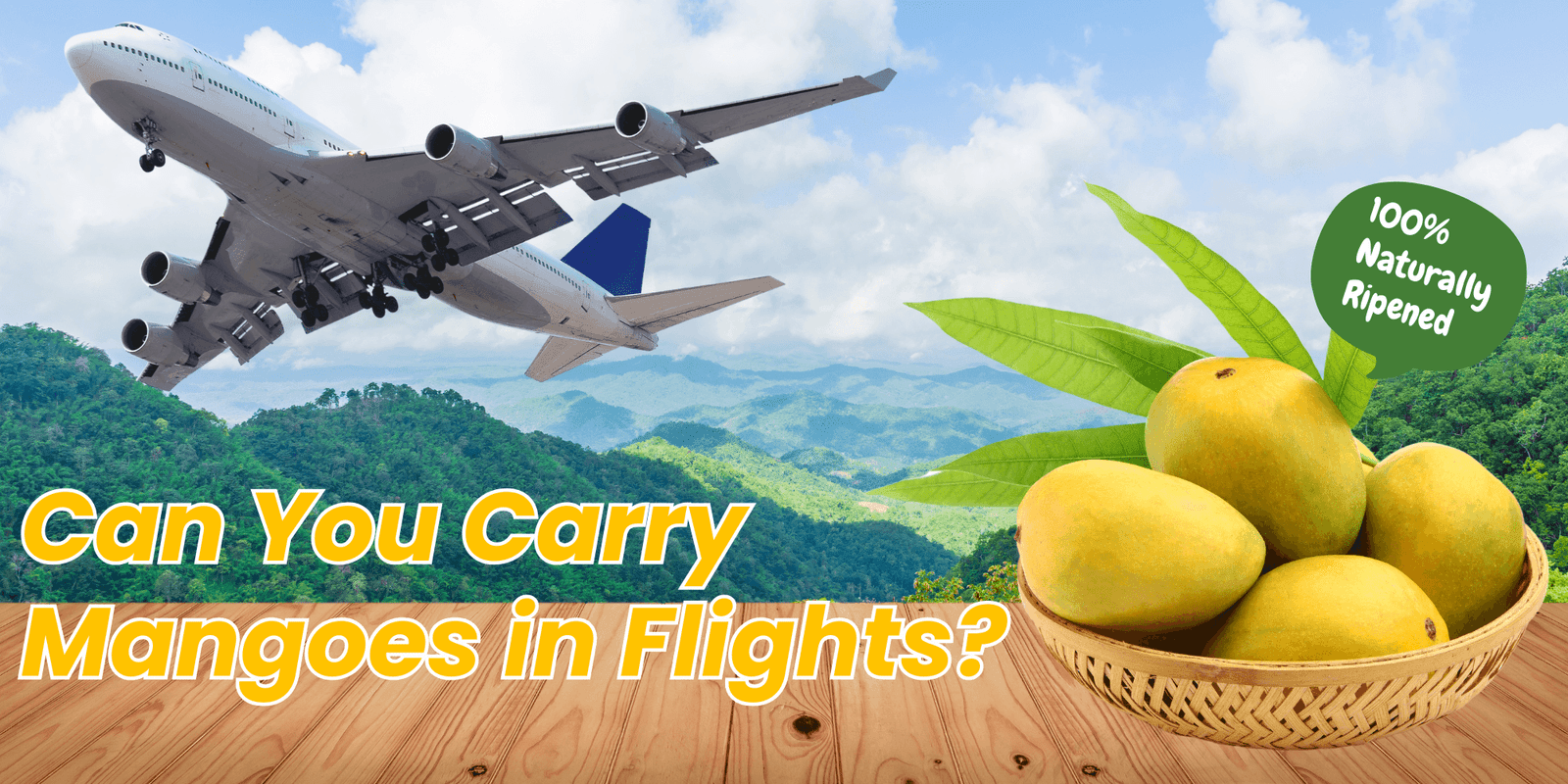
Can You Carry Mangoes in Flights from India to Other Countries? A 2025 Guide

As mango season picks up in India, many travelers want to carry the “King of Fruits” — especially the prized Alphonso mango — to their loved ones abroad. But a common question arises: Can you carry mangoes in international flights from India? Let’s break it down.

Yes, But with Restrictions

Yes, you can carry mangoes from India on international flights — but only under specific conditions. Countries have their own rules when it comes to importing fruits due to biosecurity laws. These laws are in place to prevent pests or diseases from entering their ecosystems.

Here’s what you need to know in 2025:


1. Mangoes Must Be Irradiated and Certified

If you’re carrying mangoes to countries like the USA, UK, Australia, or New Zealand, the mangoes must go through irradiation treatment (a method to kill bacteria and pests) and come with a phytosanitary certificate issued by India’s APEDA (Agricultural and Processed Food Products Export Development Authority).

➡️ Loose mangoes or ones from a local market cannot be carried in cabin or check-in luggage to many countries.


2. Country-Specific Rules

Each country has its own regulations:

🇺🇸 United States

  • Only mangoes from APEDA-approved packhouses.
  • Must be irradiated and have a USDA stamp.
  • Carrying raw mangoes in personal baggage is not allowed without paperwork.

🇬🇧 United Kingdom

  • Commercially packed and certified mangoes are allowed.
  • Loose fruit often gets confiscated.

🇦🇺 Australia

  • Very strict biosecurity laws.
  • Mangoes must be treated and certified. No loose mangoes allowed.

🇨🇦 Canada

  • Permits mangoes with phytosanitary certificate.
  • Best to buy from authorized exporters.

3. Airline Policies May Vary

Even if the country allows mangoes, your airline might have limitations on carrying fruits in check-in or cabin luggage due to smell, leakage, or customs restrictions. Always check with your airline before traveling.


4. Customs Declarations Are a Must

If you’re carrying certified mangoes, declare them at customs upon arrival. If undeclared or uncertified fruit is found, it can lead to confiscation and possibly fines.


5. What’s the Best Way to Send Mangoes Abroad?

If you want to send mangoes to family or friends abroad, the best option is:

  • Order from licensed exporters like Ratnagiri Hapus Store who have experience with documentation and compliance.
  • They ensure the fruit is APEDA-certified, packaged correctly, and shipped via air cargo or courier to specific countries.

👉 Check out: www.ratnagirihapus.store for certified Alphonso mango export options.


Tips for Travellers

  • Don’t carry mangoes loosely in your bag.
  • Check the import laws of the destination country.
  • If permitted, pack mangoes in sealed, leak-proof boxes with documentation.
  • Declare at customs when asked, and cooperate with officers.

Final Thoughts

While carrying mangoes internationally sounds tempting, it’s important to follow the rules and respect the laws of the country you’re flying to. Getting Alphonso mangoes across borders isn’t impossible — just make sure they are certified, safe, and properly packed.

When in doubt, it’s better to order through a certified exporter who knows the ins and outs of fruit shipping globally. Enjoy the mango season without any airport troubles!

Posted on Leave a comment

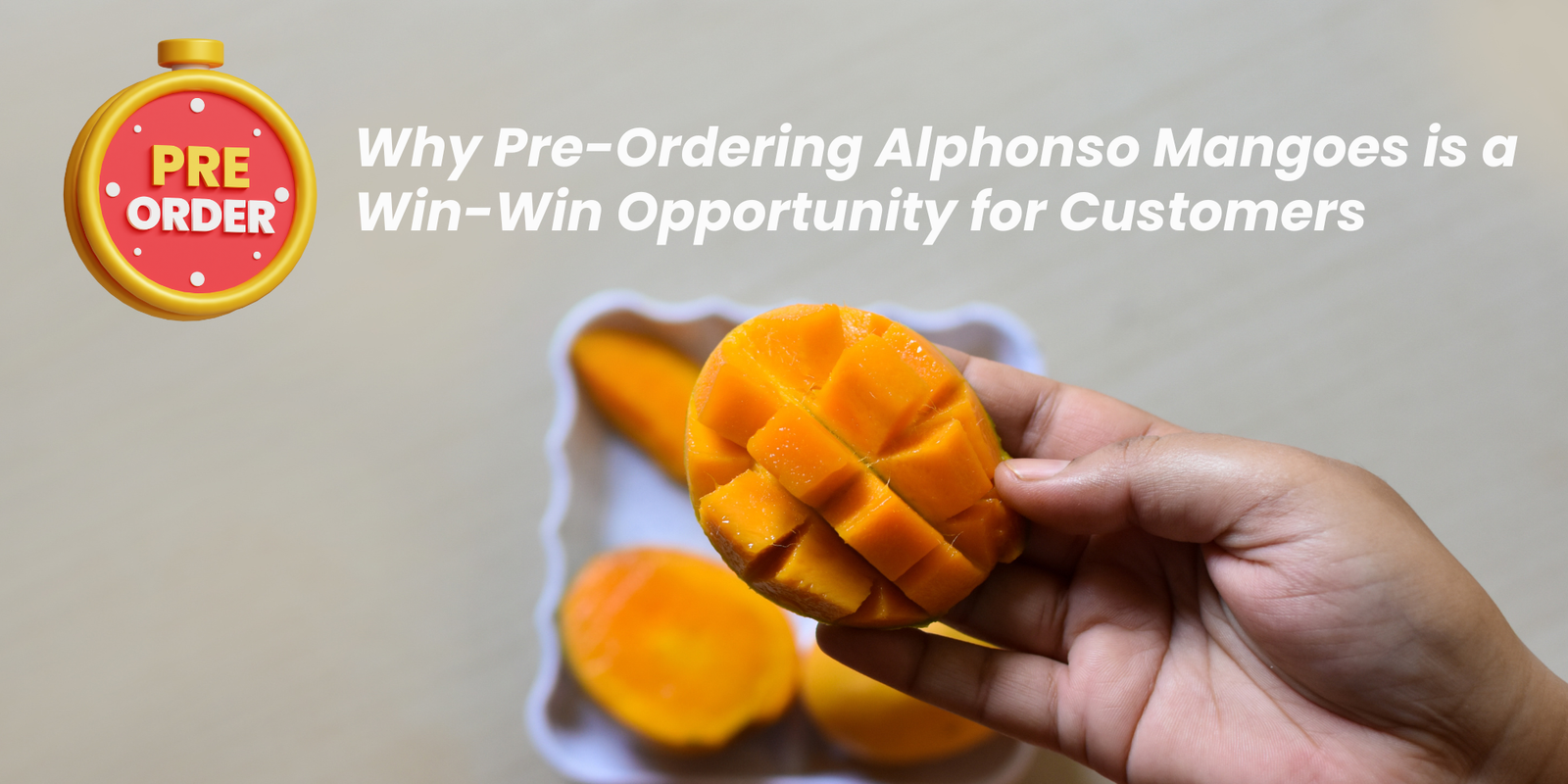
Why Pre-Ordering Alphonso Mangoes

Why Pre-Ordering Alphonso Mangoes is a Win-Win Opportunity for Customers

Alphonso mangoes, especially the Ratnagiri and Devgad Hapus, are among the most loved mango varieties in India. Their rich taste, creamy texture, and irresistible aroma make them highly sought after. Since these mangoes are seasonal, their prices often fluctuate based on demand. Pre-ordering is the best way to secure premium mangoes at the right price while ensuring fresh and authentic produce. Why Pre-Ordering Alphonso Mangoes is a Win-Win Opportunity for Customers

1. Lock in the Best Price & Avoid Market Surge

As the season progresses, mango prices tend to rise due to increasing demand and limited availability. By placing a pre-order, you lock in a fixed price at the time of purchase. Even if market rates increase later, your pre-ordered mangoes remain at the original price, helping you save money and avoid last-minute price hikes.

2. Guaranteed Fresh & Authentic Mangoes

With a pre-order, you can be sure that your mangoes come directly from trusted farms in Ratnagiri and Devgad. This ensures that you receive naturally ripened, carbide-free Alphonso mangoes, unlike the ones in the market that may be treated with artificial ripening agents.

3. Priority Delivery – No Last-Minute Rush

Peak season often leads to high demand and frequent stock shortages. Many customers struggle to find high-quality mangoes when they need them the most. However, by pre-ordering, you get priority access, ensuring your mangoes arrive fresh as soon as the harvest begins.

4. Supporting Farmers with Fair Pricing

Pre-ordering not only benefits customers but also helps farmers. It provides them with a stable demand and fair pricing, reducing their dependence on fluctuating market rates. As a result, they receive the right value for their hard work, encouraging them to continue sustainable farming practices.

5. Chemical-Free & Naturally Ripened Mangoes

Unlike many mangoes available in the market, which are artificially ripened using harmful chemicals like carbide, pre-ordered mangoes from Ratnagiri Hapus Store are ripened using the traditional haystack method. This natural process enhances both the taste and safety of the fruit.

6. No Risk of Stock Shortages

Due to their high demand, Alphonso mangoes often sell out quickly. Pre-ordering guarantees your mangoes are reserved, so you don’t miss out on enjoying the season’s best fruit.

7. Easy & Hassle-Free Ordering Process

Ordering mangoes online has never been simpler. At Ratnagiri Hapus Store, we ensure a seamless ordering experience:
Visit: www.ratnagirihapus.store
Select the desired quantity
Place the order with secure payment options
Receive farm-fresh mangoes at your doorstep

Pre-Order Today & Enjoy the Best Alphonso Mangoes!

By pre-ordering, you can enjoy authentic, naturally ripened Alphonso mangoes at a fixed price, no matter how the market fluctuates. Don’t wait until prices rise—secure your order today.

🥭 Book now on Ratnagiri Hapus Store and relish the royal taste of Alphonso mangoes! 🥭

Posted on Leave a comment

The King of Mangoes: What Makes Ratnagiri Hapus Unique?

The King of Mangoes: What Makes Ratnagiri Hapus Unique?

The Ratnagiri Hapus, often referred to as Alphonso mango, is widely regarded as the “King of Mangoes.” This coveted title is no exaggeration; Ratnagiri Hapus boasts a rich flavor, smooth texture, and an unmistakable aroma that has captivated mango lovers worldwide. Its origins in the lush coastal region of Ratnagiri, Maharashtra, provide the perfect environment for this fruit to thrive, making it a true gem of India’s agricultural heritage.

The Legacy of Ratnagiri Hapus Mango

Ratnagiri Hapus isn’t just any mango; it’s a symbol of tradition, quality, and authenticity. This variety is grown in the unique lateritic soil of Ratnagiri, a region blessed with tropical sunshine, cool sea breezes, and abundant rainfall. These natural factors contribute to its:

  • Distinctive Flavor: A perfect balance of sweetness with subtle hints of tartness.
  • Vibrant Appearance: Golden-yellow skin with a blush of red.
  • Creamy Texture: Non-fibrous, silky flesh that melts in the mouth.
  • Exquisite Aroma: A fragrance so intoxicating it announces its arrival long before you take the first bite.

The Importance of the GI Tag

Ratnagiri Hapus holds a Geographical Indication (GI) tag, which certifies its origin and ensures it meets strict quality standards. This tag protects the authenticity of the fruit, distinguishing it from other Alphonso mangoes grown in different regions. It guarantees that only mangoes grown in the designated Ratnagiri region can be marketed as “Ratnagiri Hapus.”

Why Ratnagiri Hapus is the King of Mangoes

  1. Unique Growing Conditions: The lateritic soil, coastal weather, and organic farming practices make Ratnagiri Hapus mangoes incomparable in flavor and quality.
  2. Naturally Ripened: Authentic Ratnagiri Hapus mangoes are ripened naturally in hay, ensuring a chemical-free and healthier product.
  3. Versatility: From aamras and mango lassi to mango desserts and salads, Ratnagiri Hapus enhances every dish with its rich taste and fragrance.
  4. Global Appeal: Its export-quality standards make it a favorite not just in India but also in international markets like the USA, UK, and the Middle East.

Ratnagiri Hapus Store: Your Trusted Mango Destination

When it comes to buying authentic Ratnagiri Hapus mangoes, the Ratnagiri Hapus Store is the ultimate one-stop shop. Here’s why:

  • Authenticity Guaranteed: Every mango is sourced directly from certified orchards in Ratnagiri.
  • Quality Assurance: Only naturally ripened, GI-certified mangoes are delivered to customers.
  • Convenience: With an easy online ordering process, you can enjoy farm-fresh mangoes delivered to your doorstep.
  • Sustainable Farming: The store supports farmers using organic practices, ensuring eco-friendly cultivation.

The King of Mangoes: What Makes Ratnagiri Hapus Unique?

FAQs About Ratnagiri Hapus Mangoes

Q: When is the Ratnagiri Hapus mango season?
A: The season typically begins in March and lasts until June, with the peak harvest occurring in April and May.

Q: How can I identify authentic Ratnagiri Hapus mangoes?
A: Authentic Ratnagiri Hapus mangoes have a GI tag, golden-yellow skin with a reddish tint, and a distinct aroma. They are non-fibrous and naturally ripened.

Q: Why is Ratnagiri Hapus more expensive than other mango varieties?
A: The superior quality, limited production, and high demand for Ratnagiri Hapus mangoes contribute to their premium pricing.

Q: Can I order Ratnagiri Hapus mangoes online?
A: Yes, you can conveniently order authentic Ratnagiri Hapus mangoes from the Ratnagiri Hapus Store, ensuring quality and authenticity.

Experience the Royal Taste of Ratnagiri Hapus

The Ratnagiri Hapus isn’t just a fruit; it’s an experience. From its velvety texture to its rich, unparalleled flavor, every bite of this mango is a taste of luxury. Whether you’re enjoying it fresh or incorporating it into a dish, the Ratnagiri Hapus lives up to its royal title as the King of Mangoes.

Don’t miss out on this seasonal treasure—order your Ratnagiri Hapus mangoes today from the Ratnagiri Hapus Store and savor the best that nature has to offer!

The King of Mangoes: What Makes Ratnagiri Hapus Unique?