Posted on Leave a comment

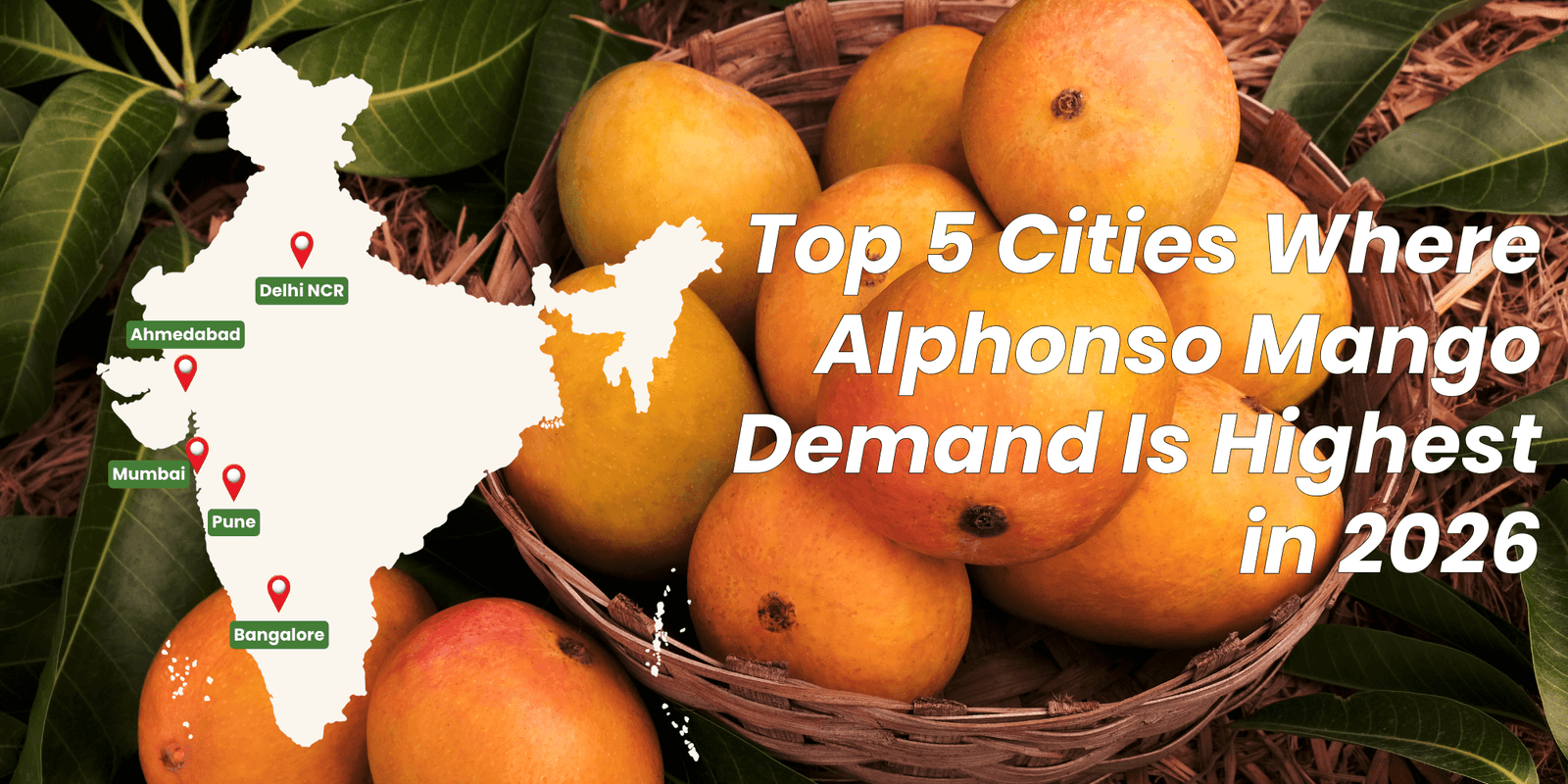
Top 5 Cities Where Alphonso Mango Demand Is Highest in 2026

Top 5 Cities Where Alphonso Mango Demand Is Highest in 2026

As the 2026 mango season unfolds, demand for authentic Ratnagiri Alphonso (Hapus) remains strong across India’s major urban markets. While Alphonso mangoes are grown mainly in the Konkan region of Maharashtra, their biggest consumption hubs lie in large metropolitan cities where awareness, purchasing power, and seasonal tradition drive steady Alphonso Mango Demand In Cities

Alphonso Mango Demand In Cities

Based on market trends, trader feedback, and seasonal buying patterns, here are the top five cities where Alphonso mango demand is highest in 2026.

1. Mumbai – The Largest Alphonso Market

Mumbai continues to lead as the strongest market for Alphonso mangoes. Due to its proximity to Ratnagiri and Devgad, the city receives early and regular arrivals throughout the season. Wholesale markets in Vashi and Crawford Market report consistent movement of premium-grade Hapus.

Corporate gifting, hospitality demand, and high consumer awareness make Mumbai the most stable and high-volume Alphonso market every year.

2. Pune – Quality-Conscious Buyers Drive Demand

Pune has emerged as one of the most quality-driven Alphonso markets in Maharashtra. Buyers here actively look for GI-certified Ratnagiri Hapus and naturally ripened fruit.

With a strong base of professionals, IT sector employees, and traditional households, Pune shows steady seasonal demand. Traders report that premium-grade Alphonso mangoes often sell quickly in this city during peak weeks.

3. Delhi NCR – Premium Fruit Consumption Hub

Delhi NCR remains one of the largest non-coastal markets for Alphonso mangoes. Despite the distance from Konkan, demand remains high due to affluent consumer segments and gifting culture.

Export-quality fruit often finds strong buyers in Delhi. Traders note that Delhi customers increasingly ask for authentic origin details, reflecting growing awareness.

4. Bengaluru – Rising Demand for GI-Certified Alphonso

Bengaluru continues to show strong seasonal demand for premium Alphonso mangoes. The city’s tech-driven population and high disposable income support steady consumption.

Consumers in Bengaluru prefer naturally ripened fruit and farm-direct sourcing. As a result, Ratnagiri Alphonso maintains premium positioning in the Karnataka market.

5. Ahmedabad – Expanding Premium Fruit Market

Ahmedabad has emerged as a fast-growing market for Alphonso mangoes. While Gujarat has its own mango varieties, demand for Ratnagiri Hapus has increased in recent years.

Urban consumers and business buyers in Ahmedabad show growing interest in GI-certified mangoes, making the city one of the key western Indian demand centres in 2026.

Why These Cities Lead Alphonso Demand

Several factors influence demand concentration in these cities:

  • High purchasing power
  • Strong gifting culture
  • Awareness of GI certification
  • Preference for premium seasonal fruit
  • Active wholesale and logistics networks

In 2026, these factors continue to support steady and high-volume Alphonso mango movement in these top markets.

Final Outlook for 2026

Alphonso mango demand in 2026 remains strongest in Mumbai, Pune, Delhi NCR, Bengaluru, and Ahmedabad. While supply may fluctuate due to climate and seasonal factors, urban appetite for authentic Ratnagiri Hapus remains resilient.

As long as brand trust, seasonal value, and premium positioning stay intact, these five cities will continue to dominate Alphonso mango consumption trends.

Alphonso Mango Demand In Cities

Posted on Leave a comment

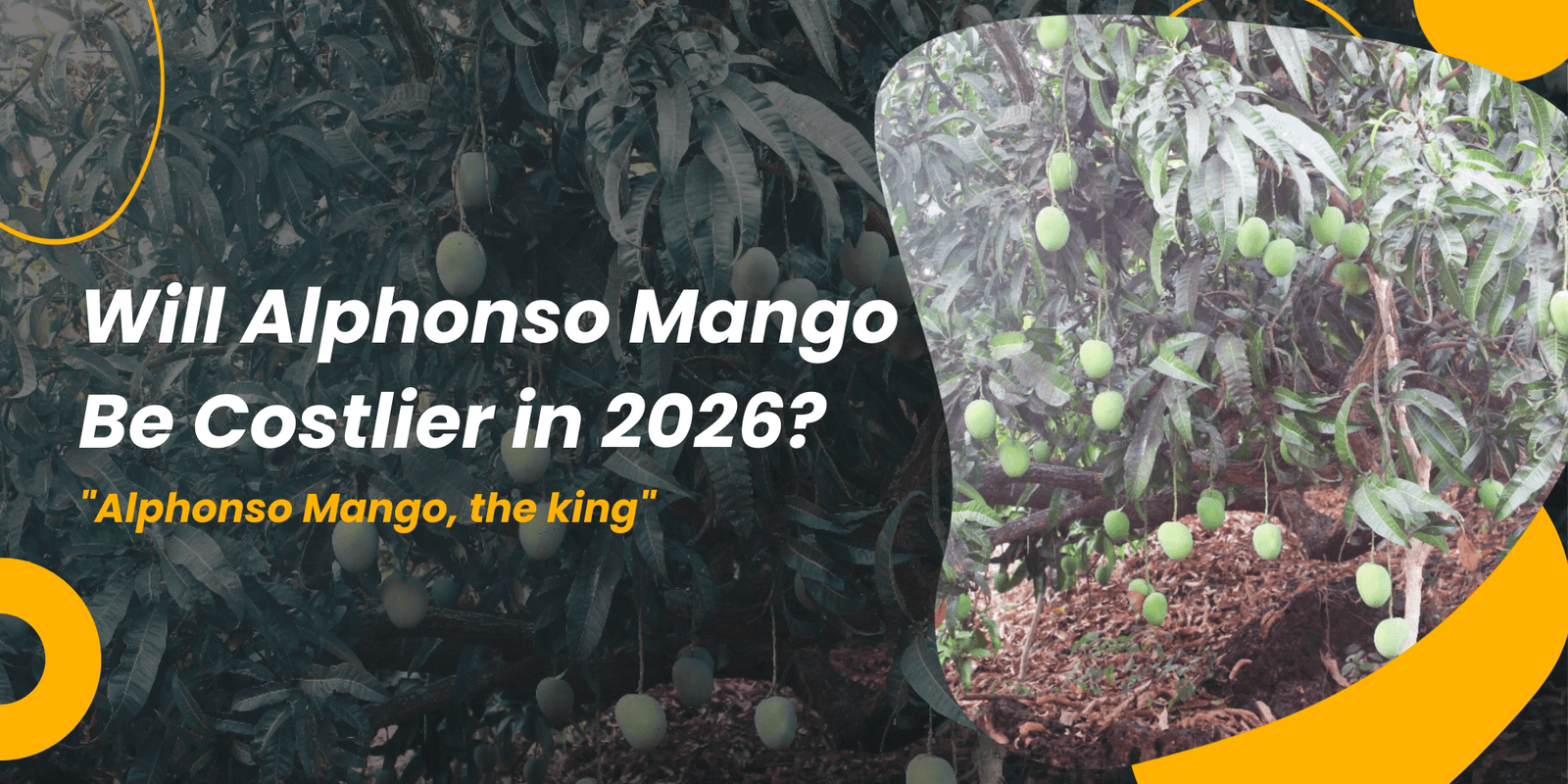
Will Alphonso Mango Be Costlier in 2026? Climate Stress and Delayed Arrivals Raise Concerns

Will Alphonso Mango Be Costlier in 2026?

The 2026 Alphonso mango season has begun with uncertainty. Farmers in Ratnagiri and Devgad are closely monitoring orchards after irregular weather patterns affected flowering earlier this year. Traders in Mumbai and Pune say early market signals suggest that premium Ratnagiri Hapus could remain on the expensive side, at least during the beginning of the season.

Although full arrivals are yet to peak, discussions in wholesale markets indicate that supply conditions may not be as strong as a bumper year.

Blossom Damage in Konkan Sparks Worry

This season, parts of the Konkan belt witnessed temperature fluctuations and humidity shifts during the crucial flowering phase. Agricultural observers note that Alphonso mango is highly sensitive during blossom formation.

When blossoms fall early or fail to convert into fruit, overall yield drops. Even a small decline in fruit setting affects total output because Alphonso cultivation area remains limited.

Farmers describe the situation as “moderate stress, not disaster,” but enough to keep supply expectations cautious.

Main Ratnagiri Arrivals Still Building Up

Market yards are seeing gradual inflow rather than heavy early arrivals. Traders explain that when supply builds slowly and anticipation remains high, price sentiment stays firm.

Historically, early-season Alphonso always commands stronger demand. This year appears no different.

Alphonso Mango Be Costlier

Urban Demand Shows No Weakness

Despite seasonal uncertainty, demand in metro cities remains steady. Consumers continue to prioritise:

Alphonso mango is not just a fruit in cities like Mumbai, Pune, and Delhi. It is a seasonal tradition. That emotional connection often keeps demand stable even when supply tightens.

Export Activity Adds Pressure

Export demand for premium-grade Alphonso mango continues from Middle Eastern and international markets. Export-focused grading absorbs high-quality fruit first, which can tighten domestic premium supply.

When export channels remain active, local markets feel the impact.

Rising Farming Costs Add to the Equation

Farmers also report higher input costs this season. Labour, crop protection, orchard management, and transport expenses have increased compared to previous years.

When production becomes costlier, pricing adjusts across the supply chain.

Alphonso Mango Be Costlier

What This Means for 2026

If weather remains stable and arrivals improve, the market could see some mid-season balance. However, unless production significantly exceeds expectations, Alphonso mango in 2026 is likely to retain its premium positioning.

For buyers waiting for authentic Ratnagiri Hapus, this season may once again reflect the delicate balance between climate, cultivation, and demand.

Posted on Leave a comment

GI Tag Dispute Around the Hapus Variety: Why Origin and Authenticity Matter

GI Tag Dispute Around the “Hapus” Variety: Why Origin and Authenticity Matter

The Alphonso mango, locally called Hapus, holds a special place in India’s agricultural heritage. However, in recent seasons, a growing dispute over the Geographical Indication (GI) tag for “Hapus” has raised serious questions about origin, labeling, and authenticity.

This debate matters not only to farmers, but also to consumers and exporters who rely on trust and transparency when buying Alphonso mangoes.

What Is a GI Tag and Why Is It Important?

A Geographical Indication (GI) tag protects products that come from a specific region and owe their quality to that location. In agriculture, GI tags help farmers protect their reputation and earn fair prices.

In 2018, India granted the GI tag for Alphonso mangoes to Ratnagiri and Devgad in Maharashtra through the Geographical Indications Registry of India.
As a result, only mangoes grown in these regions can legally be sold as Ratnagiri Alphonso or Devgad Alphonso.

This decision recognized that the true Alphonso mango gets its taste, aroma, and texture from:

  • Konkan’s lateritic red soil
  • Coastal humidity and sea breeze
  • Traditional farming and natural ripening

What Is the Current “Hapus” GI Dispute?

Recently, growers from regions outside the Konkan belt have requested permission to use the name “Hapus” for their mangoes. They argue that similar Alphonso-type mangoes grow in their areas.

However, Konkan farmers strongly oppose this move. They clearly state that similar does not mean identical. According to them, mangoes grown outside Ratnagiri and Devgad lack the same flavor depth, aroma, and consistency.

Therefore, expanding the use of the “Hapus” name could weaken the meaning of the GI tag and confuse buyers.

Why Konkan Farmers Are Worried

For Ratnagiri and Devgad farmers, GI protection directly affects income and survival. Authentic Alphonso mangoes sell at a premium because buyers trust their origin.

If authorities allow wider use of the “Hapus” name, farmers fear:

  • Mislabeling in markets and online stores
  • Falling prices for genuine Alphonso mangoes
  • Loss of export credibility
  • Reduced motivation to follow traditional farming methods

As a result, many farmer groups have demanded stricter enforcement of GI rules.

How This Affects Consumers

For consumers, the dispute highlights a simple truth: not every mango sold as Alphonso is genuine.

Without clear origin labels, buyers may unknowingly purchase mangoes grown outside GI regions while paying premium prices. This problem affects:

  • Online shoppers
  • Export buyers
  • Corporate gifting orders

Therefore, buyers should always check packaging details, origin mentions, and seller transparency before purchasing.

The Need for Better Enforcement and Awareness

Although the GI tag exists, enforcement remains uneven. Many sellers still misuse the Alphonso name because penalties are weak and awareness is low.

To solve this, experts suggest:

  • Clear labeling of Ratnagiri or Devgad origin
  • Mandatory GI references on packaging
  • Digital traceability using QR codes
  • Stronger checks in wholesale and export markets

Importantly, informed consumers play a key role in stopping misuse by choosing verified sellers.

Why This Issue Matters Beyond Alphonso Mangoes

The “Hapus” dispute reflects a larger issue in Indian agriculture. As Indian products gain global attention, origin-based branding becomes critical.

Strong GI protection:

  • Rewards honest farmers
  • Builds long-term buyer trust
  • Supports sustainable agriculture

On the other hand, weak protection turns premium products into ordinary commodities.

What Buyers Should Do Now

Until authorities clarify the dispute, buyers should:

  • Prefer sellers who clearly mention Ratnagiri or Devgad
  • Look for GI references or traceability details
  • Avoid vague terms like “Alphonso type” or “Hapus variety”

By doing so, buyers help protect both quality and farmer livelihoods.

Conclusion

The GI tag dispute around the “Hapus” mango shows why origin matters more than ever. Ratnagiri and Devgad Alphonso mangoes earned their reputation through geography, climate, and generations of farming knowledge.

Protecting this identity ensures fairness for farmers and confidence for consumers. In a global market, authenticity is not optional—it is essential.

Posted on Leave a comment

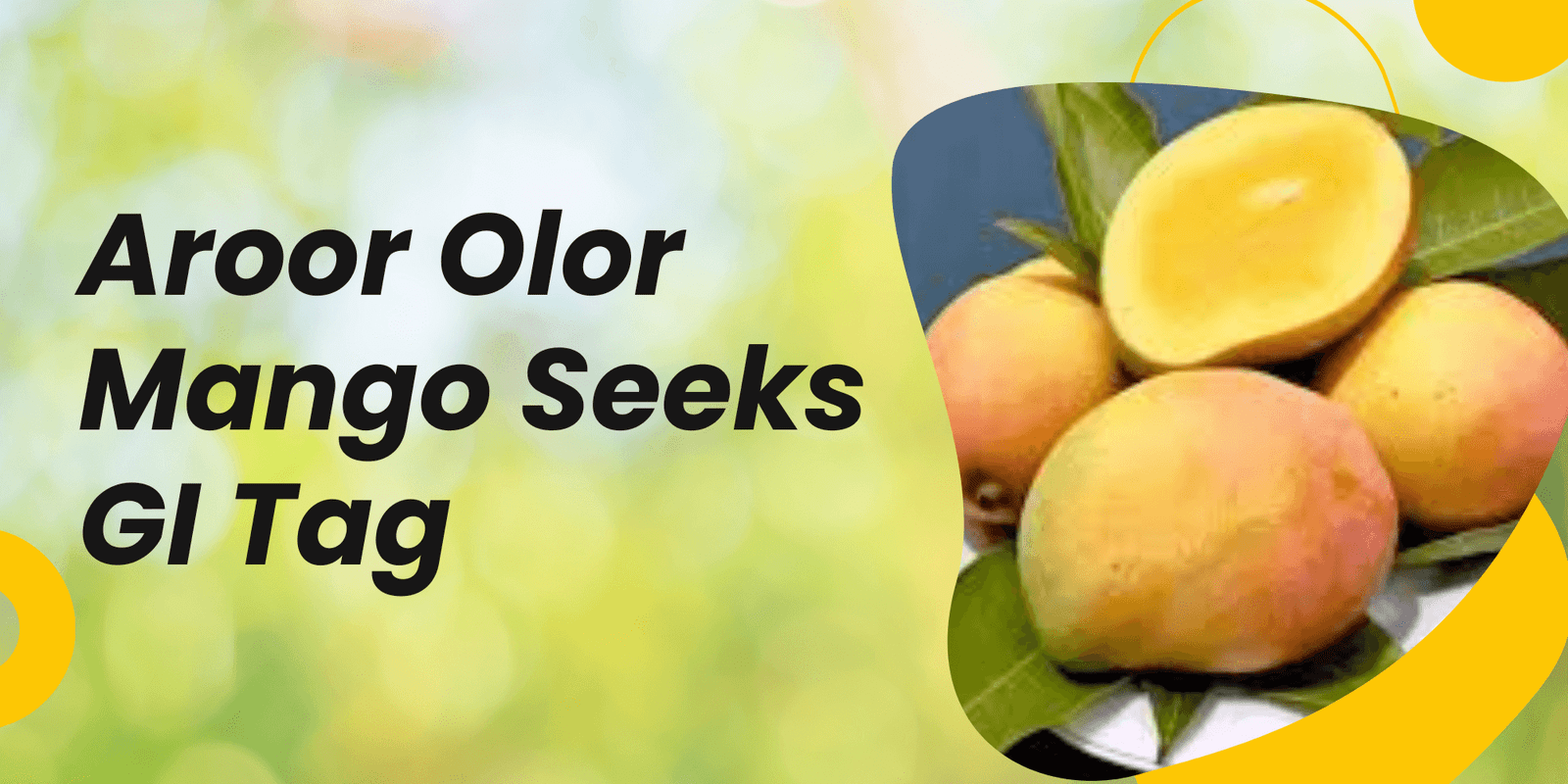
Aroor Olor Mango Seeks GI Tag — Following the Trailblazer, Ratnagiri Hapus

Aroor Olor Mango Seeks GI Tag — Following the Trailblazer, Ratnagiri Hapus

🌴 A New Star in India’s Mango Map

India’s love affair with mangoes has always been deep and poetic. But beyond taste and nostalgia lies something more official — the Geographical Indication (GI) tag, a legal recognition that ties a product’s identity to its native soil.

Recently, the Aroor Olor mango from Kerala made headlines for beginning its journey toward a GI certification, as reported by The New Indian Express (October 2025). The state’s agriculture department confirmed that studies and documentation are underway to establish its unique flavor, texture, and regional heritage.

And for mango lovers everywhere, that’s sweet news — because it continues a legacy started years ago by the legendary Ratnagiri Hapus (Alphonso).


🥭 Ratnagiri Hapus — The Benchmark for Authenticity

Before GI tags became trendy, Ratnagiri Hapus had already set the gold standard.
In 2018, the Geographical Indications Registry of India officially granted Ratnagiri and Devgad Alphonso mangoes the GI tag — recognizing their distinct aroma, golden saffron hue, and buttery pulp as products of a very specific terroir: the lateritic red soil and sea-kissed breeze of coastal Konkan.

This wasn’t just a bureaucratic badge — it was a cultural seal of purity.
It told the world: If it’s from Ratnagiri, it’s real Hapus.
And it inspired dozens of other regions — from Kerala to Bihar — to document their own fruit heritage.


🌍 Why GI Tags Matter So Much

GI tags protect not just products, but the communities and traditions behind them.
Here’s why they’re so powerful for India’s mango growers:

BenefitWhat It Means
🧾 Authenticity ProtectionPrevents other regions from falsely using the same name (like “Ratnagiri Hapus” sold from non-GI areas).
đź’° Higher Farmer IncomeCertified produce earns premium pricing in domestic and export markets.
🌱 Cultural PreservationKeeps old farming techniques and local biodiversity alive.
🌏 Export RecognitionGI tags assure importers of origin and quality — a major advantage in global trade.

So when Kerala’s Aroor Olor mango begins its GI journey, it’s not just about one fruit — it’s about continuing India’s larger story of geographical pride and authenticity.


🧡 Lessons from Ratnagiri Hapus for Emerging GI Mangoes

As new contenders like Aroor Olor step into the GI process, the Ratnagiri experience offers timeless lessons:

  1. Document the DNA
    • Ratnagiri’s farmers recorded decades of soil data, rainfall patterns, and taste profiles to prove uniqueness.
  2. Organize Farmer Clusters
    • GI strength comes from unity — hundreds of Ratnagiri and Devgad farmers collaborated under regional boards.
  3. Maintain Purity Post-GI
    • After certification, quality control is ongoing. Packhouses, grading centers, and labeling systems ensure every exported Hapus meets the promise.
  4. Market the Story, Not Just the Fruit
    • Ratnagiri Hapus became a brand because it told its story beautifully — of coastal winds, handpicking, and generational heritage.

🍋 The Bigger Picture: India’s Mango Heritage Is Expanding

With varieties like Aroor Olor (Kerala), Malda Fazli (West Bengal), Kesar (Gujarat), and Banganapalli (Andhra Pradesh) already on the national map, India’s mango landscape is becoming a rich tapestry of local pride.

Each new GI tag adds another chapter to this delicious story — but the Ratnagiri Hapus remains the north star: the mango that taught India to value place-based authenticity.


🌞 Conclusion: The Sweetness of Provenance

As Aroor Olor prepares to claim its spot in the GI family, it follows in the fragrant footsteps of Ratnagiri Hapus — the mango that turned geography into greatness.

At Ratnagiri Hapus Store, we celebrate every mango that honors its roots.
Because whether it’s from Ratnagiri’s sun-drenched slopes or Kerala’s lush groves, true sweetness is born from authenticity.

🥭 Authentic. Verified. Proudly from Ratnagiri.
Explore our GI-certified Alphonso mangoes at ratnagirihapus.store

Posted on Leave a comment

2025 Sees High Demand for Hapus Mangoes in Vashi and Ahmedabad Markets

2025 Sees High Demand for Hapus Mangoes in Vashi and Ahmedabad Markets

The honor of delivering the first boxes of Ratnagiri Hapus mangoes this season goes to Rehan Jabbar Bandari from Chanderai and Shakeel Umar Harchirkar from Pawas Mahatwadi. Their meticulous care and dedication to mango cultivation have resulted in an early harvest, bringing premium-quality Alphonso mangoes to the market ahead of schedule. 2025 Sees High Demand for Hapus Mangoes in Vashi and Ahmedabad Markets

A Record-Breaking Auction in Ahmedabad
Two boxes of six dozen Hapus mangoes, cultivated by Bandari, fetched an impressive ₹25,000 at the Ahmedabad market. Similarly, Harchirkar sent two boxes of Hapus mangoes to the Vashi market in Mumbai, where they were received with reverence. Both growers have cemented their reputation for producing high-quality, early-season Hapus mangoes.

2025 Sees High Demand for Hapus Mangoes in Vashi and Ahmedabad Markets

The Journey of Excellence

  • Shakeel Umar Harchirkar:
    Harchirkar’s orchard in Golap Dhangarwadi, comprising 40 Hapus mango trees spread across one acre, has been a model of consistent success. Over the past four years, he has meticulously managed his orchard, ensuring the production of early-season mangoes. This year, he harvested 10 dozen mangoes on January 16 and sent two boxes to Mumbai’s Vashi market. The first box was ceremoniously worshipped before being auctioned.
  • Rehan Jabbar Bandari:
    Bandari’s orchard in Chanderai, Ratnagiri taluka, demonstrated similar dedication. Despite heavy rains during the first week of October, he ensured the survival of the delicate mohar (blossoms) through timely spraying and care. The mangoes were harvested on January 16, marking the fourth consecutive year Bandari has achieved an early harvest.

The Ritual of Mango Auctions
In Vashi, the first box of Hapus mangoes was ceremonially worshipped by Shailesh Nalawade, a prominent trader, underscoring the cultural and economic significance of the fruit. This tradition highlights the reverence and anticipation surrounding the arrival of the first Hapus mangoes each year.

Looking Ahead
With the early success of Bandari and Harchirkar, preparations are already underway to send more boxes of Hapus mangoes to markets across the country in the coming days. These early-season mangoes set the tone for what promises to be a fruitful and vibrant mango season in 2025.

Ratnagiri Hapus, often referred to as the “King of Mangoes,” continues to command admiration and premium prices, solidifying its position as one of India’s most beloved and celebrated fruits.

To get authentic, naturally ripened Hapus mangoes delivered right to your doorstep, shop online at Ratnagiri Hapus Store. Known for sourcing premium-quality mangoes directly from Ratnagiri’s renowned orchards, the store ensures every box is a delight for mango lovers. Don’t miss out on savoring the season’s finest!

Source: Agrowon

2025 Sees High Demand for Hapus Mangoes in Vashi and Ahmedabad Markets

Posted on Leave a comment

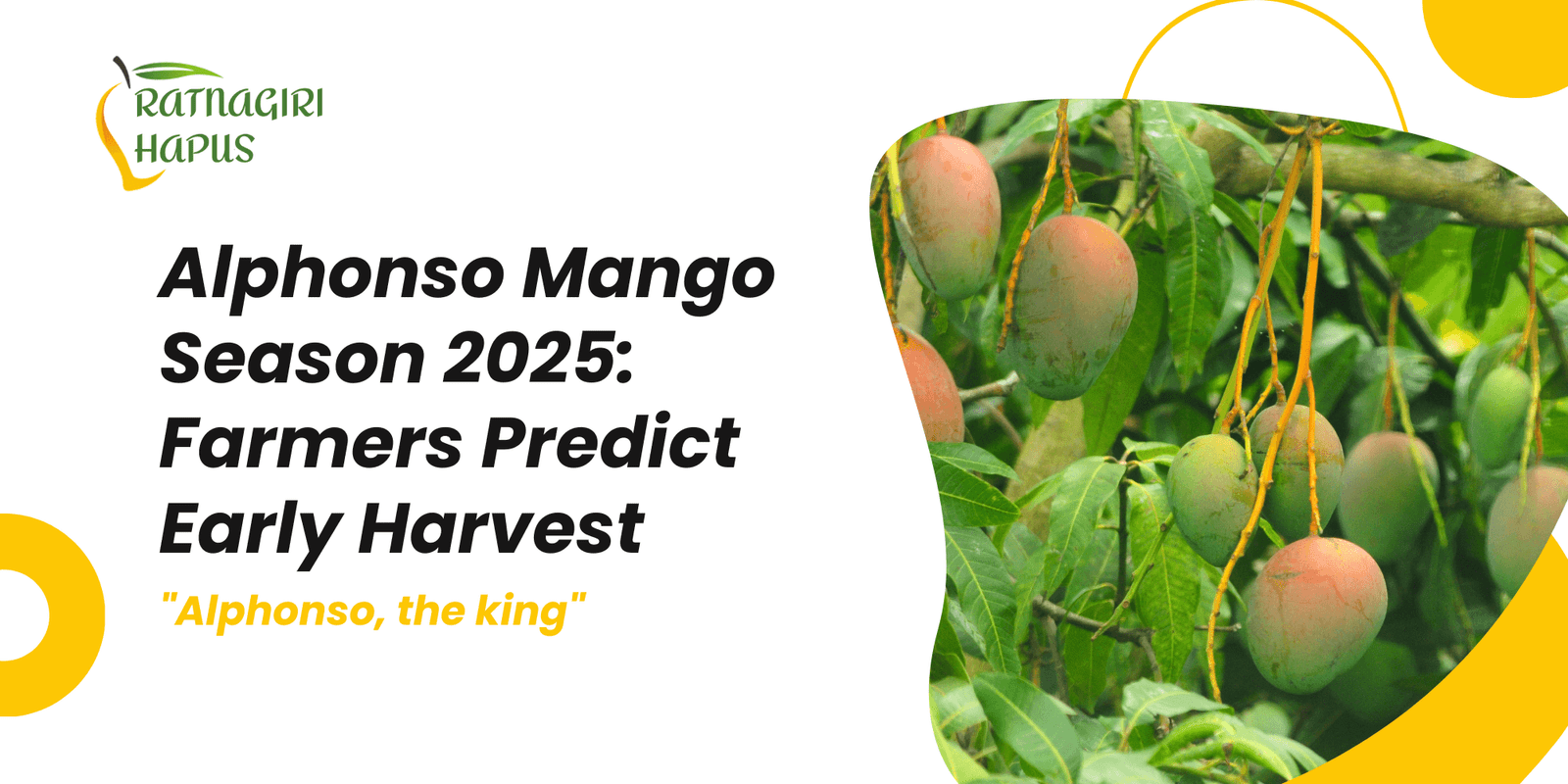
Alphonso Mango Season 2025: Farmers Predict Early Harvest

Alphonso Mango Season 2025: Farmers Predict Early Harvest

The Alphonso mango season is highly anticipated every year. In 2025, farmers predict the harvest will begin in the last week of February. This marks the start of a season that promises sweetness, richness, and unmatched flavor. Alphonso Mango Season 2025: Farmers Predict Early Harvest

Why Will the Harvest Start Early in 2025?

Favorable weather conditions, including timely rains and ideal temperatures, have set the stage for an early harvest. Farmers in Ratnagiri and Devgad report excellent flowering, which signals a promising yield. However, since mango production depends heavily on climate, it’s wise to keep a one to two-weeks buffer for unforeseen delays.

Growth in Demand: Insights from Previous Years

Demand for Alphonso mangoes has risen significantly in recent years.

  • 2023: Exports increased by 15%, driven by popularity in Europe and the Middle East.
  • 2024: Domestic consumption grew by 12%, with online orders contributing over 40% of sales.
  • 2025 Projections: Experts predict a 20% growth in sales due to early arrivals and higher yields.

Ratnagiri Hapus Store: The Trusted Mango Destination

For genuine Alphonso mangoes, Ratnagiri Hapus Store is a top choice. They source mangoes directly from experienced farmers in Ratnagiri and Devgad. The store ensures naturally ripened, carbide-free mangoes, maintaining both quality and authenticity.

By employing innovative logistics, they minimize wastage and deliver fresh, premium mangoes. Their offerings include Alphonso mango pulp and flavored cashews, perfect for enjoying mango goodness year-round.

Alphonso Mango Season 2025: Farmers Predict Early Harvest

What Sets Alphonso Mangoes Apart?

The unique coastal climate and mineral-rich soil of Ratnagiri and Devgad create mangoes with unparalleled sweetness and buttery texture. Their vibrant golden-yellow color, paired with a tropical flavor profile, makes them stand out globally.

FAQs About Alphonso Mango Season 2025

1. When will Alphonso mangoes be available in 2025?
The harvest is expected to start in the last week of February, with fresh mangoes reaching markets by early March. Keep a one-week buffer for possible weather-related delays.

2. How can I ensure my mangoes are authentic?
Buying from trusted sellers like Ratnagiri Hapus Store ensures you get genuine, premium-quality Alphonso mangoes.

3. What makes Ratnagiri mangoes special?
Their non-fibrous texture, naturally ripened quality, and rich flavor are unmatched, thanks to the region’s unique climate and soil.

4. Are there other products I can buy from Ratnagiri Hapus Store?
Yes, they also offer Alphonso mango pulp and flavored cashews, allowing you to enjoy mango-inspired treats year-round.

Tips for Early Buyers

Consumers eagerly awaiting the season should consider pre-ordering. This ensures access to fresh, authentic mangoes as soon as they hit the market.

Why 2025 Is a Season to Remember

An early start, excellent crop conditions, and increasing demand make this year a landmark for Alphonso mango lovers. Don’t miss out—secure your share of the King of Fruits by ordering from trusted sources like Ratnagiri Hapus Store.

Alphonso Mango Season 2025: Farmers Predict Early Harvest

Posted on Leave a comment

Why Ratnagiri Hapus Store is the Top Choice for Alphonso Mangoes in India

When it comes to indulging in the luscious sweetness of Alphonso mangoes, discerning consumers across India turn to Ratnagiri Hapus Store. With a legacy of delivering premium quality Ratnagiri Hapus and Devgad Hapus mangoes in various sizes, Ratnagiri Hapus Store has earned its reputation as the first choice for mango enthusiasts nationwide.

1. Unrivaled Quality:

At Ratnagiri Hapus Store, we take immense pride in sourcing only the finest Alphonso mangoes from the renowned regions of Ratnagiri and Devgad. Our stringent quality control measures ensure that each mango meets our strict standards of ripeness, sweetness, and flavor. From Jumbo to Small sizes, every mango undergoes thorough inspection to guarantee a delightful eating experience for our customers.

2. Wide Range of Varieties:

We understand that mango preferences vary among consumers. That’s why we offer a diverse range of Alphonso mango varieties, including Ratnagiri Hapus and Devgad Hapus, in different sizes to cater to every taste and requirement. Whether you prefer the larger-than-life Jumbo mangoes or the more petite Small mangoes, Ratnagiri Hapus Store has something for everyone.

3. Convenient Online Shopping:

In today’s fast-paced world, convenience is key. Ratnagiri Hapus Store makes it effortless for customers to purchase their favorite Alphonso mangoes with just a few clicks. Our user-friendly website, www.ratnagirihapus.store, allows customers to explore our product range, select their preferred mangoes, and place orders from the comfort of their homes. With secure payment options and prompt delivery services, we ensure a seamless shopping experience from start to finish.

4. Commitment to Customer Satisfaction:

At the heart of Ratnagiri Hapus Store lies a deep commitment to customer satisfaction. We go above and beyond to exceed our customers’ expectations at every step of their mango-buying journey. From providing detailed product information to offering responsive customer support, we strive to make each interaction with the Ratnagiri Hapus Store delightful. Our dedication to quality, reliability, and integrity has earned us the trust and loyalty of countless mango aficionados nationwide.

5. Emphasis on Freshness:

At Ratnagiri Hapus Store, freshness is paramount. We work closely with local farmers in Ratnagiri and Devgad to ensure that our mangoes are harvested at the peak of ripeness and promptly delivered to our customers. By minimizing the time between harvesting and delivery, we guarantee that our mangoes retain their natural sweetness, aroma, and nutritional value. With Ratnagiri Hapus Store, you can trust that you’re enjoying the freshest Alphonso mangoes straight from the orchards to your table.

6. Sustainable Practices:

We are committed to sustainable agricultural practices that prioritize environmental conservation and community well-being. Our mango cultivation methods prioritize soil health, water conservation, and biodiversity preservation to ensure the long-term sustainability of our orchards. By supporting Ratnagiri Hapus Store, you’re not just indulging in delicious mangoes – you’re also contributing to the preservation of India’s rich agricultural heritage and the livelihoods of local farming communities.

7. Culinary Inspiration:

Beyond simply providing mangoes, Ratnagiri Hapus Store aims to inspire culinary creativity and appreciation for this beloved fruit. Our website features a wealth of recipes, tips, and serving suggestions to help you make the most of your Alphonso mango experience. From refreshing smoothies and decadent desserts to savory salads and tangy chutneys, there’s no limit to the culinary delights you can create with our premium mangoes. Join us on a journey of gastronomic exploration and elevate your mango game with Ratnagiri Hapus Store.

8. Community Engagement:

As a socially responsible brand, Ratnagiri Hapus Store is deeply committed to giving back to the communities that nurture our mangoes. We actively participate in community development initiatives, educational programs, and agricultural training workshops to empower local farmers and improve livelihoods. By supporting Ratnagiri Hapus Store, you’re not just investing in superior mangoes – you’re also contributing to the social and economic development of rural India.

Conclusion:

Ratnagiri Hapus Store is more than just a place to buy mangoes – it’s a destination where quality, sustainability, and community come together to celebrate the essence of Alphonso mangoes. With our unwavering commitment to freshness, sustainability, culinary inspiration, and community engagement, we continue to set the standard for excellence in the world of mangoes. Join us in savouring the finest Alphonso mangoes and making a positive impact on the world around us. Experience the Ratnagiri Hapus Store difference today!

Posted on Leave a comment

Exploring Cashew Nuts’ Uses, Benefits, and Potential Side Effects

Ratnagiri Alphonso Mango

Cashew nuts, with their rich and buttery flavor, have gained popularity worldwide as a versatile and nutritious snack. Besides being delicious, cashews offer a range of health benefits. However, it’s essential to understand both the positive aspects and potential side effects before incorporating them into your diet. In this blog post, we will delve into the various uses, benefits, and precautions associated with cashew nuts, allowing you to make informed decisions about their consumption.

Culinary Uses:

Cashew nuts are incredibly versatile in the culinary world. They can be enjoyed raw, roasted, salted, or even in the form of cashew butter. Cashews are a popular ingredient in both sweet and savory dishes. They add a delightful crunch to salads, stir-fries, and curries, while also enhancing the texture and flavor of baked goods, desserts, and smoothies.

Nutritional Profile:

Cashew nuts are packed with essential nutrients. They are a rich source of healthy fats, including monounsaturated fats, which contribute to heart health. Cashews are also abundant in protein, fiber, vitamins, and minerals such as magnesium, phosphorus, copper, and zinc. Incorporating cashews into your diet can provide a wide range of nutrients that support overall well-being.

Heart Health Benefits:

The healthy fats found in cashews, including monounsaturated and polyunsaturated fats, have been linked to cardiovascular health benefits. Regular consumption of cashews, as part of a balanced diet, may help lower LDL (bad) cholesterol levels and reduce the risk of heart disease. However, moderation is key due to their calorie density.

Weight Management:

Contrary to popular belief, cashew nuts can be a part of a healthy weight management plan when consumed in appropriate portions. The combination of protein, fiber, and healthy fats in cashews helps promote feelings of fullness and satiety, potentially reducing overeating and aiding in weight control. However, it’s important to be mindful of portion sizes to avoid excessive calorie intake.

Nutrient Absorption:

Cashews contain significant amounts of dietary fats, which can aid in the absorption of fat-soluble vitamins like vitamins A, D, E, and K. Incorporating cashews into meals that contain these vitamins can potentially enhance their bioavailability and optimize nutrient absorption in the body.

Precautions and Allergies:

While cashews offer numerous benefits, it’s crucial to be aware of potential allergies and precautions. Cashew allergies are not uncommon, and individuals with known tree nut allergies should exercise caution. Allergic reactions to cashews can range from mild symptoms like itching and hives to severe reactions that require immediate medical attention. If you have a known allergy or are unsure, consult a healthcare professional before consuming cashews.

Moderation and Portion Control:

Cashews are energy-dense due to their high fat content, meaning they contain a significant amount of calories per serving. While the fats are healthy, excessive consumption can lead to weight gain. Therefore, it’s important to practice portion control and incorporate cashews into a well-balanced diet without overindulging.

Oxalate Content:

Cashews, like many other nuts, contain oxalates, naturally occurring compounds that can contribute to the formation of kidney stones in susceptible individuals. If you have a history of kidney stones or are at risk, it’s advisable to moderate your cashew intake and consult a healthcare professional for personalized guidance.

Conclusion:

Cashew nuts are a delicious and nutritious addition to a well-rounded diet. With their culinary versatility and health benefits, they can be enjoyed in moderation as a satisfying snack or ingredient in various dishes. However

Read More Blog

Posted on Leave a comment

Unveiling the Top 10 Benefits of Cashew Nuts

Cashew nuts, with their creamy texture and rich taste, are not only a delightful snack but also offer a multitude of health benefits. From promoting heart health to boosting nutrient intake, cashew nuts are a powerhouse of nutrients that can enhance your overall well-being. In this blog post, we will explore the top 10 benefits of cashew nuts, showcasing why they deserve a place in your healthy diet.

Heart Health:

Cashew nuts are a heart-healthy choice. They contain monounsaturated fats, which can help lower LDL (bad) cholesterol levels and reduce the risk of heart disease. The presence of magnesium in cashews further supports cardiovascular health by maintaining normal blood pressure levels and promoting proper heart function.

Rich in Essential Nutrients:

Cashew nuts are packed with essential nutrients. They are a good source of protein, dietary fiber, healthy fats, vitamins, and minerals. Consuming cashew nuts as part of a balanced diet can provide a wide array of nutrients, including vitamin E, B vitamins, copper, zinc, and magnesium, which support various bodily functions.

Weight Management:

Despite being relatively high in calories, cashew nuts can be beneficial for weight management. The combination of protein, fiber, and healthy fats in cashews helps promote feelings of fullness and satiety, preventing excessive snacking and aiding in weight control when consumed in moderation.

Antioxidant Protection:

Cashew nuts are rich in antioxidants, including vitamin E and selenium, which help protect the body against oxidative stress and damage caused by free radicals. These antioxidants play a vital role in reducing inflammation, supporting immune function, and preventing chronic diseases.

Bone Health:

Cashew nuts contribute to healthy bones due to their mineral content, particularly calcium, magnesium, and phosphorus. These minerals are essential for maintaining strong bones and preventing conditions such as osteoporosis. Regular consumption of cashews can support bone health and reduce the risk of fractures.

Boosted Immunity:

Cashew nuts are packed with vitamins and minerals that support a strong immune system. The presence of zinc, iron, copper, and antioxidants in cashews aids in immune function, protecting the body against infections, and promoting overall health.

Improved Brain Function:

The combination of healthy fats, vitamins, and minerals in cashews supports brain health and cognitive function. The presence of magnesium, vitamin E, and antioxidants helps improve memory, concentration, and overall brain performance.

Healthy Skin and Hair:

Cashew nuts contain nutrients that promote healthy skin and hair. The presence of antioxidants, including vitamin E, helps combat oxidative stress and contributes to youthful-looking skin. The healthy fats in cashews also nourish the scalp and promote healthy hair growth.

Blood Sugar Regulation:

Despite their slightly sweet taste, cashew nuts have a low glycemic index, meaning they cause a slow and steady rise in blood sugar levels. This makes them a suitable snack option for individuals with diabetes or those aiming to manage blood sugar levels.

Reduced Risk of Gallstones:

Regular consumption of cashew nuts has been associated with a lower risk of gallstone formation. The healthy fats in cashews help regulate cholesterol metabolism, reducing the likelihood of gallstone development.

Conclusion:

Incorporating cashew nuts into your diet can provide a multitude of benefits, ranging from heart health and weight management to improved brain function and enhanced immunity. Remember to enjoy cashew nuts in moderation as part of a balanced diet to fully reap their incredible nutritional advantages.

Read More Blog

Posted on Leave a comment

The Juicy Delights: Unveiling the Health Benefits of Ratnagiri Hapus Mangoes

Indulging in the sweet, succulent taste of Ratnagiri Hapus Mangoes is an experience that captures the essence of summer. These tropical delights not only satisfy your taste buds but also offer an array of health benefits. In this article, we will explore the numerous advantages of consuming Ratnagiri Hapus Mango, highlighting their nutritional value and impact on overall well-being. So, let’s delve into the world of these luscious mangoes and uncover the remarkable Health Benefits of Ratnagiri Hapus Mangoes.

The Nutritional Powerhouse of Ratnagiri Hapus Mangoes

A Bounty of Vitamins and Minerals

  • Ratnagiri Hapus Mango are a rich source of vitamins A, C, and E, essential for maintaining healthy skin, boosting the immune system, and supporting vision.
  • These mangoes also contain an abundance of minerals like potassium, magnesium, and copper, promoting proper heart function and regulating blood pressure.

Fiber-Filled Goodness

  • Ratnagiri Hapus Mango are packed with dietary fiber, aiding digestion, preventing constipation, and promoting a healthy gut.
  • The high fiber content in these mangoes also contributes to weight management and reduces the risk of certain diseases, such as diabetes and heart ailments.

The Sweet Elixir for a Healthy Heart

Heart-Protective Antioxidants

  • Ratnagiri Hapus Mango contain powerful antioxidants like quercetin, astragalin, and gallic acid, which help reduce the risk of heart diseases by combating oxidative stress and inflammation.
  • Regular consumption of these mangoes may lower cholesterol levels and improve overall cardiovascular health.

Blood Pressure Regulation

  • The abundance of potassium in Ratnagiri Hapus Mangoes supports the proper functioning of the heart and helps regulate blood pressure, reducing the risk of hypertension and related complications.

Enhancing Immunity and Fighting Diseases

Strengthening the Immune System

  • The high vitamin C content in Ratnagiri Hapus Mango boosts the immune system, protecting the body against various infections and diseases.
  • These mangoes also contain beta-carotene, a powerful antioxidant that strengthens the immune system and aids in the production of white blood cells.

Cancer-Fighting Properties

  • Ratnagiri Hapus Mangoes are rich in polyphenols, such as quercetin, isoquercitrin, and gallic acid, known for their anti-cancer properties.
  • Regular consumption of these mangoes may help reduce the risk of certain cancers, including breast and colon cancer.

In conclusion, Ratnagiri Hapus Mangoes are not just a delightful summer treat, but also a treasure trove of health benefits. From their impressive nutritional profile to their positive impact on heart health, immunity, and digestion, these mangoes are a true gift from nature. So, savor the taste of these juicy wonders and embrace the remarkable Health Benefits of Ratnagiri Hapus Mangoes, making your journey towards a healthier lifestyle all the more enjoyable and delicious.

Read More Blog

Â