Posted on Leave a comment

Mango Mocktails: Low‑Sugar Alphonso Drinks for Health‑Conscious Millennials

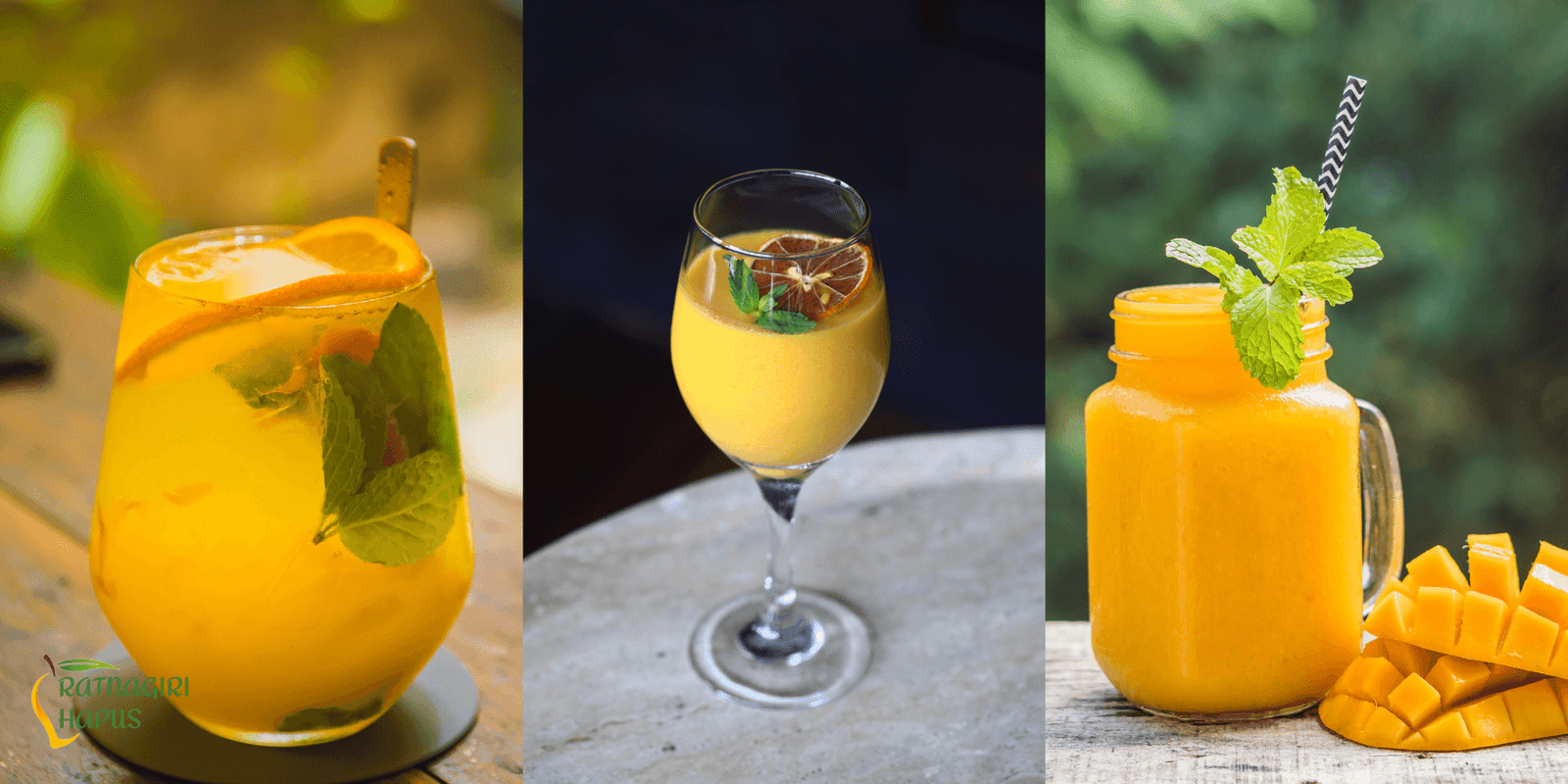
Alphonso mangoes already top every fruit lover’s list, but the new wave of health‑conscious millennials wants flavor without the sugar crash. Enter low‑sugar mango mocktails—fresh, bright, and packed with the natural sweetness of Alphonso pulp. These drinks skip refined syrups and embrace whole ingredients, sparkling water, and guilt‑free sweeteners. Whether you’re hosting a brunch, winding down after yoga, or simply craving a hydrating pick‑me‑up, these five recipes keep calories in check while delivering that unmistakable Hapus taste.

Why Choose Alphonso for Mocktails?

Alphonso mangoes provide a naturally sweet, floral note that needs very little extra sugar. With a Brix reading of 18–22, they lend enough body to balance soda or tonic water. Their vibrant saffron hue also makes every glass pop on social media feeds—no artificial coloring required. When you rely on GI‑certified Ratnagiri or Devgad pulp, you support farmers who ripen fruit naturally without chemicals.

The Low‑Sugar Rulebook

Swap sugary mixers for:

  • cold‑pressed Alphonso pulp or unsweetened fresh juice
  • stevia, monk fruit, or a drizzle of raw honey if a recipe needs more sweetness
  • sparkling water, kombucha, or coconut water instead of soda
  • fresh herbs, citrus wedges, and spices to add flavor without calories

Five Easy Mocktails (Serves 1 each)

1. Sparkling Saffron Mango Cooler

Ingredients
3 tbsp Alphonso pulp
200 ml chilled sparkling water
juice of half a lime
1 pinch saffron threads
crushed ice

Method
Stir pulp, lime juice, and saffron in a tall glass. Add ice, top with sparkling water, and gently swirl. Garnish with a lime wheel. Each glass clocks in under 60 kcal and feels festive enough for any party.

2. Mango‑Mint Kombucha Fizz

Ingredients
¼ cup unsweetened green‑tea kombucha
2 tbsp Alphonso pulp
5 fresh mint leaves, torn
100 ml chilled still water
ice cubes

Method
Muddle mint with pulp, add kombucha, then pour water and stir. Drop in ice cubes and garnish with a mint sprig. The tangy kombucha adds probiotics, while Alphonso rounds out the flavor with no added sugar.

3. Coconut‑Mango Hydrator

Ingredients
½ cup tender coconut water
2 tbsp Alphonso pulp
1 tsp chia seeds, soaked 10 min
splash of lime

Method
Combine coconut water, pulp, and soaked chia in a mason jar. Add lime, shake, and chill for ten minutes so chia forms a light gel. This mocktail offers electrolytes, fiber, and no refined sugar—ideal after a workout.

4. Chili‑Lime Alphonso Spritz

Ingredients
3 tbsp Alphonso pulp
pinch of red chili flakes
200 ml club soda
juice of half a lime
salt for the rim

Method
Run a lime wedge around the rim, dip the glass in salt, then add pulp, lime juice, and chili flakes. Fill with soda and give a quick stir. The sweet‑spicy hit satisfies snack cravings with only 40 kcal per serving.

5. Ginger‑Turmeric Mango Tonic

Ingredients
150 ml sugar‑free ginger ale
2 tbsp Alphonso pulp
¼ tsp grated fresh turmeric
dash of black pepper
lemon twist

Method
Whisk pulp, turmeric, and pepper until smooth. Add ice, pour ginger ale, and garnish with a lemon twist. Turmeric’s earthy note pairs surprisingly well with Alphonso, while black pepper increases curcumin absorption.

Pro Tips for Perfect Mocktails

  • Use chilled ingredients for maximum fizz and minimum dilution.
  • Blend pulp in a blender for a silky texture if your pulp feels thick.
  • Store opened pulp in an airtight glass jar and finish within seven days.
  • Batch for parties by multiplying each recipe and mixing just before serving to keep carbonation lively.

Where to Get Pure Alphonso Pulp

For a faithful Hapus experience, choose naturally ripened, GI‑tagged Alphonso pulp from trusted sources like RatnagiriHapus.Store. Each tin is additive‑free, packed at source, and shipped nationwide in tamper‑proof boxes.

The Healthy Bottom Line

Low‑sugar mocktails bridge the gap between indulgence and wellness, letting you enjoy India’s finest mango throughout the year. With Alphonso’s robust natural sweetness, you need little else to craft refreshing drinks that fit calorie goals and clean‑label preferences.

Posted on Leave a comment

Alphonso Mango Brix: Measuring Sweetness in Alphonso Mangoes

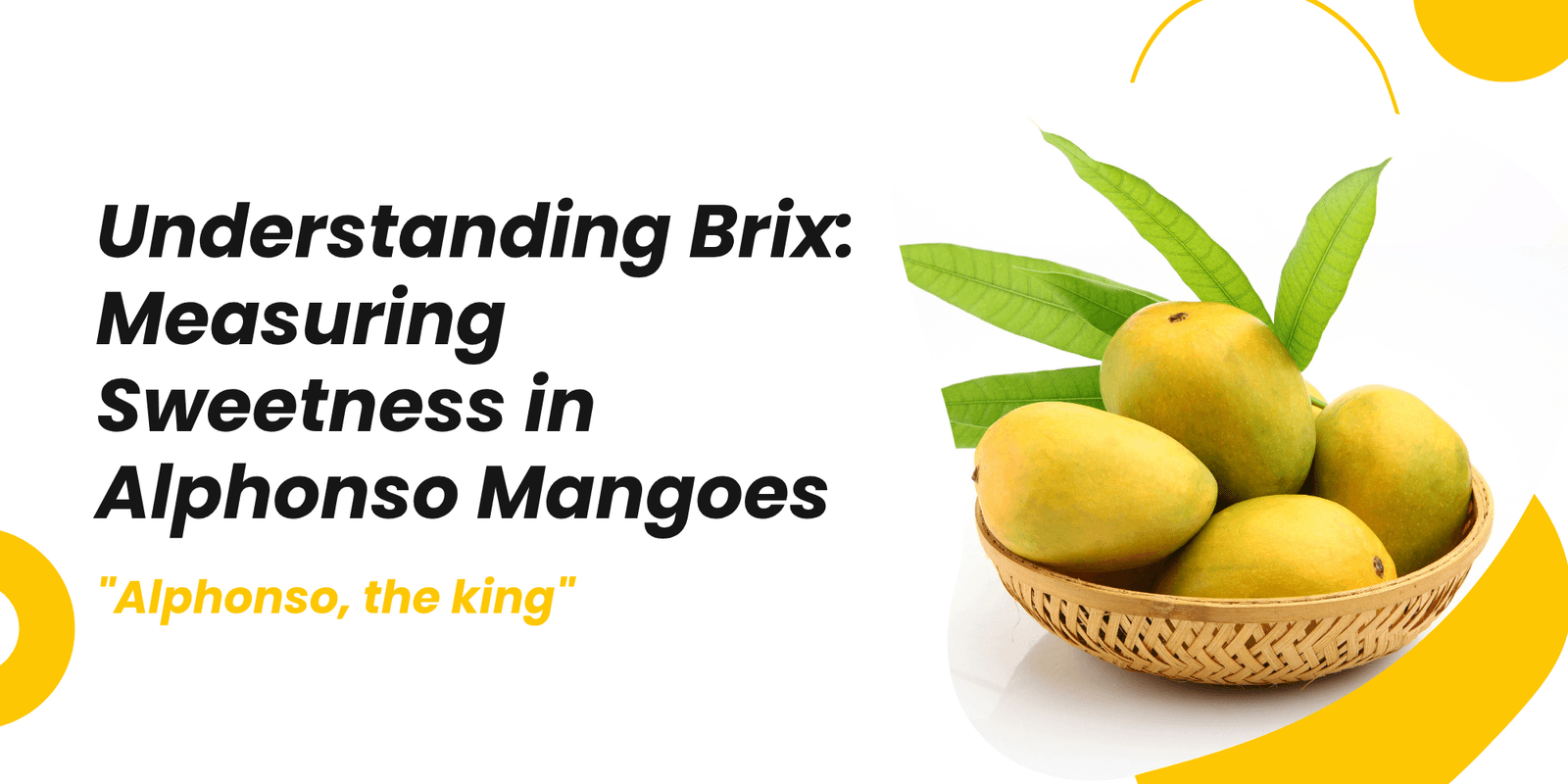
Understanding Brix: Measuring Sweetness in Alphonso Mangoes

When you bite into a perfectly ripe Alphonso mango, one of the first sensations you notice is its sweetness. But have you ever wondered how farmers and quality experts actually measure that sweetness? The answer lies in a simple scientific term—Brix (sometimes spelled “brik”). Knowing a mango’s Brix level helps growers time their harvest, assures exporters of quality, and gives consumers a reliable gauge of flavor.

Alphonso Mango Brix

What Is Brix?

Brix is a unit that indicates the percentage of soluble solids—mainly natural sugars—in fruit juice. A reading of 20 °Brix means there are 20 grams of sugar per 100 grams of juice. For Alphonso mangoes, Brix typically ranges from 18 ° to 22 °, the zone where the fruit tastes richly sweet but still balanced.

How Brix Is Measured

Growers use a handheld refractometer. They place a few drops of mango juice on its glass prism, close the lid, and hold it up to the light. The instrument bends (refracts) light at an angle proportional to sugar content and displays the Brix value instantly. Because a refractometer is pocket-sized, farmers can roam through the orchard, sampling fruit as the season progresses.

Why Brix Matters to Farmers

  1. Optimal Harvest Timing: If the average Brix across sample fruits reaches 18 °, farmers know the mangoes have achieved peak sweetness.
  2. Batch Consistency: Export pack-houses often set a minimum Brix threshold, rejecting batches that fall short to maintain brand reputation.
  3. Pricing Advantage: A high Brix score can fetch premium prices in both domestic and international markets, rewarding growers for careful cultivation.

Why Consumers Should Care

A high Brix number translates directly to a richer, more satisfying flavor. It also signals that the mango has ripened naturally, allowing sugars to develop fully on the tree or during hay ripening. When shopping online or at a fruit market, asking about Brix can help ensure you’re buying fruit at its peak.

Alphonso Mango Brix

Factors That Influence Brix in Alphonso Mangoes

  • Sunlight: Trees with good canopy exposure produce sweeter fruit.
  • Soil Health: Balanced nutrients and organic matter foster optimal sugar synthesis.
  • Irrigation: Controlled, minimal watering before harvest concentrates sugars.
  • Climate Conditions: A stable temperature range during ripening promotes higher Brix.

Ratnagiri Hapus Store and Brix Testing

Our partner orchards in Ratnagiri and Devgad routinely take Brix readings before harvest. We ship only those lots that meet or exceed 18 °Brix, guaranteeing a sweet, authentic Alphonso experience. Each batch is traceable, so customers know they’re receiving fruit picked at the right moment.

Quick Tips for Mango Lovers

  • Ask for Numbers: Serious sellers won’t hesitate to share Brix data.
  • Feel and Smell: A naturally ripened, high-Brix mango yields slightly under gentle pressure and emits a fragrant aroma at the stem end.
  • Store Smartly: Keep ripe fruit at room temperature for immediate use or refrigerate to slow further softening.

Understanding Brix turns mango buying from guesswork into an informed choice. Whether you’re a farmer aiming for quality certification or a consumer craving that perfect bite, sugar levels tell a sweet story—one that begins in the orchard and ends on your table.

Posted on Leave a comment

Zero-Waste Mango: Turning Peels and Seeds into Value-Added Products

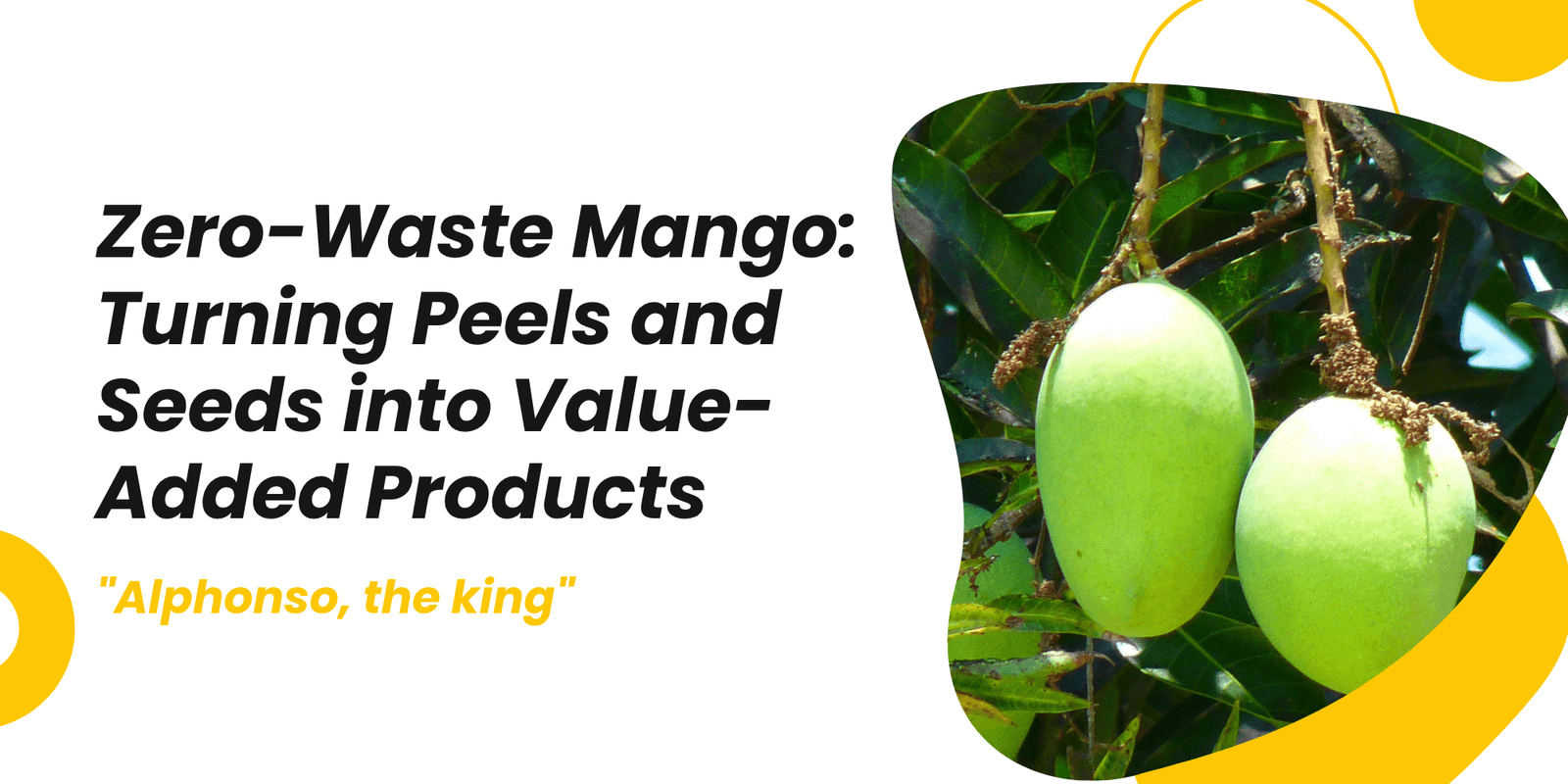
Zero-Waste Mango: Turning Peels and Seeds into Value-Added Products

Every summer, millions of Alphonso mangoes reach households, restaurants, and processing factories. After the juicy pulp is enjoyed or canned, up to 40 percent of each fruit—mainly peel and seed—often ends up as waste. Forward-thinking farmers, startups, and food brands are now proving that mango leftovers can become valuable resources rather than landfill. From nutraceutical powders to biodegradable tableware, here’s how a zero-waste approach is reshaping the mango industry.

Peels: A Hidden Source of Nutrition and Color

Mango peels are rich in dietary fiber, antioxidants, and natural pigments. Instead of discarding them, processors wash, dry, and mill the skins into a fine flour that can:

  • boost fiber in baked goods such as cookies and energy bars
  • add natural yellow-orange color to pasta or snack coatings
  • serve as a functional ingredient in animal feed, reducing reliance on imported maize

Some cosmetic brands even extract mangiferin—a skin-loving antioxidant—from peel flour to craft anti-aging serums.

Seeds: From Kitchen Waste to High-Value Oil

Inside every mango seed lies a kernel packed with fats similar to cocoa butter. When cold-pressed, the kernel produces a light, non-greasy oil ideal for:

  • plant-based chocolate and vegan spreads
  • premium soap and body-butter formulations
  • natural hair conditioners and scalp treatments

The residual seed cake, still rich in protein, can be added to livestock feed or converted into bio-char for soil enrichment.

Bioplastics and Tableware

Researchers have found that combining mango peel starch with vegetable fibers yields a sturdy, compostable bioplastic. Pilot units in Maharashtra are molding this bioplastic into plates, cutlery, and takeaway bowls—perfect for cafés keen on reducing single-use plastic.

Fermented Beverages and Vinegar

Fermenting leftover peels and pulp trimmings creates a tangy vinegar high in fruit esters. Chefs use this mango vinegar in salad dressings and marinades, while microbreweries experiment with peel-infused kombucha and hard seltzers.

Energy and Enzyme Production

Anaerobic digesters placed at large pulp factories convert mango residues into biogas, supplying up to 30 percent of on-site steam needs. Small-scale units ferment peels to produce pectinase and cellulase enzymes, which are then sold back to juice plants for clarification processes—closing the loop.

How Farmers Benefit

When processors pay for peel and seed deliveries, orchard collectives gain an extra income stream equal to 3-5 percent of fresh-fruit value. This bonus covers orchard-floor cleanup costs and incentivizes growers to segregate residues hygienically, improving overall food safety.

What Ratnagiri Hapus Store Is Doing

Our partner pack-houses channel dried peels to a nearby nutraceutical mill and ship seeds to a women-led cooperative that presses cosmetic-grade oil. By 2026 we aim to certify every supplier under a zero-waste protocol, ensuring that no part of the Alphonso goes unused.

Consumer Tips for Home Use

  • Sun-dry clean peels, grind them, and add a tablespoon to smoothie bowls for extra fiber.
  • Roast washed seeds in an oven; crack them open, and toast the kernels for a nutty snack.
  • Steep fresh peels in vinegar for a week to create a fragrant cleaning solution.

The Bigger Picture

India exports more than 50,000 metric tons of processed mango every year. If even half of the resulting peel and seed by-products are up-cycled, the country could unlock an estimated ₹300 crore in new revenue, reduce greenhouse emissions from decomposition, and support thousands of rural jobs.

Zero-waste mango isn’t just a sustainability slogan; it’s a practical blueprint for turning every part of the fruit into value. Next time you enjoy an Alphonso or order pulp online, remember—the story shouldn’t end with the trash bin.

Posted on Leave a comment

A Farmer’s Perspective: Growing the Perfect Hapus Mango

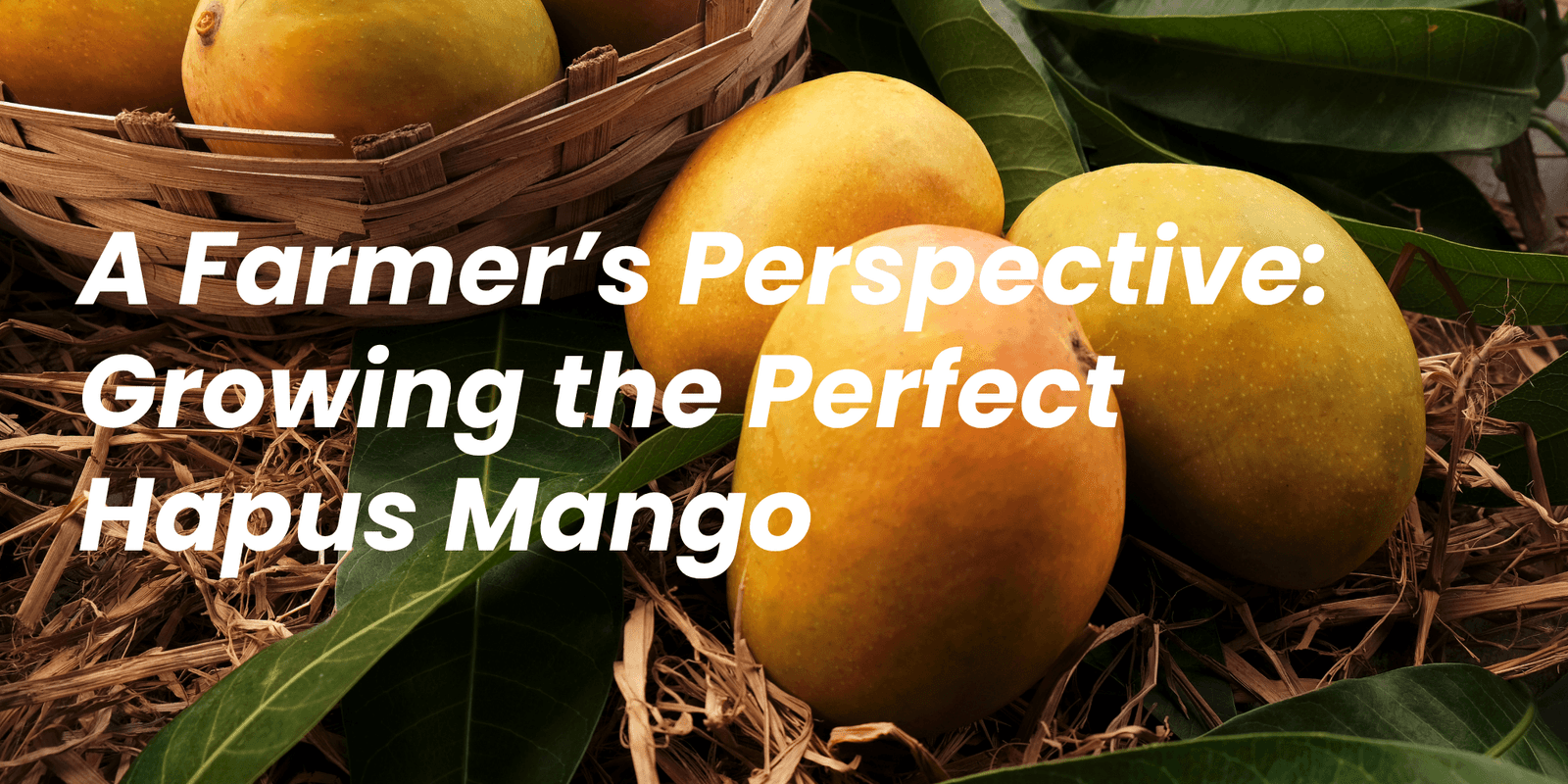
A Farmer’s Perspective: Growing the Perfect Hapus Mango

When you bite into a sweet, golden slice of Hapus mango, you taste not just fruit but the hard work of generations. For many farmers in the Konkan belt, especially in Ratnagiri and Devgad, growing Alphonso mangoes (fondly called “Hapus”) isn’t just a seasonal activity—it’s a way of life. Let us understand A Farmer’s Perspective: Growing the Perfect Hapus Mango

Deep Roots in the Konkan Soil

The perfect Hapus mango begins with the perfect soil. The laterite-rich red soil of Ratnagiri and Sindhudurg districts, combined with the sea breeze and moderate rainfall, creates a unique environment for this fruit. Farmers here rely on traditional methods passed down over generations, while slowly incorporating scientific knowledge to improve yield without compromising on quality.

Growing the Perfect Hapus Mango

The Role of Climate and Natural Ripening

Hapus mango farming is highly sensitive to climate. Farmers closely monitor flowering (mohar), which usually begins between October and December. The temperature, rainfall, and even unexpected heat waves can dramatically affect the flowering and fruiting process. A sudden rise in temperature during mohar can burn flowers, resulting in fewer mangoes. This is why careful planning, organic pest control, and timely irrigation are essential.

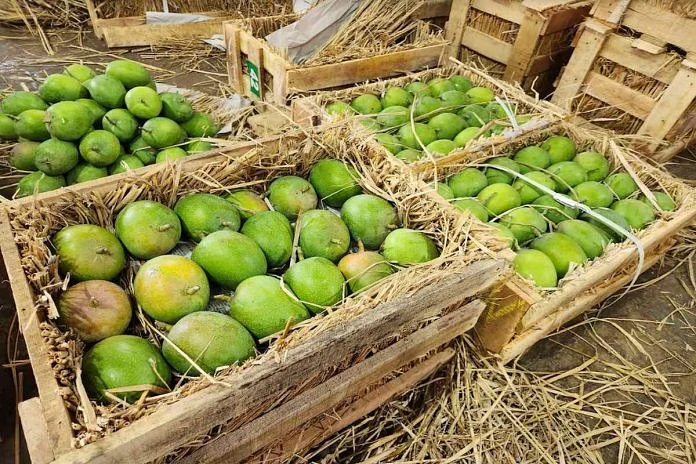
Unlike many commercial mangoes, true Hapus mangoes are naturally ripened. Farmers use traditional grass beds to ripen mangoes gradually, without using chemicals. This natural process preserves the authentic taste, aroma, and texture that makes Alphonso so special.

Getting the Right Price for Quality

Farmers often struggle to receive fair prices, especially when cheap mangoes from other regions are falsely sold as Ratnagiri or Devgad Hapus. However, platforms like Ratnagiri Hapus Store are changing this. By sourcing directly from farms and selling online across India, they ensure that farmers are paid fairly and customers receive genuine, GI-certified Hapus mangoes.

This not only creates trust but also motivates farmers to continue growing high-quality, naturally ripened produce. Over 20,000 customers have been served through this model, proving that with the right system, traditional farming and modern distribution can work hand in hand.

Growing the Perfect Hapus Mango

Passion Meets Precision

Growing Hapus mangoes is more than a profession—it’s a passion. Farmers spend years nurturing trees, protecting them from pests, and ensuring the fruit meets the highest quality standards. Many even name their trees, tending to them like family.

This dedication reflects in every mango you taste. Behind every juicy bite is a story of patience, perseverance, and pride.

The Road Ahead

As climate conditions shift and consumer expectations rise, farmers continue to adapt. With help from cooperatives, government support, and customer awareness, they are hopeful that the legacy of Hapus mangoes will not only survive but thrive.

So, next time you savor a Ratnagiri or Devgad Hapus, remember the hands that made it possible. And if you want the real deal—naturally ripened, fresh, and directly from the Konkan farms—head to Ratnagiri Hapus Store. You won’t just be buying mangoes; you’ll be supporting a farmer’s dream.

Growing the Perfect Hapus Mango

Posted on Leave a comment

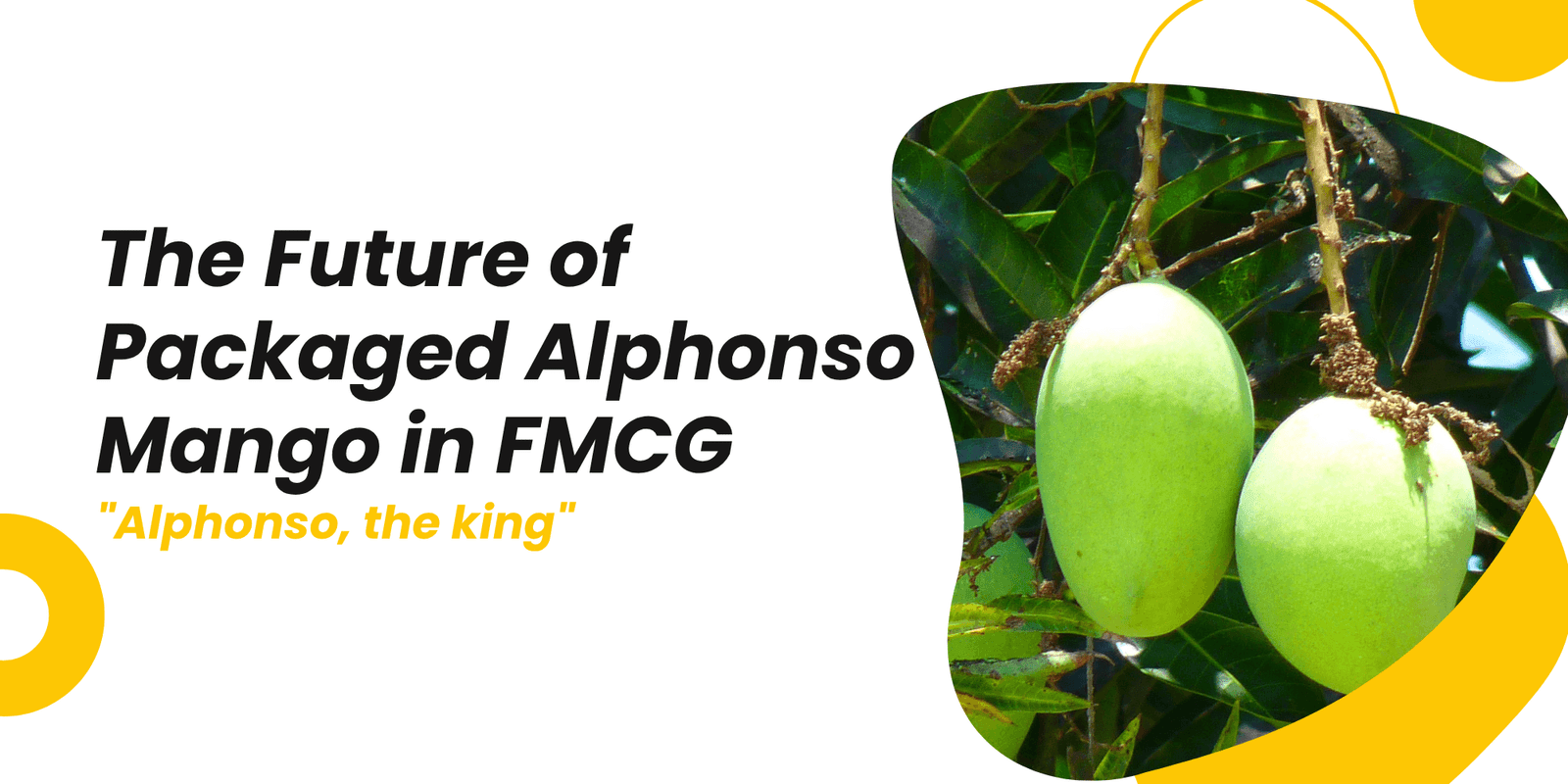
Beyond Fresh: The Future of Packaged Alphonso Mango in FMCG

Alphonso mangoes—popularly known as Hapus—have long ruled the hearts (and taste buds) of fruit lovers in India and around the world. Their rich aroma, creamy texture, and unmatched sweetness have made them the undisputed king of mangoes. Traditionally enjoyed fresh during the short summer season, Alphonso mangoes are now making a significant mark in the FMCG (Fast-Moving Consumer Goods) sector through innovative packaged products.

But what’s driving this shift, and what does the future look like for Alphonso mango in packaged form? Let’s explore.

🌱 The Challenge of Seasonality

Alphonso mangoes are seasonal, available only for a few months—mainly between March and June. This short window creates limitations for both consumers and businesses. Once the season ends, the craving for Alphonso often remains unmet.

Enter the world of packaged Alphonso mango products—a growing segment within FMCG that is bridging this seasonal gap.

🧃 The Rise of Packaged Alphonso Mango Products

From pulp and juices to ice creams, yogurts, spreads, and energy bars, Alphonso mangoes are now part of year-round product innovations. Here are some popular formats:

  • Alphonso Mango Pulp – Used in households, restaurants, and bakeries for desserts and beverages.
  • Alphonso-based Juices & Smoothies – Natural, preservative-free drinks offering mango indulgence on the go.
  • Dairy-Infused Products – Mango-flavored milk, yogurt, shrikhand, and ice creams remain customer favorites.
  • Confectionery & Snacks – Mango-flavored chocolates, candies, protein bars, and jams have grown in demand.
  • Premium Gifting – Packaged mango pulp and sweets are now luxurious gifting options in India and overseas.

📦 Why Packaged Alphonso Works in FMCG

  1. Extended Shelf Life – Properly packaged pulp and products last longer without compromising on flavor.
  2. Consistency & Quality – Standardized packaging helps deliver the same rich taste batch after batch.
  3. Convenience – Ready-to-use and easy to store, packaged Alphonso products are perfect for modern lifestyles.
  4. Export-Ready – Processed Alphonso products comply with global food safety standards, opening up international markets.

🌍 Global Demand & Export Opportunities

The demand for Alphonso mangoes, especially from Ratnagiri and Devgad, continues to grow globally. With rising Indian diaspora and awareness of GI-tagged varieties, FMCG brands have a chance to:

  • Export Alphonso pulp and products year-round.
  • Tap into the gourmet, organic, and health food segments in countries like the USA, UK, UAE, and Singapore.
  • Partner with airlines, luxury hotels, and global retailers.

💡 Innovation Trends to Watch

  • Cold-Pressed Mango Juices – With no preservatives or added sugar.
  • Mango Protein Bars & Superfood Mixes – Blending Alphonso with seeds and nuts for healthy snacking.
  • Alphonso Kombucha & Beverages – Fusion drinks are on the rise among health-conscious consumers.
  • Eco-Friendly Packaging – Sustainable, compostable packaging to meet consumer preferences.

👨‍🌾 Empowering Farmers & Local Producers

Packaged Alphonso mango products create year-round income opportunities for mango farmers and rural processors. When companies source directly and transparently:

  • Farmers get a fair price for their harvest and pulp.
  • Post-harvest losses are reduced through proper grading and processing.
  • Local employment is boosted in sorting, pulp extraction, and packaging units.

🛍️ Brands Leading the Change

Emerging Indian brands like RatnagiriHapus.Store are entering this space by offering:

  • GI-Certified Alphonso pulp
  • Naturally ripened and processed products
  • Direct farm-to-consumer models to ensure traceability and quality

🔮 The Road Ahead

The future of Alphonso mango in the FMCG industry looks promising. As health-conscious consumers seek authenticity and flavor, packaged Alphonso products offer a rare combination of tradition, taste, and trust.

With the right processing, packaging, and promotion, Hapus can go global—not just fresh, but forever.

Want to taste the real thing even after mango season? Explore premium Alphonso mango pulp and snacks at RatnagiriHapus.Store

Posted on Leave a comment

Can You Carry Mangoes in Flights from India to Other Countries? A 2025 Guide

As mango season picks up in India, many travelers want to carry the “King of Fruits” — especially the prized Alphonso mango — to their loved ones abroad. But a common question arises: Can you carry mangoes in international flights from India? Let’s break it down.

Yes, But with Restrictions

Yes, you can carry mangoes from India on international flights — but only under specific conditions. Countries have their own rules when it comes to importing fruits due to biosecurity laws. These laws are in place to prevent pests or diseases from entering their ecosystems.

Here’s what you need to know in 2025:


1. Mangoes Must Be Irradiated and Certified

If you’re carrying mangoes to countries like the USA, UK, Australia, or New Zealand, the mangoes must go through irradiation treatment (a method to kill bacteria and pests) and come with a phytosanitary certificate issued by India’s APEDA (Agricultural and Processed Food Products Export Development Authority).

➡️ Loose mangoes or ones from a local market cannot be carried in cabin or check-in luggage to many countries.


2. Country-Specific Rules

Each country has its own regulations:

🇺🇸 United States

  • Only mangoes from APEDA-approved packhouses.
  • Must be irradiated and have a USDA stamp.
  • Carrying raw mangoes in personal baggage is not allowed without paperwork.

🇬🇧 United Kingdom

  • Commercially packed and certified mangoes are allowed.
  • Loose fruit often gets confiscated.

🇦🇺 Australia

  • Very strict biosecurity laws.
  • Mangoes must be treated and certified. No loose mangoes allowed.

🇨🇦 Canada

  • Permits mangoes with phytosanitary certificate.
  • Best to buy from authorized exporters.

3. Airline Policies May Vary

Even if the country allows mangoes, your airline might have limitations on carrying fruits in check-in or cabin luggage due to smell, leakage, or customs restrictions. Always check with your airline before traveling.


4. Customs Declarations Are a Must

If you’re carrying certified mangoes, declare them at customs upon arrival. If undeclared or uncertified fruit is found, it can lead to confiscation and possibly fines.


5. What’s the Best Way to Send Mangoes Abroad?

If you want to send mangoes to family or friends abroad, the best option is:

  • Order from licensed exporters like Ratnagiri Hapus Store who have experience with documentation and compliance.
  • They ensure the fruit is APEDA-certified, packaged correctly, and shipped via air cargo or courier to specific countries.

👉 Check out: www.ratnagirihapus.store for certified Alphonso mango export options.


Tips for Travellers

  • Don’t carry mangoes loosely in your bag.
  • Check the import laws of the destination country.
  • If permitted, pack mangoes in sealed, leak-proof boxes with documentation.
  • Declare at customs when asked, and cooperate with officers.

Final Thoughts

While carrying mangoes internationally sounds tempting, it’s important to follow the rules and respect the laws of the country you’re flying to. Getting Alphonso mangoes across borders isn’t impossible — just make sure they are certified, safe, and properly packed.

When in doubt, it’s better to order through a certified exporter who knows the ins and outs of fruit shipping globally. Enjoy the mango season without any airport troubles!

Posted on Leave a comment

Ratnagiri Payari Mango – A Hidden Gem from the Konkan Region

When we think of mangoes from Ratnagiri, the famous Alphonso or Hapus mango often steals the spotlight. However, another delicious variety, Ratnagiri Payari Mango, is gaining popularity among mango lovers. Known for its distinct taste, aroma, and juicy texture, Payari mango is a local favorite in Maharashtra and now slowly making its way into larger markets.

In this blog, let’s explore everything you need to know about the Ratnagiri Payari Mango – from its unique features, taste, harvesting season, and health benefits to why it deserves a spot on your summer fruit list.

What is Ratnagiri Payari Mango?

The Payari Mango is a traditional mango variety grown in the Ratnagiri and Konkan region of Maharashtra. It is considered the second most loved mango variety after Alphonso in this area.

Known for its:

✅ Bright yellow skin with slight red or orange blush
✅ Juicy and fiberless pulp
✅ Strong natural aroma
✅ Sweet and slightly tangy taste

The Payari mango is often used to make fresh mango pulp, aamras, and mango-based desserts because of its rich flavor and smooth texture.

Why is Payari Mango Special?

1. Natural Cultivation

Like Alphonso, Payari mangoes from Ratnagiri are grown using natural farming methods. The trees thrive in the region’s laterite-rich soil and coastal climate, which gives the fruit its unique taste and aroma.

2. Rich Pulp Perfect for Aamras

Payari mangoes are widely used in Maharashtra to prepare “Aamras”, a traditional mango pulp dish enjoyed with puris or chapatis. Many families prefer Payari mango for aamras because it gives more pulp and has a perfect balance of sweetness and tanginess.

3. Juicy and Fiberless Texture

The fruit is almost fiber-free, making it easy to consume. Its juicy pulp melts in the mouth and is perfect for shakes, smoothies, and desserts.

4. Strong Aroma

One of the standout features of Payari mango is its natural fragrance, which can easily fill a room, just like the Alphonso mango.

Ratnagiri Payari Mango Season

The Payari mango season starts slightly later than the Alphonso season. Here’s a rough timeline:

  • Season Begins: Late May
  • Peak Season: June to early July
  • Availability: Until mid-July (depending on climate)

Due to its shorter season, fresh Payari mangoes are available for a limited time, making them a must-try during the early monsoon.

How is Payari Mango Different from Alphonso?

FeatureRatnagiri Alphonso (Hapus)Ratnagiri Payari Mango
Skin ColorGolden yellow with red blushBright yellow with red blush
TasteSweet, rich, and creamySweet with a mild tang
AromaStrong fruity aromaStrong natural aroma
TextureSmooth, fiberlessJuicy, almost fiberless
Best UseEating fresh, dessertsAamras, pulp, shakes
SeasonMarch to MayMay to July

Health Benefits of Payari Mango

Rich in Vitamin A & C – Good for skin, immunity, and eyesight
High in Fiber – Aids digestion and prevents constipation
Good Source of Antioxidants – Helps fight free radicals and slows aging
Natural Energy Booster – Provides instant energy during hot summer days
Low in Fat – Healthy summer fruit choice for all age groups

How to Identify Original Ratnagiri Payari Mangoes?

✔️ Bright yellow skin with slight orange or red patches
✔️ Strong natural mango aroma
✔️ Soft to touch when ripe
✔️ Juicy pulp with minimum or no fiber
✔️ Mostly sold in local markets or directly from Ratnagiri farms

Tip: Always buy from trusted sellers or direct farm outlets to enjoy the real taste of Ratnagiri Payari Mangoes.

Why Should You Try Ratnagiri Payari Mango?

Perfect for Aamras: If you love traditional aamras, Payari is a must-try. Its pulp consistency and taste make it the best mango for this dish.

Affordable: Compared to Alphonso, Payari mangoes are reasonably priced while offering equally great taste.

Natural and Local: Buying Payari mango supports local farmers of Ratnagiri and helps preserve this traditional variety.

Limited Season: Since the season is short, it is available only for a few weeks – making it a special treat during early monsoons.

Conclusion

Ratnagiri Payari Mango is a hidden gem from the Konkan region, offering a perfect balance of sweetness and tang, rich pulp, and delightful aroma. If you’re someone who loves mangoes, especially aamras, this variety deserves a place on your summer table.

Don’t miss out on this seasonal delight. Try Ratnagiri Payari Mango this year and experience a different yet authentic taste of the Konkan.

Order Farm-Fresh Payari Mangoes Online: Visit Ratnagiri Hapus Store

Posted on Leave a comment

Alphonso Mango Season 2025: Low Yield, High Prices – What Hapus Lovers Can Expect?

Alphonso Mango Season 2025: Low Yield, High Prices – What Customers Can Expect?

The 2025 Alphonso mango season has arrived, but it comes with challenges that have affected both supply and pricing. Compared to previous years, this season has seen a significantly lower yield of premium Ratnagiri Hapus (Alphonso mangoes), leading to higher market rates. Traditionally, major markets like Vashi APMC and Pune receive over one lakh boxes (petis) daily, but this year, the numbers have drastically dropped to just a few thousand. This situation has left traders, farmers, and customers wondering about what’s ahead for the mango season. Hapus Mango Season 2025

Why Is the Yield Low This Year?

One of the primary reasons behind the reduced supply is climate change and unpredictable weather conditions. A sudden rise in temperature during the flowering phase of mango trees caused flower burn, leading to fewer mangoes developing on the trees. The unexpected heatwave hit mango orchards at a crucial stage, affecting the overall production. In previous years, unseasonal rains have been a concern, but this year’s challenge was the sharp temperature fluctuations that damaged a significant portion of the mango crop.

Price Surge: How Much Will Alphonso Mangoes Cost in 2025?

Due to low supply and high demand, the price of Ratnagiri and Devgad Alphonso mangoes has increased sharply. Currently, Alphonso mangoes are being sold at ₹8,000 – ₹10,000 per box in the Vashi market. These rates are significantly higher than last year, when a larger supply helped stabilize prices. With fewer mangoes available, the prices may continue to rise until peak production arrives in mid-April to May.

Customers should expect limited availability of authentic Ratnagiri and Devgad Alphonso mangoes and higher prices compared to previous years. However, as more mangoes reach the market in April, some price corrections might be seen.

What Can Hapus Lovers Expect in 2025?

  1. Limited Availability: Since the yield is lower this year, finding authentic Alphonso mangoes will be more challenging. It’s advisable to pre-order from trusted sellers like Ratnagiri Hapus Store to ensure you get the best-quality mangoes.
  2. Higher Prices: The shortage has already led to higher prices in the wholesale market, and these rates will likely reflect in retail purchases as well.
  3. Peak Season Delays: Usually, April and May are the best months to buy Alphonso mangoes in bulk at stable prices. This year, there might be slight delays in peak supply, pushing prices higher for an extended period.
  4. Quality Concerns: Due to the high demand and low supply, customers might come across low-quality or artificially ripened mangoes in the market. Buying from trusted sellers ensures you get naturally ripened, chemical-free Alphonso mangoes.

How to Get the Best Alphonso Mangoes This Season?

With low supply and high demand, it’s important to make smart buying decisions to enjoy the authentic taste of Alphonso mangoes. Here’s what you can do:

  • Pre-Order Early: Booking your mangoes in advance from trusted online stores will help you secure the best quality at a fair price. Pre-ordering ensures you don’t miss out due to market shortages.
  • Buy from Trusted Sellers: Avoid artificially ripened mangoes by purchasing directly from farmers or reputed sellers. Websites like Ratnagiri Hapus Store offer farm-fresh, naturally ripened Alphonso mangoes delivered to your doorstep.
  • Check for Authenticity: Always verify the origin of the mangoes. Genuine Ratnagiri Alphonso mangoes have a GI (Geographical Indication) tag, ensuring they are from the right region.
  • Choose Chemical-Free Mangoes: Many sellers use artificial ripening techniques that affect taste and quality. Look for mangoes that are ripened naturally using hay or paper.

Looking Ahead: Will the Situation Improve?

The mango season is expected to stabilize by mid-April, with more arrivals helping control the prices. However, given the lower overall yield, it is unlikely that prices will drop significantly. Customers who wait too long might end up paying even higher prices or struggle to find genuine Alphonso mangoes.

This season serves as a reminder of the impact of climate change on agriculture. The challenges Hapus Mango Season 2025 by farmers emphasize the importance of supporting authentic sellers and choosing high-quality, naturally ripened mangoes over chemically treated alternatives.

Hapus Mango Season 2025

Final Thoughts: Should You Buy Alphonso Mangoes in 2025?

If you love the rich taste of authentic Alphonso mangoes, this year’s supply shortage shouldn’t stop you. Pre-ordering is the best way to ensure you get the best mangoes at a fair price. While rates are high, the taste, aroma, and premium quality of real Ratnagiri and Devgad Hapus mangoes make them worth it.

With fewer mangoes in the market, buying from a trusted source is more important than ever. So, if you’re planning to enjoy Alphonso mangoes this season, act fast and secure your order before the prices go even higher!

Hapus Mango Season 2025

For pre-orders and fresh farm-to-home Alphonso mangoes, visit Ratnagiri Hapus Store. 🥭🚚

Posted on Leave a comment

How to Identify Authentic Alphonso Mangoes in 2025?

How to Identify Authentic Alphonso Mangoes in 2025?

Alphonso mangoes, often called Hapus, are known as the King of Mangoes due to their rich taste, creamy texture, and irresistible aroma. However, with their growing demand, many low-quality mangoes are sold under the same name. To ensure you buy genuine Ratnagiri or Devgad Alphonso mangoes, follow these essential tips. How to Identify Authentic Alphonso Mangoes in 2025?

1. Verify the Geographical Origin

Authentic Alphonso mangoes come from Ratnagiri, Devgad, Sindhudurg, and nearby regions of Maharashtra. These mangoes hold a Geographical Indication (GI) tag, which guarantees their authenticity. If you’re purchasing from a retailer or online store, always check the source before buying.

2. Observe the Shape and Size

  • Real Alphonso mangoes have a golden-yellow skin with an orange tint when ripe.
  • They are oval-shaped with a slightly curved top and a smooth texture.
  • In contrast, fake Alphonso mangoes often have irregular shapes and rough skin.

3. Notice the Aroma

A strong, sweet fragrance is a key indicator of an original Alphonso mango. You should be able to smell its aroma even from a short distance. If a mango lacks scent or smells like chemicals, it may have been artificially ripened.

4. Identify Naturally Ripened Mangoes

Some sellers use harmful chemicals like carbide to speed up the ripening process. To check for naturally ripened Alphonso mangoes, look for:
Uneven yellow coloring, sometimes with green patches.
Bright yellow, uniformly colored mangoes, which are often artificially treated.

5. Perform the Squeeze Test

  • Gently press the mango with your fingers.
  • A genuine Alphonso mango should feel firm yet slightly soft, without being mushy.
  • If it feels too hard or overly soft, it could be unripe or chemically treated.

6. Assess the Taste

  • Alphonso mangoes have a rich, sweet, and slightly tangy flavor with a buttery-smooth texture.
  • Fake mangoes may taste bland, fibrous, or overly sweet without depth.

7. Buy from Trusted Sellers

To ensure authenticity, always purchase from:
GI-certified farms or official Ratnagiri & Devgad Alphonso sellers
Reliable online platforms like Ratnagiri Hapus Store
Well-known local markets with proper quality checks

8. Check for the GI Tag Certification

The Geographical Indication (GI) tag is the best proof of authenticity. Genuine Alphonso mangoes from Ratnagiri and Devgad come with GI certification, ensuring that they meet the highest quality standards.

Why Should You Choose Authentic Alphonso Mangoes?

  • Superior Taste & Aroma – Naturally sweet and flavorful.
  • Chemical-Free & Safe – No harmful ripening agents used.
  • Support for Farmers – Directly sourced from local cultivators.
  • Guaranteed Freshness – Carefully harvested and naturally ripened.

Where to Buy 100% Original Alphonso Mangoes in 2025?

If you want farm-fresh, naturally ripened Alphonso mangoes, visit Ratnagiri Hapus Store. With doorstep delivery across 20,000+ locations in India, you can enjoy premium-quality mangoes directly from Ratnagiri & Devgad farms. How to Identify Authentic Alphonso Mangoes in 2025?

By following these steps, you can easily identify and enjoy real Alphonso mangoes while avoiding fake ones. Order now and experience the best mangoes of 2025! 🥭😊

Posted on Leave a comment

GI Tag for Alphonso Mango For Ratnagiri & Devgad District

GI Tag for Alphonso Mango

Geographic Identification (GI) is a significant form of legal recognition that links a product to its origin. This tag is especially important for products like Alphonso mangoes, a renowned fruit from Maharashtra, India, celebrated for its distinct taste, aroma, and saffron-colored pulp. A GI tag helps confirm that these mangoes genuinely come from their specific, heritage-rich region. Here’s why the GI tag is essential for Alphonso mangoes and how it protects authenticity, boosts economic stability, and safeguards cultural heritage. Let’s know the GI Tag for Alphonso Mango

What is Geographic Identification?

Geographic Identification is a type of intellectual property that connects a product to a unique geographic area. Specific natural conditions, like soil, climate, and traditional production methods, give these products distinctive qualities. The World Trade Organization’s (WTO) TRIPS Agreement supports GI protection, and India follows this under its Geographical Indications of Goods (Registration and Protection) Act, 1999. This act secures products associated with specific regions, safeguarding local producers and maintaining product authenticity.

The Value of GI Tag for Alphonso Mangoes

1. Authenticity and Quality

Alphonso mangoes from Maharashtra, particularly the Ratnagiri and Devgad regions, are famous for their unique sweetness and vibrant color. The GI tag assures consumers that they are purchasing genuine Alphonso mangoes from these exact regions. In markets worldwide, buyers seek this authenticity, which makes the GI tag a critical assurance of quality.

2. Economic Impact for Local Farmers

The GI tag directly benefits farmers by enabling them to price their produce fairly without competing against counterfeits. Only those growing Alphonso mangoes within the designated regions can legally market them as “Alphonso.” This legal distinction promotes fair earnings, supporting rural economies and improving local farmers’ livelihoods.

3. Protection from Imitation

The premium status of Alphonso mangoes has led to imitation attempts by mango sellers outside the official regions. A GI tag helps prevent misuse of the “Alphonso” name and reputation. By doing so, it preserves the value associated with authentic Alphonso mangoes, ensuring that customers receive a product with the exact characteristics they expect.

4. Increased Global Recognition

The GI tag for Alphonso mangoes has raised India’s profile in the global agricultural market. This recognition not only enhances India’s exports but also promotes the country’s agricultural legacy. Authentic Alphonso mangoes can attract premium prices in international markets, benefitting both the nation’s economy and its global reputation.

5. Cultural Preservation

For communities in Ratnagiri, Devgad, and nearby Konkan regions, Alphonso mango farming represents a time-honored tradition. The GI tag preserves this cultural legacy by supporting traditional farming practices unique to these areas. In turn, this protection enables future generations to continue growing Alphonso mangoes, helping maintain cultural continuity and sustainable agriculture.

How the GI Tag Affects Buyers and Producers

For buyers, the GI tag serves as a guarantee of quality and origin. They can be confident that they are getting Alphonso mangoes with the rich taste and aroma that only come from specific regions in Maharashtra. For producers, the GI tag offers legal protection and helps prevent misuse of the Alphonso name, allowing them to maintain premium pricing.

Process for Obtaining a GI Tag for Alphonso Mango

To secure a GI tag for Alphonso mangoes, producers demonstrated the fruit’s distinct characteristics linked to the geography of Maharashtra. This documentation showed how the climate, soil, and traditional farming methods create a product that stands out from mangoes grown elsewhere. Awarded in 2018, this GI status now ensures that only mangoes meeting these specific standards can carry the Alphonso name.

In Conclusion

The Geographic Identification tag has redefined the way Alphonso mangoes are valued and perceived. By protecting authenticity and enhancing the brand’s global reputation, the GI tag benefits both farmers and consumers, contributing to a sustainable future for the Alphonso mango industry.