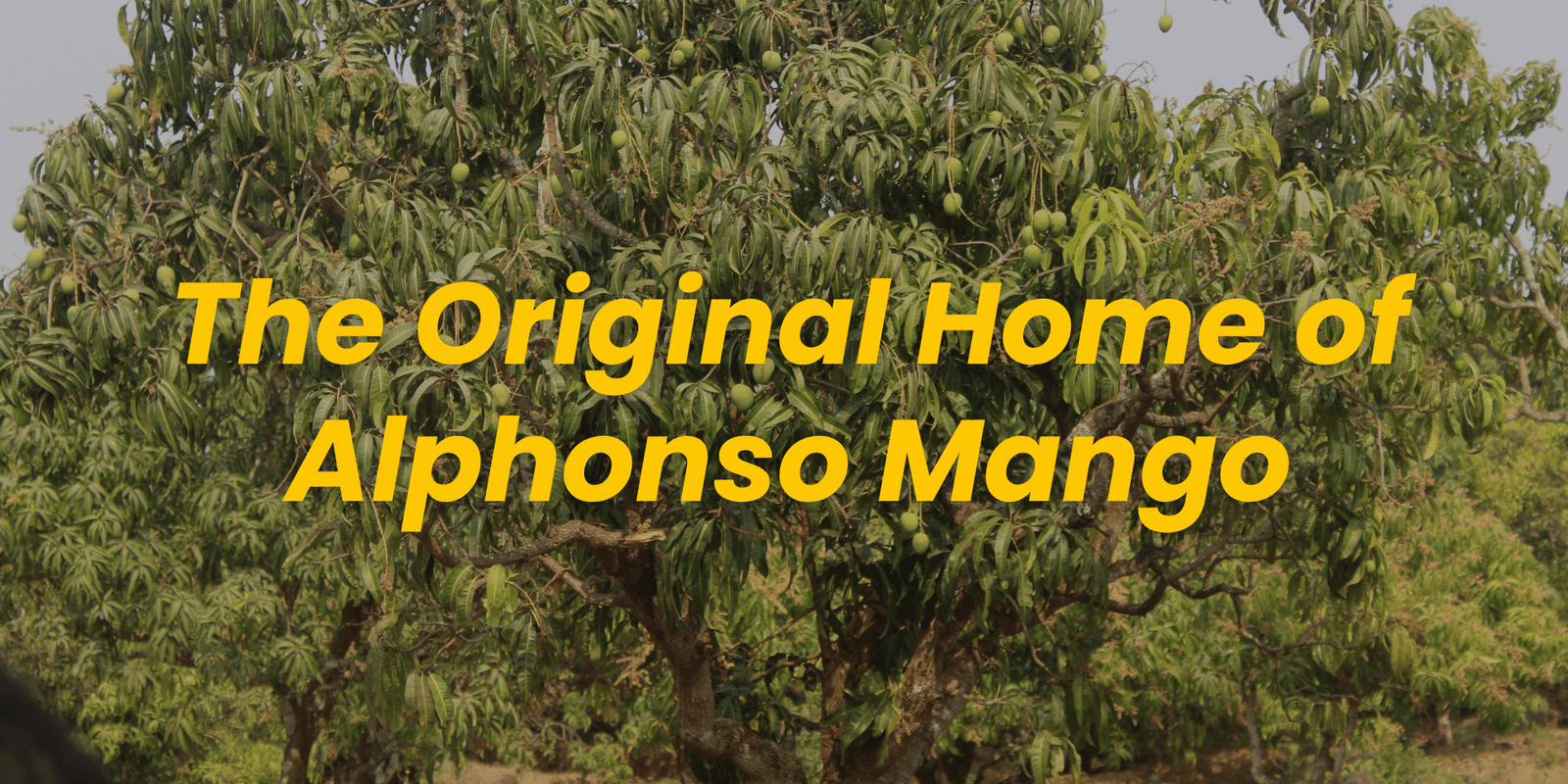
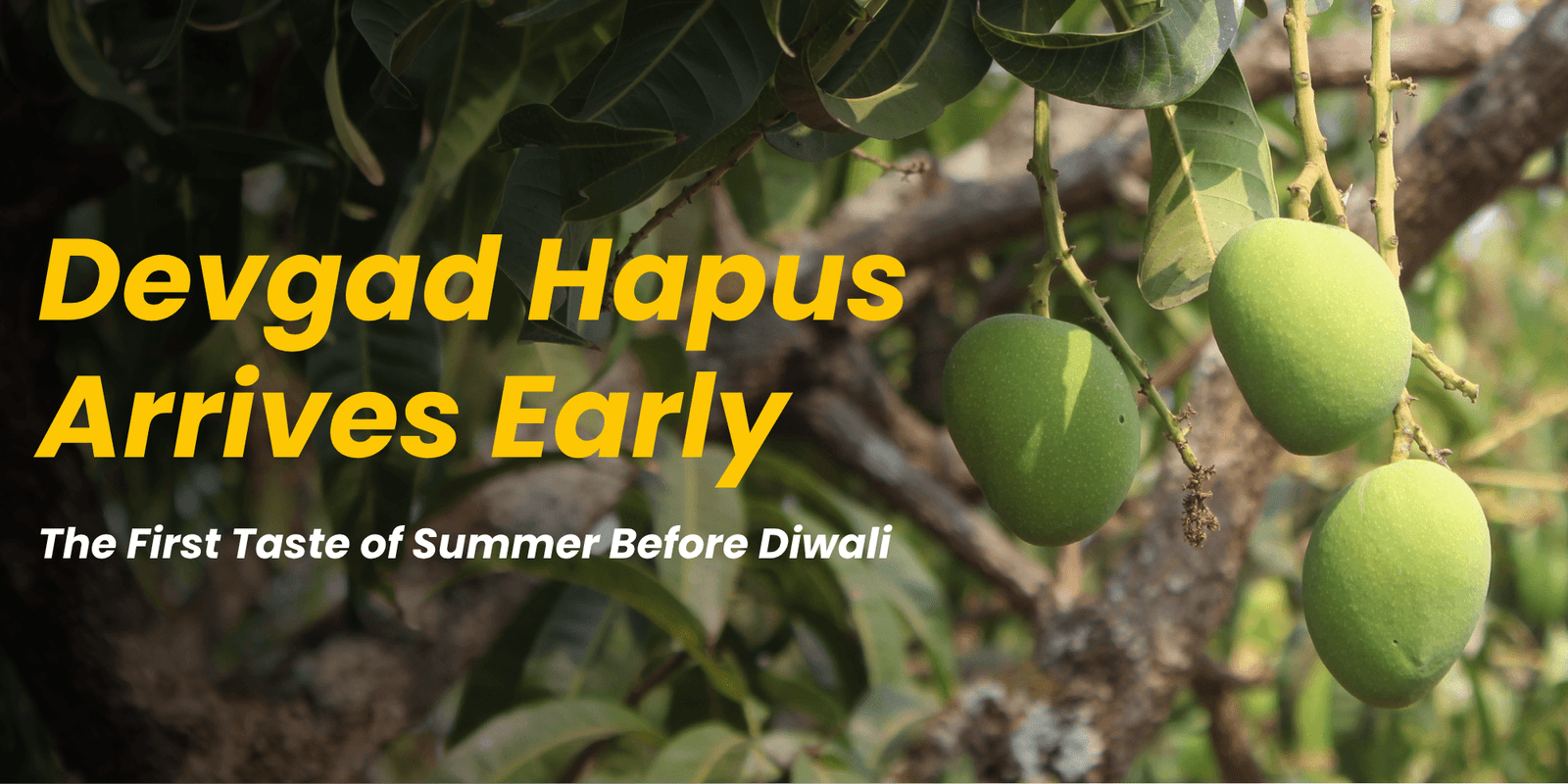
Every year, the golden glow of Devgad and Ratnagiri Hapus lights up the Indian summer. But this year, that sunshine arrived early — before Diwali.
In a surprising and exciting turn of events, the first crates of Devgad Hapus mangoes were dispatched to the Vashi fruit market even before the festive lights were lit. For mango lovers, it’s like summer knocking on the door in the middle of autumn.
🌞 A Rare Sight: Mangoes Before Winter
Typically, Alphonso mangoes — known locally as Hapus — reach the markets in March or April. However, this year, favorable weather and careful cultivation allowed a small early harvest from select Devgad orchards in Sindhudurg district.
These mangoes are part of a controlled flowering cycle, a result of scientific pruning and natural temperature changes post-monsoon. Farmers noticed early bud induction in July–August, leading to flowering by September — nearly three months ahead of schedule.
“This early batch is small but perfectly matured — naturally ripened and chemical-free,” say local orchard owners.
🧺 First Crate to Vashi: A Symbol of Season’s Promise
The first crate’s journey — from the lush orchards of Devgad to the bustling Vashi fruit market — has become symbolic. It marks not just the start of another mango season, but a message of freshness, hard work, and innovation from Konkan’s farmers.
Fruit traders report that the early mangoes fetched premium prices, with buyers eager to savor the first taste of the King of Fruits long before the usual summer rush.
🍃 Nature’s Rhythm and Farmer’s Wisdom
While early harvests generate excitement, farmers in both Devgad and Ratnagiri are careful to balance innovation with nature’s rhythm. Hapus trees require rest and controlled stress cycles to ensure high-quality flowering and fruiting in the main season (January–May).
The early crop is therefore limited — more of a teaser than a full-fledged harvest. It reflects how microclimate, timing, and traditional wisdom come together to create India’s most loved fruit.
🥭 What This Means for Mango Lovers
For mango enthusiasts, this early Devgad batch is a reminder of what’s coming:
The rich aroma and sweetness unique to Konkan mangoes.
The promise of freshness that no other variety can match.
And the anticipation of the grand Ratnagiri Hapus season ahead.
So, while the rest of India celebrates Diwali with sweets and lights, the Konkan coast quietly celebrates with the first slice of golden Hapus — a taste of the summer to come.
✨ Looking Ahead: The King Will Return in Full Glory
As winter approaches, the trees in Ratnagiri and Devgad are preparing for their main flowering phase. By late December, orchards will be covered in panicles — the delicate blossoms that promise the next season’s treasures.
And by April, the markets will be flooded once again with crates of golden Ratnagiri Hapus — fragrant, juicy, and ready to reign.
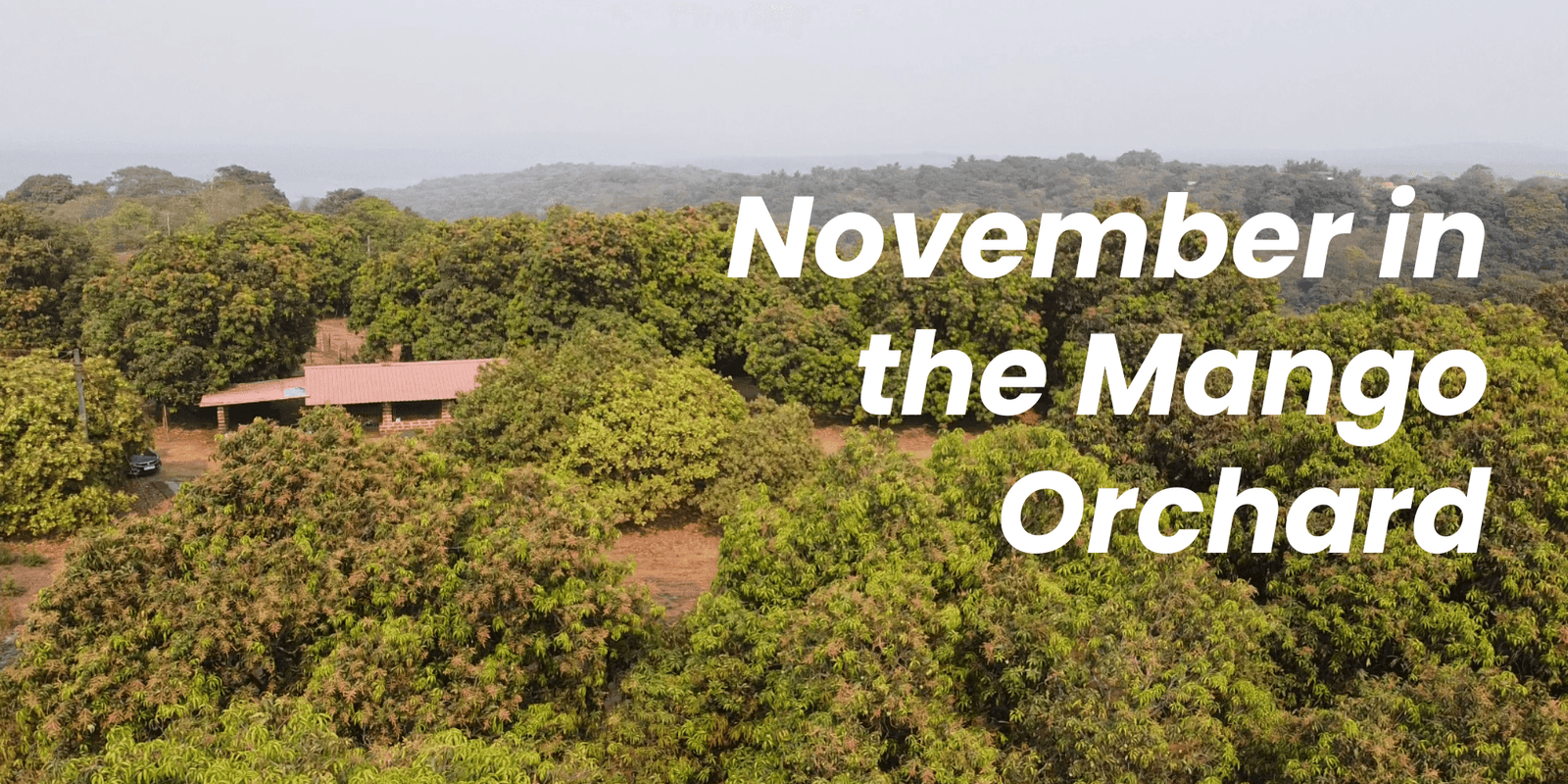
When you think of Ratnagiri Hapus — the King of Mangoes — you probably imagine the golden fruits of April and May. But few people realize that the story of every sweet Alphonso begins long before that… in November.
While the orchards may look calm, this month marks one of the most important — and silent — stages in the life of a mango tree.
🍃 The Post-Monsoon Calm: Nature’s Reset Button
After months of heavy Konkan rain, mango trees in Ratnagiri finally breathe. By October, new leaves have already matured, and by November, the trees enter a resting or recovery phase.
This pause is not laziness — it’s strategy. The tree uses this time to store nutrients, starch, and energy, preparing for the grand flowering season that begins in late December or January.
🌸 The Hidden Magic: Bud Preparation Begins
Though the branches may seem still, something extraordinary is happening inside. As the soil begins to dry and temperatures drop slightly, the mango’s buds start to transform — from simple green tips to future flower buds.
This process is called flower bud induction. It’s a quiet but powerful stage where the tree decides how many flowers — and therefore mangoes — it will bear next summer.
🌼 Farmers say: “November decides the harvest.” And they’re right — this month lays the foundation for next year’s fruiting.
💧 Farmer’s Focus: Stress, Soil, and Smart Care
In Ratnagiri, experienced Hapus farmers treat November like a time of discipline and restraint. Here’s what happens in the orchards now:
🌿 Task
🌞 Purpose
Reduce or stop irrigation
Mild water stress encourages floral bud formation.
No nitrogen fertilizers
Nitrogen promotes leaf growth instead of flowers.
Clean orchard & mulch soil
Maintains soil health and conserves moisture.
Light pruning
Removes unwanted shoots and lets in sunlight.
Pest check
Keeps hoppers and mealybugs in control before blooming.
By letting the trees “rest” and avoiding overfeeding or overwatering, farmers help nature do its best work — turning vegetative shoots into flower-bearing panicles.
🗓️ What Comes Next: The Journey to the Hapus Harvest Mango Orchard
Here’s how the mango’s annual rhythm unfolds after November:
Month
Stage
What Happens
Dec–Jan
Flowering
Panicles bloom with hundreds of tiny yellow-white flowers.
Feb–Mar
Fruit Setting
Flowers turn into small green mangoes.
Apr–May
Harvest Season
Ratnagiri Hapus ripens to its golden glory.
Jun–Sep
Monsoon Growth
New shoots and leaves flourish.
Oct–Nov
Rest & Bud Induction
The quiet build-up for the next season begins again.
🥭 The Beauty of Patience Mango Orchard
At first glance, a November mango orchard may look still — no flowers, no fruits, no activity. But beneath that calm canopy, every leaf and branch is preparing for the next royal harvest.
That’s the secret of the Ratnagiri Hapus: Its sweetness doesn’t just come from the sun or the soil — it comes from months of patient preparation, care, and perfect timing.
🌾 Did You Know?
The Ratnagiri Alphonso gets its unique aroma because of natural ripening and the Konkan’s mineral-rich laterite soil.
The flower-to-fruit journey lasts about 100–120 days, depending on weather and water stress.
Farmers who control irrigation wisely in November often get 20–30% higher fruit yield.
Final Thought
So, while November might seem like a quiet month in the orchards of Ratnagiri, it’s actually a time of invisible action — a month of balance, energy, and preparation. Each Hapus that melts in your mouth next summer begins its journey right now — in the calm silence of November.
India’s love affair with mangoes has always been deep and poetic. But beyond taste and nostalgia lies something more official — the Geographical Indication (GI) tag, a legal recognition that ties a product’s identity to its native soil.
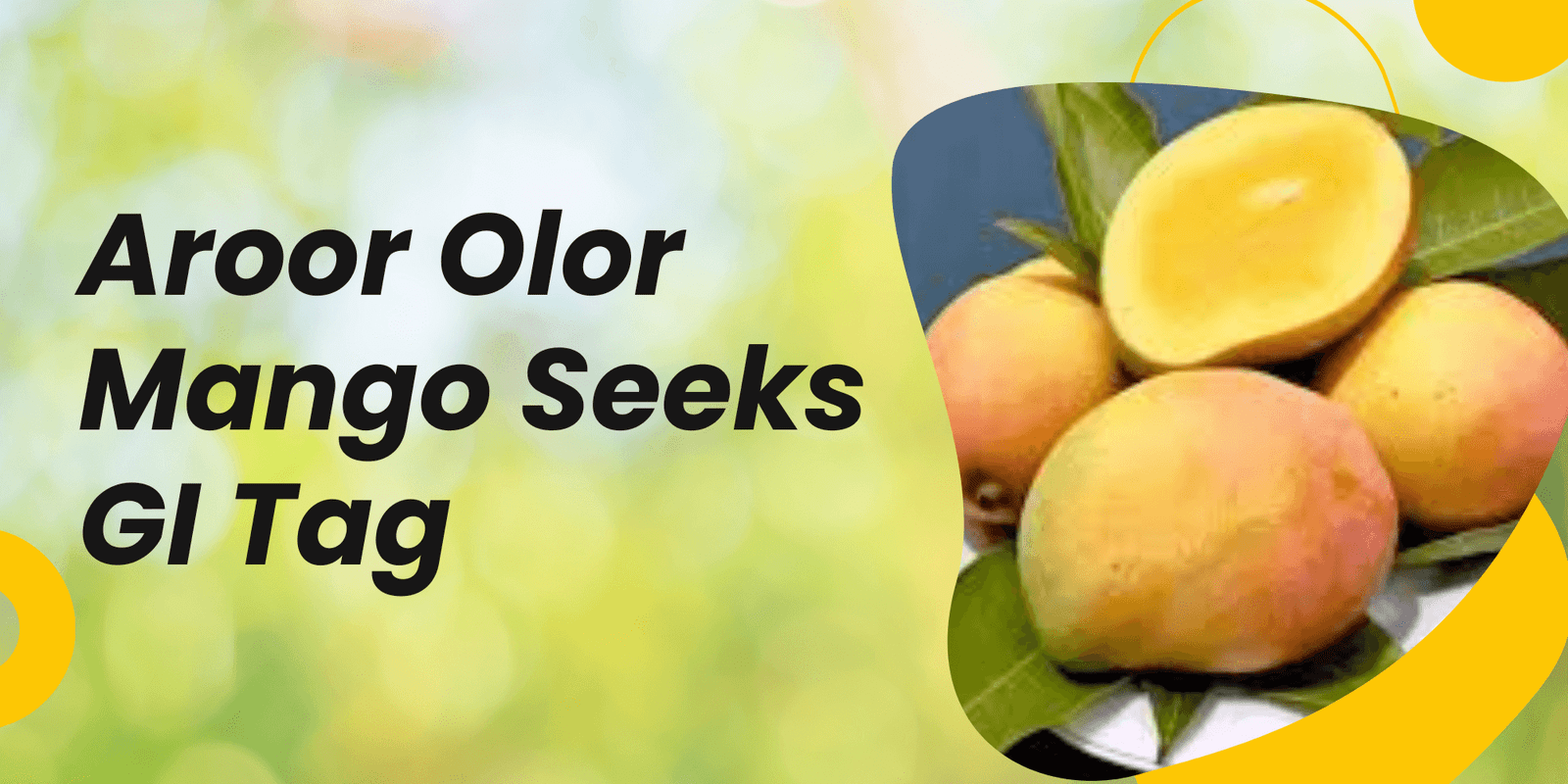
Recently, the Aroor Olor mango from Kerala made headlines for beginning its journey toward a GI certification, as reported by The New Indian Express (October 2025). The state’s agriculture department confirmed that studies and documentation are underway to establish its unique flavor, texture, and regional heritage.
And for mango lovers everywhere, that’s sweet news — because it continues a legacy started years ago by the legendary Ratnagiri Hapus (Alphonso).
🥭 Ratnagiri Hapus — The Benchmark for Authenticity
Before GI tags became trendy, Ratnagiri Hapus had already set the gold standard. In 2018, the Geographical Indications Registry of India officially granted Ratnagiri and Devgad Alphonso mangoes the GI tag — recognizing their distinct aroma, golden saffron hue, and buttery pulp as products of a very specific terroir: the lateritic red soil and sea-kissed breeze of coastal Konkan.
This wasn’t just a bureaucratic badge — it was a cultural seal of purity. It told the world: If it’s from Ratnagiri, it’s real Hapus. And it inspired dozens of other regions — from Kerala to Bihar — to document their own fruit heritage.
🌍 Why GI Tags Matter So Much
GI tags protect not just products, but the communities and traditions behind them. Here’s why they’re so powerful for India’s mango growers:
Benefit
What It Means
🧾 Authenticity Protection
Prevents other regions from falsely using the same name (like “Ratnagiri Hapus” sold from non-GI areas).
💰 Higher Farmer Income
Certified produce earns premium pricing in domestic and export markets.
🌱 Cultural Preservation
Keeps old farming techniques and local biodiversity alive.
🌏 Export Recognition
GI tags assure importers of origin and quality — a major advantage in global trade.
So when Kerala’s Aroor Olor mango begins its GI journey, it’s not just about one fruit — it’s about continuing India’s larger story of geographical pride and authenticity.
🧡 Lessons from Ratnagiri Hapus for Emerging GI Mangoes
As new contenders like Aroor Olor step into the GI process, the Ratnagiri experience offers timeless lessons:
Document the DNA
Ratnagiri’s farmers recorded decades of soil data, rainfall patterns, and taste profiles to prove uniqueness.
Organize Farmer Clusters
GI strength comes from unity — hundreds of Ratnagiri and Devgad farmers collaborated under regional boards.
Maintain Purity Post-GI
After certification, quality control is ongoing. Packhouses, grading centers, and labeling systems ensure every exported Hapus meets the promise.
Market the Story, Not Just the Fruit
Ratnagiri Hapus became a brand because it told its story beautifully — of coastal winds, handpicking, and generational heritage.
🍋 The Bigger Picture: India’s Mango Heritage Is Expanding
With varieties like Aroor Olor (Kerala), Malda Fazli (West Bengal), Kesar (Gujarat), and Banganapalli (Andhra Pradesh) already on the national map, India’s mango landscape is becoming a rich tapestry of local pride.
Each new GI tag adds another chapter to this delicious story — but the Ratnagiri Hapus remains the north star: the mango that taught India to value place-based authenticity.
🌞 Conclusion: The Sweetness of Provenance
As Aroor Olor prepares to claim its spot in the GI family, it follows in the fragrant footsteps of Ratnagiri Hapus — the mango that turned geography into greatness.
At Ratnagiri Hapus Store, we celebrate every mango that honors its roots. Because whether it’s from Ratnagiri’s sun-drenched slopes or Kerala’s lush groves, true sweetness is born from authenticity.
🥭 Authentic. Verified. Proudly from Ratnagiri. Explore our GI-certified Alphonso mangoes at ratnagirihapus.store
Every mango season, thousands of boxes of India’s beloved Alphonso mangoes leave ports like Mumbai and Nhava Sheva, destined for customers in the U.S., U.K., Europe, and the Middle East.
But in recent months, there’s been worrying news — several shipments of Indian mangoes were rejected or destroyed abroad, primarily due to documentation errors, non-compliance, or pesticide residue issues.
For an exporter, that’s not just a financial loss — it’s a blow to India’s reputation and the hard work of farmers who nurture every fruit with love.
🚫 Why Are Shipments Being Rejected?
Based on trade reports and APEDA alerts, here are the top reasons Alphonso mango shipments face rejections at ports:
Incomplete or incorrect phytosanitary certificates
Missing radiation treatment proof or wrong lot codes.
Non-alignment with import country’s specific format (e.g., USDA, DEFRA).
Residue levels beyond permissible limits
Even trace pesticide residues above the MRL (Maximum Residue Limit) can trigger rejection.
Some farmers unknowingly use sprays too close to harvest time.
Non-irradiated consignments
Especially for the U.S., every mango must undergo APHIS-approved irradiation before shipping.
A few exporters skip or mishandle this process, leading to bans or product destruction.
Temperature and packaging lapses
Improper cold-chain logistics during transit cause ripening or spoilage before arrival.
Mislabelling or misbranding
Exporting mangoes from non-GI (Geographical Indication) areas under the “Ratnagiri” or “Devgad Hapus” name can lead to penalties and rejections.
🧾 What Global Importers Expect
Region
Compliance Focus
Required Certificate
U.S.A.
Irradiation & APHIS pre-clearance
USDA / APHIS Certificate
E.U.
Pesticide residue limits (MRL)
Phytosanitary Certificate + MRL Lab Report
Middle East
Origin verification & ripeness
Health Certificate + GI Tag
U.K.
Traceability (farm to box)
DEFRA Compliance Certificate
This growing list of checks ensures consumer safety — but it also means exporters need perfect documentation and traceable supply chains.
✅ How Ratnagiri Hapus Store Ensures 100% Compliance
At Ratnagiri Hapus Store, we’ve built a zero-compromise export system to make sure our fruits reach your doorstep safely, legally, and in perfect condition:
Registered GI-Certified Farms Only
We source exclusively from Ratnagiri and Devgad farms registered under the GI tag of “Ratnagiri Hapus”.
APEDA-Approved Packhouses
Every consignment is processed at an APEDA-certified packhouse with in-house cold storage and irradiation linkage.
Pre-Shipment Quality Checks
Random batch testing for pesticide residues, Brix value (sweetness), and firmness.
Full Traceability
Every box has a QR code linking to its orchard, batch date, and packing details.
Export-Ready Packaging
Special ventilated 3-ply cartons designed for long-haul flights to maintain firmness and aroma.
Real-Time Shipment Monitoring
IoT-enabled temperature loggers track every shipment from Mumbai to destination — we share data transparently with buyers.
🌍 Setting the Gold Standard in Mango Exports
While others race to meet order deadlines, Ratnagiri Hapus Store takes the long view — prioritizing reliability, documentation, and customer trust.
We believe authentic Alphonso deserves authentic handling. Our motto: “If it’s not fully compliant, it’s not Ratnagiri Hapus.”
When you order from us — whether you’re a retailer in Dubai or a family in London — you’re not just buying a fruit. You’re buying Konkan’s pride, protected by compliance, care, and integrity.
📦 Conclusion: Sweetness Without Shortcuts
As India’s mango exports grow, so do the regulations — and that’s a good thing. It keeps the brand “Ratnagiri Hapus” synonymous with quality, purity, and trust.
While others struggle with rejections, we focus on prevention. Our fruits pass every test — so the only thing you taste is sweet success.
Mango blossom honey comes from nectar collected mainly from mango flowers. It tastes tropical and floral with a gentle saffron-like note, pairs brilliantly with desserts, and often carries a richer polyphenol profile than many blended “regular” honeys. Regular honey varies widely by region and season, so its flavor and nutrition swing more. Choose raw, lab-tested honey for the most benefits in either case.
What is mango blossom honey?
Bees forage on mango (Mangifera indica) blossoms during the short flowering window. When most nectar comes from mango trees, beekeepers harvest a monofloral lot called mango blossom honey. Because the source is focused, you get a consistent flavor and aroma that remind many people of Alphonso mango desserts—even though the honey does not taste like fruit juice.
Typical sensory profile
Aroma: warm, tropical, floral; faint resin and spice notes
Color: light amber to medium amber (varies with season)
Taste: medium sweetness, low bitterness, a clean finish; hints of dried apricot or saffron
Texture: smooth; crystallization can be fine-grained over time
What is “regular” honey?
“Regular” honey usually blends nectar from many flowers (multifloral). Large packers often standardize flavor and color across batches. Because the nectar mix shifts by location and season, the taste, aroma, and nutrients vary more than in monofloral honeys.
Common profile
Aroma: mild to medium floral; sometimes grassy
Color: very light to dark amber
Taste: sweetness first; notes depend on dominant local flora
Texture: crystallization speed depends on glucose/fructose ratio
Side-by-side comparison
Feature
Mango Blossom (Monofloral)
Regular (Multifloral)
Nectar source
Primarily mango blossoms
Mixed seasonal flowers
Flavor
Tropical, floral, clean finish
Ranges from mild to robust
Aroma
Distinct, warm, slightly spicy
Varies; often milder
Antioxidants*
Often higher, more consistent
Variable by blend
Crystallization
Fine crystals over weeks/months
Unpredictable; depends on flora
Culinary pairing
Desserts, cheese boards, teas
Daily sweetener, marinades, baking
*Antioxidant levels depend on flora, harvest, handling, and storage.
Flavor: where mango blossom honey shines
Mango blossom honey brings a clear, elegant flavor that doesn’t overpower. It lifts:
Alphonso desserts: drizzle over aamras, shrikhand, cheesecakes, pancakes
Cheese boards: burrata, fresh chèvre, mild gouda
Tea and mocktails: works with ginger, lime, mint, or cardamom
Breakfast bowls: yogurt, granola, chia puddings
Regular honey is the workhorse for marinades, baking, and everyday use. If a recipe needs a neutral sweetness, regular honey does the job. If you want a signature note, mango blossom honey adds character.
Nutrition and health basics
Both honeys provide simple sugars (mostly fructose and glucose), trace enzymes, minerals, and plant polyphenols. Raw, minimally processed honey retains more of these compounds.
Antioxidants: Mango blossom honey often shows a robust polyphenol profile due to resinous mango flora. This supports general oxidative-stress defense.
Glycemic impact: Honey is still sugar. Portion control matters. Many people find a teaspoon in tea satisfies a sweet craving better than refined sugar.
Enzymes: Raw honey includes diastase and invertase, which degrade with heat. Gentle handling preserves them.
Allergy caution: Never give honey to infants under 12 months. People with pollen allergies should introduce any honey slowly.
Good to know: Color is not a guarantee of quality. Some dark honeys are antioxidant-rich, others are simply caramelized by heat. Focus on source, raw handling, and purity tests.
Purity and authenticity: what to look for
Adulteration (syrups, over-filtration, excessive heating) can strip flavor and nutrition. Buy from producers who share test results.
Checklist
Source transparency: region, bloom period, beekeeper or FPO details
Raw / unheated claim: “minimally warmed” only for bottling flow
Lab tests: HMF (heat marker), moisture, pollen spectrum (melissopalynology), NMR/LC-MS when available
No added flavors: avoid “essence” in the ingredient list
Crystal-friendly: natural crystallization is a good sign of raw honey
Storage tips
Keep the lid tight; store in a cool, dark cupboard (not the fridge).
If crystals form, place the jar in warm water (≤40 °C) and stir. Avoid microwaves.
Use a dry spoon; moisture invites fermentation.
Which one should you choose?
Choose mango blossom honey when you want a unique, premium flavor for desserts, cheese, teas, and gifting.
Choose regular honey for everyday sweetening, marinades, and baking where subtle floral notes are less important.
Choose raw and tested in both cases. Purity beats marketing claims.
Pairing ideas with Ratnagiri favorites
Aamras upgrade: Whisk a teaspoon of mango blossom honey into chilled Alphonso pulp for a glossy finish.
Cashew crunch: Drizzle over Ratnagiri flavored cashews for a quick dessert snack.
Breakfast boost: Swirl into yogurt, top with freeze-dried Alphonso bits if you stock them.
FAQs
Is mango blossom honey the same as “mango honey”? No. Mango blossom honey comes from mango flower nectar, not fruit juice. Ethical producers never add flavoring.
Does mango blossom honey taste like Alphonso pulp? It echoes tropical notes but stays floral and light. Think perfume of mango orchards, not fruit purée.
Is raw honey better? Raw honey usually retains more enzymes and aroma. However, raw or regular, purity and low-heat handling matter most.
Can diabetics use mango blossom honey? Only with medical guidance. Honey still impacts blood sugar. Portion control is essential.
How do I confirm authenticity? Look for lab results (pollen analysis, HMF, moisture) and clear origin info. Reputable sellers provide this on request.
The bottom line
Mango blossom honey brings a signature Konkan orchard note to your table. Regular honey offers everyday versatility. Pick based on flavor and use, but insist on raw, clean, and tested jars for real nutrition and taste.
Want authentic, naturally ripened Alphonso mango products to pair with your honey? Explore Ratnagiri Hapus Store for pulp, seasonal fruit, and premium snacking add-ons—delivered across India.
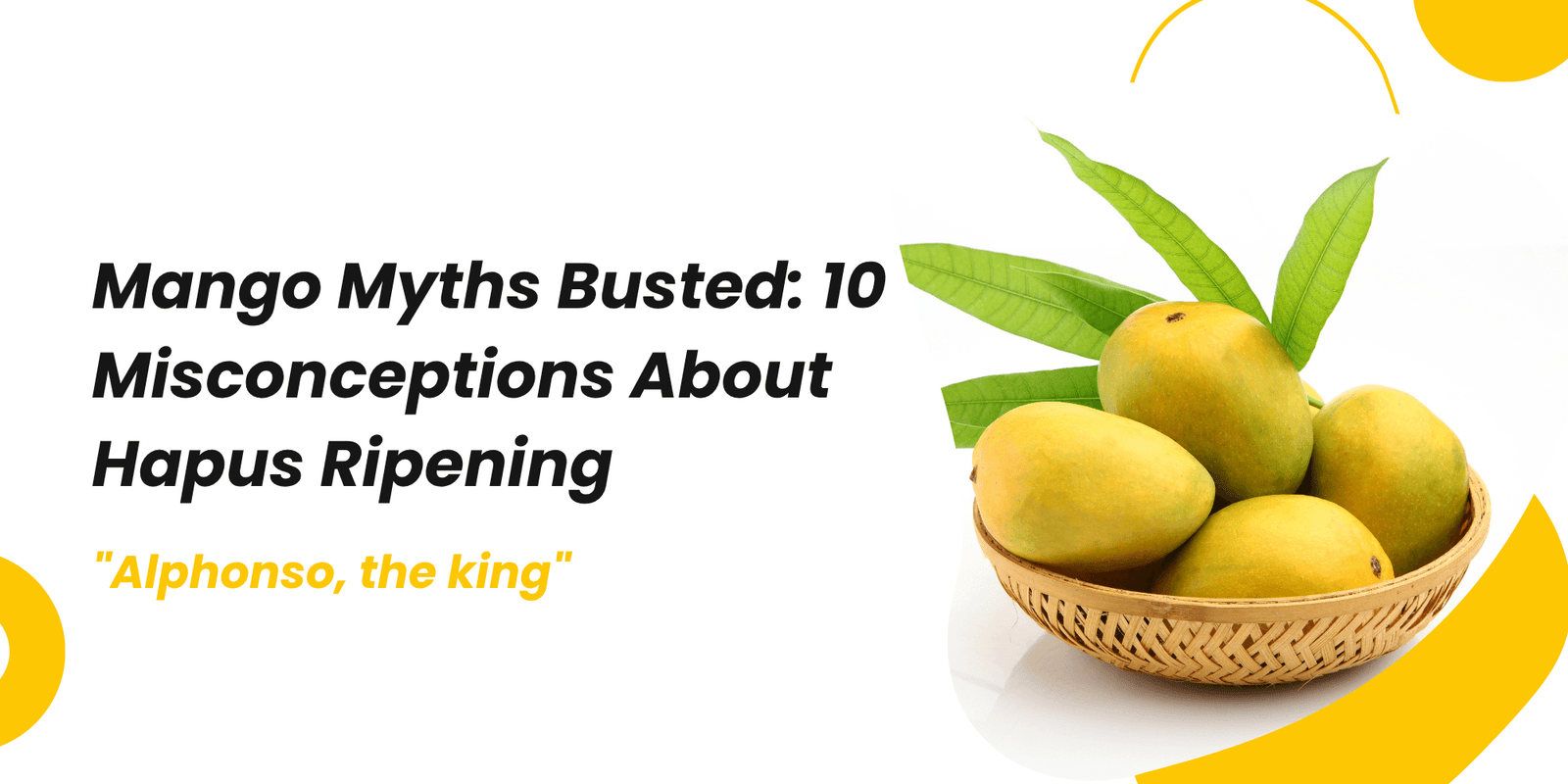
Stop ruining Alphonso mangoes with bad advice. Learn the right, safe way to ripen Hapus at home and enjoy peak flavour every time. Mango Myths Busted
Alphonso (Hapus) is delicate. Treat it right and you’ll get saffron-hued pulp, big aroma, and buttery sweetness. Treat it wrong and you’ll end up with flat flavour or a mealy bite. Below, we bust the most common ripening myths and share a simple, science-backed method you can follow at home.
First, how ripening actually works
Mangoes release ethylene, a natural plant hormone. At room temperature, ethylene signals the fruit to convert starches into sugars and build aroma compounds. Good airflow, moderate warmth, and gentle handling help that process. Cold, moisture, and sealed containers do not.
10 Hapus ripening myths—busted
1. “Uniform yellow means ripe.”
Not always. Genuine Hapus often shows a green-to-yellow gradient with a saffron blush. Trust stem aroma and a slight “give” near the shoulders instead of colour alone.
2. “Fridge ripens faster.”
Cold slows ripening and mutes aroma. Keep unripe mangoes at 22–28 °C on the counter. Chill only after they are ripe.
3. “Any bag works—even plastic.”
Airtight plastic traps moisture and invites fungus. Use a paper bag or a ventilated cardboard box.
4. “Carbide-ripened tastes the same.”
Calcium carbide pushes colour, not flavour. It often leaves a mealy texture and flat taste. Choose naturally ripened fruit from a trusted source.
5. “Bigger Alphonso is better.”
Size does not predict sweetness. Brix (sugar level), maturity, and aroma do. Pick medium fruit with a rich scent.
6. “Direct sun helps.”
Sun overheats pulp and causes wrinkling or sour notes. Keep boxes in a shaded, airy corner.
7. “Wash before ripening.”
Extra moisture breeds mold. Wipe dust with a dry cloth now; wash only before eating.
8. “Soft everywhere = perfect.”
Over-soft often means over-ripe. Look for a gentle yield near the stem, not a squashy feel.
9. “Strong perfume from day one.”
Aroma builds as sugars rise. Expect full perfume 24–48 hours before peak.
10. “Mixing varieties is fine.”
Each variety releases ethylene at a different rate. Ripen Alphonso separately from Kesar, Totapuri, and others.
The right way to ripen Hapus at home
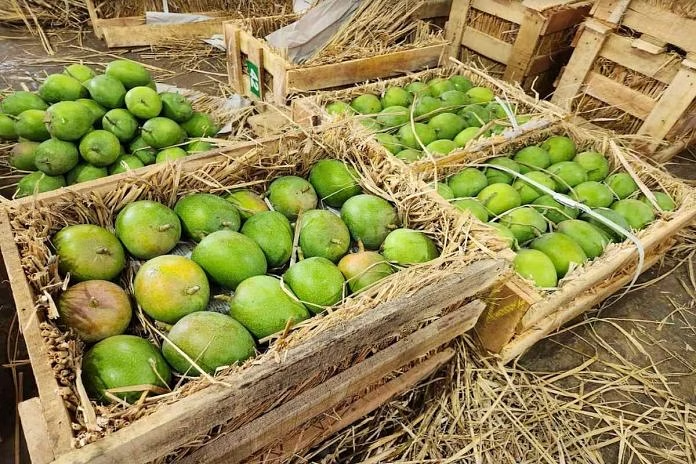
Set up a ventilated cardboard box. Line it with straw or paper.
Arrange fruit in a single layer, stems down, with small gaps for air.
Place the box in a cool, shaded spot—no sun, no heat source, no AC draft.
Check daily for stem aroma and light softness at the shoulders.
Time it: most boxes peak Day 3–5 after delivery; some need Day 6.
Then chill ripe pieces for 1–3 days to hold flavour.
Troubleshooting: why a box fails to ripen well
Heat waves can overheat pulp in transit and stall flavour.
Over-stacking bruises lower layers and causes uneven ripening.
Cold shock from early refrigeration dulls perfume.
Mixed lots let one variety push another past peak.
FAQs
Who writes these guidelines?
Our co-founders work directly with Ratnagiri and Devgad orchards and track Brix readings each week in season. We package those field notes into practical tips for home ripening.
How long should Alphonso take to ripen at home?
Usually 2–5 days at room temperature. Cooler rooms may need up to 6 days.
When should I refrigerate?
Only after the mango is ripe. Refrigeration then holds flavour for 1–3 days.
Can I speed it up safely?
Yes. Place Hapus beside a ripe banana in a paper bag. Check twice daily.
How do I confirm natural ripening?
Look for colour gradients, a deep stem aroma, and non-glossy skin. Ask your seller about the ripening method; reputable stores disclose it. Mango Myths Busted
Final bite
Perfect Hapus needs patience, airflow, and a light touch. Ditch the myths, follow the cues, and you’ll taste Alphonso as Konkan farmers intended—creamy, fragrant, and irresistibly sweet. When you want GI-region, naturally ripened fruit with a ripening card inside every box, order fromRatnagiri Hapus Store and enjoy peak flavour at home.
Few fruits inspire as many legends as the Alphonso mango of Maharashtra’s Konkan coast. Long before modern grading stations and GI tags, stories about Hapus traveled by word of mouth from one orchard to the next. Elders recount these folk tales each season to remind younger generations that mango farming is as much about heritage as it is about commerce. Here are some of the most enduring narratives and customs that still accompany every harvest in Ratnagiri, Devgad, and Sindhudurg. Konkan Mango Folk Tales
The Portuguese General and the First “Golden” Mango
According to local lore, the 16th‑century Portuguese commander Afonso de Albuquerque brought mango grafting techniques to western India. Villagers say he challenged royal gardeners in Goa to create a fruit that combined Goa’s fragrant Malcurada with a local wild mango. The resulting variety matured into the golden Alphonso we love today. To honor this origin story, many Konkan farmers still offer the first ripe mango of the season at their village chapel or temple—thanking the land for a fruit that carries foreign influence yet feels fully Indian.
The Fisherman’s Prayer for a Sweet Monsoon
In coastal hamlets south of Devgad, an old belief links mango sweetness to the first catch of the fishing season. Fishermen returning from their inaugural monsoon trip traditionally gift two dozen small fish to the orchard owner in exchange for the season’s first crate of Hapus. Elders explain that the salt mist from the sea nourishes mango blossoms, while the orchard’s shade shelters fishing nets before repairs. This barter ritual solidifies a bond between sea and soil, keeping both livelihoods intertwined.
The Talking Mango Tree of Pawas
Near Pawas in Ratnagiri district, villagers speak of a 200‑year‑old Alphonso tree called “Boljani Amba”—the Talking Mango. Legend claims that in years when the tree bears fewer fruit, its rustling leaves foretell heavy rains or political turmoil. Locals still gather beneath its branches on Akshaya Tritiya to “listen” for signs through patterns of falling leaves or chirping birds. Whether prophecy or coincidence, the tradition fosters community conversation about weather patterns and farm planning.
The Runaway Mango and the Monsoon Bride
Children in Sindhudurg hear bedtime stories about a runaway mango that rolled downhill during a thunderstorm and came to rest beside a newly married bride’s doorstep. The next morning the fruit had sprouted, symbolizing prosperity for her family. Inspired by this tale, many newlyweds plant a mango sapling on their bridal property, believing it will safeguard their marriage and finances. Some families still call their first‑year harvest “lagna‑amba” (wedding mango).
Why Mangoes Should Never Sleep Alone
A playful superstition says that ripe Alphonso mangoes should always rest in pairs inside straw beds; otherwise, a lone fruit will sulk and turn sour. Grandmothers use the story to teach children proper stacking techniques during the critical seven‑day ripening period. Science might credit uniform ethylene distribution for even sweetness, but folklore makes the lesson memorable—and protects delicate fruit from bruising.
Night‑Time Harvest Songs
Older harvesters recall “Aamba Pawli,” a lilting tune sung under moonlight as workers climbed trees to cut fruit before dawn temperatures spiked. Each verse praised an aspect of the mango—its blush, its fragrance, its value in dowries. Today some cooperatives revive the song during cultural fairs, showing tourists how music once guided the rhythm of picking and sorting.
How These Tales Influence Modern Farming
Folk stories often hide practical wisdom:
Respect for the sea breeze translates into careful orchard placement on gentle coastal slopes.
Rituals of gifting the first fruit encourage selective harvesting when Brix levels peak, enhancing quality.
Community gatherings under historic trees foster collective decisions on pest management and irrigation schedules.
Keeping Stories Alive Through Commerce
At Ratnagiri Hapus Store we encourage partner farmers to include short story cards in premium gift boxes. A customer biting into a naturally ripened mango also discovers the legend behind it, bridging urban and rural worlds in a single crate. Our blog series and social media reels highlight elders narrating these anecdotes in Marathi with English subtitles, turning oral tradition into shareable content.
Final Thought
From the Talking Mango to wedding saplings, Konkan folk tales remind us that every Alphonso carries layers of culture beneath its saffron skin. When you savor your next slice of Hapus, you’re tasting centuries of storytelling—proof that flavor is as much about memory as it is about chemistry. By preserving and sharing these narratives, farmers and consumers together ensure that the spirit of the Konkan coast ripens anew each season.
Alphonso mangoes are grown in various parts of India, but Ratnagiri and Sindhudurg districts in Maharashtra produce the finest quality and Ratnagiri and Sindhudurg Alphonso mangoes are GI-certified. The difference lies in taste, texture, aroma, season time, and price. If you’re wondering why Ratnagiri and Sindhudurg Alphonso mangoes are considered superior, this guide will help you understand the key differences in 2025.
1. Geographical & Climatic Advantage 🌍
Ratnagiri and Sindhudurg districts in Maharashtra have laterite-rich soil, which is well-drained and slightly acidic—ideal for Alphonso mango cultivation. The coastal climate provides high humidity, moderate rainfall, and ample sunlight, which help in the natural ripening of mangoes and enhance their distinct aroma and taste.
These conditions enhance natural sweetness, aroma, and smooth texture.
Other regions, such as Karnataka, Gujarat, Andhra Pradesh, and Tamil Nadu, grow Alphonso mangoes, but due to different soil and climate, the taste and aroma vary significantly.
2. Season Time in 2025 📅
The harvesting season for Alphonso mangoes varies by region due to climate differences.
Region
Season Duration
Ratnagiri & Sindhudurg
Mid-March to June
Karnataka
February to May
Gujarat
April to June
Andhra Pradesh
March to May
Tamil Nadu
February to April
✔ Ratnagiri and Sindhudurg mangoes have a longer season, allowing better ripening and superior taste. ❌ In other regions, mangoes ripen earlier due to higher temperatures, affecting their natural sweetness and shelf life.
3. Taste & Texture Difference 🥭
✔ Ratnagiri & Sindhudurg Alphonso:
Naturally sweet with a slight tangy hint, giving a rich and balanced flavor.
Buttery texture, free from fiber, and melts in the mouth.
Strong, fragrant aroma that fills the room when ripe.
❌ Other Regions (Karnataka, Gujarat, Tamil Nadu, Andhra Pradesh):
Often mildly sweet or sometimes excessively sweet without the tangy balance.
Slightly fibrous texture, making it less smooth.
Weaker aroma, sometimes missing the strong, fruity fragrance of real Alphonso.
4. GI Tag Certification ✅
✔ Ratnagiri and Sindhudurg Alphonso mangoes are GI-certified, meaning they meet strict quality standards and are considered authentic. ❌ Mangoes from other states do not have this certification, meaning they may not meet the same taste and quality standards.
5. Price Difference in 2025 💰
Due to their superior quality, limited availability, and high demand, Ratnagiri and Sindhudurg Alphonso mangoes are more expensive than those grown in other regions.
Region
Price per Dozen (approx.)
Ratnagiri/Sindhudurg
₹1200 – ₹3000
Karnataka
₹800 – ₹1500
Gujarat
₹600 – ₹1200
Andhra Pradesh
₹500 – ₹1000
Tamil Nadu
₹400 – ₹900
Ratnagiri and Sindhudurg mangoes cost more because of their premium quality, GI certification, and careful cultivation process.
Other regions sell Alphonso mangoes at lower prices due to differences in taste, quality, and farming methods.
6. Natural Ripening vs. Artificial Ripening ⚠
✔ Ratnagiri & Sindhudurg Alphonso mangoes are ripened naturally using traditional haystack methods, which maintain their natural sweetness and texture. ❌ Some other regions use artificial ripening agents like carbide and ethylene, which can affect taste and pose health risks.
7. How Ratnagiri Hapus Store Brings the Best Alphonso to You in 2025 🚚
To ensure customers receive authentic, naturally ripened Alphonso mangoes, Ratnagiri Hapus Store sources directly from farmers in Ratnagiri and Sindhudurg.
We support local farmers by ensuring they receive the right price for their produce.
Our strict quality control process guarantees that only the finest mangoes reach customers.
With trusted logistics partners, we deliver fresh mangoes to over 20,000+ customers across 8,000+ pincodes in India.
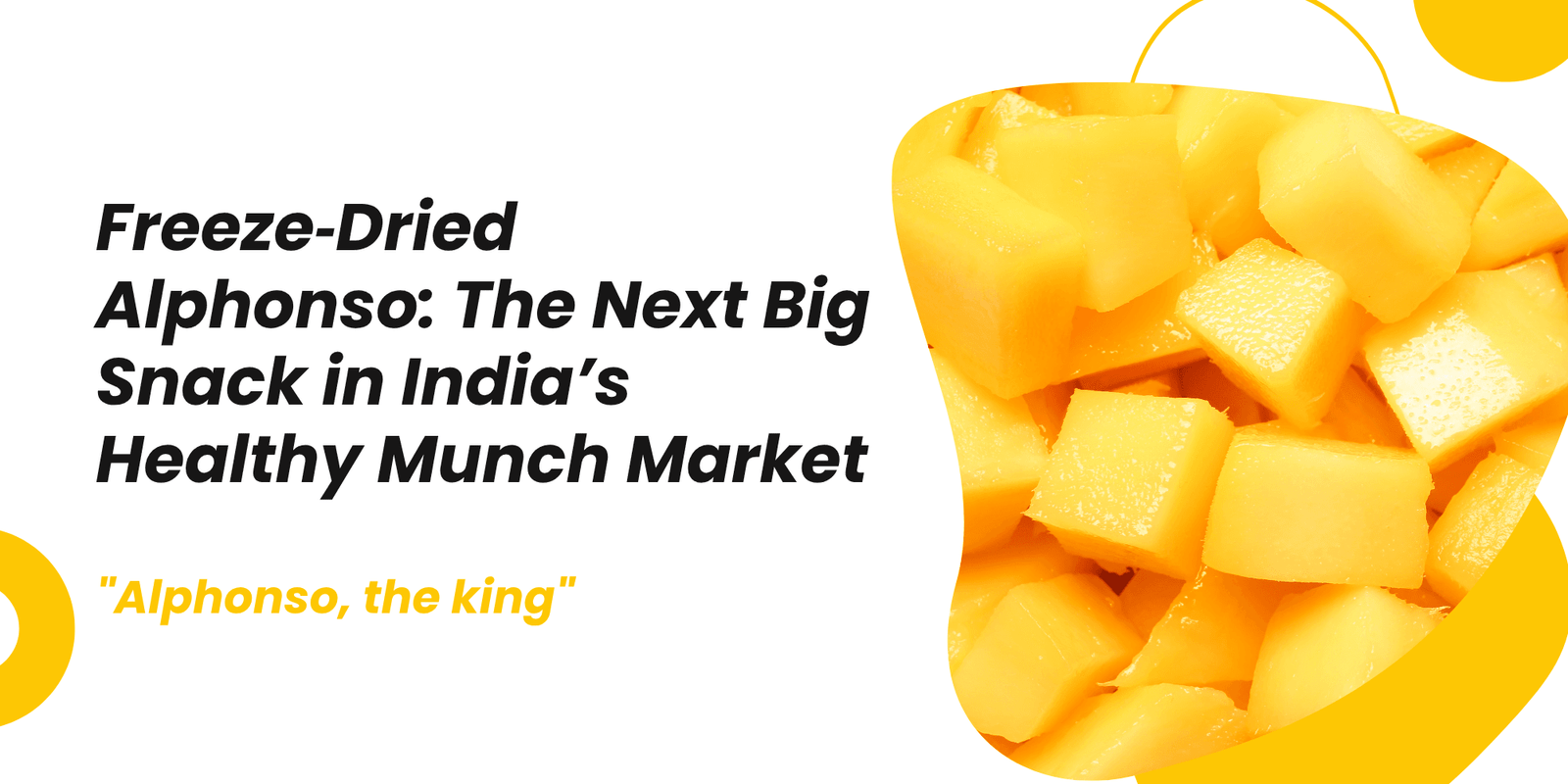
Alphonso mangoes already enjoy cult status as the king of fruit. Now a new twist—freeze‑dried Alphonso—promises to carry that royal flavor into lunch boxes, office desks, and gym bags all year long. With Indian consumers hunting for guilt‑free indulgences, this crunchy, naturally sweet snack is poised to disrupt the healthy‑munch segment. Here’s why.
What exactly is freeze‑dried Alphonso?
Freeze‑drying removes water from ripe mango slices at very low temperatures and under vacuum. Because the process skips high heat, it locks in:
up to 95 % of the fruit’s vitamins and antioxidants
original color, aroma, and natural sugars
a feather‑light crunch that rehydrates instantly on the tongue
The result is shelf‑stable cubes or strips that taste like peak‑season Alphonso but weigh a fraction of fresh fruit.
Why Indian snackers are ready for it
Clean labels No added sugar, no oil, no preservatives—perfect for parents and fitness enthusiasts.
Portability A 25‑gram pouch delivers the flavor of one full mango yet fits in a jeans pocket.
Calorie control About 90 kcal per serving versus 250 kcal for many fried snacks.
Year‑round availability Consumers can satisfy a Hapus craving even in December, eliminating seasonal FOMO.
Market trends that point to growth
Nielsen data show India’s dried‑fruit snack category growing 18 % CAGR since 2022, led by urban millennials.
Quick‑commerce apps report a 40 % jump in search queries for “freeze‑dried fruit” over the last year.
Corporate wellness programs increasingly include low‑sugar fruit crisps in meeting‑room hampers.
How freeze‑dried Alphonso stacks up against other mango formats
Attribute
Freeze‑dried Alphonso
Dehydrated (hot‑air) mango
Mango chips (fried)
Candy or toffee
Heat exposure
Very low
High
High
High
Vitamin retention
Excellent
Moderate
Poor
Poor
Added sugar
None
Sometimes
None
High
Shelf life
12–18 months
6–9 months
4–6 months
9–12 months
Crunch factor
Light, airy
Chewy
Crisp but oily
Sticky
Opportunities for farmers and brands
Freeze‑drying adds value to second‑grade fruit (small size, cosmetic blemish) that might fetch lower prices when sold fresh. By channeling these mangoes into premium pouches, orchard collectives gain extra revenue and reduce waste. Brands, meanwhile, can:
highlight GI‑tagged Alphonso origin for authenticity
experiment with flavored dustings such as chilli‑lime or dark‑cocoa for diversified SKUs
bundle mini packs with flavored cashews for a complete healthy‑snack gift box
Storage and usage tips for home consumers
Keep sealed pouches in a cool, dry cupboard. After opening, reseal tightly to preserve crunch.
Sprinkle over muesli, smoothie bowls, or yogurt for natural sweetness.
Blend into powder and fold into pancake batter for instant mango flavor.
Rehydrate in room‑temperature water for 30 seconds if you prefer a soft texture.
Ratnagiri Hapus Store: exploring the freeze‑dried frontier
We have begun pilot batches of freeze‑dried Alphonso slices sourced from naturally ripened fruit. Every pouch carries full traceability back to our partner farms, and no sugar or sulphites are added—ever. Sign up for our newsletter to get early‑bird access when this limited‑edition snack launches later this year.
Final bite
Freeze‑dried Alphonso offers the best of both worlds: the luxurious taste of Ratnagiri and Devgad mangoes plus the convenience modern snackers demand. As India’s healthy‑munch market races ahead, expect this light yet nutrient‑dense treat to become a pantry staple. If you’re ready to taste the future, keep an eye on Ratnagiri Hapus Store—your one‑stop destination for authentic Alphonso in every form.
Shopping for mango ingredients can be confusing: labels often say pulp, puree, or concentrate. They all start with ripe mangoes, yet each behaves differently in your kitchen. Here’s a simple guide to help home cooks pick the right product—and avoid recipe disappointment. lets check Mango Pulp vs Puree vs Concentrate
1. Mango Pulp
What it is Strained, deseeded mango flesh. It usually contains no added sugar, water, or preservatives (look for “100 % pulp” on the label).
Texture and taste Thick and spoonable, like baby food. The flavor is fresh and true to the fruit because water hasn’t been removed.
Best uses
Aamras or sheera
Smoothies and milkshakes
Ice cream or kulfi base
Cheesecake swirls and sorbets
Tip Choose Alphonso pulp for a deep saffron color and floral aroma. Once opened, refrigerate and use within a week.
2. Mango Puree
What it is Similar to pulp but often slightly thinner because it may contain small amounts of added water or sugar. Puree is processed to a uniform consistency, perfect for industrial kitchens and baby-food jars.
Texture and taste Pourable, silky, less dense than pulp. Sweetness varies; always check if sugar is listed in the ingredients.
Best uses
Pancake or waffle toppings
Fruit sauces over yogurt or oatmeal
Gateaux fillings
Baby food when labeled “unsweetened”
Tip If a recipe calls for pulp but you only have puree, reduce liquids elsewhere or simmer the puree on low heat to thicken.
3. Mango Concentrate
What it is Puree that has undergone vacuum evaporation to remove 50–70 % of its water. The result is a thick, syrupy product with natural sugars and acids highly concentrated. Most commercial concentrates are later diluted to make juice. Mango Pulp vs Puree vs Concentrate
Texture and taste Viscous, almost jam-like, with an intense, sometimes caramelized sweetness.
Best uses
Homemade nectar or juices (dilute 1 : 3 with cold water)
Glazes for barbecue, poultry, or ham
Flavoring kombucha, mead, or craft beer
Natural sweetener in chutneys and marinades
Tip Because concentrate is so strong, start with small amounts. Two tablespoons of concentrate can replace about half a cup of pulp in dessert recipes.
Quick Comparison Table
Feature
Pulp
Puree
Concentrate
Water Removed
None
Little or none (depends)
50–70 % removed
Sweetener Added
Rare
Sometimes
Rare (naturally sweeter)
Thickness
Thick spoonable
Pourable
Very thick syrup
Shelf Life (Unopened)
12–18 months (canned)
18–24 months
Typical Ratio in Juice
Ready to drink
1 : 2 with water (if sweetened)
1 : 3 or 1 : 4 with water
How to Substitute in Recipes
Replacing pulp with puree Simmer the puree until it coats a spoon; cool before using.
Replacing pulp with concentrate Use one-third the quantity of concentrate and add water back to original volume.
Replacing puree with pulp No change needed, but you may need a splash more liquid.
Storage Tips
Keep unopened cans or aseptic packs in a cool, dry place.
After opening, transfer leftovers to a glass jar, refrigerate, and finish within:
Pulp or puree – 7 days
Concentrate – 14 days
For longer storage, freeze in ice-cube trays, then move cubes to a zip pouch.
Where to Buy Quality Mango Bases
For authentic Alphonso mango pulp, puree, and concentrate made from naturally ripened fruit, visit RatnagiriHapus.Store. Each batch is GI-certified, free from artificial ripeners, and shipped across India in tamper-proof packaging.
Final Word for Home Cooks
Choose pulp when you want true mango flavor and thick body, puree for everyday sauces or baby food, and concentrate when intensity matters or storage space is tight. With the right product on your shelf, mango season can last all year—even long after fresh fruit disappears from the market.